Jun 16, 2025
Why visit Fish River Canyon? Experience Africa’s largest canyon, luxury lodges, epic hikes, wildlife, and wellness on a bespoke Namibian safari.
Why Visit Fish River Canyon: Namibia’s Luxury Escape
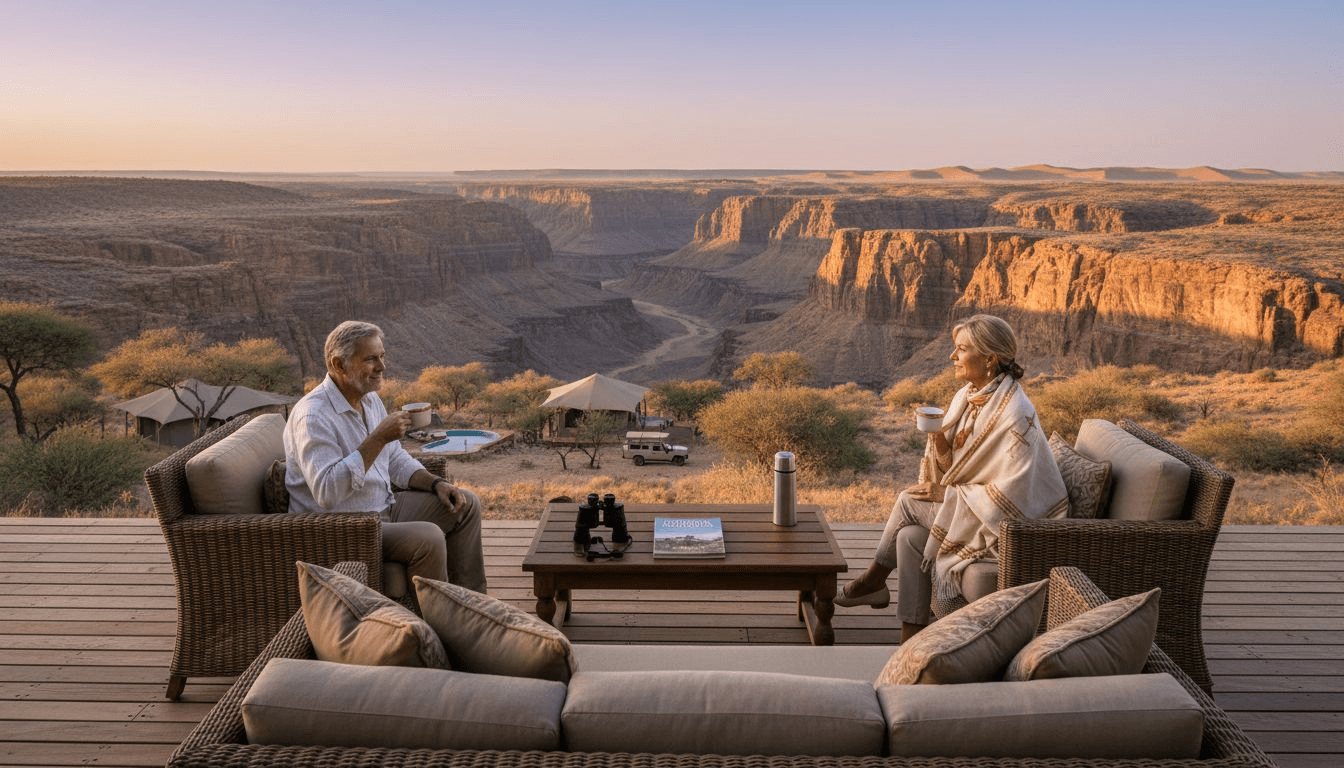
Over 160 kilometres of ancient rock formations shape Fish River Canyon into Southern Africa’s largest canyon, creating a spectacle that rivals the famed Grand Canyon for awe and grandeur. For travelers from North America who crave luxury adventure with a south-african twist, this Namibian wonder promises remarkable geological narratives and wildlife rarely found elsewhere. Prepare for an immersive safari where exclusive lodges, world-class experiences, and breathtaking landscapes redefine your idea of a bespoke African escape.
Table of Contents
Fish River Canyon’s Geology and Origins
Luxury Safari Lodges and Accommodation
Unforgettable Hiking, Hot Springs, and Activities
Wildlife Encounters and Conservation Significance
Best Times, Costs, and Practical Planning
How Fish River Canyon Compares Globally
Key Takeaways
Point | Details |
|---|---|
Geological History | Fish River Canyon showcases a complex geological history involving tectonic shifts, glaciation, and ongoing erosion, making it a significant natural site. |
Biodiversity Conservation | The canyon is home to unique ecosystems with diverse wildlife, necessitating ongoing conservation efforts to protect these habitats. |
Luxury Accommodations | Visitors can enjoy premium lodges offering a blend of comfort and wilderness experiences, enhancing their connection to the natural environment. |
Optimal Visiting Conditions | The best time to visit is during the cooler, dry months from May to September for ideal hiking and wildlife viewing opportunities. |
Fish River Canyon’s Geology and Origins
The Fish River Canyon represents one of Southern Africa’s most extraordinary geological formations. Located in the harsh southern landscapes of Namibia, this immense geological marvel stretches approximately 160 kilometres in length, spanning up to 27 kilometres at its widest point and plunging an incredible 550 metres deep. Geological processes spanning hundreds of millions of years have sculpted this dramatic landscape into a testament of natural architectural complexity.
The canyon’s foundation lies in ancient metamorphic rock formations, specifically hard gneiss bedrock and horizontal dolomite strata. Tectonic plate movements dating back around 650 million years initiated the foundational geological transformations. Subsequent glaciation during the Karoo Ice Age approximately 300 million years ago and significant continental uplift roughly 60 million years ago further shaped the canyon’s distinctive twisting topology. These complex geological events resulted in a landscape characterised by dramatic rock layers, steep canyon walls, and a remarkable river system that continues to slowly erode the terrain.
Here is a summary of the main geological events shaping Fish River Canyon:
Event | Approximate Timing | Lasting Impact |
|---|---|---|
Tectonic plate shifts | 650 million years ago | Formation of bedrock base |
Karoo glaciation | 300 million years ago | Deepening and widening of valley |
Continental uplift | 60 million years ago | Emergence of steep canyon walls |
Ongoing river erosion | Present day | Shaping the current canyon form |
Beneath its rugged exterior, the Fish River Canyon harbours remarkable biodiversity. Conservation efforts protect the delicate ecological systems embedded within its geological landscape. The canyon consists of an upper and lower section, both declared national monuments in 1962, featuring a dry plateau populated with drought-resistant vegetation. This harsh environment supports unique plant and animal species adapted to survive in extreme conditions, making the canyon not just a geological wonder but also an ecological treasure.
Pro tip: When exploring the Fish River Canyon, bring high-quality geological field guides to understand the rock formations and carry robust hiking equipment designed for challenging terrain.
Luxury Safari Lodges and Accommodation
Discover the extraordinary world of luxury safari accommodations near Fish River Canyon, where wilderness meets unparalleled comfort. These premium lodges offer an immersive experience that transcends traditional travel, combining breathtaking natural landscapes with exceptional service and sophisticated amenities. Guests can expect meticulously designed private chalets and suites that blend seamlessly with the rugged Namibian environment, providing an intimate connection to the surrounding wilderness while maintaining the highest standards of comfort.
Each luxury lodge near Fish River Canyon represents a carefully curated experience tailored to discerning travellers. Accommodations typically feature climate-controlled tented suites with expansive en-suite bathrooms, private decks overlooking dramatic landscapes, and exclusive amenities such as swimming pools, gourmet dining experiences, and personalised wildlife viewing opportunities. These lodges understand that luxury is not just about opulence, but about creating transformative moments that connect guests with the extraordinary natural environment of Namibia.
Nearby lodges offer a range of exclusive wilderness experiences designed to showcase the unique ecosystem of the Fish River Canyon region. From guided hiking expeditions along the canyon’s ancient trails to intimate wildlife photography sessions and stargazing experiences, these accommodations provide more than just a place to sleep – they offer a gateway to understanding the profound beauty of Namibia’s landscapes. Professional guides, many with generations of local knowledge, ensure that every guest receives a deeply personalised and enriching safari experience.
Pro tip: Book your luxury lodge well in advance and request a canyon-view suite to maximise your immersive wilderness experience.
Unforgettable Hiking, Hot Springs, and Activities
The Fish River Canyon offers adventurers an extraordinary landscape of exploration, with the renowned 85-kilometre hiking trail standing as a premier wilderness experience. This challenging trek winds through dramatic geological formations, offering intrepid hikers an unparalleled opportunity to immerse themselves in Namibia’s most stunning natural terrain. Available only during the dry months from May to September, the trail demands physical fitness and careful preparation, rewarding participants with breathtaking vistas of ancient rock formations, diverse wildlife, and sweeping canyon landscapes.
Beyond hiking, the region offers diverse activities that complement the wilderness experience. The ǀAi-ǀAis hot springs resort, situated at the canyon’s lower end, provides a therapeutic respite for weary adventurers. Here, visitors can soak in natural thermal waters, allowing mineral-rich springs to soothe muscles after challenging canyon expeditions. These hot springs represent more than just a relaxation point – they are a geological wonder, offering insights into the region’s complex natural systems and providing a moment of tranquil reflection amidst the rugged landscape.
Adventure seekers can further enhance their experience by engaging with Namibia’s rich wildlife and conservation efforts. Interactive wildlife experiences near the canyon provide opportunities to learn about local ecosystems, endangered species, and conservation challenges. While not directly within the canyon, these educational encounters offer deeper understanding of Namibia’s unique biodiversity, complementing the physical challenges of hiking and the relaxation of hot springs with meaningful environmental insights.
Pro tip: Pack lightweight, moisture-wicking clothing and invest in high-quality hiking boots with excellent ankle support to navigate the challenging terrain of Fish River Canyon.
Wildlife Encounters and Conservation Significance
The Fish River Canyon region serves as a critical habitat for Namibia’s extraordinary wildlife, hosting a remarkable diversity of species uniquely adapted to the harsh desert landscape. Namibian wildlife conservation encompasses a range of remarkable creatures, including desert-adapted elephants, elusive black rhinos, majestic lions, and swift cheetahs. The canyon’s ecosystem represents more than just a geographic feature – it is a living, breathing sanctuary that supports complex ecological interactions and provides crucial corridors for wildlife movement.
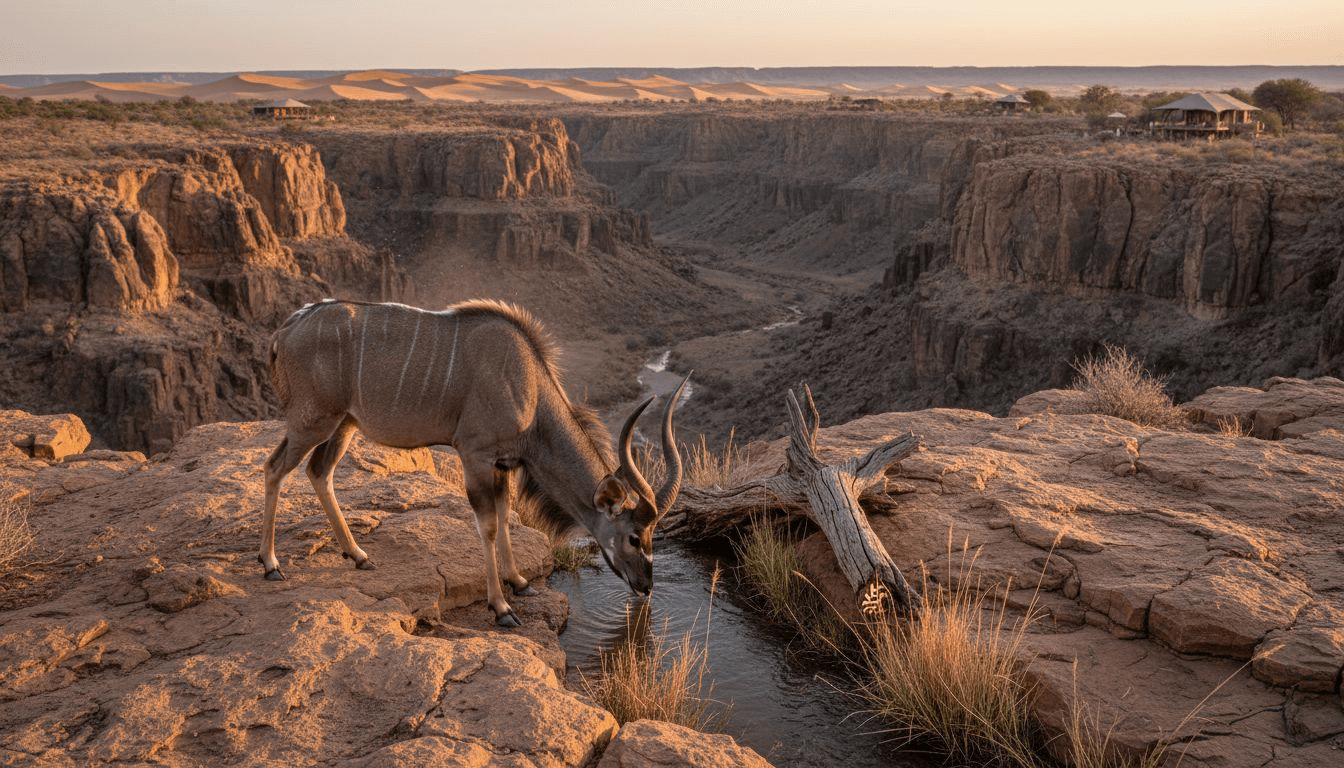
As part of the ǀAi-ǀAis/Richtersveld Transfrontier Park, the Fish River Canyon plays a pivotal role in cross-border conservation efforts. The park’s significance extends beyond national boundaries, creating an interconnected habitat that allows wildlife to move freely and maintain genetic diversity. Local conservation strategies focus on community-based wildlife management, recognising that sustainable protection requires collaboration between ecological experts, local communities, and wildlife populations.
Namibia has pioneered innovative approaches to wildlife conservation through community wildlife conservancies that empower local communities to become active stewards of their natural environment. Since 1996, legislative changes have enabled communities to gain rights to natural resources, transforming traditional conservation models. These conservancies not only protect biodiversity but also create economic opportunities through eco-tourism, ensuring that wildlife conservation becomes a collaborative and mutually beneficial endeavour.
Pro tip: When visiting Fish River Canyon, engage with local guides who can provide deeper insights into the region’s wildlife and conservation efforts, supporting sustainable tourism practices.
Best Times, Costs, and Practical Planning
Planning a visit to Fish River Canyon requires strategic timing and careful preparation. Optimal travel seasons occur during the cooler, dry winter months from May to September, when hiking conditions are most favourable and wildlife viewing opportunities peak. During these months, the harsh summer temperatures are significantly reduced, making outdoor activities more comfortable and safe.
Cost considerations for a Fish River Canyon expedition vary widely depending on traveller preferences and comfort levels. Namibian travel options range from budget camping experiences to luxurious all-inclusive lodge packages, with prices reflecting the level of comfort and services provided. Hiking permits, guided tours, accommodation, and transportation all contribute to the overall expense. Budget-conscious travellers might opt for camping and self-guided experiences, while those seeking premium experiences can select high-end lodges with comprehensive service packages.
Practical preparation is crucial for a successful Fish River Canyon adventure. The hiking trail, open only from May to September, requires advance permit acquisition and careful logistical planning. Hikers must be physically fit, carry appropriate equipment, and prepare for challenging terrain. Essential preparations include booking accommodations well in advance, especially during peak season (July to November), arranging transportation, obtaining necessary permits, and packing appropriate clothing and hiking gear suited to the desert environment.
Pro tip: Book your hiking permits and accommodation at least six months in advance, and ensure you have comprehensive travel insurance that covers adventure activities in remote wilderness areas.
How Fish River Canyon Compares Globally
The Fish River Canyon stands as a remarkable geological marvel, ranking among the world’s most impressive canyons. As the largest canyon in Africa and considered the second largest globally, it stretches an incredible 160 kilometres in length, spans up to 27 kilometres in width, and plunges to depths of nearly 550 metres. While its dimensions are impressive, the canyon’s significance extends far beyond mere physical measurements, representing a unique ecosystem and geological testament that sets it apart from other global canyon formations.
In direct comparison with the Grand Canyon of the United States, Fish River Canyon offers a distinctly different yet equally captivating experience. The Grand Canyon measures approximately 446 kilometres long and reaches depths over 1,800 metres, making it substantially larger. However, Fish River Canyon’s unique desert landscape, complex geological history, and remarkable biodiversity create an unparalleled wilderness experience that distinguishes it from its North American counterpart. Where the Grand Canyon represents a more studied and frequently visited natural wonder, Fish River Canyon maintains a sense of raw, untouched wilderness that appeals to adventurers seeking more remote and less commercialised environments.
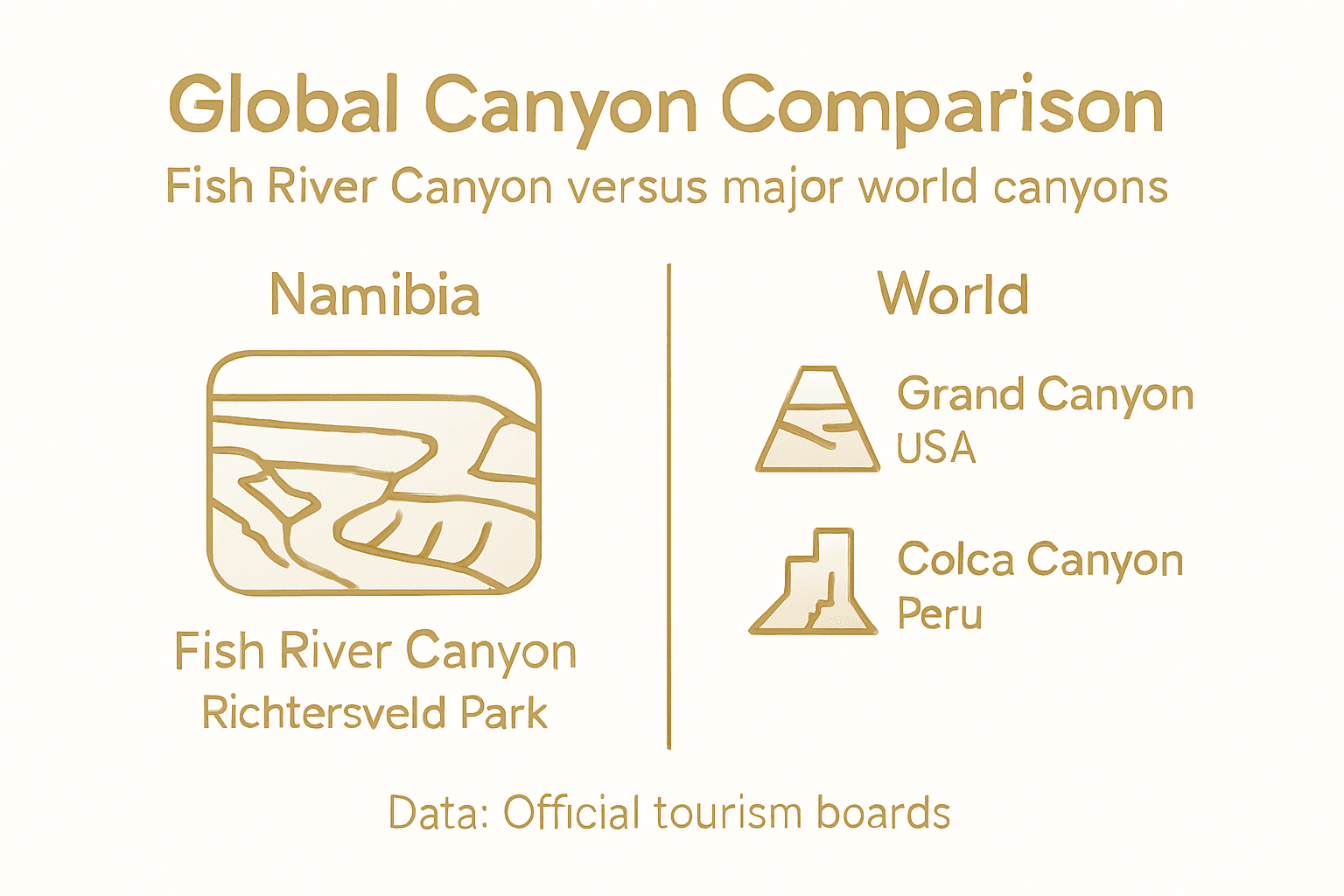
This table compares Fish River Canyon with other iconic global canyons:
Canyon | Country | Length (km) | Maximum Depth (m) |
|---|---|---|---|
Fish River Canyon | Namibia | 160 | 550 |
Grand Canyon | United States | 446 | 1,800 |
Blyde River Canyon | South Africa | 26 | 800 |
Colca Canyon | Peru | 70 | 3,270 |
Beyond size comparisons, Fish River Canyon embodies a unique geological narrative that reflects Namibia’s complex environmental history. Its formation through millions of years of geological processes, including tectonic movements, glaciation, and continuous river erosion, creates a landscape that tells a profound story of natural transformation. Unlike many global canyon systems that are primarily tourist attractions, Fish River Canyon remains a living ecosystem supporting diverse wildlife and representing critical conservation efforts. This multifaceted character elevates it from a mere geographical feature to a significant natural heritage site with global ecological importance.
Pro tip: When comparing global canyon destinations, consider not just size and geological features, but also the unique ecological and cultural contexts that make each canyon truly special.
Experience the Luxury and Adventure of Fish River Canyon with Secret Namibia
The stunning geological marvel of Fish River Canyon offers more than breathtaking views and challenging hikes it presents a unique challenge for travellers seeking a blend of rugged wilderness and refined comfort. The article highlights key pain points such as navigating the harsh terrain, securing the right permits, and finding luxury accommodations that truly complement the raw beauty of Namibia. At Secret Namibia, we understand these challenges and excel at crafting bespoke safari experiences that balance adventure with indulgence. Whether you want expertly guided hikes, access to exclusive luxury lodges, or private canyon-view suites, we tailor every detail to your desires.
Discover personalised planning supported by local insights that ensures you experience the Fish River Canyon’s geology, wildlife, and hot springs safely and memorably. Our offerings include all-inclusive options and customised itineraries designed for discerning travellers who crave authenticity paired with comfort. Let us take the guesswork out of your luxury escape and guide you through Namibia’s wonders with confidence.
Step into the grandeur of Namibia’s most iconic natural landmark and elevate your journey today.
Ready to explore Fish River Canyon like never before Choose luxury safari experiences that combine expert support with authentic adventure. Visit Secret Namibia now to start planning your exclusive escape and secure your place in this unforgettable wilderness.
Frequently Asked Questions
What geological processes shaped Fish River Canyon?
Fish River Canyon was shaped by tectonic plate movements around 650 million years ago, glaciation during the Karoo Ice Age approximately 300 million years ago, and significant continental uplift roughly 60 million years ago, leading to its dramatic landscape.
When is the best time to hike Fish River Canyon?
The optimal time to hike Fish River Canyon is during the dry winter months from May to September when the weather conditions are more favorable for outdoor activities and wildlife viewing.
What activities can I participate in at Fish River Canyon?
Activities at Fish River Canyon include hiking the renowned 85-kilometre trail, soaking in the therapeutic hot springs at ǀAi-ǀAis, and engaging in wildlife interactions that educate visitors about local ecosystems and conservation efforts.
What should I pack for a trip to Fish River Canyon?
Visitors should pack lightweight, moisture-wicking clothing, high-quality hiking boots with excellent ankle support, hiking gear, and any necessary permits. It’s also advisable to bring travel insurance covering adventure activities in remote areas.
Recommended
RELATED
Safari Guides
Oct 30, 2025
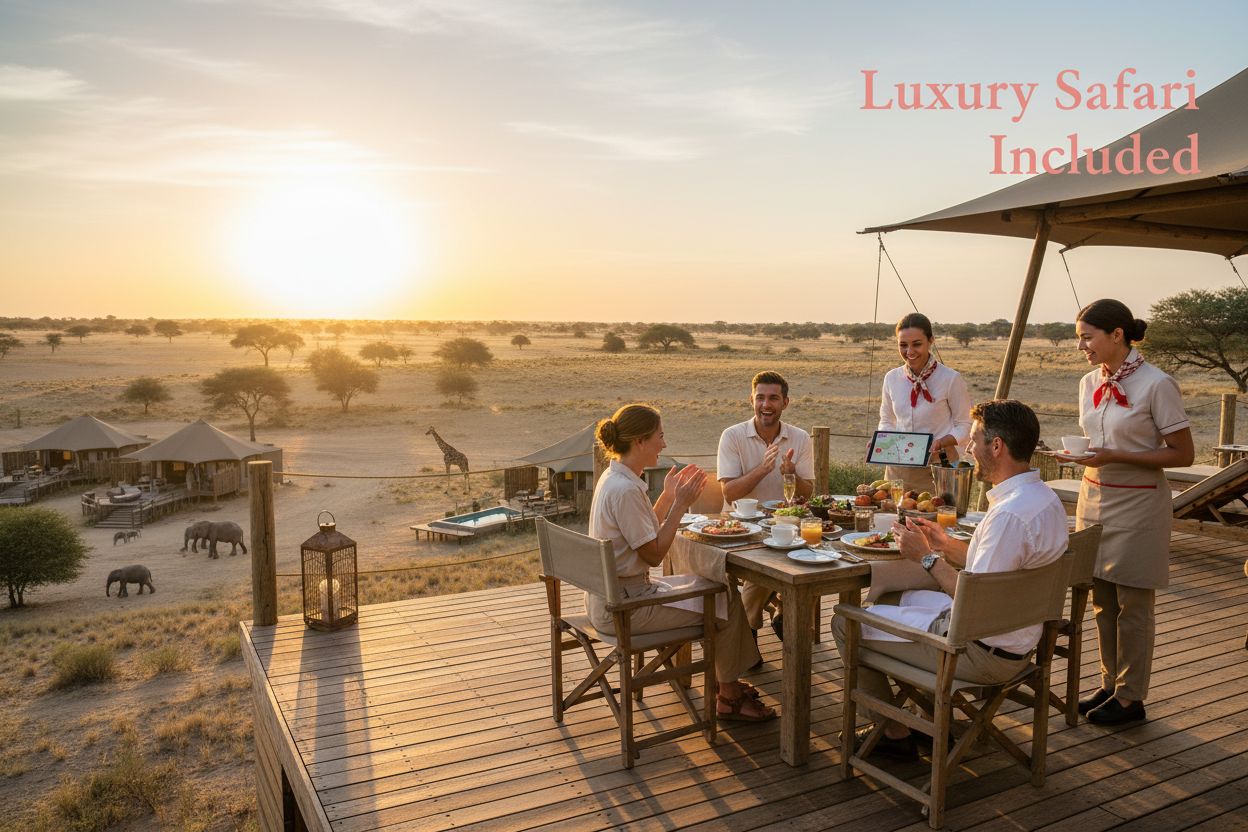
Understanding What is Included in Luxury Safaris
Explore what is included in luxury safaris, from exclusive accommodations to bespoke experiences that cater to discerning travelers.
Feb 24, 2026
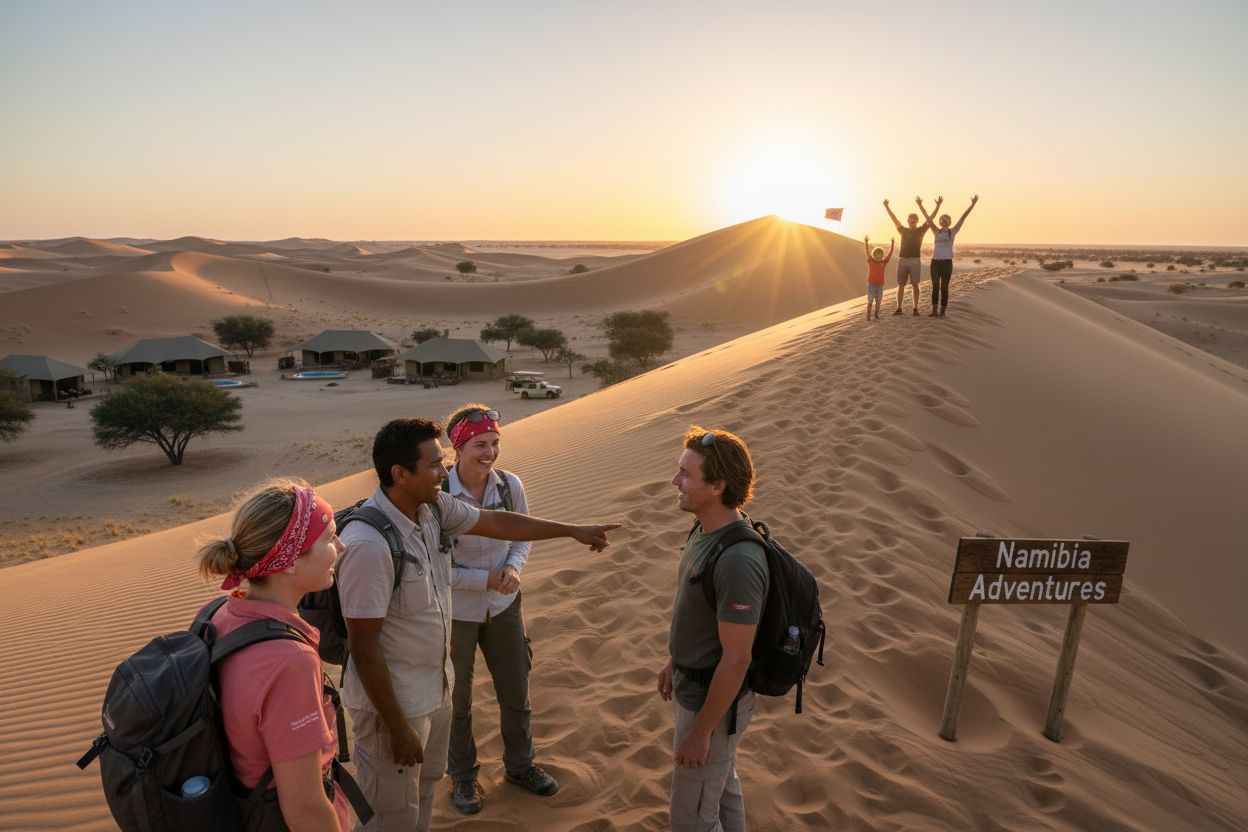
Why Namibia Adventures Matter: An In-Depth Look
Discover why Namibia adventures are essential for luxury travelers seeking unique, immersive experiences in nature and wildlife exploration.
Feb 23, 2026
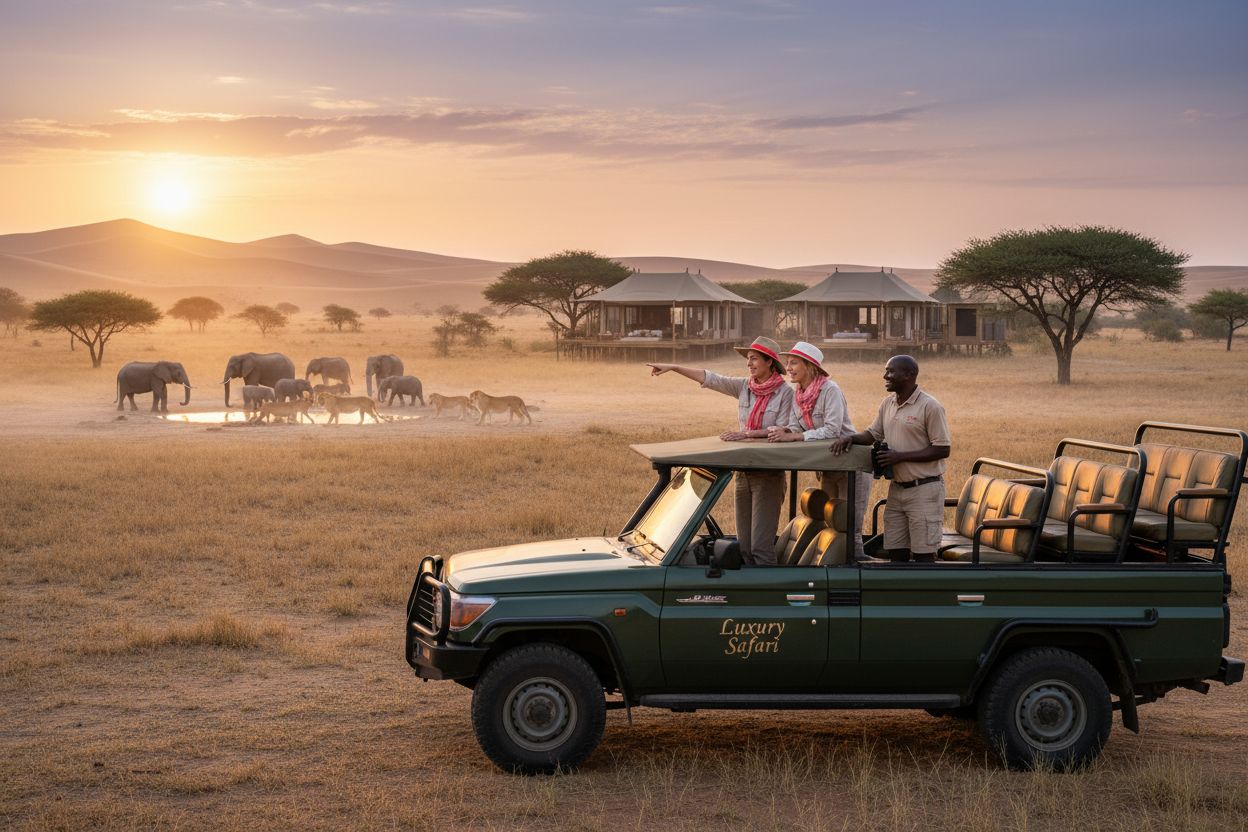
What to Expect on a Luxury Safari: A Comprehensive Guide
Discover what to expect on a luxury safari and gain a deeper understanding of the unique experiences that await you in the wild.
Feb 22, 2026
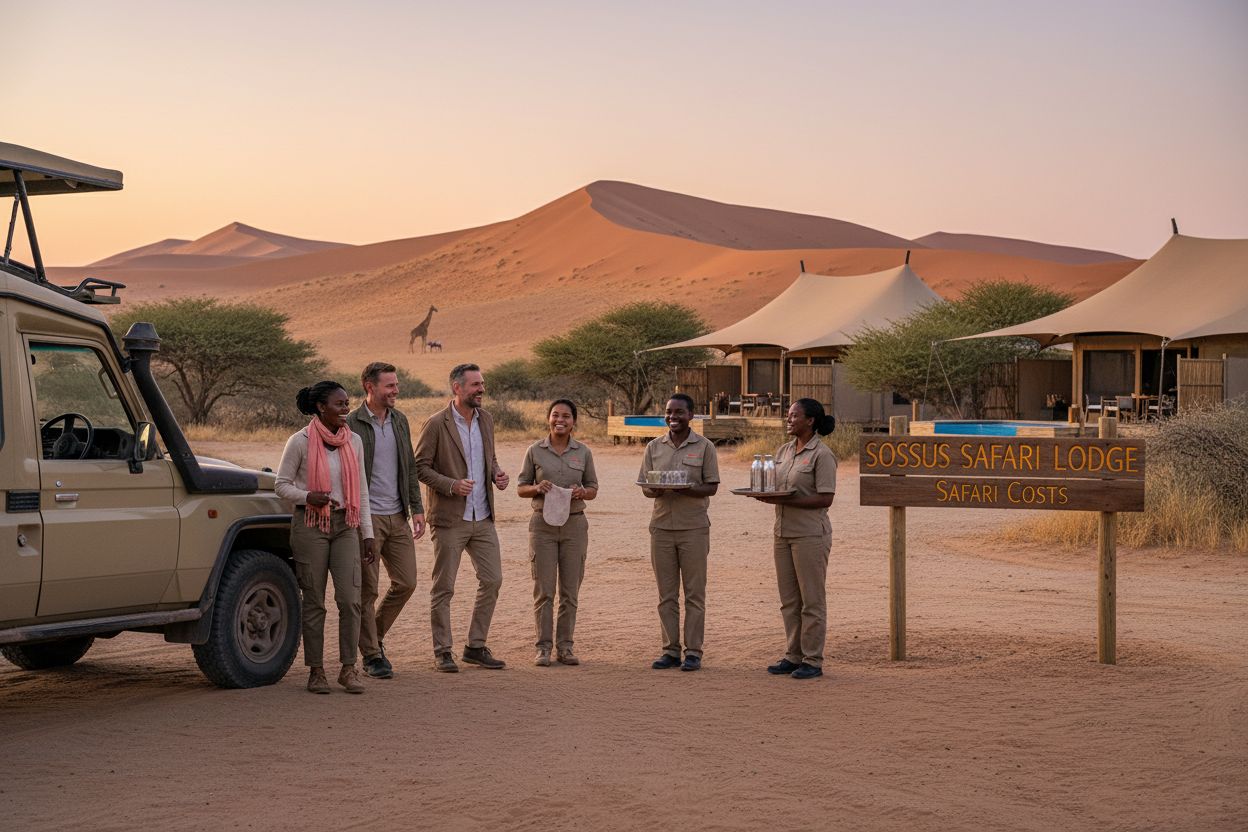
Understanding Namibia Safari Costs Explained
Explore Namibia safari costs explained to uncover what influences pricing and what it means for your adventure.
Feb 21, 2026
Understanding the Role of Safari Experts in Wildlife Travel
Explore the role of safari experts and gain a comprehensive understanding of how they enhance wildlife travel experiences for all types of travelers.
Feb 20, 2026
Guide organisation safari all inclusive : vivez l'aventure de vos rêves
Découvrez notre guide organisation safari all inclusive étape par étape pour planifier un voyage inoubliable au cœur de la nature.