
Mar 5, 2026
Discover how safari experts increase wildlife sightings by 50%, enhance safety, and create personalized luxury experiences across Southern Africa's premier destinations.
Why travel with a safari expert boosts sightings 50%
Over 65% of travelers on self-guided luxury safaris miss critical wildlife encounters, losing precisely what they came for. The difference between a fleeting glimpse and a transformative wildlife experience often comes down to expert guidance. Safari specialists don’t just drive; they interpret landscapes, predict animal behavior, and unlock authentic access to Southern Africa’s most extraordinary natural and cultural moments. Their knowledge transforms safaris from sightseeing into immersive adventure.
Table of Contents
Expert Knowledge And Wildlife Experience
Safety And Risk Management
Personalized Itinerary Design And Time Optimization
Authentic Cultural And Wildlife Interactions
Common Misconceptions About Traveling Without An Expert
Bridging Understanding To Practical Travel Decisions
Discover Bespoke Luxury Safaris With Secret Namibia
Key takeaways
Point | Details |
|---|---|
Expert knowledge | Specialists interpret animal behavior and habitat patterns, dramatically increasing rare wildlife sighting opportunities. |
Safety management | Accredited guides reduce accident risk by 60% through expert navigation, emergency protocols, and health documentation support. |
Personalized itineraries | Customized planning boosts satisfaction by 40% and allows dynamic daily adjustments up to 75% for optimal experiences. |
Cultural authenticity | Guides facilitate ethical wildlife viewing and meaningful community interactions unavailable to unguided travelers. |
Value optimization | Expert planning maximizes wildlife viewing time by 30% and corrects costly misconceptions about self-guided luxury travel. |
Expert knowledge and wildlife experience
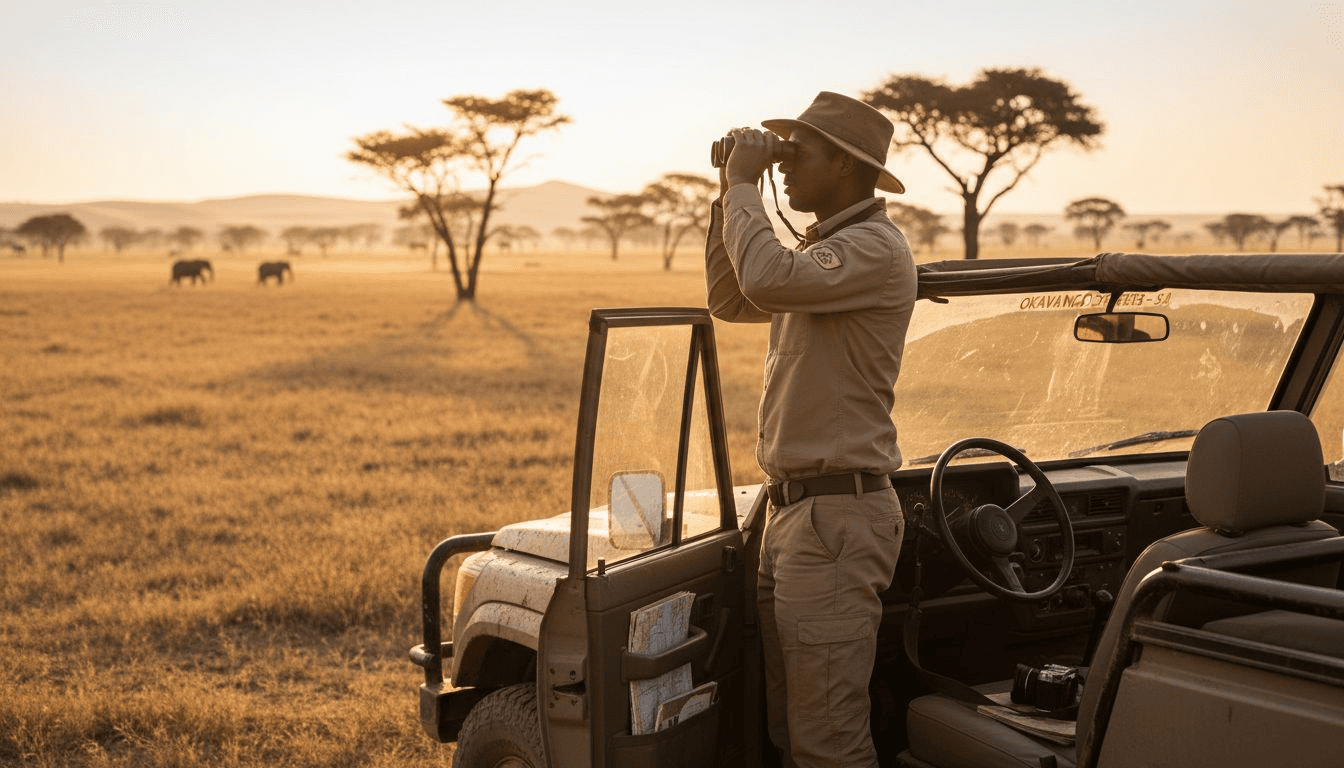
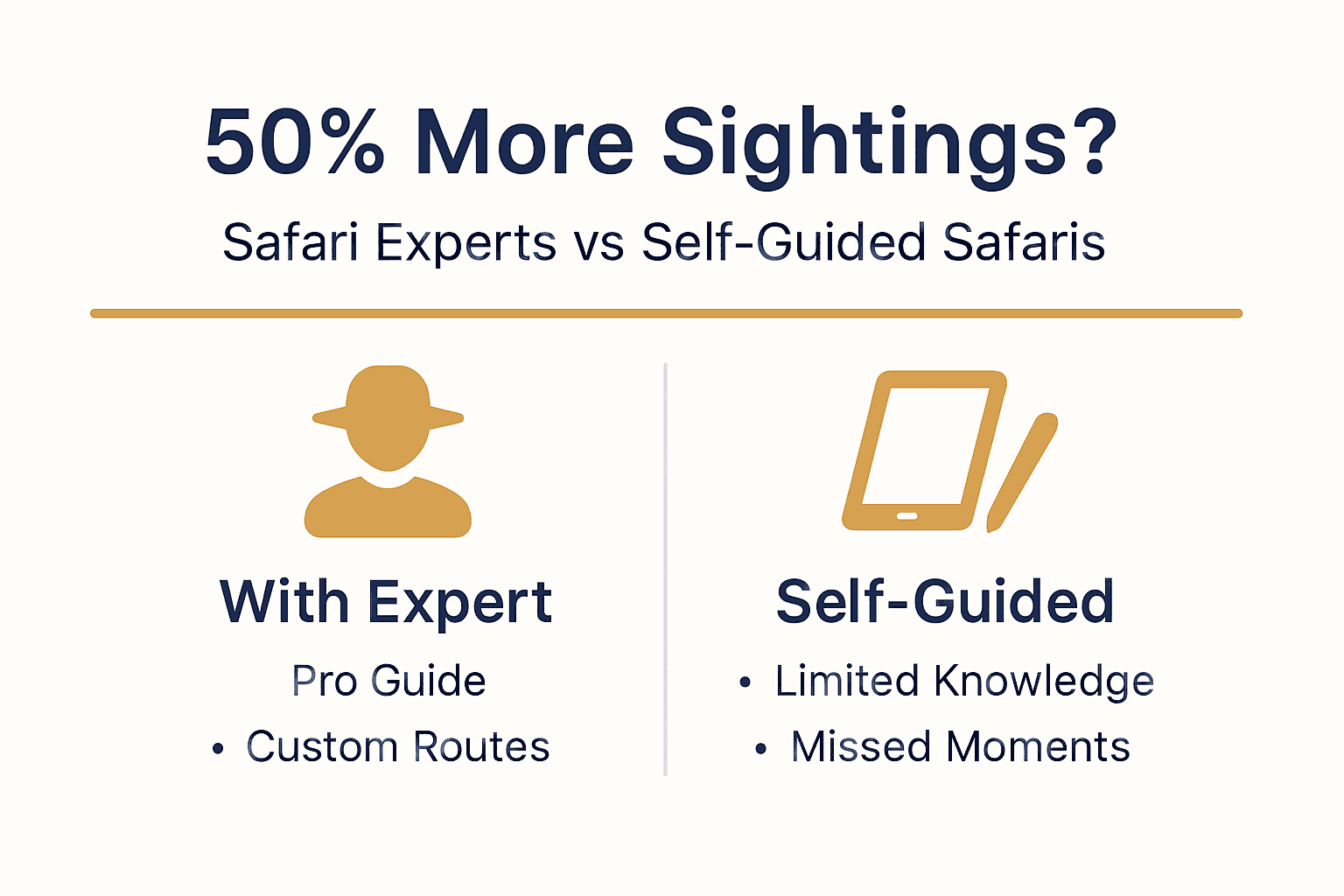
Safari experts increase wildlife spotting success rates by up to 50% compared to unguided tours. This dramatic difference stems from years of field training, intimate terrain knowledge, and daily wildlife tracking experience. Experts read subtle environmental cues that most travelers miss entirely.
Specialized guides possess deep understanding of animal behavior patterns, seasonal movements, and habitat preferences. They know where elephants gather during drought, when leopards emerge to hunt, and which waterholes attract the rarest antelope species. This wildlife behavior expertise transforms random drives into strategic wildlife encounters.
Trained specialists enhance safety during close animal interactions by predicting movements and advising on proper approach distances. They recognize warning signs in body language, preventing dangerous situations before they develop. Their presence allows you to focus entirely on the experience rather than worry about safety protocols.
Key advantages of expert wildlife guidance include:
Interpretation of tracks, calls, and environmental signs that reveal hidden animal locations
Real-time route adjustments based on fresh sightings and behavioral patterns
Knowledge of rare species habitats and optimal viewing times
Ability to position vehicles for best photography angles while respecting wildlife space
Enhanced understanding through detailed ecological and behavioral context
Pro Tip: Engage your expert early in trip planning to customize tracking strategies around your specific wildlife interests, whether big cats, rare birds, or elusive nocturnal species.
Experts adapt continuously to shifting wildlife patterns and individual guest preferences. If you express fascination with particular species, they’ll adjust routes and timing to maximize those specific encounters. This flexibility ensures every safari day delivers fresh discoveries aligned with your evolving interests.
Safety and risk management
Accredited safari guides reduce accidents by 60% compared to self-guided travelers navigating unfamiliar wilderness. This protection extends beyond wildlife encounters to encompass navigation, medical emergencies, and critical travel documentation. Expert oversight transforms potentially hazardous situations into confidently managed experiences.
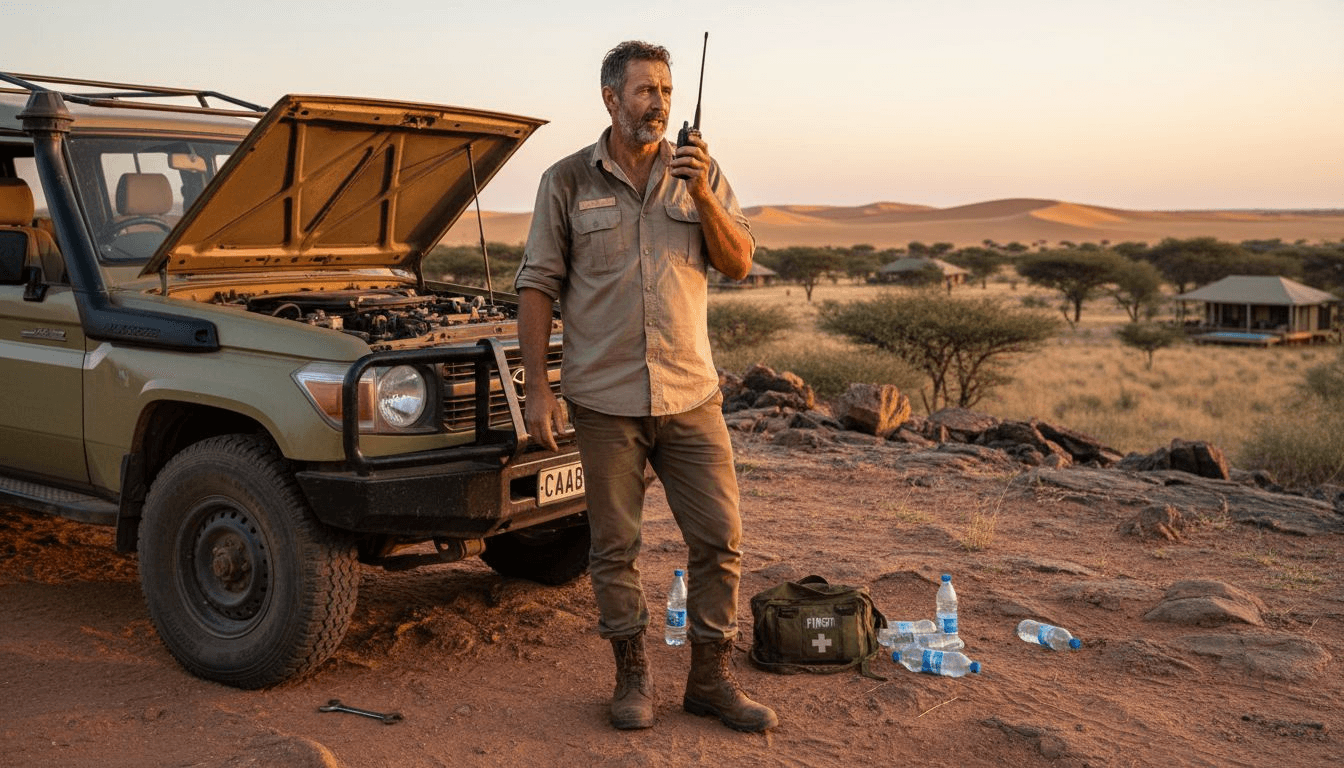
Remote safari regions present unique challenges: unmarked tracks, extreme weather, limited communication, and unpredictable terrain. Specialists navigate these obstacles daily, carrying emergency equipment and maintaining constant awareness of evacuation routes. Their preparedness provides peace of mind that allows full immersion in the adventure.
Experts manage complex health and visa protocols, reducing document-related delays by 80% through pre-travel planning and clear communication. They ensure proper vaccination documentation, border crossing requirements, and park permits are correctly arranged. This eliminates stressful surprises that derail carefully planned itineraries.
Comprehensive safety benefits delivered by safari experts:
Medical readiness with first aid certification, emergency supplies, and evacuation coordination protocols
Wildlife interaction expertise ensuring proper distance, approach angles, and retreat strategies
Terrain risk mitigation through vehicle capability assessment and route condition evaluation
Weather monitoring with contingency planning for sudden storms or temperature extremes
Communication systems maintaining contact with base operations and emergency services
Cultural protocol knowledge preventing unintentional offenses in local communities
Emergency coordination represents perhaps the most critical expert contribution. When medical issues, vehicle breakdowns, or unexpected wildlife encounters occur, specialists execute practiced response procedures. They maintain satellite communication, coordinate rescue services, and provide immediate care while help arrives.
The difference between self-drive and guided safaris becomes starkest during emergencies. Self-guided travelers often lack proper equipment, communication tools, and local knowledge to handle crises effectively. Expert support transforms potential disasters into managed inconveniences, protecting both safety and trip enjoyment.
Personalized itinerary design and time optimization
Safari experts craft bespoke itineraries tailored to individual wildlife interests, comfort preferences, photography priorities, and physical capabilities. This personalization extends far beyond selecting lodges and parks. Specialists consider optimal lighting for photography, guest energy levels throughout the day, and strategic sequencing that builds excitement progressively.
Expert-led safaris achieve 40% higher guest satisfaction through customization and deliver 30% more actual wildlife viewing time compared to generic itineraries. This efficiency stems from eliminating wasted travel, strategic timing around animal activity patterns, and insider access to productive locations.
Dynamic itinerary adaptation represents a crucial expert advantage. Specialists adjust plans up to 75% daily based on fresh wildlife intelligence, weather conditions, guest feedback, and emerging opportunities. If rare species appear unexpectedly or conditions favor particular activities, experts pivot immediately to capitalize.
Steps experts follow to create truly customized safari experiences:
Comprehensive needs assessment covering wildlife priorities, comfort requirements, activity preferences, and any physical limitations
Route optimization balancing must-see destinations with hidden gems, optimal travel distances, and strategic timing
Lodge selection matching luxury expectations, location advantages, and unique experiential offerings
Activity sequencing that builds anticipation while managing energy levels and avoiding repetition
Real-time adjustment protocols allowing flexible response to opportunities and changing conditions
Contingency planning for weather, wildlife movements, and unexpected closures or opportunities
Pro Tip: Collaborate closely with your expert during initial planning conversations to unlock hidden gems and exclusive experiences they rarely advertise publicly but reserve for engaged, curious travelers.
This personalized approach to bespoke African safaris ensures every day feels purposeful rather than formulaic. You’re not following a rigid schedule but rather flowing with natural rhythms, wildlife patterns, and your own evolving interests. The result feels spontaneous yet expertly orchestrated.
Authentic cultural and wildlife interactions
Safari guides ensure ethical wildlife viewing that respects animal welfare, supports conservation, and minimizes environmental disturbance. They maintain proper distances, limit vehicle numbers at sightings, and avoid behaviors that stress wildlife. This responsible approach protects the very ecosystems that make safaris possible.
More than 85% of certified safari guides have formal conservation training ensuring minimal environmental impact during every interaction. Their education covers ecosystem dynamics, species protection status, and sustainable tourism practices. This knowledge translates into experiences that enrich rather than exploit natural resources.
Experts provide access to local communities and cultural insights completely unavailable to unguided travelers. They facilitate authentic interactions with indigenous groups, artisan cooperatives, and conservation projects. These connections offer profound cultural understanding that transforms safaris from wildlife viewing into holistic regional immersion.
Aspect | Expert-guided safari | Unguided safari |
|---|---|---|
Environmental impact | Minimal footprint through trained protocols | Higher risk of habitat disturbance |
Cultural access | Authentic community interactions and context | Limited to tourist-facing experiences |
Guest immersion depth | Deep educational context and storytelling | Surface-level observations |
Conservation contribution | Direct support through ethical practices | Uncertain or potentially negative |
Ethical wildlife viewing | Strict adherence to welfare guidelines | Inconsistent or unknowing violations |
Key elements of authentic expert-facilitated interactions:
Conservation education explaining ecosystem relationships, species threats, and protection efforts
Cultural protocol adherence ensuring respectful engagement with local communities and sacred sites
Environmental footprint reduction through waste management, fuel efficiency, and low-impact camping
Storytelling that connects wildlife sightings to broader ecological and cultural narratives
Economic benefit distribution supporting local guides, artisans, and community conservation initiatives
Luxury travelers increasingly value meaningful experiences over passive observation. Research shows 90% of affluent safari guests prioritize cultural immersion enabled by expert guides who bridge language barriers, explain traditions, and facilitate genuine connections. These interactions transform trips from vacations into life-changing cultural exchanges.
The real advantages of booking with safari experts become most apparent in these intimate moments. You’re not just seeing wildlife; you’re understanding its place in complex ecosystems and human communities. This depth elevates luxury safaris from indulgence to enlightenment.
Common misconceptions about traveling without an expert
Many affluent travelers believe luxury safaris don’t require expert planning because high-end lodges provide sufficient guidance. This misconception leads to missed encounters affecting up to 65% of self-guided travelers. Premium accommodation alone cannot replicate the strategic wildlife tracking, safety protocols, and cultural access that trained specialists deliver.
The myth that guides merely drive vehicles severely underestimates their multifaceted roles. Safari experts function as naturalists, safety managers, cultural interpreters, photographers, educators, and logistical coordinators simultaneously. Their value extends far beyond transportation to encompass the entire experiential ecosystem.
Some travelers assume expert services primarily add cost without proportional value. In reality, specialists save significant time through efficient routing, prevent costly mistakes in documentation or safety, and dramatically increase wildlife encounter quality. The premium investment typically returns multiples in enhanced experience value and avoided problems.
Factor | Expert-guided approach | Self-guided approach |
|---|---|---|
Wildlife encounter success | 50% higher sighting rates | Significantly lower success |
Safety incident risk | 60% reduction with accredited guides | Elevated risk levels |
Trip satisfaction | 40% higher through customization | Generic experience quality |
Cultural access depth | Authentic community connections | Limited tourist interactions |
Time efficiency | 30% more wildlife viewing time | Wasted travel and poor timing |
Emergency response | Professional protocols and equipment | Limited capability |
Common pitfalls facing self-guided luxury safari travelers:
Logistical errors in park permits, border crossings, and accommodation timing
Safety risks from inadequate wildlife knowledge and emergency preparedness
Lost cultural context missing the stories behind landscapes and communities
Poor timing resulting in empty waterholes, closed viewing areas, or unfavorable conditions
Missed rare sightings due to inability to read animal signs or habitat patterns
Document delays causing border problems or park access denial
The choice between self-drive and guided safaris ultimately determines whether you maximize or squander your investment. Self-guided approaches suit experienced Africa travelers on repeat visits to familiar areas. First-time visitors and those seeking optimal wildlife experiences gain exponentially more through expert partnership.
Recognizing these misconceptions early in planning prevents disappointing outcomes. The question isn’t whether you can afford expert guidance, but whether you can afford to travel without it when so much depends on specialized knowledge.
Bridging understanding to practical travel decisions
Selecting the right safari expert requires evaluating five core criteria: safety credentials, personalization capability, wildlife and conservation expertise, cultural sensitivity, and adaptive flexibility. These factors collectively determine whether your specialist delivers transformative experiences or merely acceptable service.
The expert safari guide value framework helps assess potential partners systematically. Safety encompasses certification, insurance, emergency protocols, and vehicle condition. Personalization measures willingness to customize rather than follow standard itineraries. Expertise covers wildlife knowledge, conservation training, and regional familiarity. Cultural care evaluates respect for communities and ethical practices. Adaptability tests flexibility in responding to opportunities and challenges.
Key decision points when evaluating safari specialists:
Certification matters significantly. Verify guides hold recognized professional qualifications from bodies like the Field Guides Association of Southern Africa. These credentials ensure minimum training standards in first aid, wildlife knowledge, and ethical practices.
Customization ability separates exceptional experts from adequate ones. Ask specific questions about itinerary flexibility, daily adjustment capacity, and willingness to pursue your particular interests. Generic responses suggest formulaic rather than bespoke approaches.
Conservation focus indicates ethical commitment and deeper expertise. Specialists passionate about protection typically possess superior ecological knowledge and facilitate more meaningful wildlife interactions. Their enthusiasm enhances your educational experience.
How to select your ideal safari expert:
Assess credentials including professional certifications, years of field experience, and specialized training in your priority areas
Review customization examples requesting specific past itineraries adapted to unique client requests similar to yours
Confirm conservation and ethical training through questions about species protection, community relationships, and sustainable practices
Evaluate communication style and adaptability during initial conversations noting responsiveness and genuine engagement
Weigh total value against price considering time saved, safety provided, experiences enabled, and stress eliminated
Request references from past clients with similar travel styles and priorities
Engage experts early during trip planning, ideally six to twelve months before travel. This timeline allows optimal lodge availability, careful itinerary refinement, and proper documentation preparation. Early collaboration also builds rapport, helping specialists understand your preferences deeply.
The advantages of booking with qualified safari experts compound throughout your journey. Initial planning sets the foundation, but ongoing expert presence delivers continuous value through interpretation, safety, and spontaneous opportunity capture. Understanding differences between self-drive and guided options clarifies when expert partnership matters most.
Choosing the right specialist transforms your safari from pleasant vacation into profound, life-enriching adventure. The investment in expertise pays dividends in safety, satisfaction, and memories that endure far beyond typical travel experiences.
Discover bespoke luxury safaris with Secret Namibia
Transform these insights into unforgettable reality through Secret Namibia’s expertly crafted safari experiences. Our specialists combine decades of field knowledge with genuine passion for Southern Africa’s wildlife and cultures, designing luxury Namibia safaris tailored precisely to your vision.
We handle every detail from initial consultation through final farewell, ensuring seamless experiences that exceed expectations. Our commitment to sustainable practices and authentic cultural engagement means your adventure supports conservation while delivering unmatched luxury. Early booking secures premium wildlife encounters and optimal seasonal timing.
Discover how expert partnership maximizes safari experiences while protecting what makes these regions extraordinary. Connect with our team to begin crafting your personalized luxury wildlife experience today.
Frequently asked questions
What qualifications should I look for in a safari expert?
Seek guides certified by recognized bodies like the Field Guides Association of Southern Africa, with first aid training, minimum three years field experience, and specialized knowledge in your priority wildlife or regions. Conservation training and language capabilities add significant value.
How early should I engage a safari expert for planning?
Begin conversations six to twelve months before your intended travel dates. This timeline ensures optimal lodge availability, allows thorough itinerary customization, and provides adequate time for documentation preparation and specialist relationship building.
Can traveling with a safari expert guarantee rare wildlife sightings?
While no ethical guide guarantees specific sightings due to wildlife unpredictability, experts increase rare encounter probability dramatically through habitat knowledge, behavioral understanding, and strategic timing. Their expertise maximizes your chances significantly compared to unguided approaches.
Are expert-led safaris suitable for repeat safari travelers seeking new experiences?
Absolutely. Experienced specialists excel at designing fresh itineraries for repeat visitors, accessing lesser-known regions, pursuing specific species, or focusing on photography, conservation, or cultural dimensions you haven’t explored previously.
How do experts handle unexpected travel disruptions during a safari?
Trained specialists maintain emergency communication systems, carry comprehensive medical and mechanical supplies, coordinate with local networks for rapid assistance, and execute practiced contingency protocols. Their preparation transforms potential crises into managed situations with minimal trip impact.
Recommended
RELATED
Safari Guides
Oct 30, 2025
Understanding What is Included in Luxury Safaris
Explore what is included in luxury safaris, from exclusive accommodations to bespoke experiences that cater to discerning travelers.
Feb 24, 2026
Why Namibia Adventures Matter: An In-Depth Look
Discover why Namibia adventures are essential for luxury travelers seeking unique, immersive experiences in nature and wildlife exploration.
Feb 23, 2026
What to Expect on a Luxury Safari: A Comprehensive Guide
Discover what to expect on a luxury safari and gain a deeper understanding of the unique experiences that await you in the wild.
Feb 22, 2026
Understanding Namibia Safari Costs Explained
Explore Namibia safari costs explained to uncover what influences pricing and what it means for your adventure.
Feb 21, 2026
Understanding the Role of Safari Experts in Wildlife Travel
Explore the role of safari experts and gain a comprehensive understanding of how they enhance wildlife travel experiences for all types of travelers.
Feb 20, 2026
Guide organisation safari all inclusive : vivez l'aventure de vos rêves
Découvrez notre guide organisation safari all inclusive étape par étape pour planifier un voyage inoubliable au cœur de la nature.