
Mar 10, 2026
Discover the true meaning of sundowners on safari in Southern Africa. Learn cultural significance, regional variations, and how to participate respectfully in this transformative ritual.
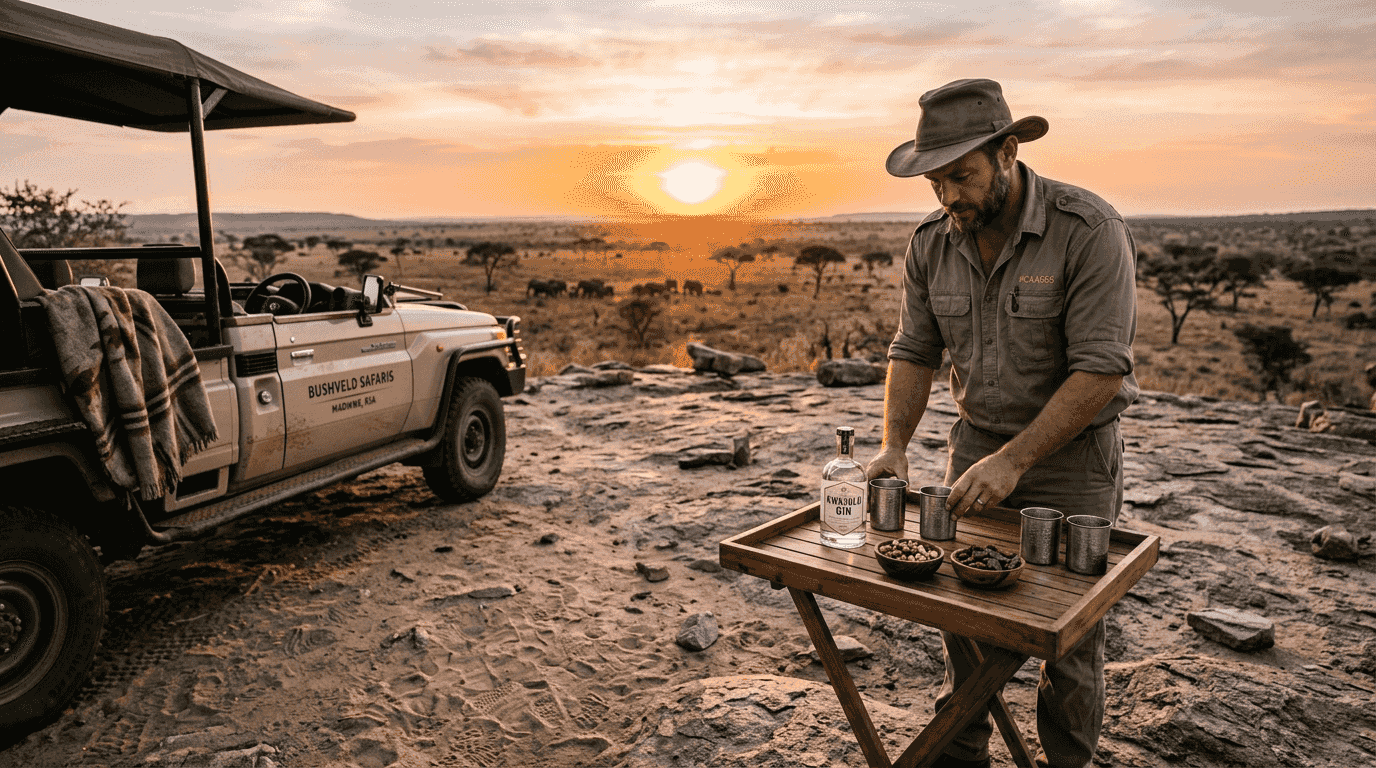
What is the sundowner tradition: your safari guide
If you think sundowners are just sunset cocktails, you’re missing the heart of safari culture. This centuries-old Southern African ritual blends timing, storytelling, and local hospitality into moments that transform ordinary evenings into profound connections with landscape and community. Understanding what sundowners truly represent elevates your safari from tourist experience to cultural immersion.
Table of Contents
Introduction To The Sundowner Tradition
The Cultural Significance Of Sundowners
Typical Sundowner Experiences And Variations
Common Misconceptions About Sundowners
Planning And Participating In Sundowners Responsibly
Why Sundowners Are Essential To Safari Adventures
Explore Luxury Safari Experiences With Secret Namibia
Key takeaways
Point | Details |
|---|---|
Cultural ritual | Sundowners are structured ceremonies combining precise timing, social bonding, and indigenous customs that enhance safari experiences. |
Regional diversity | Each Southern African country adapts the tradition with unique beverages, settings, and storytelling styles reflecting local heritage. |
Respectful participation | Proper planning ensures environmental care, wildlife safety, and authentic cultural appreciation during sundowner gatherings. |
Emotional enrichment | These gatherings create memorable social moments that deepen traveler connections to African landscapes and traditions. |
Introduction to the sundowner tradition
The sundowner tradition originated as a ritual during safari expeditions in Southern Africa, emerging from both colonial practices and indigenous customs. This ceremony involves gathering at a scenic location about 30 minutes before sunset to pause daytime activities and mark the transition to evening rest. Far beyond simple refreshment breaks, sundowners create structured moments for reflection on the day’s wildlife encounters and landscape observations.
Historically, safari guides used sunset timing to ensure safe return to camp before darkness made navigation dangerous. The ritual evolved to incorporate social bonding among travelers and guides, storytelling about local ecology and culture, and appreciation of dramatic light changes across African terrain. Modern safari operations preserve these elements while adapting them for contemporary travelers seeking authentic experiences.
The ceremony typically unfolds in three phases. First, guides select elevated viewpoints or water sources where wildlife activity peaks during golden hour. Second, participants gather for beverages and light snacks while guides share knowledge about the surrounding environment. Third, the group observes sunset together, often in reflective silence that deepens individual connections to the landscape.
Core components that define authentic sundowners include:
Precise timing aligned with sunset to capture optimal light and temperature
Scenic locations offering panoramic views of the day’s explored terrain
Local beverages reflecting regional ingredients and preparation methods
Guided storytelling connecting natural phenomena to cultural traditions
Respectful silence during peak sunset moments for personal reflection
Pro Tip: Ask your guide to explain the specific ecological significance of your sundowner location. Understanding why animals gather at that spot during evening hours transforms passive viewing into active learning that enriches your entire safari experience.
This structured approach distinguishes sundowners from casual sunset viewing. The ritual’s power lies in how it combines natural beauty with intentional community building and cultural education.
The cultural significance of sundowners
Sundowners function as social architecture that binds travelers, guides, and landscapes into shared experience. These gatherings create space for cultural exchange that rarely occurs during active game drives or lodge meals. 77% of local guides emphasize storytelling and cultural exchange as core components of sundowners, revealing how seriously professionals view this responsibility.
The ritual facilitates multiple layers of connection simultaneously. Travelers bond with each other through shared wonder at landscape beauty and wildlife stories from the day. Guides share knowledge systems passed down through generations, explaining how indigenous communities read weather patterns in sunset colors or interpret animal behavior at specific times. This knowledge transfer happens organically within the relaxed sundowner atmosphere, making complex ecological concepts accessible.
Storytelling during sundowners serves practical and emotional purposes. Guides often explain the medicinal properties of plants visible from the sundowner location, connect geological formations to creation stories from local cultures, or describe how seasonal migrations influence the very landscape travelers are observing. These narratives root abstract safari experiences in tangible cultural frameworks that enhance memory formation and emotional impact.
Local hospitality traditions shine during sundowner preparations and execution. Many guides incorporate preparation rituals their families have practiced for generations, from how they arrange seating to encourage conversation to specific blessing phrases spoken before the first sip. These small gestures carry profound meaning, transforming commercial safari activities into genuine cultural exchanges.
Key cultural functions sundowners fulfill include:
Creating neutral social space where hierarchy dissolves and authentic conversation flows
Transmitting indigenous ecological knowledge through informal storytelling
Demonstrating hospitality customs that reflect regional values and social norms
Marking psychological transitions from observation mode to reflection mode
Building trust between guides and travelers that enhances safety and learning throughout the safari
A local guide in Namibia explains: “When we share sundowners, we’re not just showing you beautiful views. We’re inviting you into our relationship with this land, teaching you to see it as we do, and trusting you to carry these stories respectfully.”
This depth of cultural significance explains why many safari veterans rank sundowner rituals among their most transformative travel moments. The tradition offers rare access to authentic cultural perspectives in ways passive tourism rarely achieves.
Typical sundowner experiences and variations
What you experience during a sundowner varies significantly based on location, operator, and regional traditions across Southern Africa. More than 90% of luxury safari packages in Namibia offer daily sundowners as signature experiences, reflecting how central this ritual has become to safari tourism in the region.
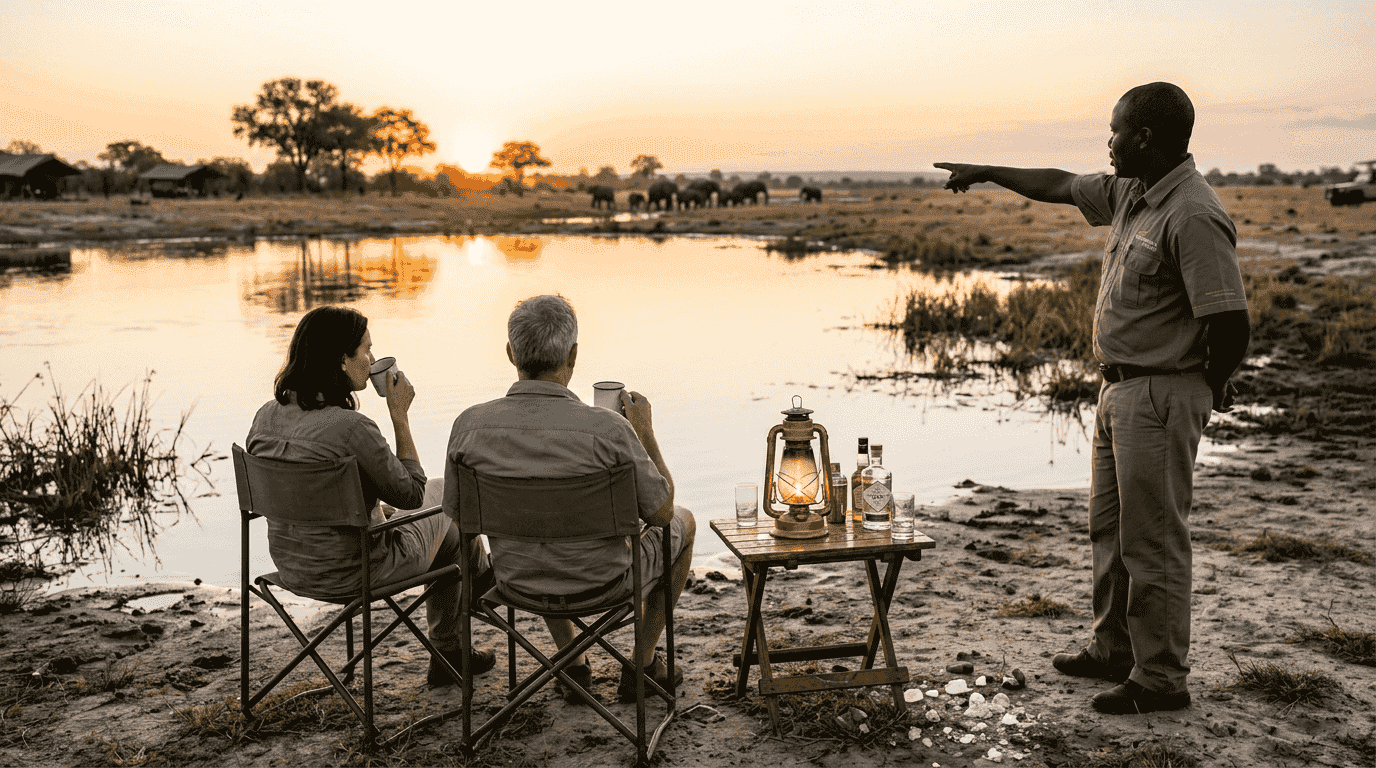
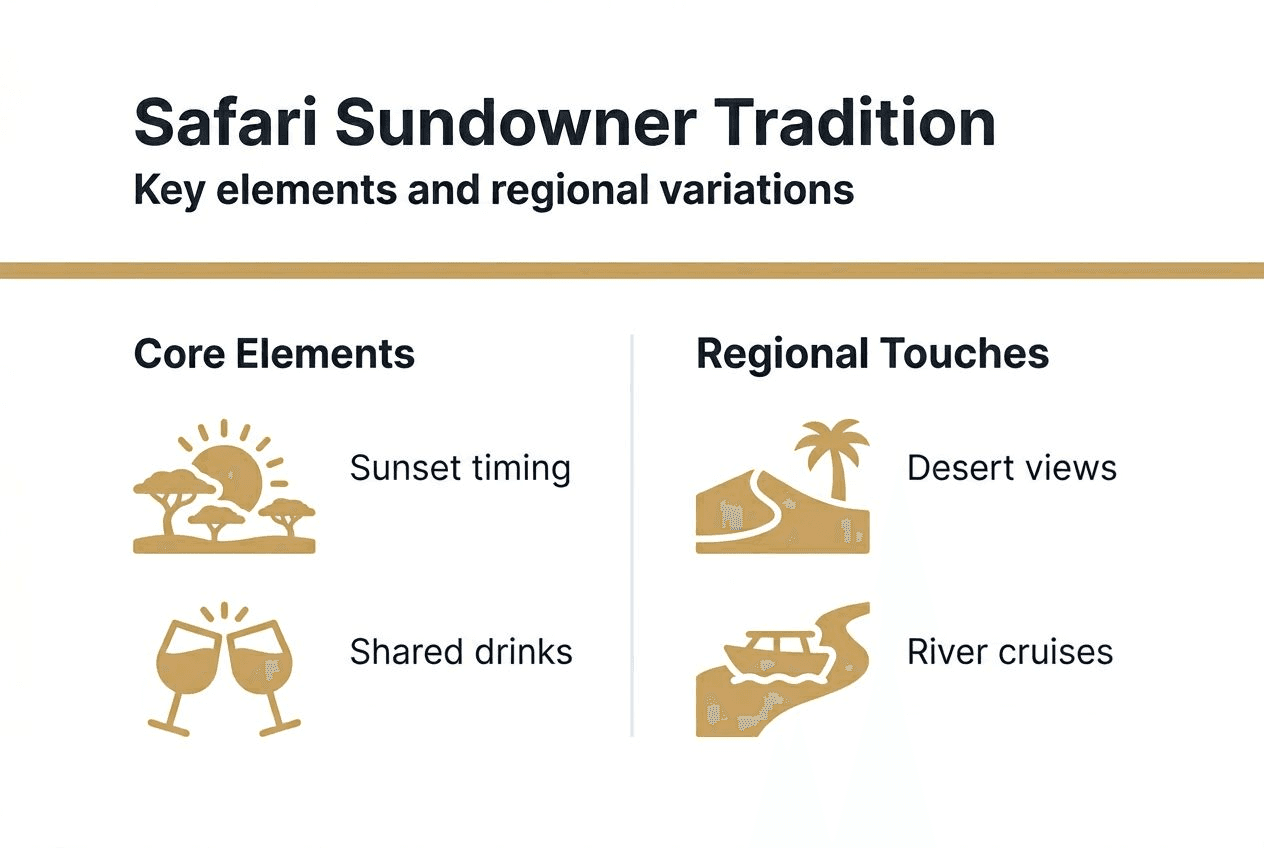
Core elements remain consistent across variations. Timing centers on the 30 minutes before official sunset when light quality peaks and temperatures moderate. Guides select locations offering expansive views, often elevated positions like dune crests, rocky outcrops, or riverbanks where wildlife congregates. Beverage service includes both alcoholic and non-alcoholic options, with snacks typically featuring local ingredients prepared using traditional methods.
Region | Typical Setting | Signature Beverages | Cultural Elements |
|---|---|---|---|
Namibia | Desert dunes, salt pans | Rooibos tea, Windhoek Lager | German-influenced snacks, desert survival stories |
South Africa | Savannah overlooks, river valleys | Amarula cocktails, Cape wines | Zulu or Xhosa music, bush poetry |
Botswana | Okavango waterways, mopane forests | Gin and tonic, bush tea | Mokoro navigation tales, flood cycle explanations |
Zimbabwe | Granite kopjes, Victoria Falls viewpoints | Zambezi beer, maheu | Shona proverbs, historical narratives |
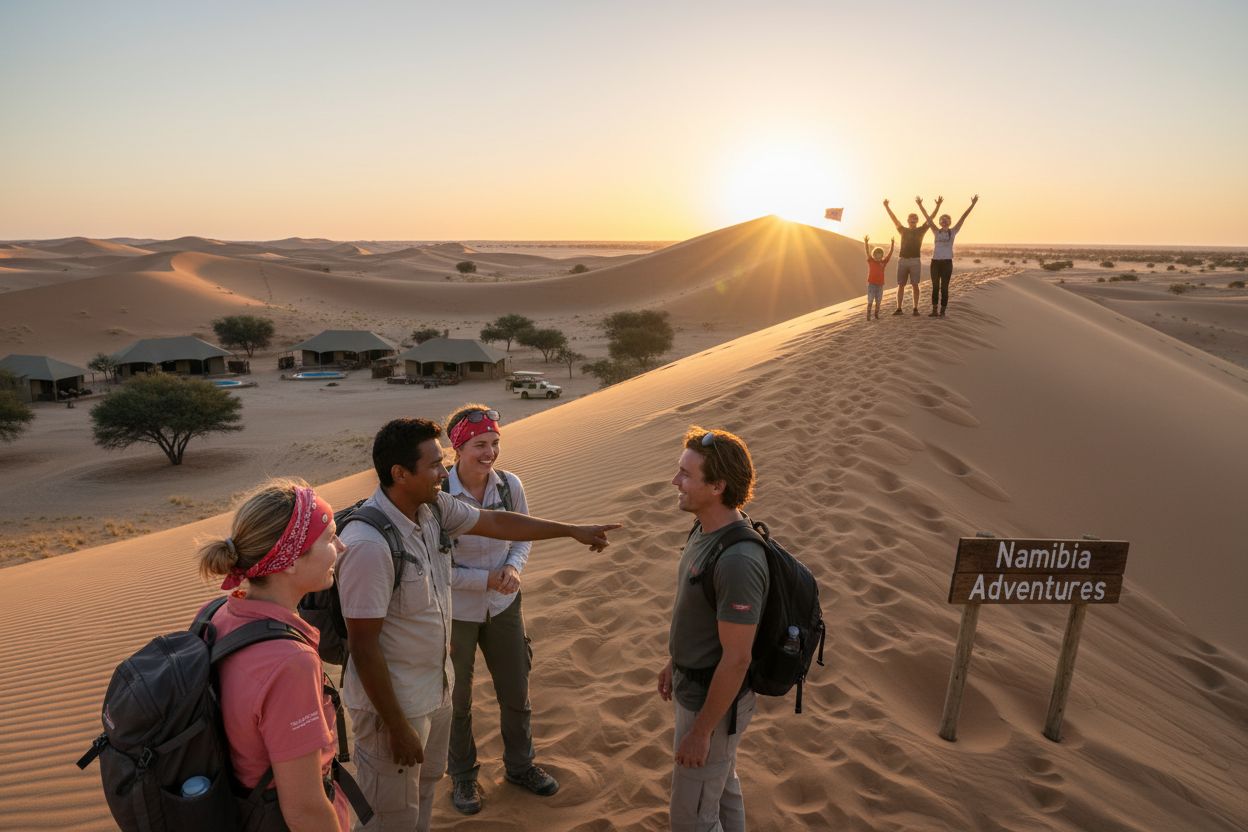
Namibia’s desert settings create distinctive sundowner atmosphics. The Namib Desert’s ancient dunes glow orange and purple during sunset, while absolute silence amplifies the experience’s contemplative quality. Guides often incorporate stories about desert-adapted species and geological timescales that dwarf human history, fostering humility and wonder simultaneously.
South African sundowners tend toward more elaborate setups with portable bars, extensive snack spreads, and sometimes live music. The country’s wine culture influences beverage selections, and guides frequently discuss how safari differences across Southern Africa reflect varied colonial histories and indigenous traditions.
Botswana emphasizes water-based sundowners along the Okavango Delta’s channels. Guides navigate traditional mokoro canoes to secluded islands where travelers can safely observe hippos and elephants during their evening routines. The intimacy of these settings encourages whispered conversations and heightened sensory awareness.
Beverage options beyond alcohol deserve attention. Rooibos tea holds cultural significance in Namibia, prepared according to family recipes passed through generations. Bush tea blends local herbs with specific medicinal properties guides explain during preparation. These non-alcoholic choices ensure sundowners remain inclusive and culturally authentic rather than alcohol-focused social hours.
Pro Tip: Research your destination’s top sundowner spots before arrival and request specific locations matching your interests. Guides appreciate travelers who engage thoughtfully with regional variations rather than treating all sundowners as identical experiences.
These regional differences reflect how the tradition adapts to local ecology, available resources, and cultural heritage. Understanding these variations helps you appreciate what makes each Southern African destination unique beyond wildlife differences alone.
Common misconceptions about sundowners
Many travelers arrive expecting sundowners to function primarily as drinking opportunities, missing the ritual’s deeper cultural and experiential dimensions. Local guides stress that sundowners are much more than just an opportunity to drink, focusing on cultural exchange and nature connection instead. Clarifying these misconceptions helps you participate more meaningfully and respectfully.
The most pervasive misunderstanding frames sundowners as party time after serious game viewing ends. This perspective trivializes the ceremony’s cultural significance and can lead to behavior that disrupts wildlife, offends guides, or diminishes other travelers’ experiences. Authentic sundowners maintain the safari’s contemplative quality while adding social and educational dimensions.
Another misconception assumes alcohol defines the experience. While beverages often include alcoholic options, many travelers choose traditional teas or local non-alcoholic drinks that carry equal cultural weight. Guides balance offerings to respect diverse preferences and religious considerations, ensuring everyone can participate fully regardless of alcohol consumption.
Some visitors expect elaborate entertainment or photo opportunities engineered for social media. Authentic sundowners prioritize genuine observation and reflection over performance. The most powerful moments often occur in silence as the group watches light transform familiar landscapes into something otherworldly, creating shared experience that needs no documentation to hold value.
Common misconceptions include:
Sundowners are casual happy hours rather than structured cultural ceremonies
Alcohol consumption is the primary purpose rather than an optional element
The tradition is purely commercial invention rather than having deep historical roots
Talking and socializing throughout trumps respectful observation of natural phenomena
All sundowners are identical regardless of location, guide expertise, or cultural context
Pro Tip: Watch your guide’s behavior during the sunset peak. Most will grow quiet and still, modeling the reverence appropriate for this transitional moment. Following their lead demonstrates cultural awareness and deepens your own experience.
Understanding what sundowners are not helps you appreciate what they genuinely offer. These gatherings represent intentional pauses in modern life’s relentless pace, invitations to witness natural beauty with full presence, and opportunities to learn from people whose livelihoods depend on deep landscape knowledge. Approaching them with this awareness transforms participation from passive consumption into active cultural exchange.
The tradition’s resilience across generations reflects its ability to fulfill human needs for community, meaning, and connection to natural cycles. Respecting its complexity and cultural significance ensures it continues benefiting both travelers and local communities who share this heritage.
Planning and participating in sundowners responsibly
Responsible sundowner participation requires attention to timing, location selection, environmental impact, and cultural sensitivity. Proper timing and environmental care during sundowners are critical to ensure safety and sustainability near wildlife. Following established protocols protects both participants and the ecosystems hosting these experiences.
Schedule sundowners to begin 30 to 45 minutes before official sunset for your location. This timing ensures adequate light for safe navigation back to camp while capturing optimal color transitions. Consult your guide about seasonal variations, as sunset timing shifts significantly throughout the year at different latitudes.
Select locations with clear sightlines for wildlife monitoring. Guides assess wind direction to avoid startling animals with human scent and choose elevated positions offering escape routes if unexpected wildlife approaches. Never pressure guides to use locations they deem unsafe regardless of photographic appeal.
Minimize environmental impact through zero-waste practices. Bring reusable containers for beverages and snacks, pack out all waste including organic materials that could attract animals or alter local ecology, and avoid disturbing vegetation or geological features for seating arrangements.
Request authentic local beverages and snacks rather than imported alternatives. This choice supports regional producers, reduces carbon footprint from transportation, and provides genuine cultural immersion. Ask guides to explain traditional preparation methods and cultural significance of specific items.
Engage with storytelling and cultural sharing by asking thoughtful questions and listening actively. Guides appreciate travelers who show genuine interest in ecological processes, indigenous knowledge systems, and how local communities interact with safari landscapes. Avoid interrupting sunset observation moments for conversation.
Respect wildlife observation protocols even during social gatherings. Maintain appropriate distance from animals, keep voices low to avoid altering natural behavior, and follow guide instructions immediately if situations change. Sundowners occur in wildlife habitats, not controlled environments.
Consider group dynamics when participating in shared sundowners. Be mindful of how your presence affects others’ experiences, avoid dominating conversation, and create space for quieter travelers to contribute. The ritual’s power comes from inclusive community building.
Pro Tip: Arrive at sundowner locations with an empty memory card and fully charged camera, but resist the urge to photograph constantly. Allocate the first 10 minutes purely to observation without devices, allowing your eyes to adjust and your mind to settle into the experience before documenting it.
These practices align with broader responsible safari approaches that balance human enjoyment with ecological preservation. Your choices during sundowners model behavior that either supports or undermines conservation efforts protecting the landscapes and wildlife that make these experiences possible.
Operators committed to sustainability integrate these principles into sundowner logistics automatically. When booking safaris, ask specific questions about waste management, local sourcing, and cultural sensitivity training for guides. Your patronage decisions influence how the tourism industry evolves. Supporting operators who prioritize responsible practices helps ensure sundowner traditions remain viable and beneficial for future generations of travelers and host communities.
Understanding how to maximize safari experiences through thoughtful participation creates reciprocal value. You gain deeper insights and more meaningful memories while contributing to economic and cultural systems that depend on tourism conducted with integrity and respect.
Why sundowners are essential to safari adventures
Sundowners occupy unique psychological and cultural space within safari experiences that explains their enduring popularity across generations of travelers. Traveler surveys show a 40% increase in satisfaction when sundowners are included in safari itineraries, quantifying what many describe as the emotional high point of their African adventures.
These gatherings create natural pause points that allow travelers to process and integrate the day’s experiences. Game drives deliver constant stimulation through wildlife sightings, guide narration, and changing landscapes. Sundowners provide essential decompression time where raw sensory input transforms into lasting memories through reflection and social sharing.
The ritual enhances emotional connection to African landscapes in ways passive observation cannot achieve. By marking sunset as significant rather than incidental, sundowners train attention on light quality, temperature shifts, and the daily rhythms governing wildlife behavior. This focused awareness builds intimate familiarity with place that persists long after safaris end.
Social bonding during sundowners often produces safari trips’ most cherished memories. Shared laughter over the day’s mishaps, collective awe at particularly dramatic sunsets, and stories exchanged between travelers from different backgrounds create human connections that equal wildlife encounters in emotional impact. Many travelers maintain friendships formed during these gatherings for years afterward.
Cultural appreciation deepens through sundowner participation in ways formal presentations cannot replicate. Learning occurs organically as guides share knowledge in response to spontaneous questions and observable phenomena. The informal setting encourages vulnerability and curiosity that structured educational sessions often inhibit.
Key reasons sundowners prove essential include:
They provide psychological transition from active observation to restful evening modes
The ritual creates memorable multi-sensory experiences combining visual beauty, social warmth, and cultural learning
Sundowners offer accessible entry points into complex ecological and cultural knowledge systems
They reinforce safari rhythms that align human schedules with natural cycles
The tradition demonstrates respect for place and culture that models sustainable tourism approaches
Guides frequently report that travelers who engage fully with sundowner traditions show greater environmental awareness throughout their safaris. The ritual’s emphasis on observation and respect influences how people interact with wildlife and landscapes during all activities, creating positive feedback loops that benefit conservation efforts.
For many travelers, sundowners represent everything safari tourism should be: authentic cultural exchange, profound natural beauty, educational value, and human connection unfolding simultaneously. These moments deliver the transformative experiences travelers seek when they invest significant resources in African adventures.
The tradition’s persistence across changing tourism trends speaks to fundamental human needs it fulfills. In an era of constant digital connectivity and hurried consumption, sundowners offer sanctioned permission to pause, observe, and simply be present. This countercultural quality makes them increasingly valuable as modern life accelerates.
Understanding sundowners’ essential role helps you prioritize them when planning safaris rather than treating them as optional extras. Operators who execute these rituals thoughtfully create hidden safari gems within already spectacular experiences, elevating good trips into life-changing journeys.
The ritual’s ability to condense so much value into 45 minutes explains why experienced Africa travelers consistently rank sundowners among their top recommendations for first-time safari goers. Few tourism activities deliver comparable return on time investment, combining education, beauty, culture, and community in a single, accessible package.
Explore luxury safari experiences with Secret Namibia
Secret Namibia crafts luxury safari itineraries where authentic sundowner traditions form daily highlights rather than occasional additions. Our expert guides understand these rituals’ cultural significance and environmental requirements, ensuring every gathering honors both heritage and habitat.
Each sundowner we facilitate reflects regional distinctiveness, from Namibia’s desert silence to carefully selected locations that showcase the landscape’s dramatic diversity. We source local beverages and snacks from community producers, ensuring your participation supports regional economies while delivering genuine cultural immersion.
Our approach to luxury wildlife experiences balances comfort with authenticity, creating sundowner moments that feel spontaneous despite careful planning. Guides tailor storytelling and educational content to group interests, whether you’re passionate about geology, indigenous culture, or wildlife behavior.

We limit group sizes to ensure intimate atmospheres where meaningful conversation flows naturally and every traveler can engage with guides personally. This attention to social dynamics transforms sundowners from photo opportunities into genuine cultural exchanges that deepen your connection to Southern Africa.
Let us design safari experiences that honor sundowner traditions while maximizing your enjoyment through expert logistics and cultural sensitivity. Contact our team to begin planning your Southern African adventure.
FAQ
What is the best time to enjoy a sundowner during safari?
Schedule sundowners approximately 30 minutes before official sunset to capture optimal light quality and ensure safe return to camp before darkness. This timing allows you to witness the full color transition while maintaining adequate visibility for navigation.
Are sundowners suitable for families with children?
Most sundowners accommodate families by offering non-alcoholic beverages like rooibos tea and adjusting activities for various age groups. Guides ensure safety protocols work for children while maintaining the experience’s educational and cultural value for all participants.
How can travelers participate in sundowners respectfully?
Follow your guide’s instructions regarding wildlife safety, timing, and cultural protocols throughout the gathering. Minimize environmental impact by managing waste properly, keep noise levels appropriate for wildlife observation, and engage genuinely with storytelling rather than treating it as background entertainment.
Do sundowner traditions differ across Southern African countries?
Yes, each country adapts sundowners to reflect local ecology and culture. Namibia favors desert settings with rooibos tea, while South Africa offers more elaborate cocktail options and riverside venues. Regional differences in storytelling styles and hospitality customs create distinctive experiences across Southern Africa.
Recommended
RELATED
Safari Guides

Oct 30, 2025
Understanding What is Included in Luxury Safaris
Explore what is included in luxury safaris, from exclusive accommodations to bespoke experiences that cater to discerning travelers.
Feb 24, 2026
Why Namibia Adventures Matter: An In-Depth Look
Discover why Namibia adventures are essential for luxury travelers seeking unique, immersive experiences in nature and wildlife exploration.

Feb 23, 2026
What to Expect on a Luxury Safari: A Comprehensive Guide
Discover what to expect on a luxury safari and gain a deeper understanding of the unique experiences that await you in the wild.
Feb 22, 2026
Understanding Namibia Safari Costs Explained
Explore Namibia safari costs explained to uncover what influences pricing and what it means for your adventure.
Feb 21, 2026
Understanding the Role of Safari Experts in Wildlife Travel
Explore the role of safari experts and gain a comprehensive understanding of how they enhance wildlife travel experiences for all types of travelers.
Feb 20, 2026
Guide organisation safari all inclusive : vivez l'aventure de vos rêves
Découvrez notre guide organisation safari all inclusive étape par étape pour planifier un voyage inoubliable au cœur de la nature.