
Feb 22, 2025
What is a walking safari? Learn how walking safaris work, discover the main types, unique benefits, safety and what to expect in Namibia.
What Is a Walking Safari and Why It Matters
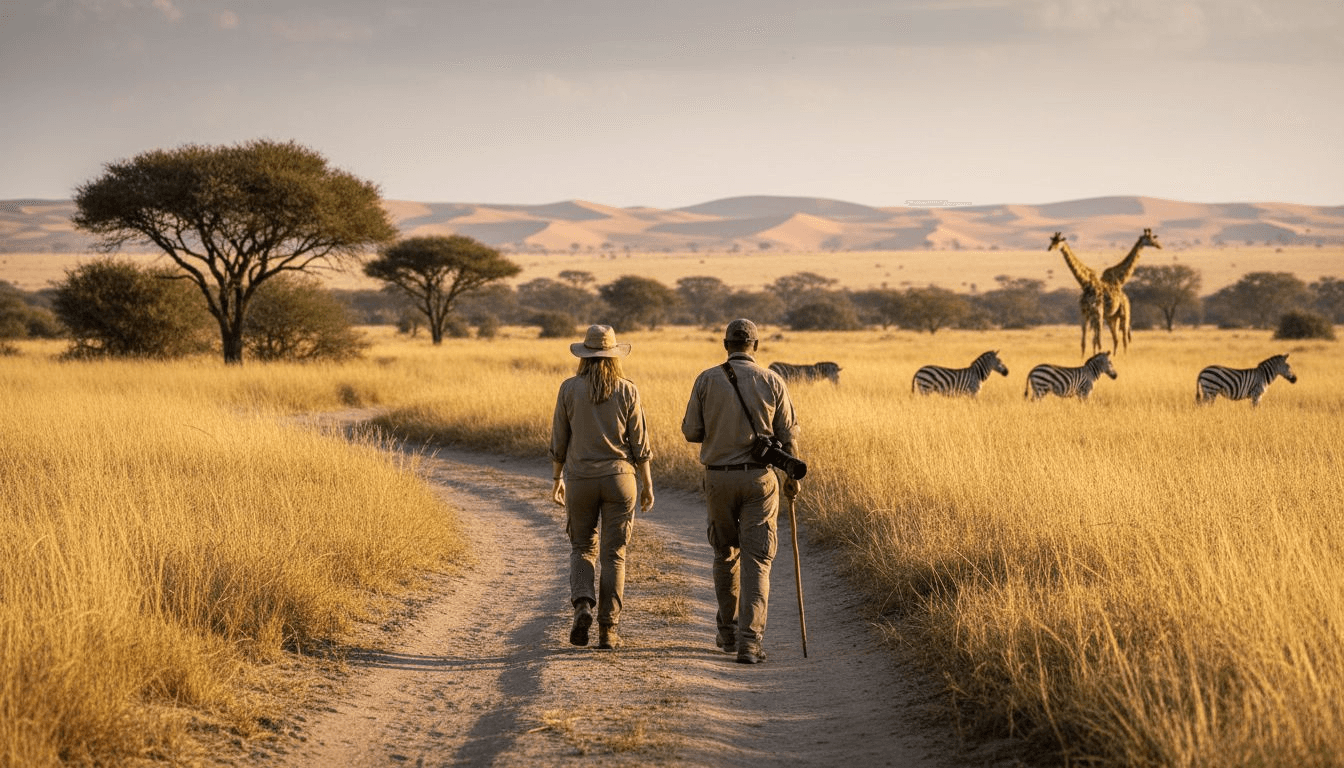
Traditional game drives can sometimes feel distant for those who crave a deeper connection with Namibia’s untamed wilds. For adventurous travellers seeking a truly personalised wilderness encounter, a walking safari offers a rare opportunity to experience ecosystems at ground level, guided by experts who prioritise safety and authentic discovery. In this article, uncover how a guided walking safari transforms wildlife observation into a uniquely immersive journey beyond the ordinary.
Table of Contents
Walking Safaris Defined and Common Myths
Types of Walking Safaris in Southern Africa
How a Walking Safari Works in Practice
Unique Benefits Over Vehicle Safaris
Safety, Age Limits and Essential Rules
Key Takeaways
Point | Details |
|---|---|
Walking Safaris Offer Immersive Experiences | Unlike vehicle safaris, walking safaris allow for direct interaction with nature, enhancing the understanding of ecosystems. |
Debunking Common Myths | Many misconceptions exist regarding safety, fitness, and visibility, which can deter participation in walking safaris. |
Diverse Options Available | Southern Africa features various walking safari types tailored to different interests, including tracking, botanical, and cultural safaris. |
Preparation and Safety Are Essential | Proper planning, expert guidance, and adherence to safety protocols are critical for a successful walking safari experience. |
Walking Safaris Defined and Common Myths
A walking safari represents one of the most immersive and intimate wildlife experiences available in Namibia’s extraordinary landscapes. Unlike traditional vehicle-based game drives, these extraordinary journeys allow travellers to explore wilderness areas on foot, creating an unparalleled connection with nature’s intricate ecosystems.
Walking safaris are carefully guided experiences where expert trackers and wildlife professionals lead small groups through pristine natural environments. Safari guides with specialised training ensure guests can safely navigate terrain while learning about complex ecological relationships. The experience transforms wildlife observation from a distant spectator activity into an immersive, sensory adventure.
Common myths about walking safaris often prevent adventurous travellers from experiencing this remarkable activity. Let’s debunk some prevalent misconceptions:
Safety Myth: Many believe walking safaris are inherently dangerous
Wildlife Visibility Myth: Guests assume they will see abundant wildlife constantly
Fitness Requirement Myth: People think extraordinary physical fitness is mandatory
Terrain Difficulty Myth: Some imagine walking safaris involve extreme hiking conditions
In reality, walking safaris are meticulously planned experiences with multiple safety protocols. Trained guides understand animal behaviour, terrain challenges, and carry appropriate safety equipment. They select routes that minimise risk while maximising wildlife viewing opportunities. Professional guides read animal signals, understand migration patterns, and know precisely how to navigate potentially challenging encounters.
Walking safaris provide a controlled, educational immersion into wilderness environments that vehicle safaris simply cannot replicate.
Typical walking safari experiences involve:
Small group sizes (usually 4-8 participants)
Professional armed guides leading expeditions
Careful route selection based on current wildlife conditions
Comprehensive safety briefings before each walk
Emphasis on ecological education and understanding
While wildlife sightings are never guaranteed, walking safaris offer something far more profound: an intimate understanding of ecosystem dynamics, tracking skills, and the subtle interactions between plants, animals, and landscape.
Pro tip: Always communicate your fitness level and any health concerns with your safari operator before booking a walking safari to ensure the most suitable experience.
Types of Walking Safaris in Southern Africa
Southern Africa offers an extraordinary range of walking safari experiences that cater to different interests, fitness levels, and wildlife preferences. Adventure safari options provide diverse opportunities for immersive wilderness exploration across stunning landscapes.
Walking safari types in this region can be categorised into several distinct experiences:
Tracking Safaris: Focused on following animal tracks and understanding wildlife behaviour
Botanical Walking Safaris: Emphasising plant life, ecosystems, and ecological interactions
Photographic Walking Safaris: Designed for wildlife photographers seeking intimate landscape encounters
Cultural Walking Safaris: Combining wildlife exploration with indigenous community interactions
Multi-Day Expedition Safaris: Extended journeys through remote wilderness areas
Each walking safari type offers unique advantages and challenges. Tracking safaris, for instance, require exceptional guide expertise and provide an opportunity to understand animal movement patterns and survival strategies. Guides interpret subtle environmental signs, helping guests understand the complex interactions between predators, prey, and their habitat.
Walking safaris transform wilderness exploration from passive observation to active engagement with natural environments.
The most popular walking safari destinations in Southern Africa include:
Namibia’s Etosha National Park
Botswana’s Moremi Game Reserve
Zimbabwe’s Mana Pools National Park
South Africa’s Kruger National Park
Zambia’s South Luangwa National Park
These locations offer diverse terrains, from arid landscapes to lush riverine environments, each presenting unique wildlife viewing opportunities. Professional guides ensure safety while providing in-depth ecological insights, making these experiences both educational and exhilarating.
When selecting a walking safari, consider factors like personal fitness, wildlife interests, and desired level of physical challenge. Some experiences are more relaxed, focusing on gentle exploration, while others demand higher fitness levels and offer more adventurous tracking experiences.
For quick reference, here are popular walking safari types, who they’re best suited to, and typical highlights:
Safari Type | Best For | Unique Highlight |
|---|---|---|
Tracking Safari | Enthusiastic wildlife spotters | Learning animal movement patterns |
Botanical Safari | Nature lovers, botanists | Discovering diverse flora |
Photographic Safari | Photographers | Close-up wildlife images |
Cultural Safari | Cultural explorers | Interacting with local communities |
Multi-Day Expedition | Adventurous travellers | Extended wilderness immersion |
Pro tip: Research the specific walking safari type and destination thoroughly, matching your personal fitness and wildlife interests to ensure the most memorable and comfortable wilderness experience.
How a Walking Safari Works in Practice
A walking safari transforms wilderness exploration into an immersive, carefully choreographed experience that requires meticulous planning and expert guidance. Adventure safari strategies involve comprehensive preparation to ensure guest safety and maximise wildlife encounter opportunities.
Typical walking safari logistics involve several critical components:
Pre-Safari Briefing: Comprehensive safety instructions and wildlife interaction guidelines
Guide Expertise: Professionally trained trackers with extensive ecological knowledge
Group Size Management: Limited to 4-8 participants for optimal safety and minimal environmental impact
Equipment Preparation: Specialised gear including protective clothing, hydration systems, and communication devices
Route Planning: Carefully selected paths considering wildlife movement, terrain complexity, and seasonal conditions
The practical mechanics of a walking safari begin with an early morning departure, typically commencing before sunrise when wildlife is most active. Professional guides lead small groups, maintaining strategic formations that maximise observation opportunities while ensuring collective safety.
Walking safaris require a delicate balance between human presence and wildlife respect, demanding exceptional situational awareness and ecological understanding.
Key safety protocols during a walking safari include:
Maintaining absolute silence to prevent startling wildlife
Following the guide’s instructions without exception
Moving in single-file formation
Carrying minimal, lightweight equipment
Wearing neutral-coloured, non-reflective clothing
Guides bring specialised equipment including:
Professional-grade binoculars
Detailed topographical maps
Communication devices
First-aid kits
Tracking and identification reference materials
The duration of walking safaris varies, ranging from short morning excursions of 2-3 hours to multi-day expeditions traversing extensive wilderness areas. Each journey offers a unique opportunity to understand intricate ecological relationships and witness wildlife interactions from an intimate perspective.
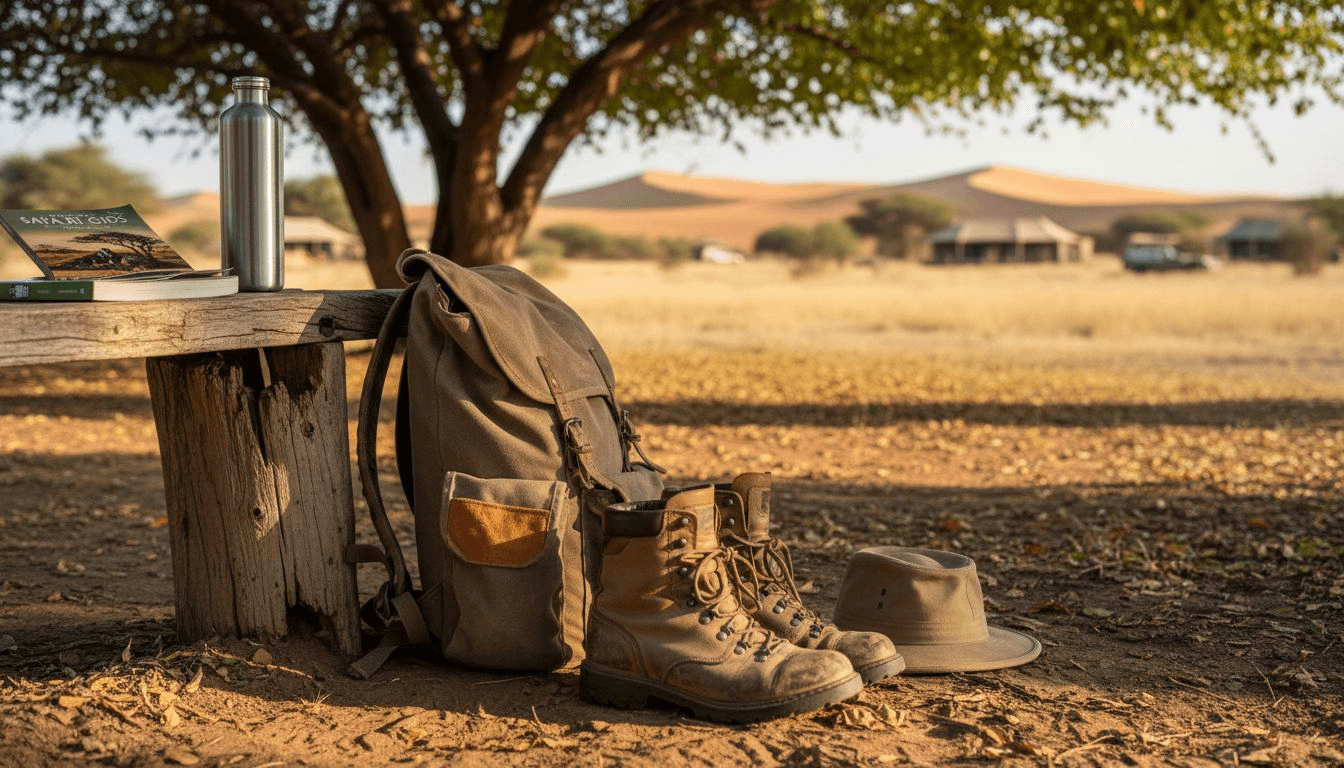
Pro tip: Invest in comfortable, broken-in hiking boots and moisture-wicking clothing to ensure maximum comfort and mobility during your walking safari experience.
Unique Benefits Over Vehicle Safaris
Walking safaris offer a transformative wildlife experience that fundamentally differs from traditional vehicle-based game drives. All-inclusive safari benefits highlight the profound advantages of immersive, ground-level exploration that vehicle safaris simply cannot replicate.
The unique advantages of walking safaris include:
Sensory Immersion: Engaging all five senses in the wilderness environment
Ecological Understanding: Detailed insights into micro-ecosystems and wildlife interactions
Physical Connection: Direct, unmediated experience with natural landscapes
Minimal Environmental Impact: Reduced carbon footprint compared to vehicle-based safaris
Personalised Exploration: Ability to focus on specific ecological details
Whereas vehicle safaris provide a somewhat detached observation experience, walking safaris create an intimate wilderness encounter. Participants move at a natural pace, allowing for nuanced observations of animal tracks, plant interactions, and environmental subtleties that would be entirely missed from a vehicle’s perspective.
Walking safaris transform wildlife observation from passive viewing to active ecological engagement.
Key differentiating factors between walking and vehicle safaris include:
Depth of ecological interaction
Physical engagement with landscape
Noise and environmental disruption levels
Learning potential
Personal physical challenge
Professional walking safari guides provide extraordinary insights that extend far beyond traditional wildlife viewing. They interpret complex ecological relationships, demonstrate tracking techniques, and help guests understand the intricate balance of wilderness ecosystems in ways impossible during vehicle-based experiences.
The sensory experience of a walking safari is unparalleled. Guests can smell the earth, feel the terrain’s texture, hear subtle wildlife sounds, and develop a profound connection with the natural environment that transcends visual observation.
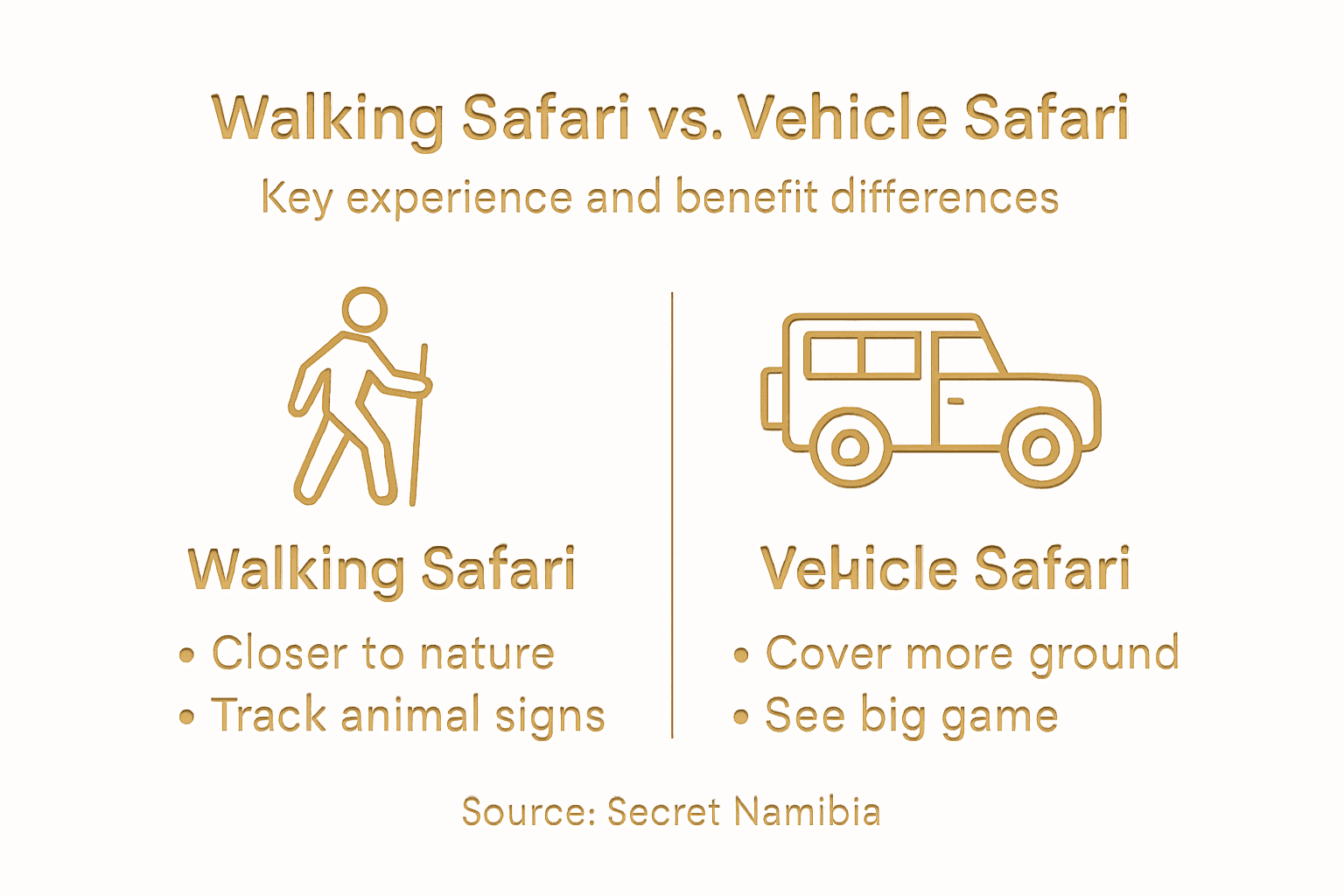
Here’s a comparison of key differences between walking safaris and vehicle safaris to help you determine which experience best fits your interests:
Aspect | Walking Safaris | Vehicle Safaris |
|---|---|---|
Wildlife Encounter | Intimate, close-range | Distant, often through windows |
Sensory Experience | All senses engaged | Primarily visual and auditory |
Environmental Impact | Low; minimal disturbance | Higher; possible habitat damage |
Learning Opportunity | Deep ecological insights | General wildlife identification |
Physical Demands | Moderate to high; active walking | Low; sedentary travel |
Pro tip: Request a specialised guide with extensive tracking and ecological knowledge to maximise your walking safari’s educational and immersive potential.
Safety, Age Limits and Essential Rules
Walking safaris demand rigorous safety protocols that protect both participants and wildlife environments. Private safari guidelines emphasise the critical importance of understanding and adhering to comprehensive safety requirements before embarking on these immersive wilderness experiences.
General safety requirements and age considerations include:
Minimum Age: Typically 12-16 years old, depending on specific safari operator
Physical Fitness: Moderate to good health and basic mobility required
Medical Clearance: Recent health certification recommended
Insurance: Comprehensive travel and medical insurance mandatory
Physical Limitations: Some routes may restrict participants with significant mobility challenges
Professional walking safaris implement multiple layers of safety protocols to mitigate potential risks. Trained guides carry specialised emergency equipment, including satellite communication devices, first-aid kits, and sometimes firearms for extreme wildlife encounter scenarios.
Walking safari safety is not about preventing all risks, but managing them intelligently and professionally.
Critical safety rules during walking safaris include:
Always follow guide instructions precisely
Maintain absolute silence when requested
Move in single-file formation
Avoid sudden movements or loud noises
Stay within designated walking boundaries
Typical age and fitness requirements vary across different safari operators and specific wilderness locations. Most professional operators require participants to:
Complete a comprehensive health questionnaire
Provide recent medical certification
Demonstrate basic physical fitness
Understand and sign comprehensive liability waivers
Children and teenagers face additional restrictions. Most operators require parental consent and may impose stricter supervision and participation guidelines for younger participants.
Pro tip: Consult your safari operator about specific fitness requirements and medical recommendations at least six weeks before your planned expedition.
Experience the True Essence of Namibia with Walking Safaris
Walking safaris offer unmatched sensory immersion and deep ecological insight into Namibia’s breathtaking wilderness. Yet many adventure travellers hesitate due to concerns about safety, fitness, or unfamiliarity with this style of exploration. If you want to transform your wildlife encounter into an unforgettable journey that connects you intimately with nature, Secret Namibia provides expertly designed walking safari experiences that cater to all fitness levels and interests. Our professional guides ensure your safety while unlocking the secrets of the environment around you, making every step a discovery.

Start your adventure today by exploring our bespoke safari options on the Secret Namibia homepage. Whether you seek a relaxed botanical walk through Etosha or an exhilarating tracking expedition in Moremi, our personalised planning service tailors every detail. Do not wait to transform your safari holiday into a truly immersive and life-changing experience. Visit Secret Namibia now and take the first step towards your ideal walking safari journey.
Frequently Asked Questions
What is a walking safari?
A walking safari is an immersive wildlife experience where participants explore natural environments on foot, guided by expert trackers. It provides a deeper connection to nature compared to traditional vehicle safaris.
Are walking safaris safe for all fitness levels?
While walking safaris do require moderate physical fitness, they can accommodate different levels. It’s essential to communicate your fitness level and any health concerns with your safari operator before booking.
What types of walking safaris are available?
There are various types of walking safaris, including tracking safaris, botanical safaris, photographic safaris, cultural safaris, and multi-day expeditions. Each type offers unique experiences tailored to different interests.
How do walking safaris differ from vehicle safaris?
Walking safaris allow for an intimate and engaging experience with nature, enabling participants to observe wildlife interactions closely. In contrast, vehicle safaris offer a more distant viewing experience from inside a vehicle.
Recommended
RELATED
Safari Guides
Oct 30, 2025
Understanding What is Included in Luxury Safaris
Explore what is included in luxury safaris, from exclusive accommodations to bespoke experiences that cater to discerning travelers.
Feb 24, 2026
Why Namibia Adventures Matter: An In-Depth Look
Discover why Namibia adventures are essential for luxury travelers seeking unique, immersive experiences in nature and wildlife exploration.
Feb 23, 2026
What to Expect on a Luxury Safari: A Comprehensive Guide
Discover what to expect on a luxury safari and gain a deeper understanding of the unique experiences that await you in the wild.
Feb 22, 2026
Understanding Namibia Safari Costs Explained
Explore Namibia safari costs explained to uncover what influences pricing and what it means for your adventure.
Feb 21, 2026
Understanding the Role of Safari Experts in Wildlife Travel
Explore the role of safari experts and gain a comprehensive understanding of how they enhance wildlife travel experiences for all types of travelers.
Feb 20, 2026
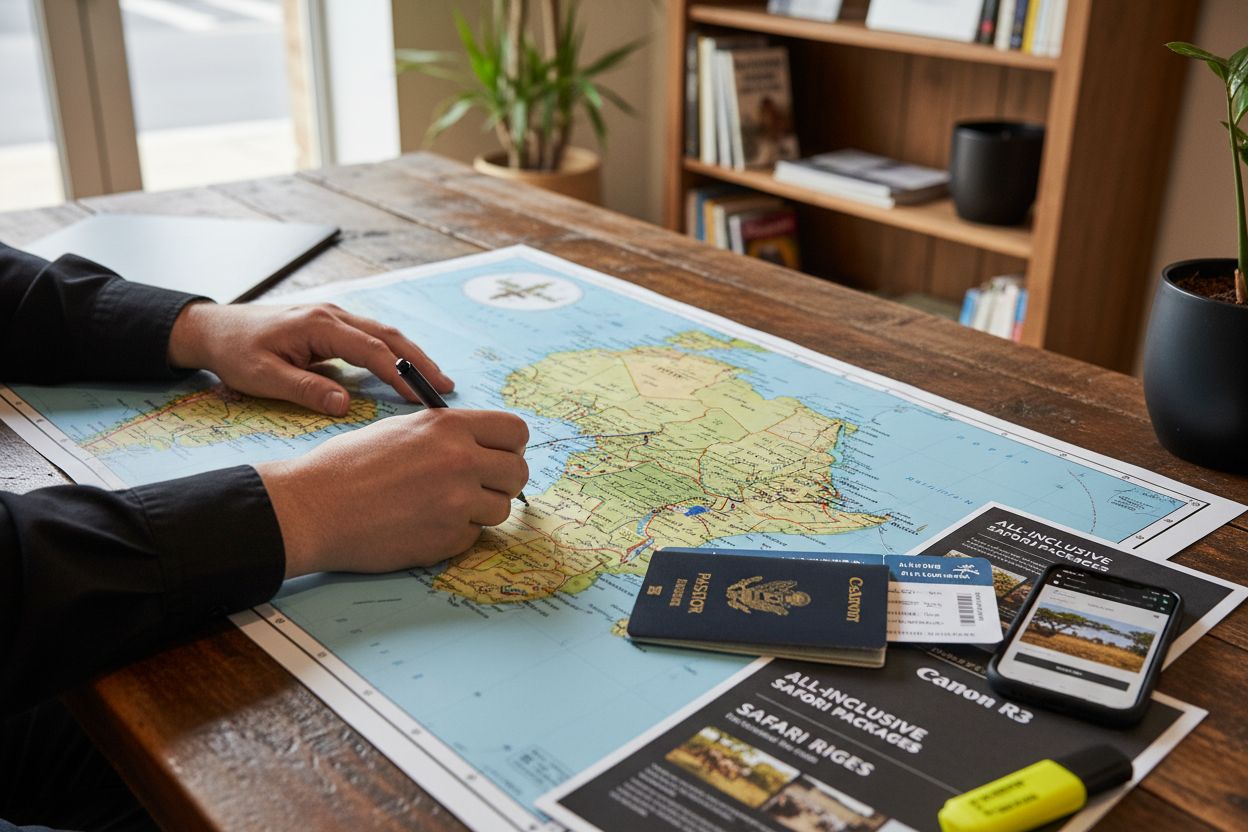
Guide organisation safari all inclusive : vivez l'aventure de vos rêves
Découvrez notre guide organisation safari all inclusive étape par étape pour planifier un voyage inoubliable au cœur de la nature.