
Jul 16, 2026
Discover the ultimate guide to travel to Namibia in 2026. Experience stunning landscapes, unique wildlife, and rich cultures on your adventure!
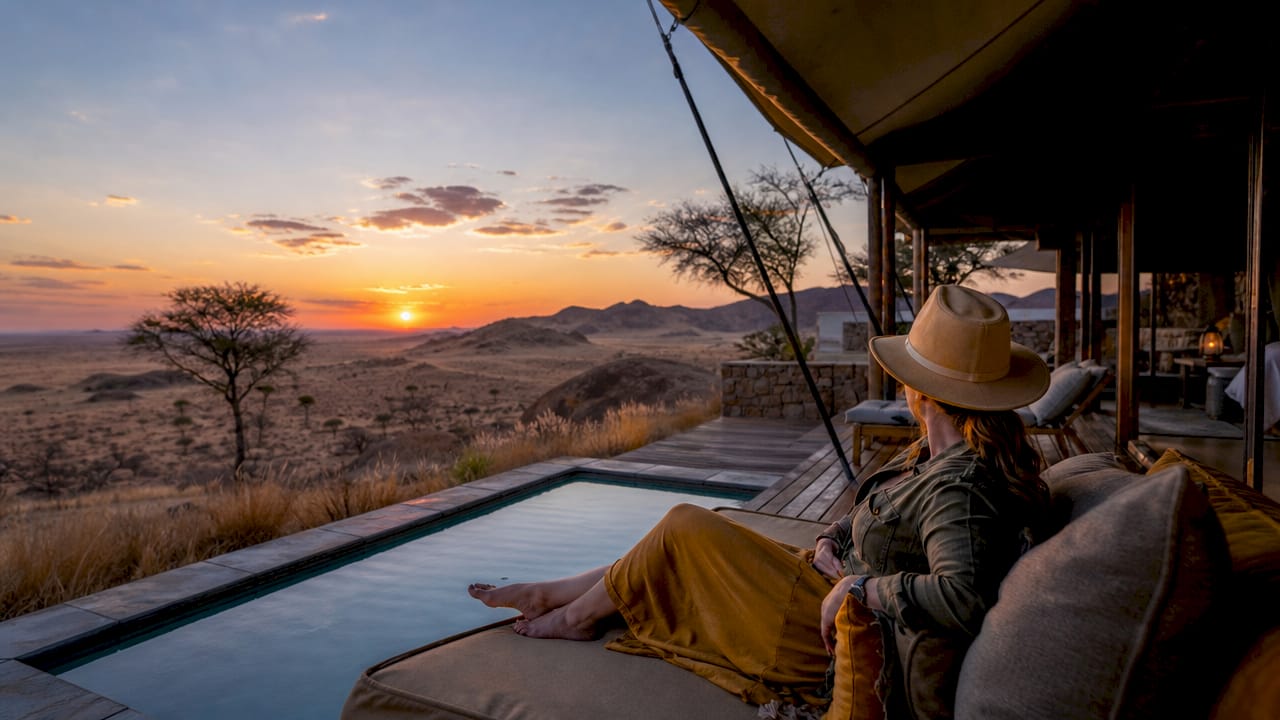
Travel to Namibia: your complete 2026 adventure guide
TL;DR:
Namibia offers extraordinary landscapes, wildlife experiences, and cultural encounters for adventurous travelers.
Planning requires careful preparation, especially regarding travel seasons, distances, and local conservation efforts.
Namibia is defined as one of Africa’s most extraordinary destinations, where towering red dunes, vast salt pans, and magnificent wildlife create an experience unlike anywhere else on earth. To travel to Namibia is to step into a landscape of almost surreal beauty, from the ancient Namib Desert to the wildlife-rich plains of Etosha National Park. The country’s remarkable diversity spans desert-adapted elephants in Damaraland, indigenous Himba communities in the north, and shipwreck-strewn coastline along the Skeleton Coast. Hosea Kutako International Airport, operated by the Namibia Airports Company as a Category 9 facility, serves as the main gateway for most international travelers. With the right preparation, Namibia rewards you with experiences that stay with you for a lifetime.
What are the entry requirements for traveling to Namibia?
Most Western travelers can enter Namibia visa-free for up to 90 days. That means citizens of the United States, United Kingdom, Germany, Australia, and most EU nations can arrive without pre-arranging a visa, provided they carry proof of onward travel and sufficient funds.
Your passport must meet two non-negotiable conditions. It must be valid for at least 6 months beyond your arrival date, and it must contain at least 3 blank pages for entry and exit stamps. Border officials enforce both rules strictly, so check your passport well before departure.
Travelers arriving from yellow fever risk countries must carry a valid yellow fever vaccination certificate. Namibia’s border health authorities check this document at entry points, and travelers without it can be refused entry or quarantined. If you are traveling from a non-risk country, the certificate is not required.
Travel insurance is not a legal requirement, but it is the single most practical safeguard you can take. Medical evacuation from remote areas like Damaraland or the Skeleton Coast is extremely expensive. Reviewing travel insurance options before departure protects you against costs that can run into tens of thousands of dollars.
Pro Tip: Apply for any required documentation at least 8 weeks before travel. Border control variability means that even visa-on-arrival options can involve delays at smaller crossings.
How to plan your Namibia trip itinerary and best travel time
The dry season, running from may to october, is the optimal window for wildlife viewing. Animals concentrate around waterholes during these months, making sightings in Etosha National Park remarkably reliable. October stands out as the peak month for predator activity, when lions, cheetahs, and leopards are most visible. The wet season from november to april brings lush green scenery and excellent birdwatching, but heat, humidity, and occasional storms make it less comfortable for long game drives.
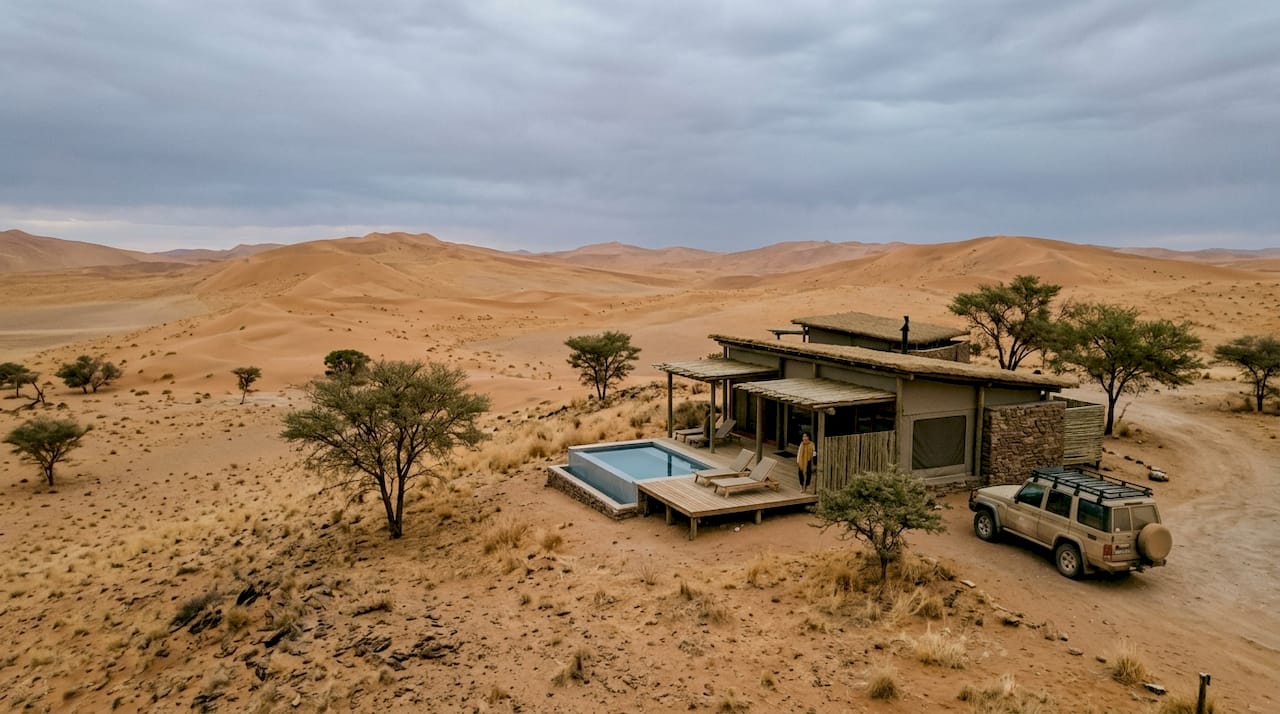
July and august attract the highest visitor numbers. If you plan to travel during these peak months, book accommodation early, ideally 6 to 12 months in advance, especially for popular camps near Etosha and Sossusvlei.
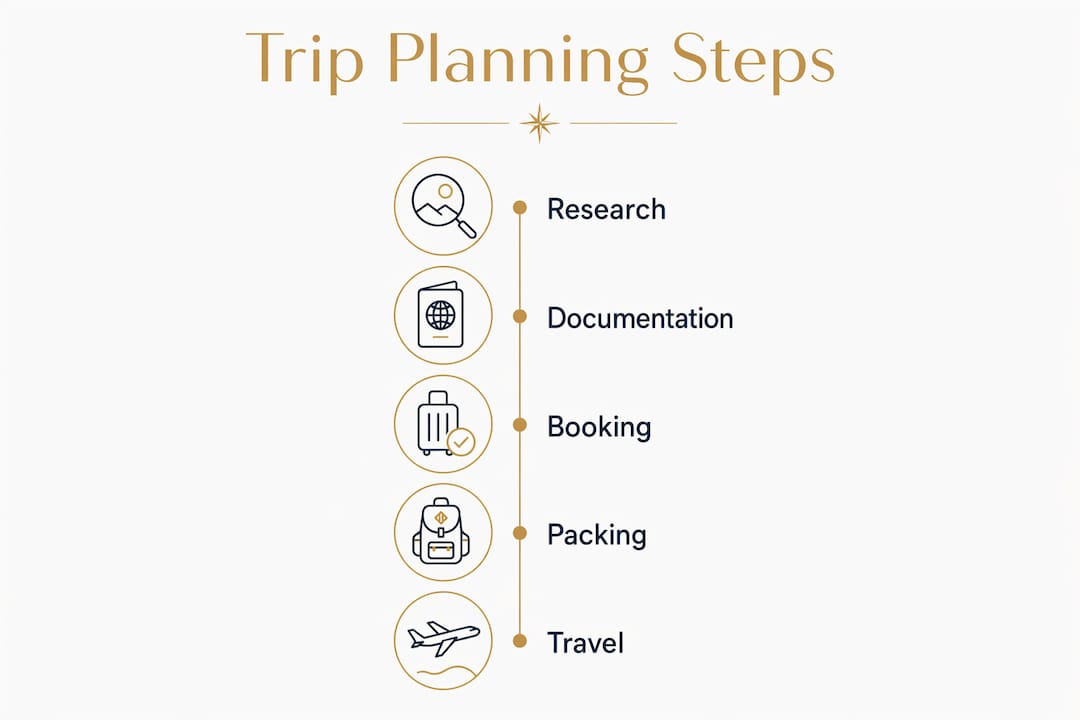
Choosing between a 14-day and 21-day itinerary
Attempting to cover all of Namibia in under 14 days is genuinely unfeasible. A well-structured 14-day itinerary typically covers Windhoek, Sossusvlei, Swakopmund, Damaraland, and Etosha, balancing driving distances with experience quality. For travelers wanting to reach the remote Caprivi Strip or the far northern regions, 21 days is the realistic minimum.
Itinerary length | Regions covered | Best for |
|---|---|---|
10–14 days | Windhoek, Sossusvlei, Swakopmund, Etosha | First-time visitors |
21 days | Above plus Damaraland, Skeleton Coast, Caprivi | Repeat visitors and wildlife enthusiasts |
Pro Tip: Build at least one full rest day into every five days of travel. Namibia’s distances are deceptive, and fatigue from long gravel road drives accumulates quickly.
What transportation and accommodation options suit Namibia travelers?
Self-driving is the most popular way to explore Namibia, and for good reason. It gives you complete freedom over your pace, your stops, and your experience. That said, it demands serious preparation. Gravel roads dominate the country’s interior, and driving speeds on gravel are commonly kept low to preserve tires and prevent accidents. Map estimates rarely reflect actual travel times on these surfaces.
Essential items for self-drive travel
Carry these before leaving any town:
Two full-size spare tires (not just a space-saver)
At least 20 liters of extra water per person
Extra fuel in a certified jerry can
Offline maps downloaded to your phone or a physical road atlas
A basic first aid kit and emergency contact numbers
Connectivity is unreliable outside urban centers like Windhoek and Swakopmund. Cellular data drops out entirely along remote routes such as the Skeleton Coast and through Damaraland. Offline maps and paper backups are not optional extras. They are safety tools.
For travelers who prefer not to drive, luxury fly-in safaris offer a spectacular alternative. Aerial views of the Namib Desert and the Skeleton Coast are genuinely breathtaking, and fly-in itineraries eliminate the fatigue of long road transfers. Secretnamibia’s private fly-in safari packages combine exclusive camps with expert guides, making them ideal for travelers with limited time and high expectations.
Accommodation across the spectrum
Budget travelers can camp in designated sites within national parks for approximately $70 USD per day. At the other end, all-inclusive luxury fly-in safaris exceed $600 USD per day, covering accommodation, meals, game drives, and flights between camps. Between these two extremes, ecolodges and mid-range safari camps offer excellent value, particularly in Damaraland and the Namib Desert. Namibia’s ecolodges contribute directly to conservation and local economies, making them a meaningful choice for travelers who care about the communities they visit.
What are the top adventure and cultural experiences in Namibia?
Namibia’s wildlife safaris are the headline act, and Etosha National Park delivers them reliably. The park’s vast salt pan creates a dramatic backdrop for sightings of lions, elephants, rhinos, and giraffes. Damaraland offers something rarer: desert-adapted elephants that have evolved to survive in one of the driest environments on the planet. Watching these magnificent animals move silently across a rocky, sun-baked landscape is genuinely humbling.
Sossusvlei and Deadvlei are among the most photographed places on earth, and they earn that status. The towering red dunes, some reaching over 300 meters, cast shadows that extend for what seems like miles at sunrise. Climbing Dune 45 before dawn and watching the desert light up in shades of amber and crimson is an experience that no photograph fully captures. Hold your camera at the ready, because the light changes fast.
Swakopmund is the hub for adventure activities that go well beyond game drives. Sandboarding down massive dunes, quad biking across the desert, and kayaking with Cape fur seals in Walvis Bay all operate from this coastal town. Secretnamibia’s Swakopmund destination guide covers the full range of activities and the best operators for each.
Cultural encounters worth seeking out
Visiting Himba communities in the Kunene region offers a rare window into one of Africa’s most distinctive cultures. The Himba people maintain traditional ways of life, including their iconic ochre body decoration and intricate hairstyles, and many communities welcome respectful visitors. Approach these visits through established cultural tourism programs rather than unannounced arrivals, as this supports community consent and fair compensation.
The San people of the Kalahari region offer guided tracking experiences that reveal an extraordinary depth of ecological knowledge. A San guide can read animal tracks, identify edible plants, and navigate featureless terrain with precision that leaves most visitors speechless. These encounters are among the most meaningful cultural experiences available anywhere in southern Africa.
Fish River Canyon, the second-largest canyon in the world, rewards hikers willing to tackle its five-day trail. Stargazing in the Namib Desert, one of the world’s designated dark sky reserves, is equally spectacular. Windhoek’s markets and craft centers provide a lively introduction to Namibian urban culture and local cuisine, including game meat dishes and kapana street food.
Pro Tip: For the most vivid wildlife sightings in Etosha, position yourself at a floodlit waterhole after dark. Many camps offer this experience, and nocturnal visits by rhinos and lions are genuinely unforgettable.
Key takeaways
Namibia rewards travelers who prepare thoroughly, choose the right season, and embrace the country’s vast distances as part of the adventure rather than an obstacle.
Point | Details |
|---|---|
Visa and passport readiness | Confirm 6-month passport validity and 3 blank pages before booking flights. |
Dry season travel | Plan for may to october to maximize wildlife sightings, especially in Etosha. |
Itinerary realism | Allow 14 days minimum for central Namibia; 21 days for remote northern regions. |
Self-drive preparation | Carry two spare tires, extra water, fuel, and offline maps on every remote route. |
Cultural respect | Book Himba and San community visits through established programs for ethical engagement. |
What I’ve learned from years of planning Namibia trips
The single biggest mistake I see travelers make is underestimating Namibia’s scale. The country is roughly the size of Texas and California combined, and gravel roads that look short on a map can take three times longer than expected. I have seen well-intentioned itineraries collapse on day two because travelers tried to cover 600 kilometers in a single day on corrugated dirt tracks.
My honest advice is to plan fewer destinations and spend more time in each one. A traveler who spends three nights at a single Etosha camp will see far more wildlife than one who rushes through in a day. The animals operate on their own schedule, and patience is the most valuable tool you can bring.
I also believe strongly in the value of local guides and community conservancies. Namibia’s conservation model is genuinely world-leading, with community-managed conservancies that channel tourism revenue directly into wildlife protection and local livelihoods. Choosing operators who work within this system makes your trip better and your impact positive.
Finally, drink more water than you think you need. The Namibian sun is relentless, and dehydration sets in faster than most travelers expect, particularly at altitude in the interior. Carry a minimum of 3 liters per person per day on any outdoor activity, and apply high-SPF sunscreen every two hours without exception.
— Secret
How Secretnamibia can shape your perfect Namibia adventure
Secretnamibia specializes in bespoke luxury safaris that take the complexity out of planning a Namibia trip without removing any of the adventure.
Whether you are drawn to the silence of a private desert camp, the thrill of tracking desert-adapted elephants, or the comfort of a fly-in itinerary that puts you above the dunes at sunrise, Secretnamibia builds each trip around your specific interests and travel style. The team’s deep knowledge of Namibia’s regions, seasons, and operators means you get honest recommendations rather than generic packages. Explore the full range of options in the 2026 luxury safari camp guide and see how a tailor-made itinerary can transform your Namibia experience from good to extraordinary.
FAQ
What is the best time to travel to Namibia?
The dry season from may to october is the best time for wildlife viewing, with october offering peak predator activity in Etosha. July and august are the busiest months, so book accommodation well in advance.
Do I need a visa to enter Namibia?
Most Western travelers enter Namibia visa-free for up to 90 days. Your passport must be valid for at least 6 months beyond arrival and contain at least 3 blank pages.
Is self-driving safe in Namibia?
Self-driving is safe with proper preparation, including a 4x4 vehicle, two spare tires, extra water, and offline maps. Gravel roads require lower speeds than map estimates suggest, so allow extra travel time on every route.
How much does a Namibia safari cost per day?
Daily costs range from approximately $70 USD for budget camping to over $600 USD for all-inclusive luxury fly-in safaris, with major expenses including vehicle rental, fuel, and national park entry fees.
How long should a Namibia itinerary be?
A 14-day itinerary covers the central and northern highlights including Windhoek, Sossusvlei, Swakopmund, and Etosha. Reaching remote areas like the Caprivi Strip or far northern Damaraland requires at least 21 days.
Recommended
RELATED
Safari Guides
Oct 30, 2025
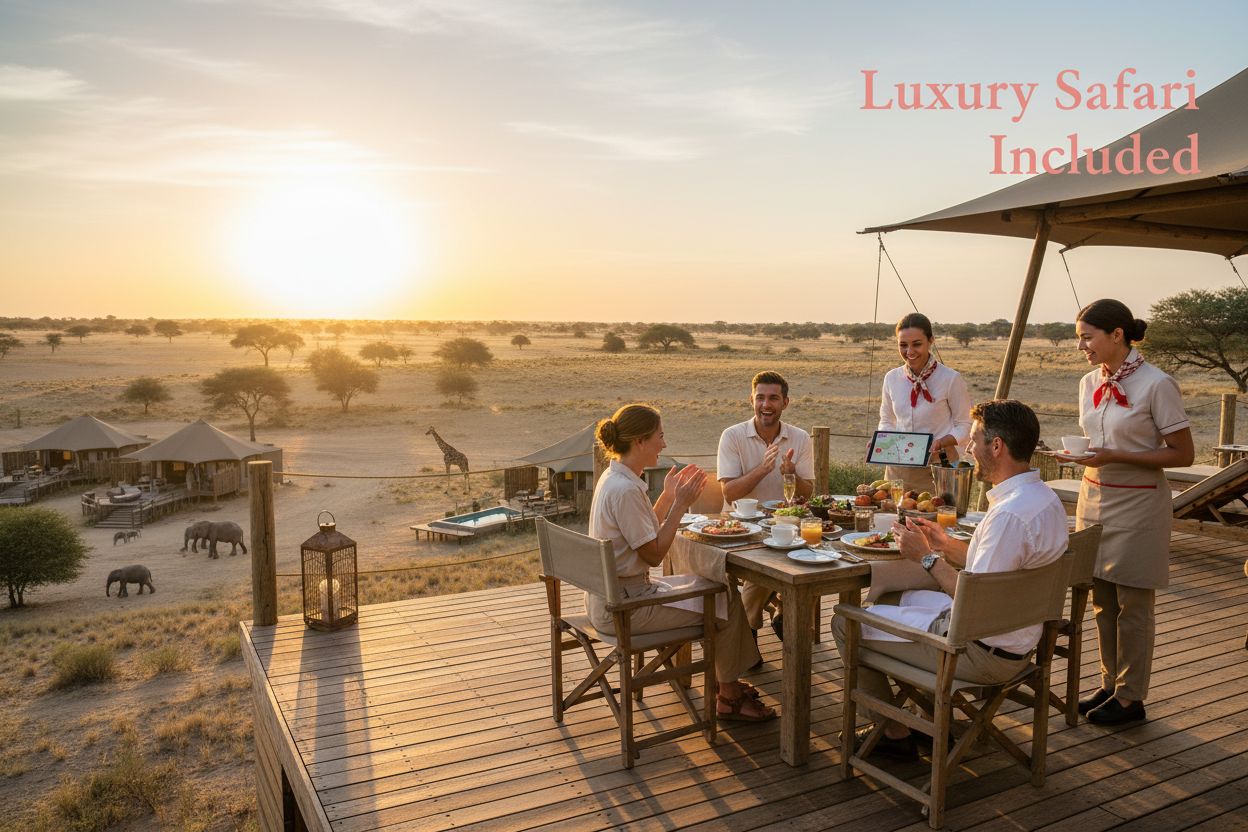
Understanding What is Included in Luxury Safaris
Explore what is included in luxury safaris, from exclusive accommodations to bespoke experiences that cater to discerning travelers.
Feb 24, 2026
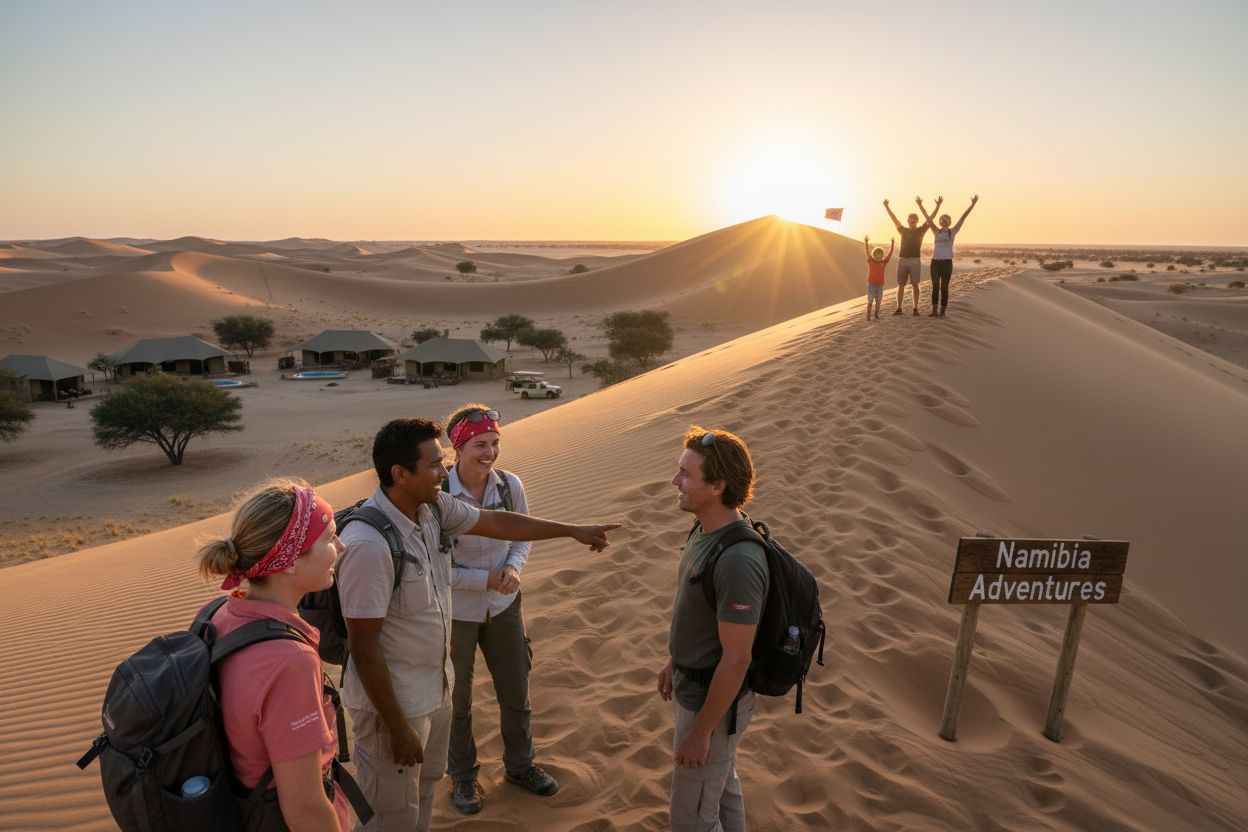
Why Namibia Adventures Matter: An In-Depth Look
Discover why Namibia adventures are essential for luxury travelers seeking unique, immersive experiences in nature and wildlife exploration.
Feb 23, 2026
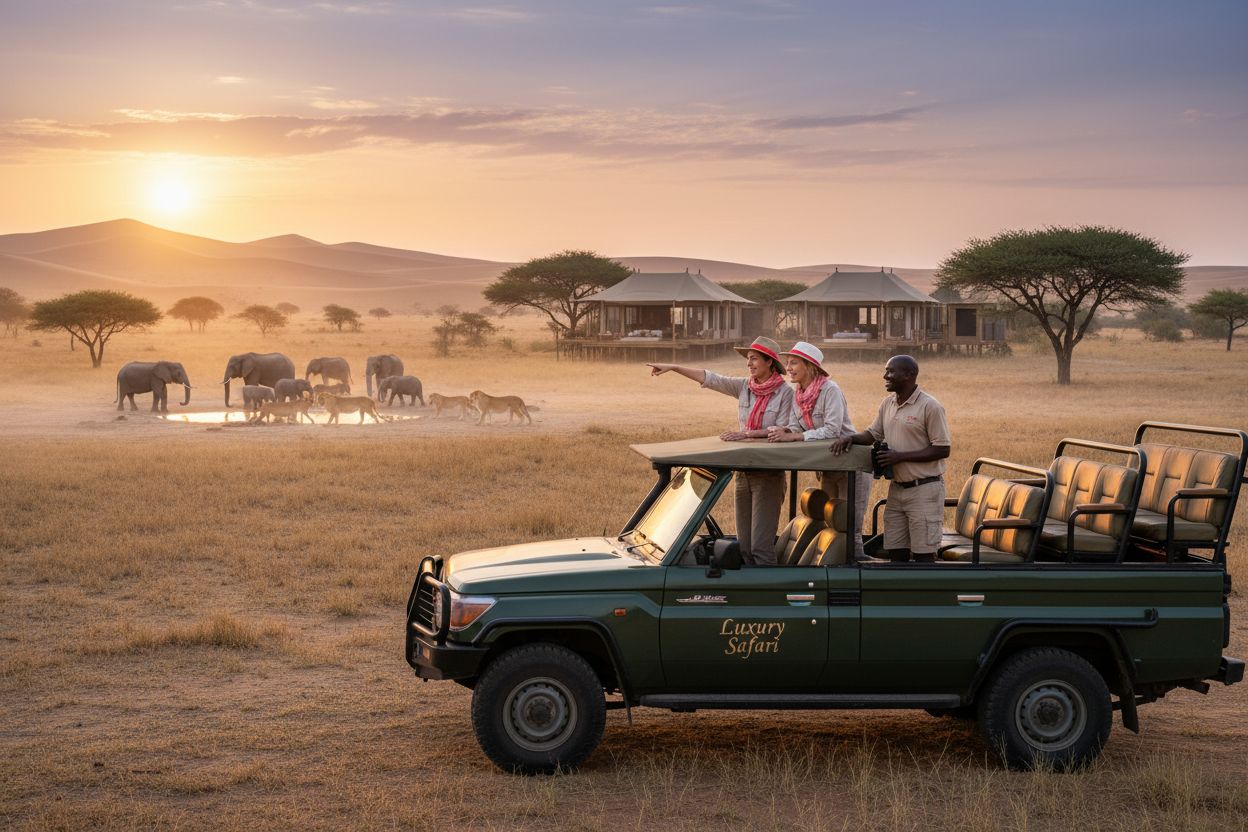
What to Expect on a Luxury Safari: A Comprehensive Guide
Discover what to expect on a luxury safari and gain a deeper understanding of the unique experiences that await you in the wild.
Feb 22, 2026
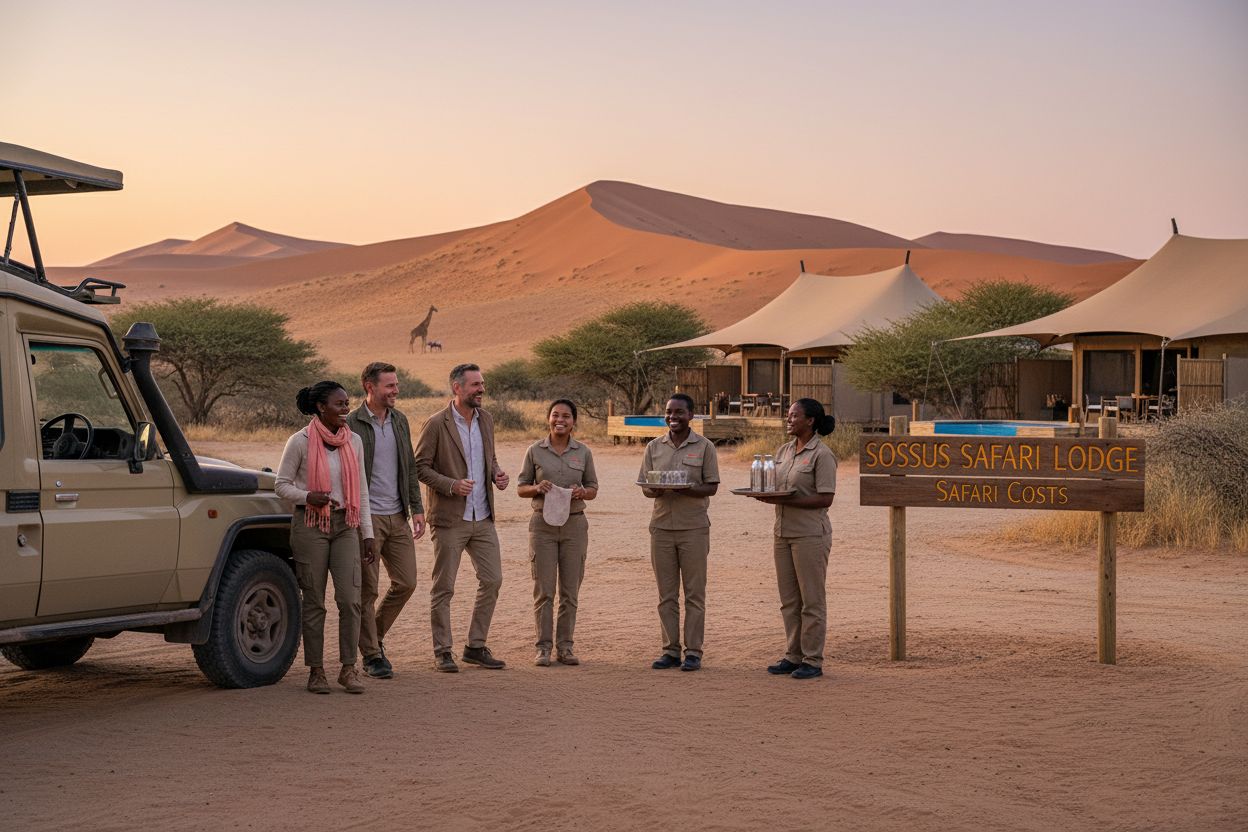
Understanding Namibia Safari Costs Explained
Explore Namibia safari costs explained to uncover what influences pricing and what it means for your adventure.
Feb 21, 2026
Understanding the Role of Safari Experts in Wildlife Travel
Explore the role of safari experts and gain a comprehensive understanding of how they enhance wildlife travel experiences for all types of travelers.
Feb 20, 2026
Guide organisation safari all inclusive : vivez l'aventure de vos rêves
Découvrez notre guide organisation safari all inclusive étape par étape pour planifier un voyage inoubliable au cœur de la nature.