
Feb 25, 2025
Remote safari camp essentials for luxury Namibia travel. Learn types, amenities, wildlife access, safety, and top benefits for discerning adventurers.
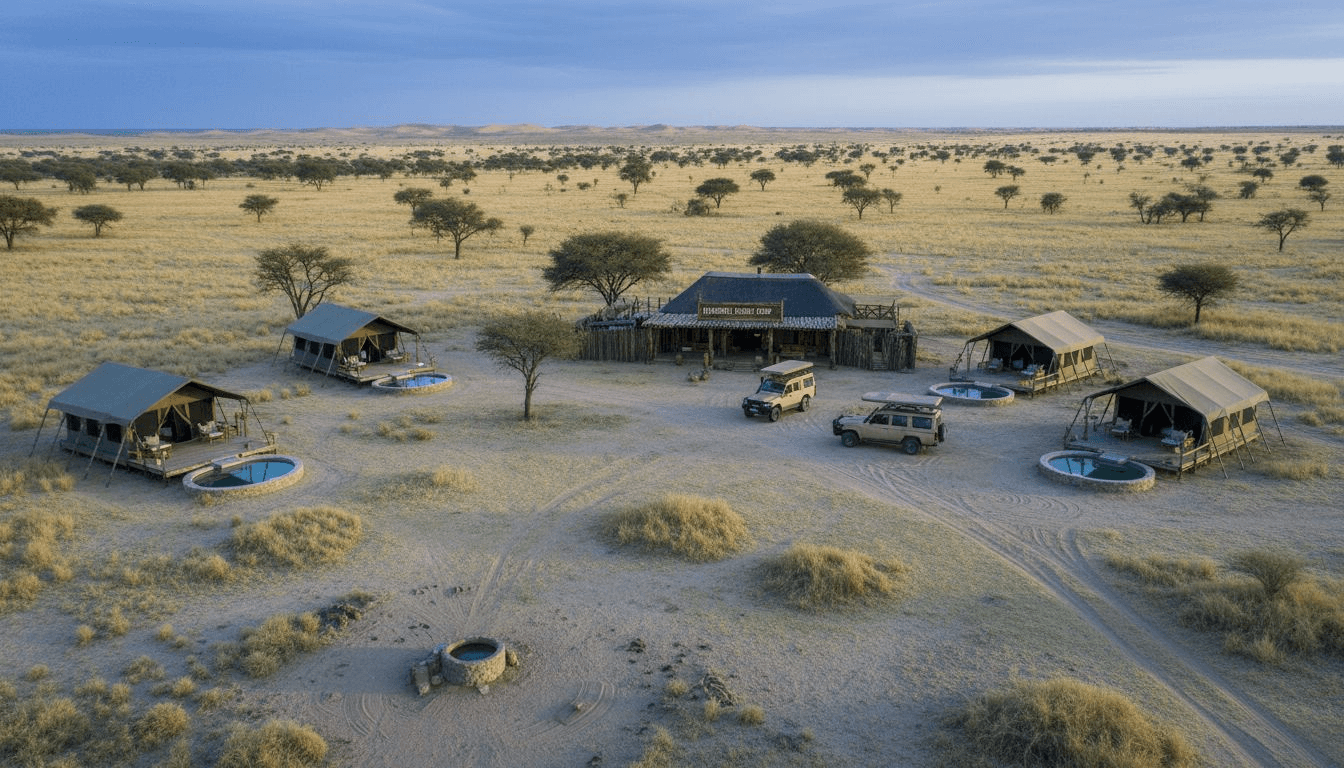
Remote Safari Camps: Exclusive Wilderness Escapes Explained
Luxury means something entirely different when your morning begins with the sight of wild elephants crossing the Namib Desert outside a private suite. For discerning travellers from North America and Europe, the allure of remote safari camps in Namibia is found in their extreme isolation and highly personalised service. Each camp offers a blend of sophisticated minimalism and tailored wildlife encounters curated by expert guides, promising exclusive access to raw wilderness with all the comforts of world-class hospitality.
Table of Contents
What Defines A Remote Safari Camp Experience
Distinct Types Of Remote Safari Camps In Namibia
Essential Services And Luxurious Amenities Offered
Wildlife Encounters And Conservation Impact
Safety, Access, And Practical Travel Insights
Key Takeaways
Point | Details |
|---|---|
Remote safari camps offer unique experiences | They are situated in pristine areas, providing immersive nature encounters far from typical tourist paths. |
Diverse camp types exist in Namibia | Options range from Desert Wilderness Camps to Riverine Woodland Camps, each catering to specific landscapes and wildlife interactions. |
Luxury amenities complement wilderness experiences | Remote camps blend comfort with nature, offering features like private suites, gourmet meals, and wellness services. |
Conservation and community engagement are crucial | Successful camps implement strategies that support local conservation efforts and involve surrounding communities in tourism and wildlife protection. |
What Defines a Remote Safari Camp Experience
Remote safari camps represent the pinnacle of wilderness immersion, offering travellers an extraordinary opportunity to experience the raw beauty of untouched landscapes. These exclusive retreats are carefully positioned in pristine wilderness areas, far from conventional tourist routes, providing an authentic and intimate connection with nature.
The essence of a remote safari camp experience is defined by several distinctive characteristics that set it apart from traditional safari accommodations:
Extreme Geographic Isolation: Located in areas with minimal human infrastructure
Limited Guest Capacity: Typically accommodating 8-12 guests maximum
Sophisticated Minimalism: Luxury amenities integrated seamlessly with natural surroundings
Personalised Wildlife Encounters: Tailored wildlife viewing experiences that prioritise educational and conservation perspectives
These camps distinguish themselves through their commitment to creating immersive, low-impact experiences that respect ecological boundaries. Wildlife proximity becomes a carefully managed interaction, where guests learn about ecosystem dynamics while maintaining minimal environmental disruption.
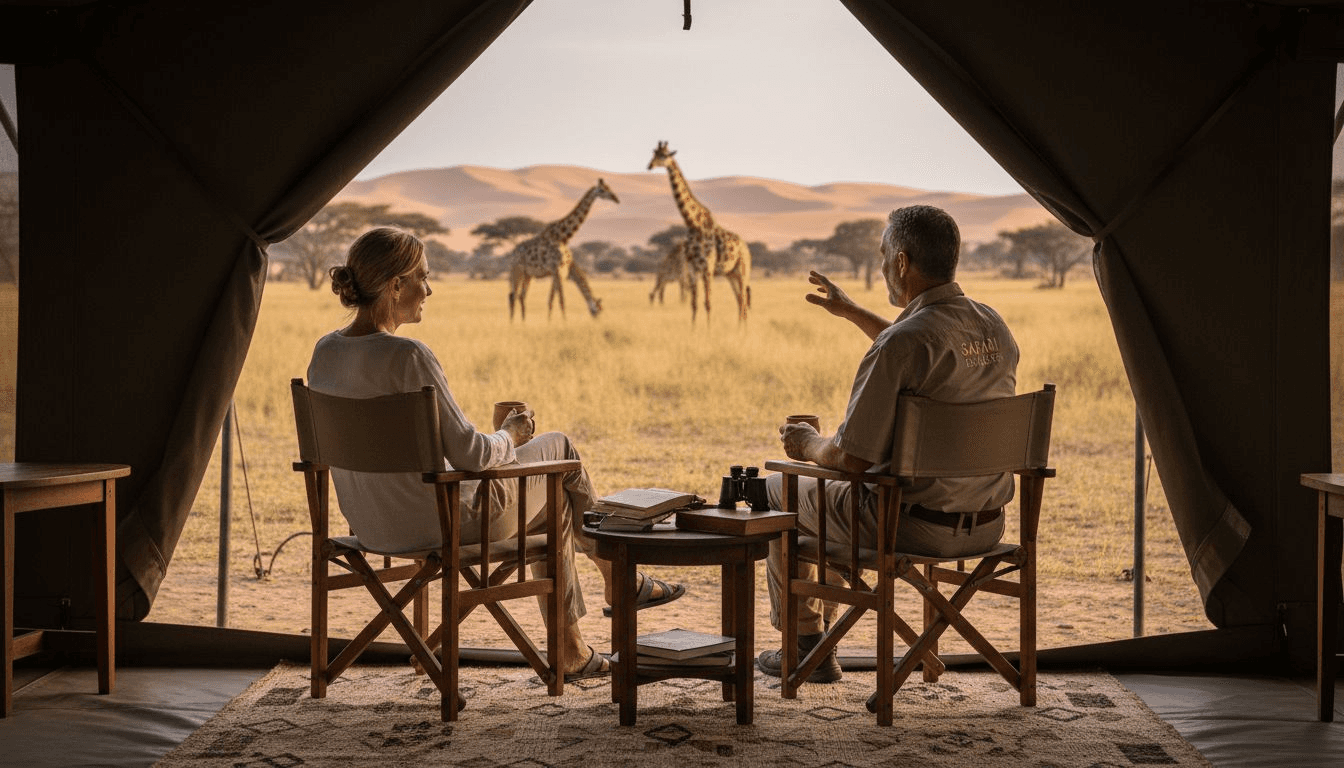
Guests can expect highly personalised service, with expert guides providing intimate insights into local fauna and flora. Each camp typically offers unique characteristics reflecting its specific ecosystem - whether situated in rocky desert landscapes, riverine woodlands, or open savannah regions.
Pro tip: When selecting a remote safari camp, prioritise operators with strong conservation credentials and a demonstrated commitment to sustainable tourism practices.
Distinct Types of Remote Safari Camps in Namibia
Namibia’s wilderness offers a diverse range of remote safari camp experiences, each uniquely tailored to showcase the country’s extraordinary landscapes and wildlife ecosystems. These camps are not merely accommodation options but gateways to immersive natural encounters that reflect the nuanced characteristics of their specific environments.
The primary distinct types of remote safari camps in Namibia include:
Desert Wilderness Camps: Located in the stark beauty of the Namib Desert
Savannah Retreat Camps: Positioned in open grasslands with expansive wildlife viewing
Luxury Camps in Namibia with sophisticated design integrated into natural settings
Riverine Woodland Camps: Nestled along seasonal waterways supporting rich biodiversity
Mountain Landscape Camps: Situated in rugged terrain offering dramatic panoramic views
Each camp type presents a unique approach to wilderness immersion. Desert camps, for instance, specialise in providing extraordinary experiences in seemingly inhospitable environments, featuring minimal infrastructure that blends seamlessly with the surrounding landscape. These camps often focus on specialised wildlife like desert-adapted elephants, oryx, and unique reptile species.
Savannah retreat camps offer more traditional safari experiences, typically located near wildlife migration routes or water sources that attract diverse animal populations. These camps provide guests with opportunities to observe large mammal herds, predator interactions, and complex ecosystem dynamics through carefully managed wildlife viewing experiences.
Here’s a quick comparison of Namibia’s distinct remote safari camp types:
Camp Type | Landscape Setting | Signature Wildlife | Experience Focus |
|---|---|---|---|
Desert Wilderness | Dunes and arid plains | Desert-adapted elephants, oryx | Solitude, unique survival adaptations |
Savannah Retreat | Open grasslands near water sources | Large mammal herds, lions | Classic safari, migration spectacles |
Luxury Integrated | Blend of natural features | Varies by region | Upscale comfort, bespoke services |
Riverine Woodland | Seasonal riverbanks, tree cover | Birdlife, hippos, antelope | Water-based sightings, rich biodiversity |
Mountain Landscape | Rocky hills, escarpments | Leopards, rare mountain species | Dramatic scenery, panoramic views |
Pro tip: Select your remote safari camp based on the specific wildlife and landscape experiences you most desire, considering the unique ecological characteristics of different Namibian regions.
Essential Services and Luxurious Amenities Offered
Remote safari camps in Namibia represent the pinnacle of wilderness luxury, offering an extraordinary blend of sophisticated amenities and immersive natural experiences. These exclusive retreats are meticulously designed to provide guests with unparalleled comfort while maintaining an intimate connection with the surrounding wilderness environment.
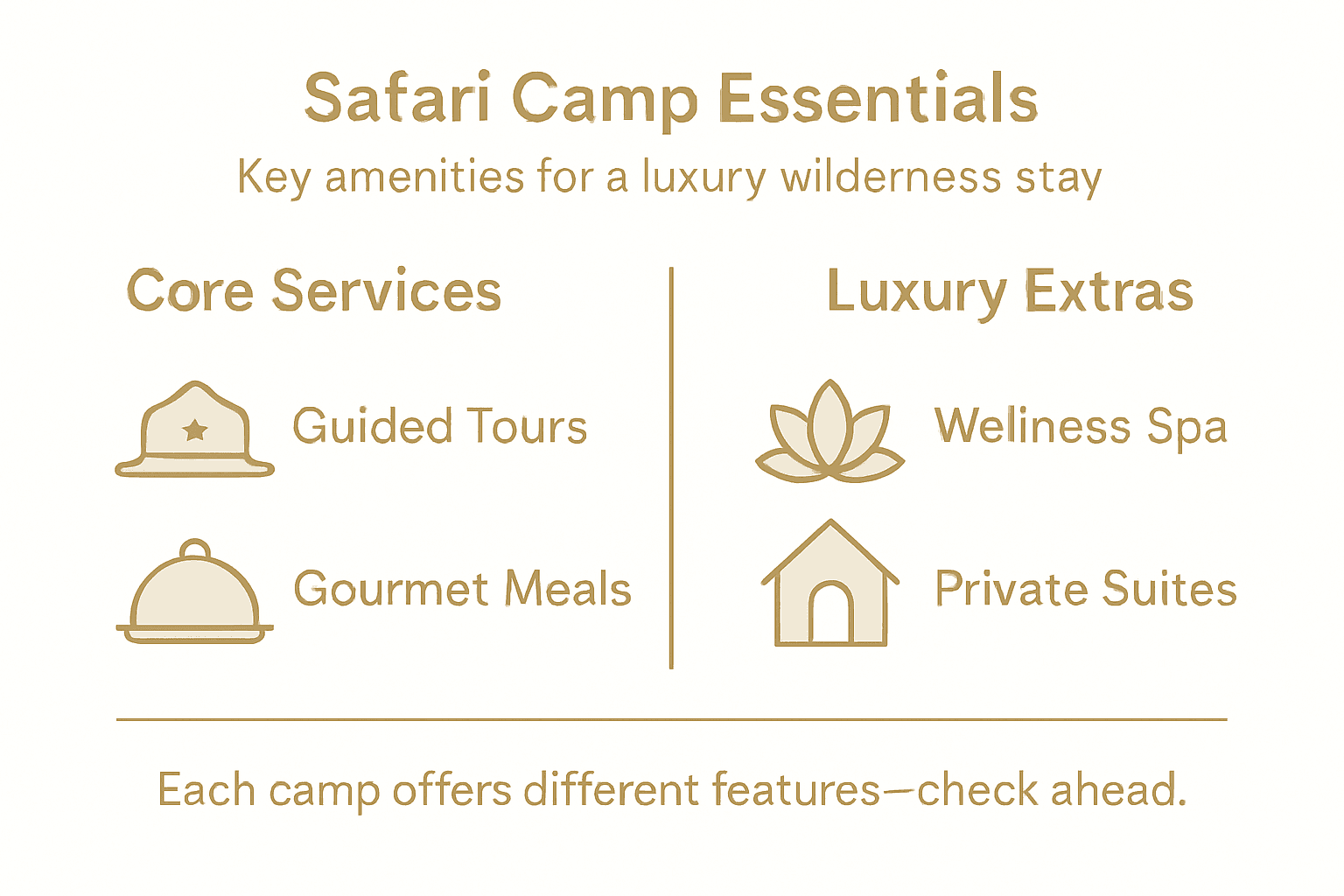
The essential services and amenities typically offered in top-tier remote safari camps include:
Accommodation Features:
Spacious, elegantly designed private suites
Ensuite bathrooms with modern fixtures
Private viewing decks with panoramic landscape views
Climate-controlled living spaces
Dining and Culinary Experiences:
Gourmet meals prepared by professional chefs
Local and international cuisine options
Personalised dining experiences
Wine cellar with curated international selections
Luxury safari lodges excel in providing comprehensive wellness and recreational services that transform a simple wilderness stay into an extraordinary experience. These typically include professional spa treatments, guided nature walks, photography workshops, and stargazing experiences that allow guests to engage deeply with their surroundings.
Technological amenities are carefully integrated to enhance comfort without disrupting the natural environment. Camps offer discreet charging stations, satellite internet connectivity, and communication facilities while maintaining the camp’s ecological integrity. Some camps provide satellite phones, emergency medical support, and professional guide services to ensure guest safety and comfort in remote locations.
Pro tip: Request detailed amenity information when booking to ensure the remote safari camp meets your specific comfort and experience expectations.
Wildlife Encounters and Conservation Impact
Remote safari camps in Namibia represent more than just a luxurious wilderness experience; they are critical platforms for wildlife conservation and ecological education. These unique environments provide guests with profound, transformative encounters with wildlife while simultaneously supporting critical conservation initiatives across the region.
The key wildlife conservation strategies implemented through remote safari camps include:
Research and Monitoring:
Tracking endangered species populations
Collecting scientific data on animal behaviour
Supporting long-term ecological research projects
Community Engagement:
Creating economic opportunities for local communities
Training local residents as wildlife guides
Developing sustainable tourism models
Wildlife tourism in Southern Africa generates significant economic incentives that directly fund conservation efforts, protecting critical habitats and supporting endangered species protection programmes. By offering immersive, low-impact wildlife viewing experiences, these camps transform tourism from a potential environmental threat into a powerful conservation tool.
Unique wildlife encounter experiences are carefully designed to minimise human interference while maximising educational and conservation outcomes. Professional guides ensure that guest interactions remain respectful and scientifically informed, teaching visitors about ecosystem dynamics, animal behaviour, and the intricate relationships between different species in their natural habitats.
Pro tip: Choose remote safari camps that demonstrate transparent conservation commitments and actively involve local communities in their wildlife protection strategies.
Safety, Access, and Practical Travel Insights
Navigating remote safari camps in Namibia requires careful planning and an understanding of unique logistical challenges. These extraordinary wilderness destinations demand specialised travel preparation to ensure guests can access and enjoy these remarkable experiences safely and comfortably.
Key safety and access considerations for remote safari travel include:
Transportation Logistics:
Chartered flight options
4x4 vehicle requirements
Precise GPS coordinate navigation
Seasonal accessibility variations
Communication and Emergency Preparedness:
Satellite phone availability
Emergency medical evacuation protocols
Real-time tracking systems
Professional guide communication networks
Safari lodge safety protocols represent a sophisticated approach to managing risks in isolated environments. Advanced technologies and comprehensive training ensure guests can explore remote wilderness areas with confidence, knowing that professional teams are prepared to address potential challenges swiftly and effectively.
Access to these exclusive camps often involves multi-stage journeys, combining international flights, domestic connections, and specialised ground transportation. Some camps require guests to transfer to smaller aircraft or custom-designed vehicles capable of navigating challenging terrains, transforming the journey itself into an integral part of the wilderness experience.
Here’s a summary of essential safety and access measures for remote safari camps:
Travel Step | Challenge | Typical Solution |
|---|---|---|
Arrival | Complex, multi-leg journey | Charter flights and 4x4 transfers |
Navigation | Difficult terrain, limited signs | GPS coordinates, expert drivers |
Emergencies | Medical isolation | Satellite phones, evacuation protocols |
Access Windows | Seasonal weather changes | Flexible itineraries, weather monitoring |
Pro tip: Always confirm specific travel requirements and recommended equipment directly with your safari camp, as each location may have unique access and preparation guidelines.
Experience Namibia’s Remote Safari Camps Like Never Before
Discovering the true essence of Namibia’s remote safari camps calls for personalised planning and expert support to navigate the unique challenges of accessing these exclusive wilderness escapes. Whether your heart is set on desert wilderness solitude or luxury integrated camps amid breathtaking landscapes, understanding how to balance comfort, safety, and immersive wildlife encounters is essential for an unforgettable journey.
At Secret Namibia, we specialise in tailoring bespoke safari experiences that bring you closer to Namibia’s extraordinary wilderness while ensuring every detail is expertly arranged. Explore our collection of luxury safari lodges that harmonise with nature and embrace conservation. Don’t miss the opportunity to transform your dream of a remote safari camp into a seamless and thrilling reality. Start planning today with Secret Namibia and unlock the secrets of Namibia’s most exclusive wilderness escapes.
Frequently Asked Questions
What is a remote safari camp experience?
Remote safari camps provide an intimate and immersive experience in pristine wilderness areas, featuring extreme geographic isolation, limited guest capacity, and sophisticated minimalism that integrates luxury with nature.
How do I choose the right remote safari camp?
When selecting a remote safari camp, consider the wildlife and landscape experiences you desire, the camp’s conservation credentials, and the specific ecological characteristics unique to each location.
What amenities can I expect at a remote safari camp?
Remote safari camps typically offer spacious private suites with ensuite bathrooms, gourmet dining experiences, wellness services, and carefully integrated technological amenities to enhance guest comfort while respecting the natural environment.
How do remote safari camps contribute to wildlife conservation?
These camps support wildlife conservation through research and monitoring efforts, community engagement, and by offering immersive low-impact wildlife viewing experiences that educate guests about ecological dynamics while funding protective initiatives.
Recommended
RELATED
Safari Guides
Oct 30, 2025
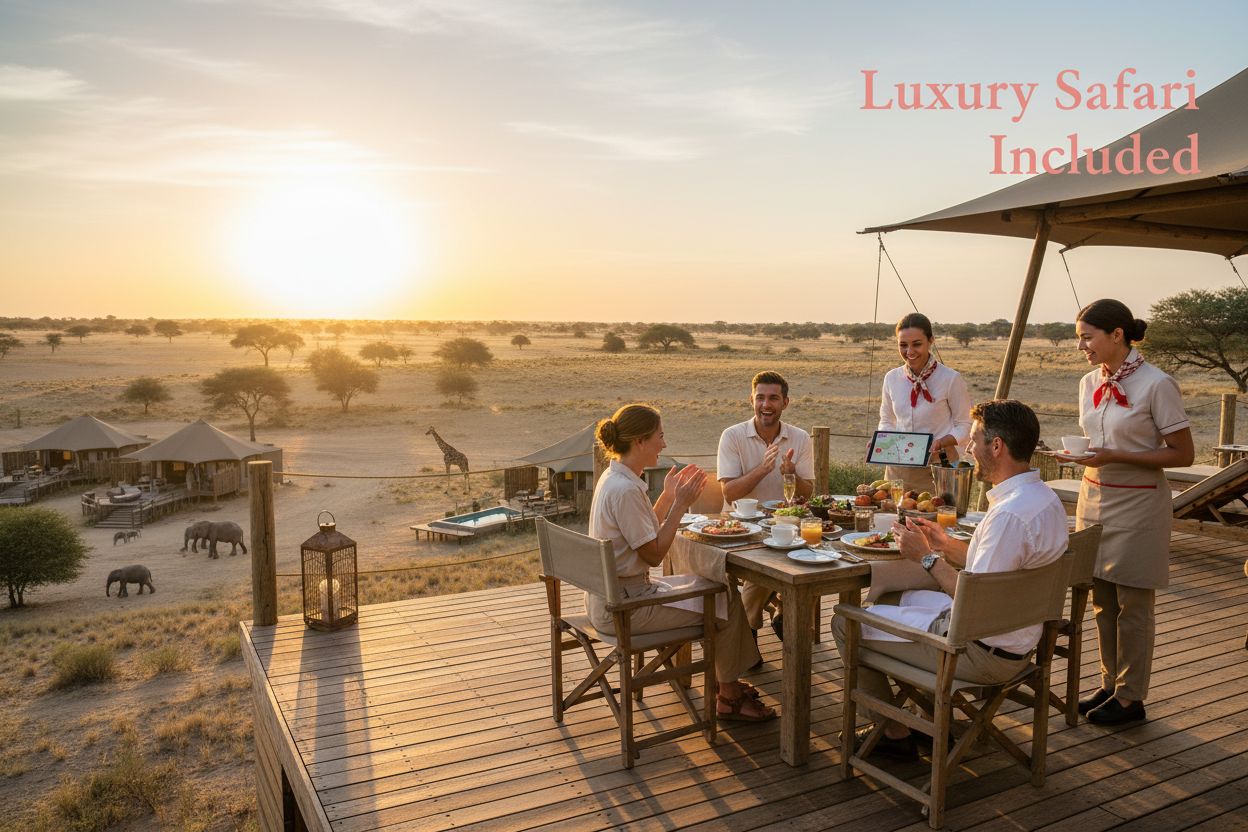
Understanding What is Included in Luxury Safaris
Explore what is included in luxury safaris, from exclusive accommodations to bespoke experiences that cater to discerning travelers.
Feb 24, 2026
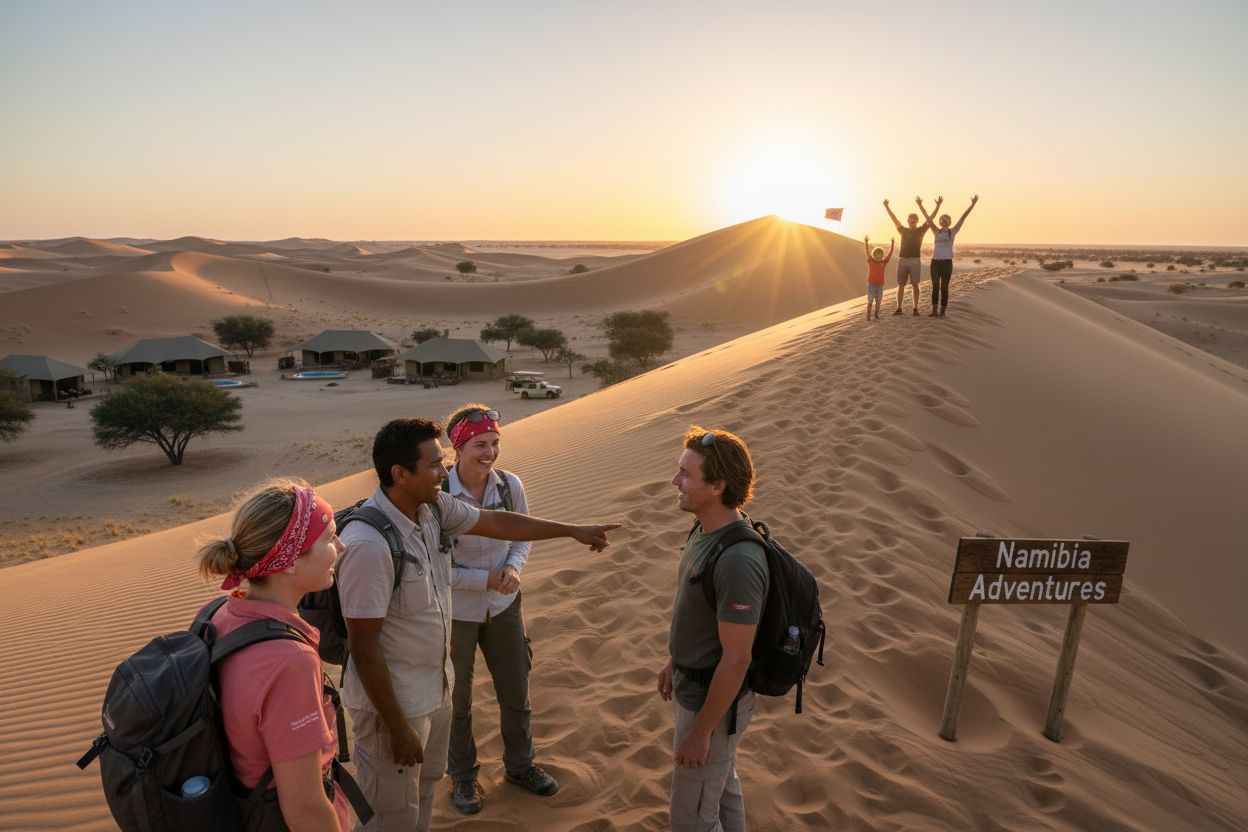
Why Namibia Adventures Matter: An In-Depth Look
Discover why Namibia adventures are essential for luxury travelers seeking unique, immersive experiences in nature and wildlife exploration.
Feb 23, 2026
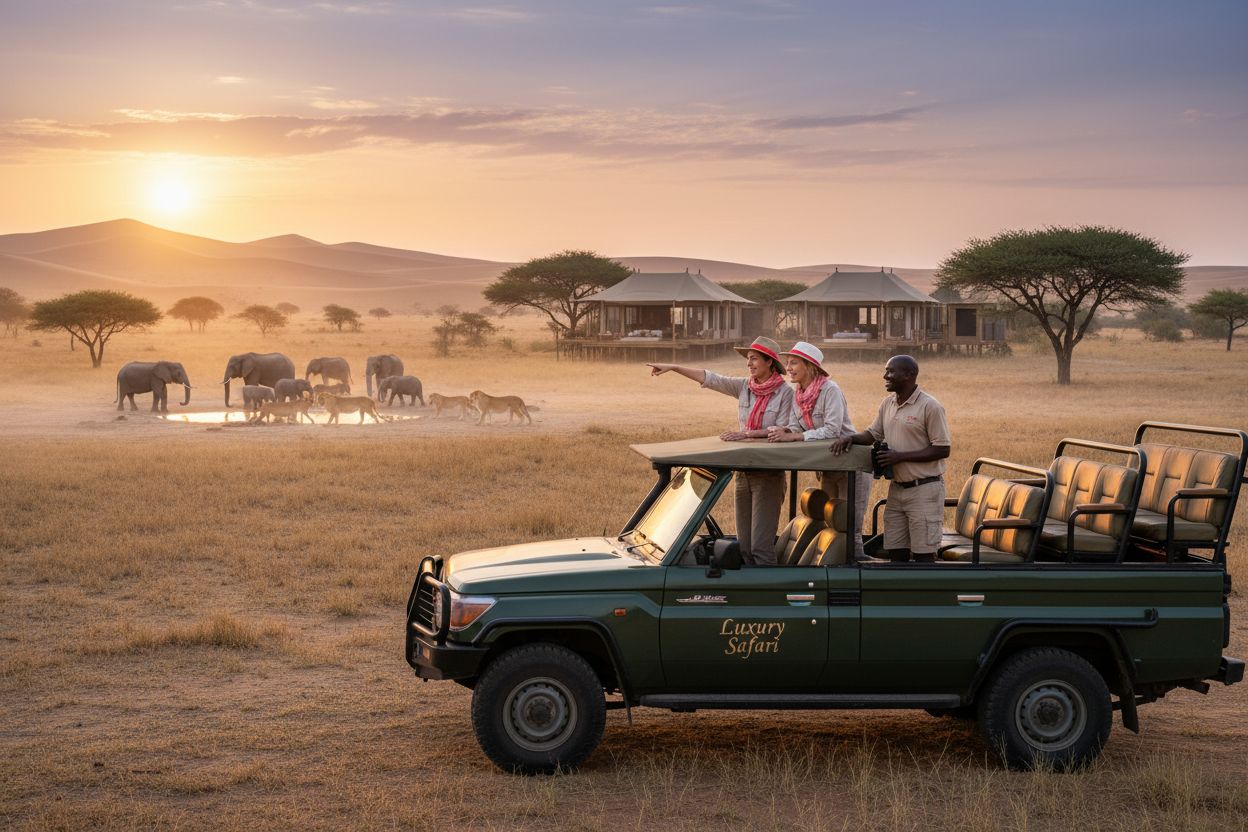
What to Expect on a Luxury Safari: A Comprehensive Guide
Discover what to expect on a luxury safari and gain a deeper understanding of the unique experiences that await you in the wild.
Feb 22, 2026
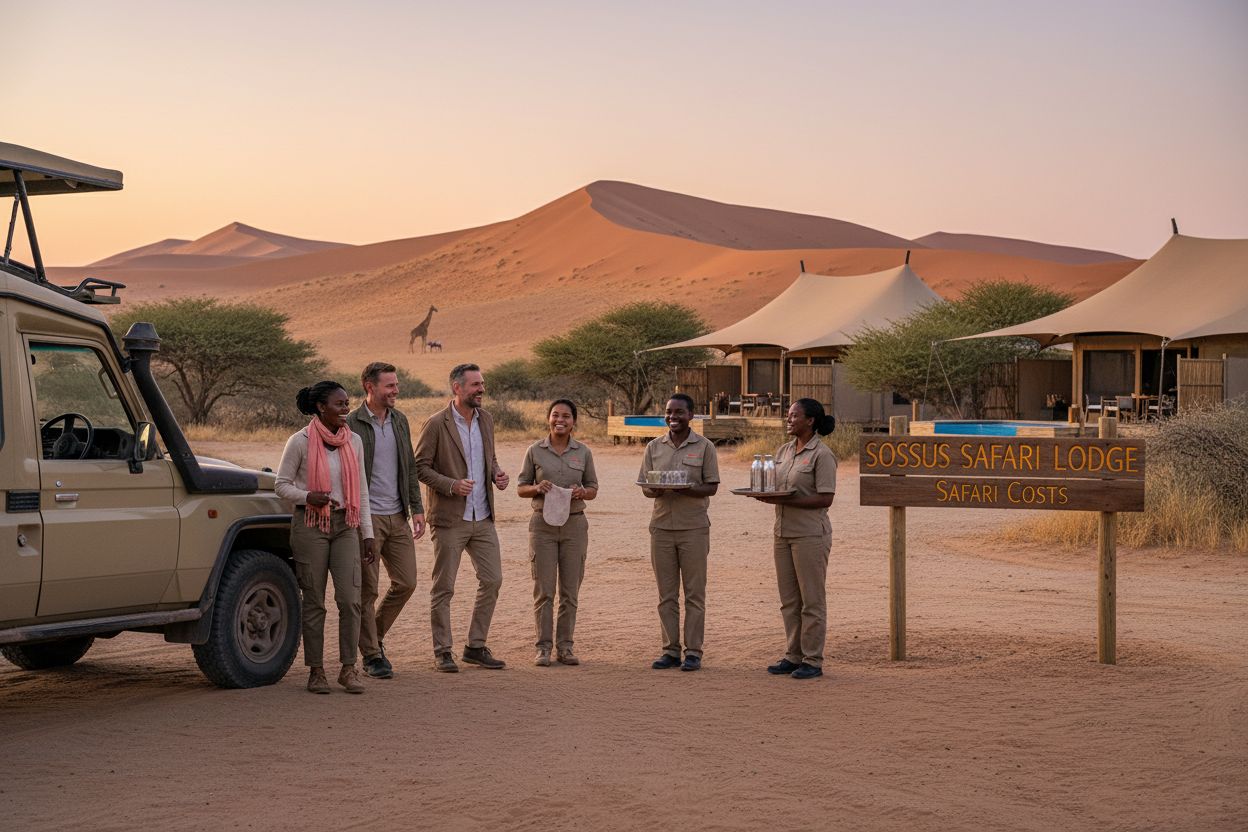
Understanding Namibia Safari Costs Explained
Explore Namibia safari costs explained to uncover what influences pricing and what it means for your adventure.
Feb 21, 2026
Understanding the Role of Safari Experts in Wildlife Travel
Explore the role of safari experts and gain a comprehensive understanding of how they enhance wildlife travel experiences for all types of travelers.
Feb 20, 2026
Guide organisation safari all inclusive : vivez l'aventure de vos rêves
Découvrez notre guide organisation safari all inclusive étape par étape pour planifier un voyage inoubliable au cœur de la nature.