
Mar 22, 2026
Discover how guided walking safaris in Namibia offer intimate wildlife encounters and ecological insights that transform luxury travelers into active wilderness participants through expert-led exploration.
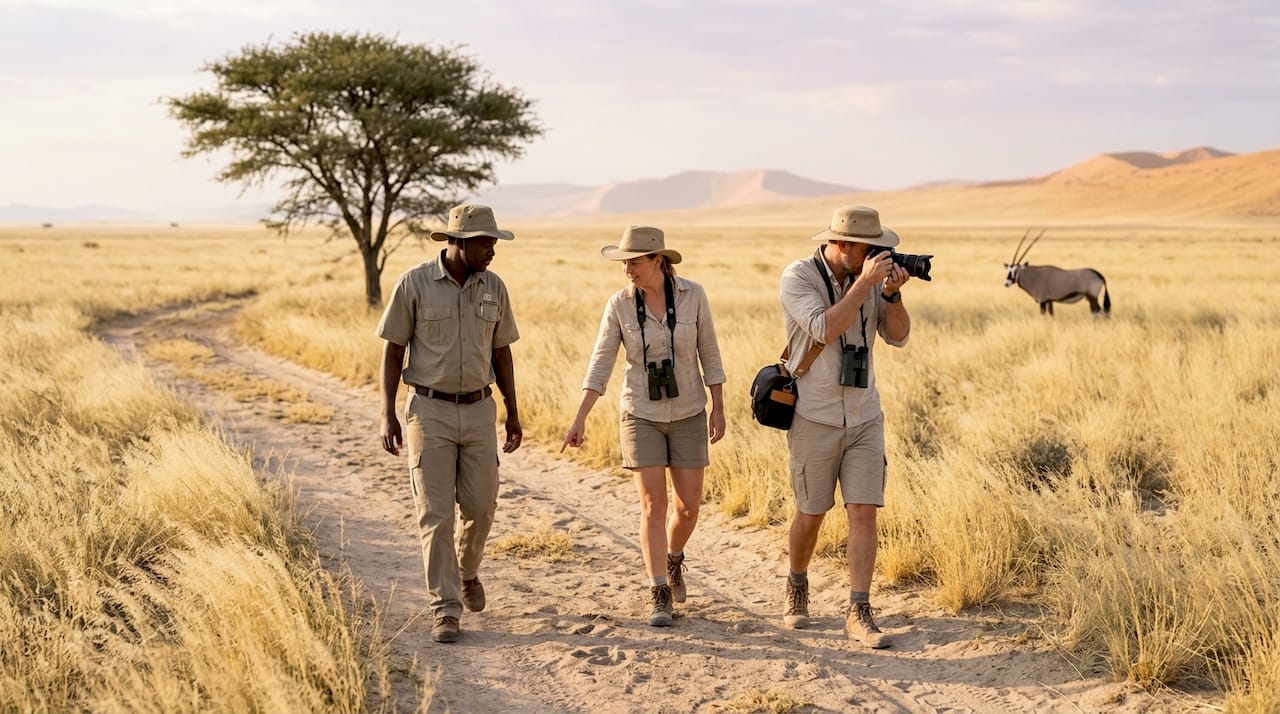
Guided walking safaris: luxury nature experiences in Namibia
Most travelers picture safaris as thrilling game drives in rugged 4x4 vehicles, scanning distant horizons for the Big Five. Yet some of Africa’s most profound wildlife encounters happen on foot, where every rustle and footprint tells a story. Guided walking safaris strip away the barrier between you and the wild, offering an intimate perspective that transforms how you experience nature. This article explores what makes these immersive journeys unique, their benefits for luxury travelers, and how to prepare for an unforgettable walking safari adventure in Namibia and Southern Africa.
Table of Contents
Key takeaways
What is a guided walking safari?
Benefits and unique experiences of guided walking safaris
Planning and preparing for a guided walking safari
Comparing guided walking safaris to other safari types
Discover luxury guided walking safaris with Secret Namibia
Frequently asked questions
Key Takeaways
Point | Details |
|---|---|
On foot immersion | Guided walking safaris offer an intimate on foot perspective, allowing you to move at human pace and notice subtle sensory details of the wild. |
Small group sizes | Small groups of four to eight guests ensure personalized attention, safety, and a lighter environmental footprint. |
Ecological education | Guides educate about ecological systems, animal behavior, plant uses, and seasonal patterns to deepen understanding beyond sightings. |
Tracking expertise | Expert guides read tracks and signs to reveal animal movements and ecological connections that vehicle safaris can miss. |
Mindfulness through movement | The physical engagement of walking creates mindfulness, heightening awareness and producing lasting safari memories. |
What is a guided walking safari?
A guided walking safari represents the most authentic way to experience African wilderness, where guided walking safaris focus on close interaction with the environment led by expert trackers and guides. Unlike vehicle-based game drives that cover vast distances, walking safaris operate at human pace, allowing you to absorb every sensory detail of your surroundings. Your guide becomes your interpreter of the bush, reading animal tracks, identifying bird calls, and explaining the intricate relationships between species and their habitat.
These expeditions typically accommodate small groups of four to eight guests, ensuring personalized attention and minimal environmental impact. Professional guides carry rifles for safety but prioritize avoidance and respect for wildlife space. The focus shifts from ticking off species lists to understanding ecological systems, where a dung beetle’s journey becomes as fascinating as spotting a leopard.
Walking safaris reveal layers of wilderness invisible from vehicles. You notice termite mounds hosting entire ecosystems, learn which plants provide traditional medicines, and understand how predators use terrain for hunting advantage. The experience engages all senses: the earthy scent after rain, the crunch of dried grass underfoot, the electric tension when fresh lion tracks cross your path.
Key elements that define guided walking safaris include:
Expert guides with extensive tracking and naturalist training
Small group sizes ensuring quality interaction and safety
Focus on ecological education rather than just wildlife sightings
Ground-level perspective revealing smaller fauna and flora details
Physical engagement creating mindful connection with nature
This intimate approach complements rather than replaces traditional game drives, and many luxury Namibia safaris combine both experiences for comprehensive wildlife exposure. The walking component adds depth and context to what you observe from vehicles, transforming passive viewing into active discovery.
Benefits and unique experiences of guided walking safaris
The transformative power of walking safaris lies in their ability to shift you from observer to participant in the African ecosystem. Walking safaris provide unparalleled opportunities to observe wildlife tracks and smaller species rarely seen on vehicle safaris, opening doors to discoveries that vehicle-bound travelers miss entirely. You develop an eye for subtle signs: the direction of bent grass indicating an animal’s passage, the age of tracks based on edge sharpness, the meaning behind different bird alarm calls.
This educational dimension appeals strongly to intellectually curious travelers seeking substance beyond photo opportunities. Your guide shares generations of accumulated knowledge about animal behavior, plant uses, and seasonal patterns. You learn to identify trees by bark texture, predict weather from cloud formations, and understand why certain animals prefer specific terrain. This knowledge transforms subsequent safari experiences, as you begin reading the landscape independently.
The physical engagement of walking creates a mindfulness that vehicle safaris cannot replicate. Your body becomes attuned to the environment, heightening awareness and creating lasting memories. Research shows that physical activity in nature reduces stress hormones while increasing endorphin production, making walking safaris both adventure and wellness experience.
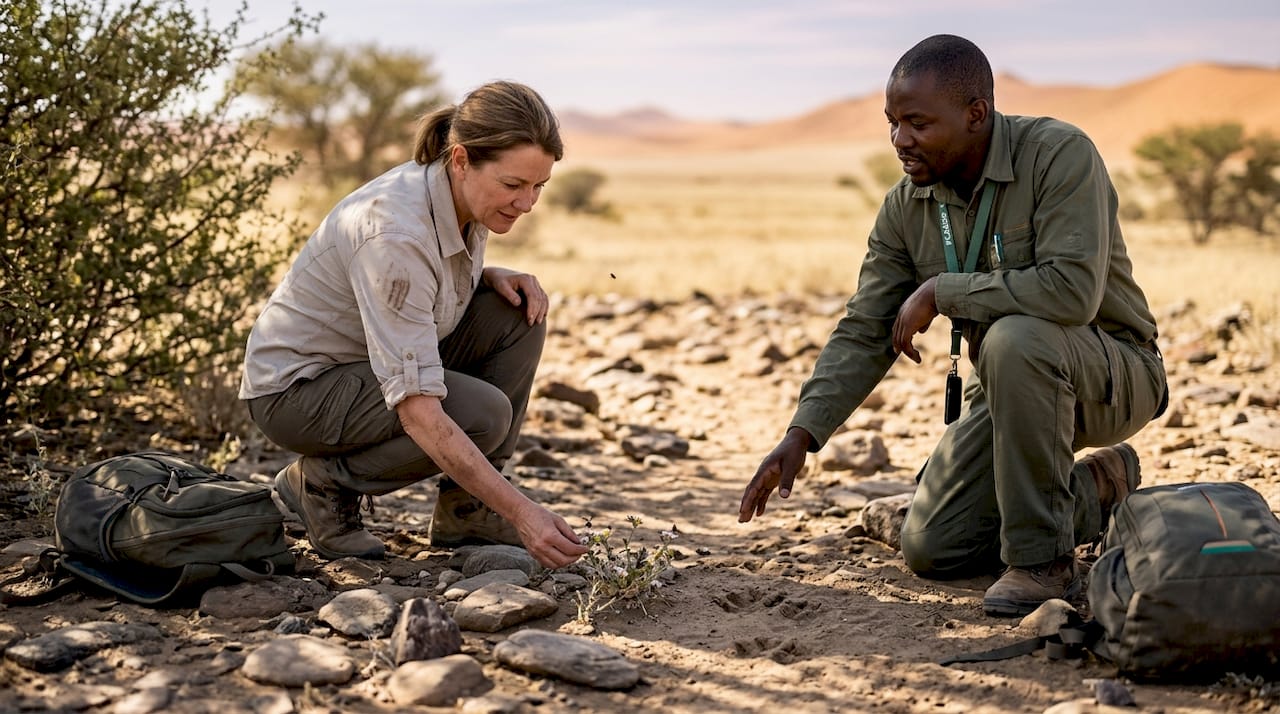
Exclusivity represents another compelling benefit for luxury travelers. Small group sizes and personalized pacing ensure your experience aligns with your interests and fitness level. Guides adapt routes based on recent animal activity and guest preferences, creating bespoke encounters impossible with larger vehicle-based groups.
Distinct advantages of walking safaris include:
Close observation of insects, reptiles, and small mammals overlooked on drives
Understanding of tracking skills and traditional bush knowledge
Physical and mental health benefits from nature immersion
Intimate group dynamics fostering meaningful connections
Cultural insights into indigenous relationships with wilderness
Pro Tip: Request a tracking-focused walk where your guide demonstrates how to read animal signs, then practice identifying species from their spoor. This skill enriches every subsequent safari experience and connects you deeply with traditional African knowledge systems.
The sensory richness of walking safaris creates emotional resonance that endures long after your journey ends. Many travelers report that their walking safari moments, rather than vehicle sightings, become their most treasured memories. To maximise safari adventure potential, combining walking and driving experiences provides comprehensive wilderness understanding.
Planning and preparing for a guided walking safari
Proper preparation ensures your walking safari delivers maximum enjoyment while maintaining safety and comfort. Physical fitness requirements remain moderate for most walking safaris, with typical excursions covering three to six kilometers over two to four hours. However, terrain varies from flat floodplains to rocky hillsides, so assess your comfort level honestly when booking.
Clothing choices significantly impact your experience. Neutral earth tones like khaki, olive, and brown help you blend into the environment, reducing wildlife disturbance. Long sleeves and pants protect against sun, thorns, and insects while maintaining coolness through breathable fabrics. Quality walking boots with ankle support prevent injuries on uneven ground, and your feet will thank you after several hours navigating rocky paths.
Health precautions deserve careful attention, as health and safety protocols are critical for walking safari success and guest confidence. Consult travel health specialists about recommended vaccinations and malaria prophylaxis for your specific destination and season. Namibia’s malaria risk varies by region and time of year, with northern areas requiring more precaution than southern desert regions.
Essential preparation steps include:
Break in walking boots thoroughly before your trip to prevent blisters
Pack lightweight, moisture-wicking layers for temperature fluctuations
Bring a wide-brimmed hat and high-SPF sunscreen for sun protection
Include insect repellent with DEET for effective mosquito deterrence
Carry a small daypack for water, camera, and personal items
Arrange comprehensive travel insurance covering medical evacuation
Timing significantly influences walking safari quality. Early morning walks between 6:00 and 9:00 AM offer optimal wildlife activity and comfortable temperatures. Late afternoon excursions from 4:00 PM until dusk provide excellent lighting for photography and increased animal movement as temperatures cool. Midday heat makes walking uncomfortable and reduces wildlife visibility.
Seasonal considerations affect both comfort and wildlife concentrations. Dry season months typically offer easier walking conditions and concentrated wildlife around water sources, while wet season brings lush landscapes and excellent bird watching despite occasional rain interruptions.
Pro Tip: Practice walking in your safari clothing and boots for several weeks before departure. This reveals any comfort issues while building stamina and ensuring your gear performs as expected in field conditions.
Mental preparation matters as much as physical readiness. Walking safaris require following guide instructions precisely, maintaining silence when requested, and accepting that wildlife encounters cannot be guaranteed. This mindset shift from expectation to appreciation enhances your experience immeasurably. Review your safari itinerary for Namibia carefully to understand how walking safaris integrate with other activities.
Comparing guided walking safaris to other safari types
Understanding how walking safaris differ from other options helps you select experiences matching your priorities and expectations. Walking safaris offer a more intimate, ecological experience compared to vehicle safaris, which cover broader areas, with each format excelling in different aspects of wildlife exploration.
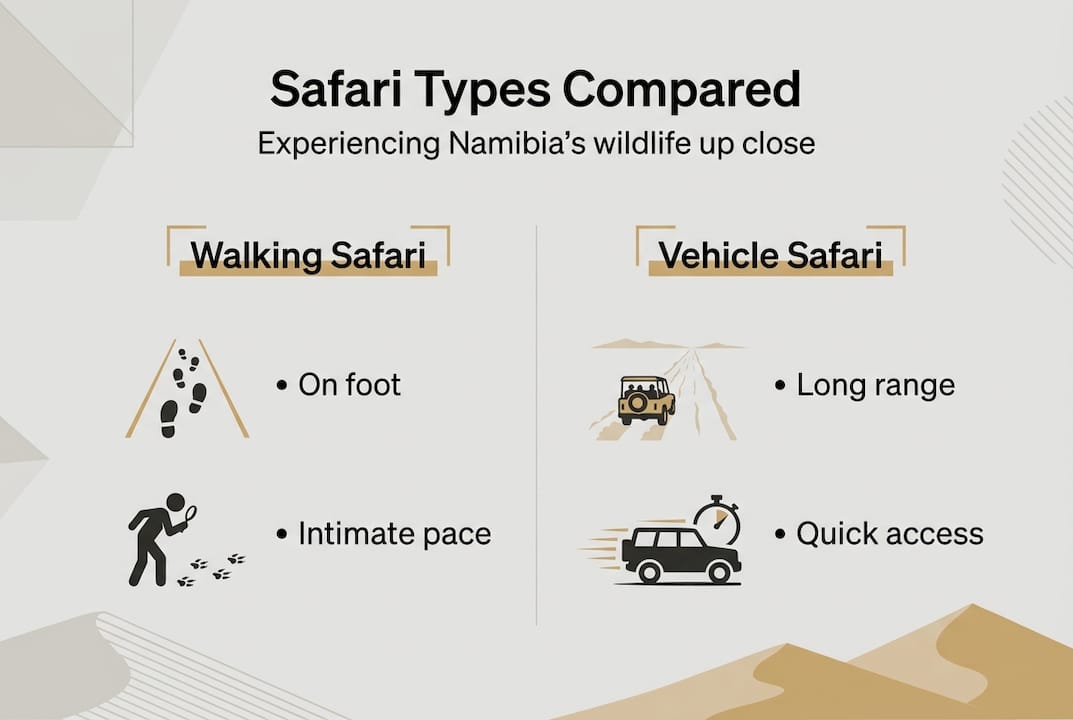
Vehicle safaris provide comfort, speed, and protection, making them ideal for covering large territories and approaching potentially dangerous animals safely. They accommodate varied fitness levels and protect against weather extremes. However, the vehicle creates a barrier between you and the environment, filtering sounds and scents while limiting perspective to what’s visible from elevated seats.
Safari type | Pace | Wildlife range | Physical demand | Intimacy level | Best for |
|---|---|---|---|---|---|
Guided walking | Slow, immersive | Smaller fauna focus | Moderate | Very high | Ecological learning |
Vehicle game drive | Fast, extensive | Large mammals | Minimal | Moderate | Species diversity |
Boat safari | Leisurely | Aquatic species | Minimal | Moderate | Waterbirds, hippos |
Fly-in safari | Very fast | Multiple regions | Minimal | Low | Time-limited travelers |
Walking safaris excel at revealing ecological relationships and smaller species that vehicle passengers overlook. The ground-level perspective shows you dung beetles, chameleons, and intricate insect behavior. You experience temperature changes throughout the day and understand how animals adapt to heat through behavior and physiology.
Comfort considerations differ significantly between formats. Vehicles provide shade, seating, and protection from elements, while walking exposes you directly to sun, heat, and occasional rain. However, many travelers find the physical engagement and sensory richness of walking more rewarding than vehicle comfort. Luxury walking safaris balance these factors through shorter distances, strategic timing, and high-end camp amenities for post-walk relaxation.
Audience suitability varies by format:
Walking safaris suit active travelers seeking educational depth and nature connection
Vehicle safaris accommodate all ages and fitness levels with maximum comfort
Boat safaris appeal to those interested in aquatic ecosystems and bird watching
Fly-in safaris serve time-constrained visitors wanting diverse region exposure
Ideal safari itineraries often combine multiple formats, using vehicles for game-rich areas and long distances while incorporating walks for ecological education and intimate encounters. This variety maintains engagement and provides comprehensive wilderness understanding. A classic Namibia safari might blend self-drive flexibility with guided walking components at key destinations.
Walking safaris particularly shine in areas with rich biodiversity but lower large mammal densities, where the focus shifts from iconic species to ecosystem understanding. They also excel during shoulder seasons when comfortable temperatures make walking pleasant and wildlife remains active throughout longer daylight hours.
Discover luxury guided walking safaris with Secret Namibia
Transform your understanding of African wilderness through expertly crafted walking safari experiences that reveal nature’s hidden dimensions. Secret Namibia specializes in luxury Namibia safaris that seamlessly integrate guided walking components with premium accommodations and personalized service. Our safari architects design itineraries balancing adventure and comfort, ensuring each walking experience matches your fitness level and interests.
Our partnerships with Namibia’s finest lodges and most experienced guides guarantee authentic encounters without compromising luxury standards. Whether you seek ecological education, photography opportunities, or simply deeper nature connection, we craft tailor-made safaris reflecting your vision. From Etosha’s wildlife concentrations to the Namib Desert’s stark beauty, our walking safari options showcase Southern Africa’s diverse ecosystems through expert-led exploration.
Pro Tip: Combine walking safaris with complementary activities like night drives and cultural visits for comprehensive destination understanding. Our team helps sequence experiences for optimal pacing and maximum impact.
Contact Secret Namibia today to begin designing your bespoke walking safari adventure. Our detailed step by step safari itinerary planning ensures every element aligns with your expectations, creating memories that transcend typical safari experiences.
Frequently asked questions
How do walking safaris differ from vehicle safaris?
Walking safaris operate at human pace, focusing on ecological details and smaller species rather than covering large distances to find big game. You engage all senses and learn tracking skills, while vehicles prioritize comfort and broader wildlife coverage. Most luxury itineraries combine both formats for comprehensive experiences.
What safety measures protect guests during walking safaris?
Professional guides carry rifles and maintain constant communication via radio with base camps. They receive extensive training in wildlife behavior and emergency response protocols. Guests follow strict briefing instructions about maintaining group cohesion, staying quiet when required, and responding to guide signals during unexpected animal encounters.
What fitness level do walking safaris require?
Most walking safaris need moderate fitness equivalent to walking three to six kilometers over uneven terrain in warm conditions. Pace remains leisurely with regular stops for observation and discussion. Guides adapt routes based on group capabilities, and luxury operators offer varied difficulty options matching different fitness levels.
Which regions and seasons work best for walking safaris?
Namibia’s cooler months from May through September provide ideal walking conditions with comfortable temperatures and concentrated wildlife around permanent water sources. Northern regions like Caprivi offer lush walking environments, while desert areas provide unique geological and adaptation-focused experiences. Timing depends on your temperature preferences and wildlife priorities.
What luxury amenities accompany walking safari experiences?
Premium walking safari packages include boutique lodge accommodations with spa facilities, gourmet dining, and private guides. Many lodges provide post-walk refreshments at scenic viewpoints and offer equipment like binoculars and field guides. Transportation between walking areas occurs in comfortable vehicles, and camps maintain high staff-to-guest ratios ensuring personalized attention throughout your stay.
Recommended
RELATED
Safari Guides
Oct 30, 2025
Understanding What is Included in Luxury Safaris
Explore what is included in luxury safaris, from exclusive accommodations to bespoke experiences that cater to discerning travelers.
Feb 24, 2026
Why Namibia Adventures Matter: An In-Depth Look
Discover why Namibia adventures are essential for luxury travelers seeking unique, immersive experiences in nature and wildlife exploration.
Feb 23, 2026
What to Expect on a Luxury Safari: A Comprehensive Guide
Discover what to expect on a luxury safari and gain a deeper understanding of the unique experiences that await you in the wild.
Feb 22, 2026
Understanding Namibia Safari Costs Explained
Explore Namibia safari costs explained to uncover what influences pricing and what it means for your adventure.
Feb 21, 2026
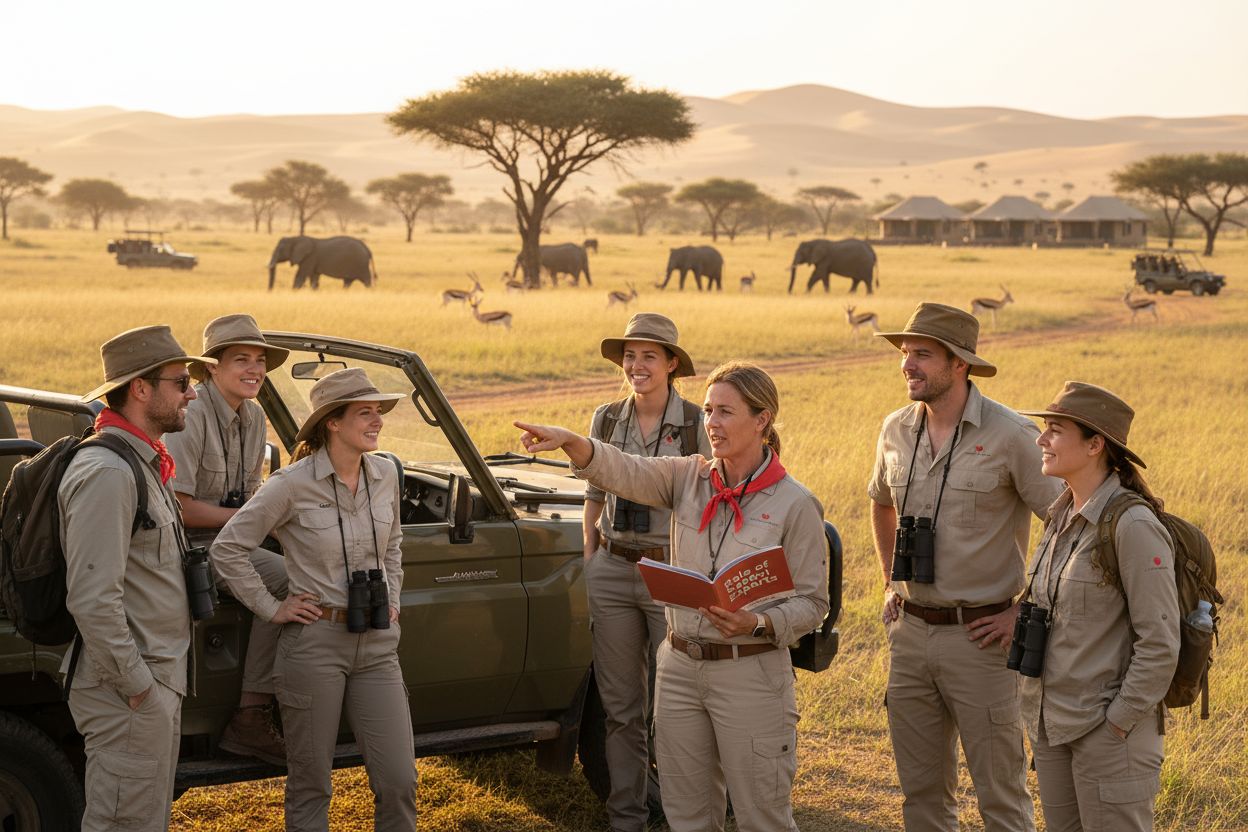
Understanding the Role of Safari Experts in Wildlife Travel
Explore the role of safari experts and gain a comprehensive understanding of how they enhance wildlife travel experiences for all types of travelers.
Feb 20, 2026
Guide organisation safari all inclusive : vivez l'aventure de vos rêves
Découvrez notre guide organisation safari all inclusive étape par étape pour planifier un voyage inoubliable au cœur de la nature.