
Best Time to Visit Namibia: Month-by-Month Guide to Weather, Wildlife and Crowds
Quick answer
The best time to visit Namibia is the dry season from May to October, when Windhoek sees almost no rain and wildlife gathers at waterholes. September is our pick for a first trip: warm days (about 28°C in Windhoek, 33°C in Etosha), cool nights and little rain. July and August are coolest. November to April is the green season.
At a glance
| Best months overall | May to October (dry season); September is our pick for a first trip |
|---|---|
| Driest months | June, July and August (about 1 mm a month in Windhoek) |
| Wettest months | January to March (roughly 70 to 95 mm a month in Windhoek, depending on source) |
| Coolest nights | July: about 6 to 8°C in Windhoek, about 11°C in Etosha, about 9°C at Swakopmund |
| Hottest month in Etosha | October (about 34°C average daytime high) |
| Namibian school holidays 2027 | About 29 April to 31 May, 25 August to 6 September, and 9 December to mid-January |
| Green season | November to April, with the heaviest rain January to March |
| Climate data basis | Commercial climate sites, as of November 2026; no official monthly dataset was used |
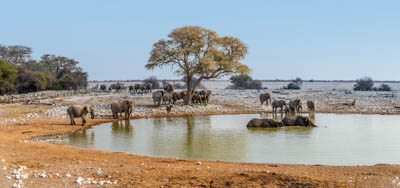
For most travellers the best time to visit Namibia is the dry season, from May to October. Skies are clear, rain is rare, and game concentrates around waterholes. Within that window, September gives the best balance of weather, wildlife and crowds. This guide explains each month, then answers the specific questions we hear most often. Climate figures come from commercial climate sites, not an official Namibian dataset, so treat them as a guide. All prices quoted are in US dollars and current as of November 2026.
What is each month like (rain, temperature, wildlife)?
Namibia has a long dry season (May to October) and a shorter wet season (November to April). Rain is heaviest from January to March, and the coast stays dry and cool all year. The tables below give the numbers, followed by a month-by-month summary.
How much rain falls each month?
Windhoek is rainless from roughly 5 May to 23 October, according to Weather Spark. February is the wettest month, and June and July are the driest. Sources disagree slightly on exact millimetres, so the figures below use weather2travel for rainfall and Weather Spark for rain days.
| Month | Windhoek rain (mm) | Rain days |
|---|---|---|
| January | 73 | 9.9 |
| February | 85 | 9.9 |
| March | 85 | 8.2 |
| April | 33 | 4.3 |
| May | 6 | 0.9 |
| June | 1 | 0.1 |
| July | 1 | 0.1 |
| August | 1 | 0.2 |
| September | 3 | 0.6 |
| October | 12 | 2.1 |
| November | 25 | 4.2 |
| December | 34 | 6.1 |
Windhoek averages about 370 mm a year, according to Info Namibia. Etosha gets a similar annual total, and a secondary source puts about two-thirds of it in January to March.
How hot is it, and how does Etosha compare with Windhoek?
Etosha is warmer than Windhoek in every month. African Explorers gives these average day and night temperatures. March, April, June and December were not available to us, but they sit between their neighbours: March and April between February and May, and June close to July.
| Month | Windhoek day/night (°C) | Etosha day/night (°C) |
|---|---|---|
| January | 29/17 | 31/20 |
| February | 28/17 | 31/20 |
| May | 23/10 | 28/15 |
| July | 21/6 | 25/11 |
| August | 24/8 | 29/13 |
| September | 28/11 | 33/17 |
| October | 30/14 | 34/20 |
| November | 30/15 | 33/20 |
Why is the coast so different?
Swakopmund and Walvis Bay sit beside the cold Atlantic, so they are cool all year and almost rainless. Info Namibia attributes the mild range to a constant south-westerly wind, and it describes the coast as foggy compared with the sunny interior. We have no verified figures for fog frequency, so pack a jacket for the coast in any month.
| Month | Swakopmund min/max (°C) |
|---|---|
| January | 15/20 |
| February | 16/21 |
| March | 15/20 |
| April | 13/18 |
| May | 11/18 |
| June | 11/20 |
| July | 9/18 |
| August | 9/16 |
| September | 10/16 |
| October | 11/16 |
| November | 13/18 |
| December | 14/19 |
These are climate normals from Climates to Travel. The sea reaches only about 17°C in January to March.
Month by month at a glance
The wildlife notes below are general seasonal patterns from our specialists' judgement of how Namibia's safari seasons work, not measured data. Conditions vary from year to year, so ask us before fixing dates around a particular sighting.
| Month | Weather | What it means for a safari |
|---|---|---|
| January | Hot and green, frequent storms | Lush scenery, birdlife and young animals are likely, but game is more spread out and gravel roads can turn muddy. |
| February | Wettest month | Greenest landscapes, the hardest wildlife viewing, and the most weather risk on self-drive routes. |
| March | Heavy rain, easing late | Still green and quiet. A good month for travellers who accept some rain. |
| April | Rain fading, clearing skies | Fresh scenery and improving roads. Namibian school holidays begin around the end of the month in 2027. |
| May | Dry, cooling, clear | Start of the dry season. Comfortable days, cool mornings and good value before the peak. |
| June | Dry, cold nights | Crisp, clear light. Game starts to favour waterholes as surface water shrinks. |
| July | Coolest month | Cold early mornings and warm afternoons. Waterholes are increasingly reliable for sightings. July is not a Namibian school holiday. |
| August | Cool, wind and dust pick up | Strong waterhole viewing, but dust and haze can affect photographs and comfort. |
| September | Warm and dry | Our pick for a first trip: dry roads, warm days, cool nights and active waterholes. |
| October | Hottest month in Etosha | Very hot days, with game concentrated at water. Storm risk rises towards month end. |
| November | Hot, first storms | The land begins to turn green. Fewer visitors, and dramatic skies. |
| December | Hot, rain on and off | Domestic and South African school holidays begin in the second week. Expect holiday-season demand at some camps. |
When is the best time for Etosha?
For wildlife viewing, the best time for Etosha is the late dry season, roughly July to October, when animals depend on the waterholes and are easiest to find. One independent guide, Cycloscope, gives the same July to October window. Etosha is also hot at the end of that period, with an average daytime high of about 34°C in October.
Why does the dry season suit Etosha?
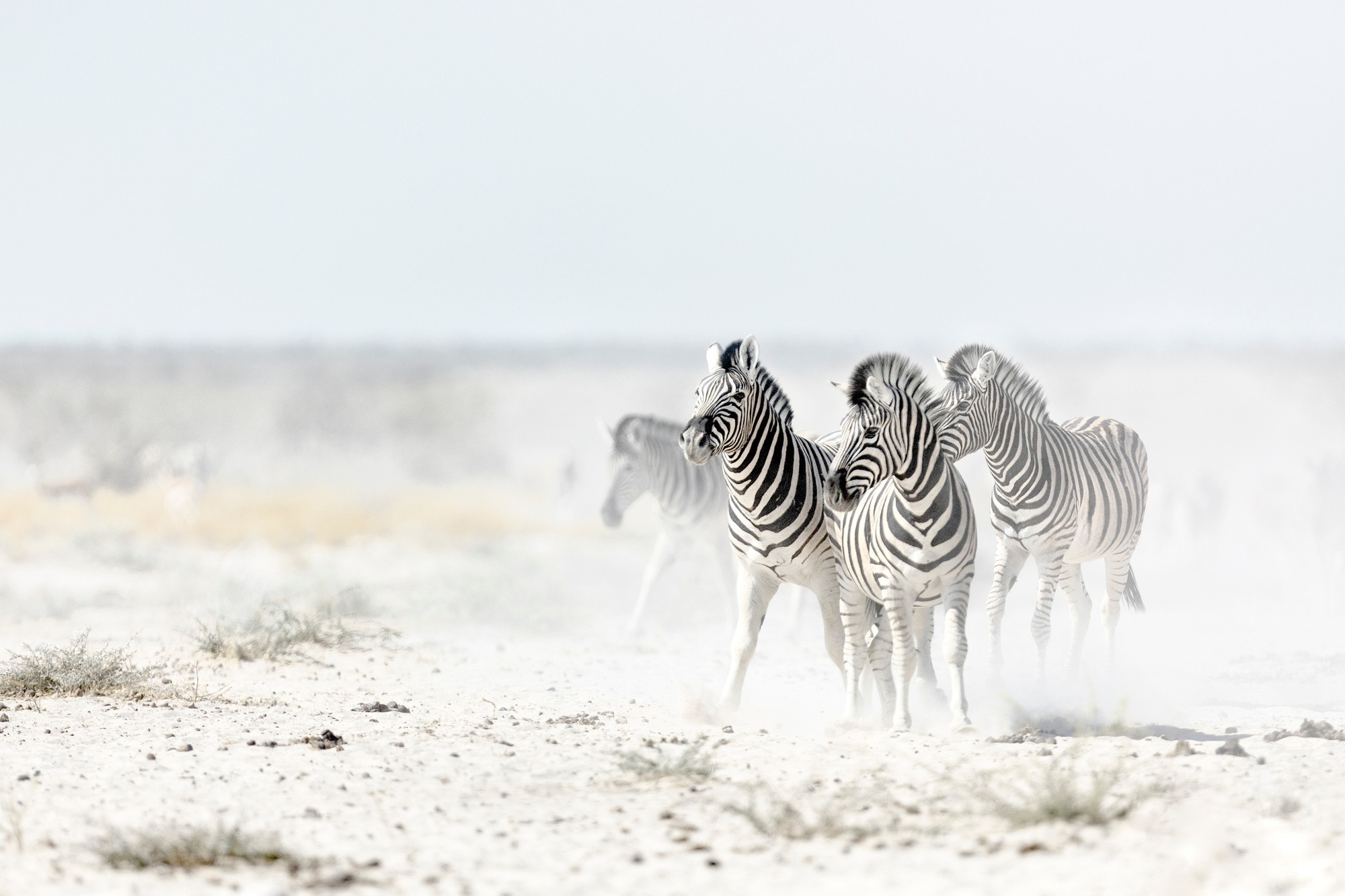
In the dry months there is almost no rain in the park. Natural water sources shrink, so elephants, zebra, springbok and the predators that follow them visit the waterholes more often and in larger numbers. Waterhole sitting becomes the core of the safari, and Etosha's floodlit waterholes at the rest camps work well for evening and night viewing.
What do you give up in the green season?
From January to March, rain gives game many more places to drink, so animals spread out and are harder to find. Foliage is thicker and some gravel roads are rougher. You gain birdlife, newborn animals, green scenery and often quieter lodges.
Which part of the park should I choose?
Etosha is large and each area differs. Our own pages cover Etosha National Park as a whole, with separate guides to the east, south and west. If you want a short, focused visit, our 5 Day Etosha National Park Self Drive Safari starts from US$2,210 per person.
Park fees were revised on 1 April 2026, according to independent Etosha guides such as Etosha Gates: Times and Fees. Older pages still quote the previous rates. Confirm the current schedule, child fees and gate times with Namibia Wildlife Resorts before you travel, because the independent sources disagree on children's fees.
When is the best time for Sossusvlei photography?
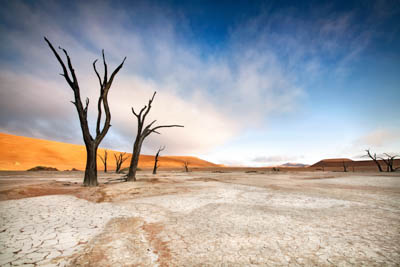
The best months for Sossusvlei photography are generally May to September, when skies are clear and rain is almost absent. Early morning and late afternoon give the best light on the red dunes and white clay pans at any time of year, and the dry season gives the most reliable skies. August is the exception to watch, because African Explorers notes wind and dust picking up in that month.
What changes by season?
- May to July: clear, crisp air and very cold starts. Dress warmly for sunrise.
- August: wind and dust can soften distance shots and cause problems for camera sensors. Bring a lens cloth and keep gear covered.
- September and October: warm, dry, usually settled light. Midday gets hot, so plan to shoot early and late.
- November to April: more cloud and storm drama, which some photographers prefer. Heat is high, and an occasional rain-fed pan makes for rare reflections.
What about gate times and access?
Sesriem and Sossusvlei gate times follow sunrise and sunset, which change through the year. We could not verify current gate times, the Sesriem entrance fee, or the rules for the road to the 2x4 car park, so check them when you book. Staying inside the park boundary or at a lodge with early access, such as &Beyond Sossusvlei Desert Lodge, can make an early start easier. See our Sossusvlei destination page and our wildlife photography tips for more on kit and technique.
How cold are winter nights?
Winter nights in Namibia are cold, especially inland. In July the average night low is about 6 to 8°C in Windhoek, about 11°C in Etosha and about 9°C at Swakopmund. Daytime highs in the same month are mild: around 21 to 22°C in Windhoek and 25°C in Etosha.
Are the desert and canyon areas colder than Windhoek?
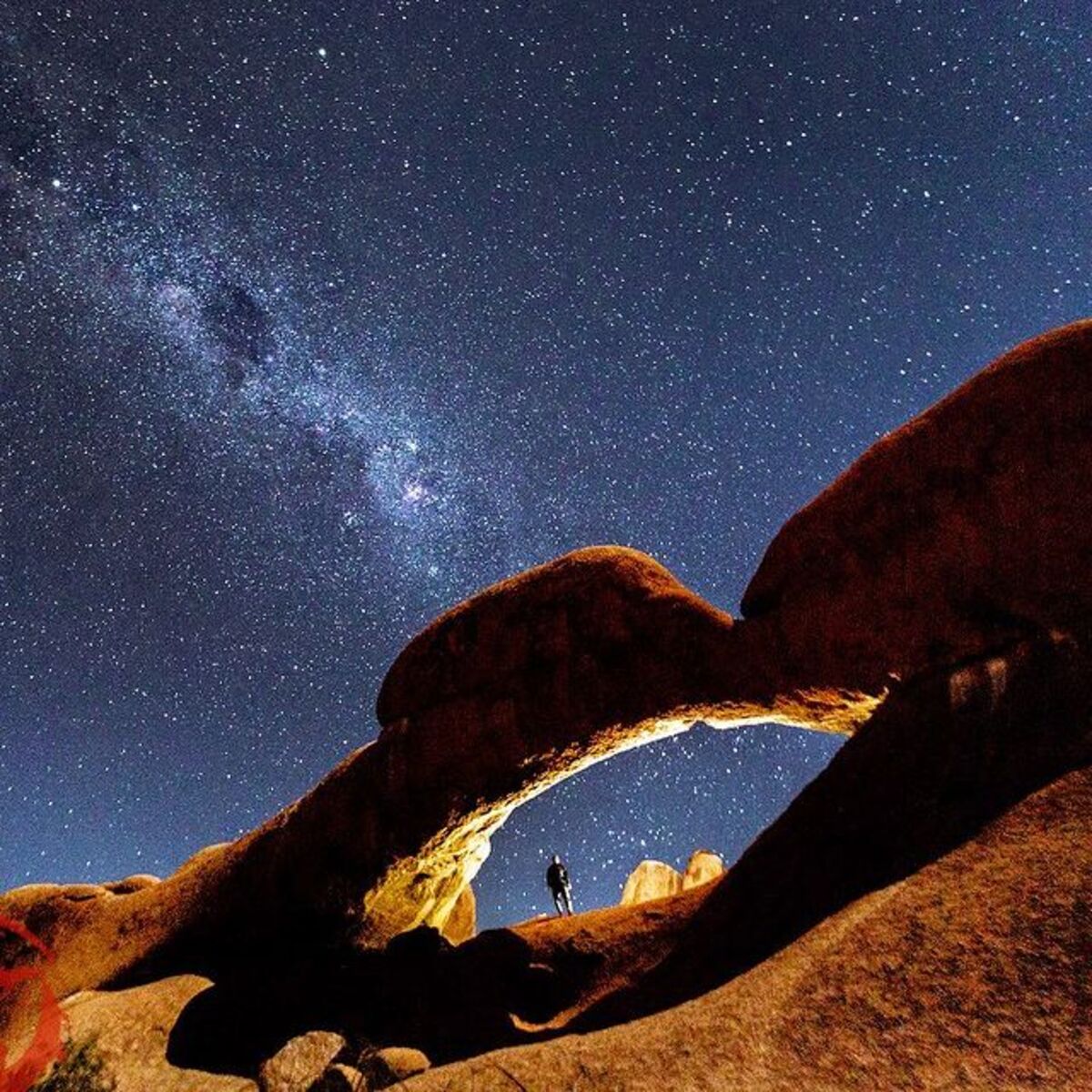
Yes, in our judgement, and often by a margin that surprises people. Clear skies and dry air let heat escape quickly, so the desert edge, the Namib-Naukluft, Damaraland and Fish River Canyon can have much colder early mornings than the Windhoek average suggests. Frost is possible at some of these places on winter nights. We have no official dataset to quote, so use the station averages above as a rough guide only and ask us for current local guidance.
What should I pack for an early game drive?
Open game vehicles feel colder than the temperature suggests because of wind chill. Pack a warm fleece or down jacket, a beanie, gloves and a scarf for early starts in June to August, and layers you can strip off by mid-morning. Lodges often provide blankets and hot drinks, but your own clothes matter more.
July or August: which is better?
| Factor | July | August |
|---|---|---|
| Windhoek night/day | 6/21°C | 8/24°C |
| Etosha night/day | 11/25°C | 13/29°C |
| Rain | About 1 mm | About 1 mm |
| Wind and dust | Less | Picks up |
| Namibian school holidays (2027) | None | From about 25 August |
Choose July if you want the clearest air and the least dust, and can cope with the coldest mornings. Choose August if you prefer slightly warmer nights and want the busiest waterholes, and accept some wind and dust.
When are the school-holiday peaks?
In 2027, Namibian school holidays fall roughly from 29 April to 31 May, 25 August to 6 September, and from 9 December to mid-January. These windows are our inference from the government calendar, not a published holiday list. Since 2026 Namibia has used a three-term calendar, so the old long June to July winter break no longer exists and July is not a Namibian school holiday.
What are the 2027 school terms?
The Ministry of Education, Innovation, Youth, Sports, Arts and Culture published the 2027 calendar, reported by Informanté. The three-term system returned in 2026, according to NBC.
| Term | Dates in 2027 |
|---|---|
| Term 1 | 13 January to 28 April (mid-term break 23 to 25 March) |
| Term 2 | 1 June to 24 August |
| Term 3 | 7 September to 8 December |
Which public holidays matter?
According to timeanddate, notable 2027 dates include Independence Day on 21 March (observed on Monday 22 March because the 21st is a Sunday), Good Friday on 26 March, Easter Monday on 29 March, Heroes' Day on 26 August and Human Rights Day on 10 December. Expect busier camps and fuller roads around the long weekends.
Do South African school holidays matter?
Yes, because many self-drive visitors come from South Africa. Gauteng dates for 2027 include Term 1 closing on 19 March, Term 2 closing on 25 June and reopening on 20 July, and Term 3 closing on 22 September, according to Gauteng Tourism. Coastal provinces differ, so treat these as indicative.
When is the international peak?
Long-haul demand is concentrated in the dry months, so lodges and national park camps in Etosha and Sossusvlei fill earliest from about June to October. We have not verified seasonal rate bands or exact European holiday windows, so ask us for current availability and prices on your dates. The practical advice is simple: book as early as you can, especially for self-drive trips that rely on national park camps.
Is the green season worth it?
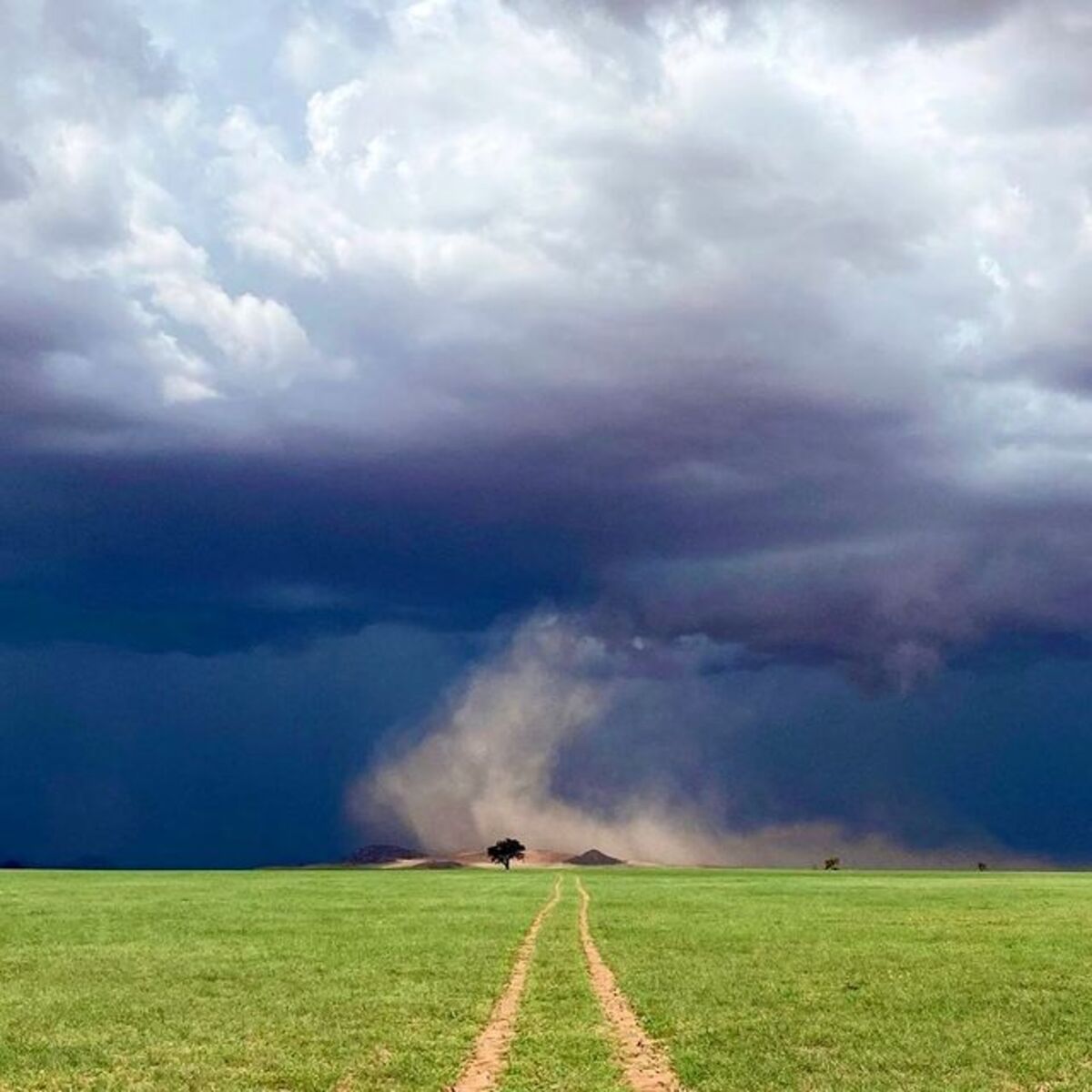
Yes, for the right traveller. The green season, from November to April, offers dramatic skies, lush scenery, birdlife, young animals and often fewer visitors. It also brings heat, rain, rougher gravel roads and harder game viewing, so it suits flexible, photography-minded or repeat visitors better than first-timers focused on big game.
What are the advantages?
- Green landscapes and dramatic skies for photography.
- Newborn animals and active birdlife are typical of the wet months.
- Quieter lodges and camps, and often more flexible availability. Ask us about seasonal rates, because we have not verified current rate bands.
What are the drawbacks?
- Heat: Etosha averages about 31°C in January and 33 to 34°C in October and November.
- Rain: the main rains fall from January to March. Heavy storms can flood gravel roads and slow self-drive journeys.
- Dispersed game: with water everywhere, animals are less predictable than at dry-season waterholes.
- Health: Etosha lies in a malaria area, and risk is generally higher in the wet season. Take advice from a travel clinic or official health guidance before you go.
- Fish River Canyon: the hiking trail has traditionally been closed in the hot months, historically 1 November to 14 April. We have not verified current dates, so check them if hiking is the reason for your trip.
Who should consider it?
Travellers who prefer fewer people, can tolerate heat, and care more about scenery and birds than guaranteed big game. We recommend building flexibility into self-drive routes in January to March.
Which month is best for a first trip?
September is the month we recommend for a first trip to Namibia. It is dry, with only about 3 mm of rain in Windhoek, warm but not at its hottest (about 28°C by day and 11°C at night in Windhoek, and 33°C and 17°C in Etosha), and waterholes are active. In 2027 the school-holiday window ends on 6 September, so most of the month falls outside Namibian holidays. This recommendation is our judgement from weather data and the school calendar.
What are the alternatives?
- May and June: cooler, clear and often better value before the dry-season peak.
- July: the coolest nights, strong waterhole viewing and no Namibian school holiday.
- October: very good game viewing, but Etosha reaches about 34°C by day.
Which of our trips suit a first visit?
Our Namibia Highlights Safari is an 11-day self-drive from US$3,272 per person, covering Sossusvlei, Swakopmund, Damaraland and Etosha. For a faster, fly-in version, the Namibia Highlights Fly In Safari takes seven days from US$6,615 per person. Prices are per person and current as of November 2026, but check the trip page for what is included and seasonal variation. If your plans continue into Botswana, Victoria Falls or South Africa, we plan those as well.
If you would like to stay near Etosha's east side for waterhole evenings, Etosha Village is one of the lodges we use. Tell us your dates and we will match the season to what you most want to see.
Frequently asked questions
Is Namibia worth visiting all year round?
Yes, because each season offers something different. The dry months from May to October are best for classic game viewing and settled weather. November to April brings green scenery, birdlife, young animals and fewer visitors, but also heat and rain. The coast is cool and dry year-round. The right month depends on whether you value wildlife, photography, value for money or quiet.
What is the cheapest time to visit Namibia?
The green season, from about November to April, is usually the quietest time and often the most flexible for rates, though we have not verified current seasonal rate bands. Shoulder months such as May and June can also offer value before the dry-season peak. Rates vary by lodge and year, so ask us to price your exact dates.
Can I self-drive in the rainy season?
Yes, but with caution. Main roads are tarred, but many routes between lodges are gravel, and heavy storms from January to March can flood or soften them. Allow extra time, avoid driving in poor light, and check conditions locally before setting out. We build more flexibility into self-drive routes during the wet months.
Does it rain at the coast in Swakopmund?
Almost never. Swakopmund has practically no rain, and the Atlantic stays cold all year, only reaching about 17°C in January to March. The coast is cooler than inland, with typical highs of 16 to 21°C and lows of 9 to 16°C. Fog can occur, so bring a warm layer even in summer.
When is the best time to see big game in Etosha?
Late in the dry season, roughly July to October, is the best time. Natural water dries up, so elephants, zebra, giraffe and predators gather at waterholes. October is the hottest month, at about 34°C by day, so many travellers prefer August or September. Sightings are never guaranteed, whichever month you choose.
How far ahead should I book a Namibia safari?
Book as early as you can for the dry season, particularly for Etosha, Sossusvlei and self-drive routes that rely on national park camps. Demand is highest from about June to October and around Namibian and South African school holidays. For quieter months you have more flexibility, but booking early still gives you the widest choice of lodges.
Do I need malaria tablets for Namibia?
It depends on where and when you travel. Etosha and some northern areas lie in a malaria zone, and risk is generally higher in the wet season, while the desert, coast and Windhoek are not typical malaria areas. We cannot give medical advice, so please check current guidance with a travel clinic or official health source before you go.
Sources
- Best Time to Visit Namibia: Month by Month (African Explorers) african-explorers.com
- Namibia weather by month (weather2travel) weather2travel.com
- Windhoek climate (Weather Spark) weatherspark.com
- Climate and Weather of Namibia (info-namibia) info-namibia.com
- Namibia climate (Climates to Travel) climatestotravel.com
- Education Ministry publishes 2027 school and hostel calendars (Informanté) informante.web.na
- Basic Education to return to three-term calendar in 2026 (NBC) nbcnews.na
- Holidays and Observances in Namibia in 2027 (timeanddate) timeanddate.com
- Gauteng School Calendar 2026 and 2027 gauteng.net
- Etosha Gates: Times and Fees (independent 2026 guide) etoshanationalpark.com.na
- Etosha Self-Drive: Fees and 2026 Guide (Cycloscope) cycloscope.net