
Aug 11, 2026
Discover thrilling adventure tours in Namibia featuring guided self-drives, stunning landscapes, and closer wildlife encounters for active travelers.
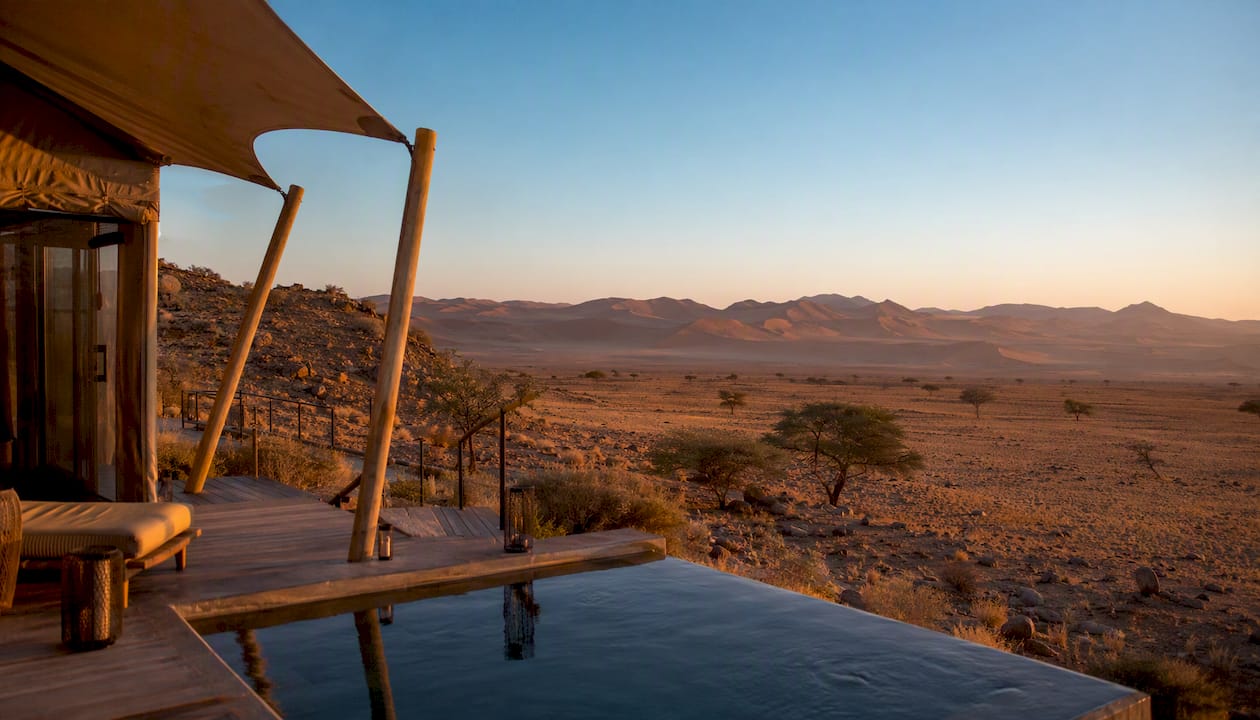
Adventure tours in Namibia for active travellers
Book a week to two-week guided or self-drive adventure combining Sossusvlei, Swakopmund, and Etosha — that single itinerary shape delivers the widest range of Namibia’s most magnificent experiences, from the world’s tallest sand dunes to prolific waterhole wildlife without spreading your days too thin. Namibia is one of Africa’s most extraordinary destinations: vast, ancient, and almost incomprehensibly beautiful, where towering crimson dunes meet a fog-shrouded Atlantic coastline and endless salt pans shimmer under an electric-blue sky.
Private game reserves and bespoke private-guided options change the experience entirely compared with standard national park group logistics. Where a national park visit means fixed gate times, shared roads, and no off-road access, a private reserve gives you flexible morning and evening game drives, exclusive waterhole positions, and guides who can tailor the pace to your fitness level and interests. The wildlife access is simply closer, and the atmosphere — dining under the stars, no other vehicles in sight — is something group tours rarely replicate.
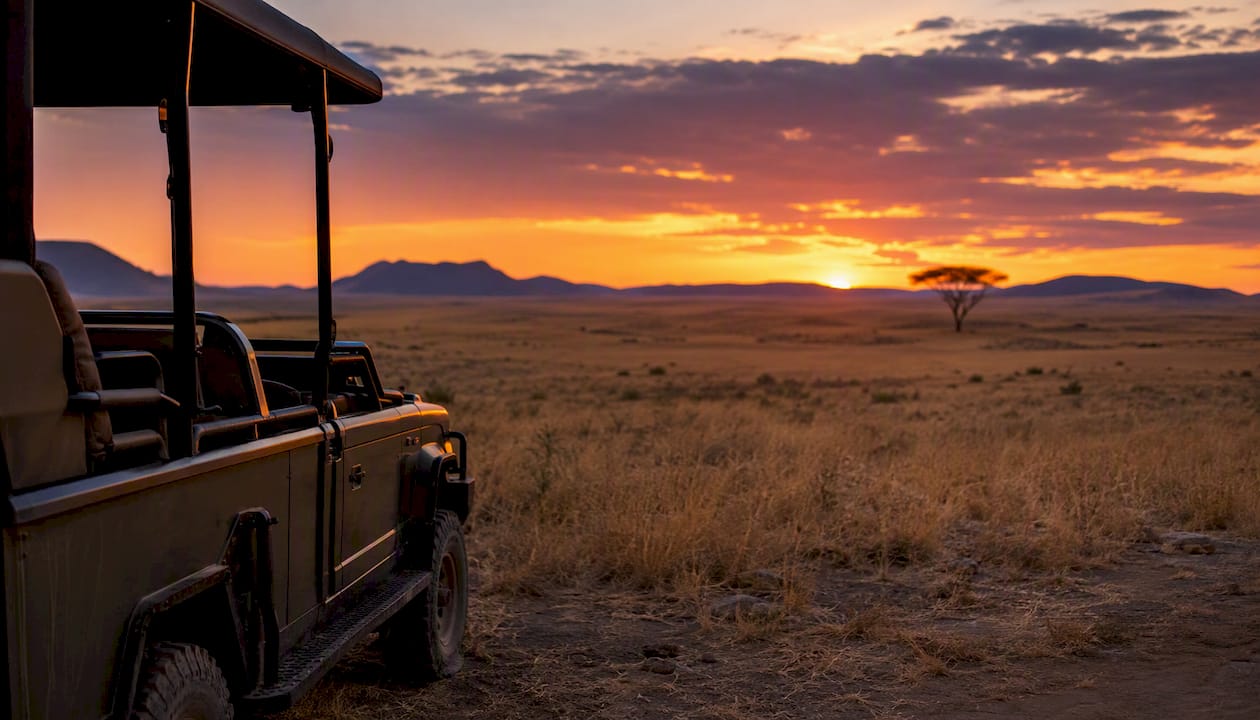
For first-timers, a private-guided tour removes logistical pressure and unlocks private-reserve access. Self-drivers with solid off-road confidence can cover similar ground independently, though a guided option is strongly recommended for remote stretches like the Skeleton Coast or Kaokoland.
Key takeaways
A 7–14 day private-guided or self-drive itinerary combining Sossusvlei, Swakopmund, and Etosha delivers the highest-value adventure experience Namibia offers, with the dry season from May through September providing the best conditions for wildlife viewing, hiking, and dune activities.
Point | Details |
|---|---|
Best itinerary shape | A 7–14 day loop covering Sossusvlei, Swakopmund, and Etosha suits most active travellers. |
Optimal travel window | May–September offers the best wildlife viewing, hiking conditions, and comfortable temperatures. |
Tour style choice | Private-guided tours unlock private-reserve access and flexible scheduling; self-drive suits confident off-road drivers. |
Budget planning | Daily rates range from roughly US$150 for self-drive to US$1,200+ for premium private-guided trips. |
Secretnamibia planning | Secretnamibia builds bespoke itineraries with local guides, private-reserve access, and conservation partnerships. |
Table of Contents
Where are the best adventure experiences in Namibia?
Which tour style suits you — guided, fly-in, self-drive, or camping?
When is the best time to go on a Namibia adventure?
What does accommodation look like on an adventure tour?
Practicalities and safety for U.S. travellers
How do you choose the right Namibian adventure tour?
What do adventure tours in Namibia typically cost?
How Secretnamibia crafts tailored adventure tours
Visa requirements for international travellers
What to pack for a Namibian adventure tour
Fitness levels and physical demands by tour type
Why bespoke adventure matters more than you might think
Plan your Namibia adventure with Secretnamibia
Sources
Where are the best adventure experiences in Namibia?
Namibia’s adventure safari landscape divides neatly into five remarkable hubs, each with its own character and activity menu.
Sossusvlei and the Namib dune fields
The Sossusvlei area is synonymous with towering apricot-red dunes and the ghostly white expanse of Deadvlei. Activities here include:
Dune hiking and climbing (Big Daddy and Dune 45 are the classic ascents)
Hot-air ballooning over the dune sea at sunrise, followed by a champagne breakfast in the desert
Dune boarding down steep slip-faces — Lonely Planet notes speeds can reach exhilarating levels on the right slopes
Swakopmund: Namibia’s adrenaline capital
Swakopmund sits where the Namib Desert meets the cold Atlantic, and the contrast produces some of Africa’s most thrilling outdoor activities. Sandboarding on the dunes outside town, quad biking, skydiving over the coastline, and kitesurfing in the reliable Atlantic winds are all on the menu. Viator’s activity listings show Sandwich Harbour 4x4 excursions starting from around US$135, and sandboarding/quad-bike combos from roughly US$49 — useful benchmarks when budgeting activity days.
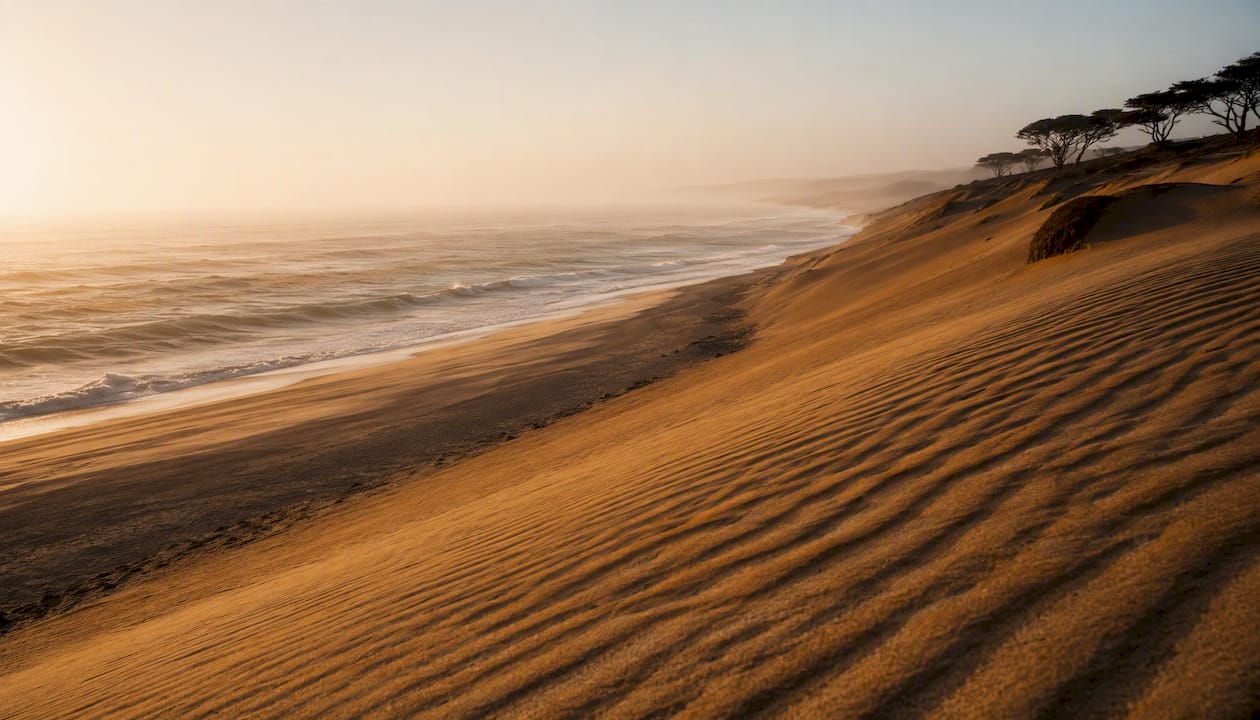
Skeleton Coast and the shipwreck shore
The Skeleton Coast is raw, wind-scoured, and genuinely remote. Guided coastal excursions reveal rusting shipwrecks, Cape fur seal colonies, and desert-adapted lions that few travellers ever encounter. Fly-in access is the most practical option for this stretch.
Fish River Canyon
The second-largest canyon in the world demands respect. The multi-day Fish River Canyon hiking trail — one of Africa’s great wilderness walks — is seasonally open in cooler months due to flash-flood risk. If long-distance trekking is high on your agenda, plan your dates around this window.
Etosha and the private reserves
Etosha National Park’s floodlit waterholes produce some of Africa’s most concentrated wildlife viewing, but the private reserves bordering the park take the experience further. Three properties worth knowing:
Ongava Private Game Reserve (southern Etosha boundary): a 30,000-hectare reserve with white and black rhino, lion, and leopard. The lodge offers tented suites with private plunge pools and guided walks — rare inside Etosha itself.
Onguma Game Reserve (eastern boundary): a varied ecosystem of mopane woodland and open plains, with the striking Onguma Bush Camp offering canvas-and-timber rooms overlooking a productive waterhole.
Okonjima Nature Reserve (central Namibia, en route to Etosha): home to the AfriCat Foundation’s leopard and cheetah rehabilitation work. Tracking collared big cats on foot with a conservation guide is a genuinely memorable experience.
Pro Tip: Book private-reserve game drives for both dawn and dusk — the golden-hour light at Etosha’s waterholes is extraordinary, and nocturnal species like aardvark and brown hyena are primarily spotted after dark.
Which tour style suits you — guided, fly-in, self-drive, or camping?
Choosing the right format shapes everything: your daily pace, your budget, your access to remote areas, and how much physical effort the trip demands. A step-by-step itinerary guide can help you visualise how each style plays out day by day.
The four primary styles
Guided small-group tours suit travellers who want logistics handled and enjoy sharing the experience. Group sizes typically cap at 8–12 people, which keeps game drives manageable. The trade-off is a fixed schedule — you move when the group moves.
Private-guided and fly-in tours offer maximum flexibility and access. Your guide adjusts the day around your pace, and fly-in legs (Windhoek to Sossusvlei, or to the Skeleton Coast) save days of driving. This is the premium option, and the cost reflects it.
Self-drive safaris reward confident, prepared travellers. Namibia’s roads are generally well-signed, and the freedom to linger at a waterhole or detour to a lesser-known canyon is genuinely satisfying. Gravel roads dominate outside towns, so a 4x4 with a spare tyre kit is non-negotiable.
Active camping tours (multi-day, mobile) place you directly in the landscape — sleeping under canvas in remote areas, cooking over fire, and waking to birdsong. Physical demands are higher, but the immersion is unmatched.
Style comparison
Dimension | Guided small-group | Private-guided/fly-in | Self-drive | Active camping |
|---|---|---|---|---|
Logistics effort | Low | Very low | High | Medium |
Fitness level needed | Low–moderate | Low–moderate | Moderate | Moderate–high |
Wildlife access | Good | Excellent | Good | Good |
Private reserve access | Limited | Full | Limited | Limited |
Cost tendency | Mid-range | Premium | Budget–mid | Budget |
Flexibility | Low | High | Very high | Medium |
Sample itinerary shapes
5-day sprint: Windhoek → Sossusvlei (2 nights) → Swakopmund (2 nights). Covers dunes, Deadvlei, and coastal activities. Tight but doable.
7–10 day classic loop: Sossusvlei → Swakopmund → Damaraland (Twyfelfontein rock engravings, desert-adapted elephant) → Etosha (2–3 nights). The most popular shape for first-time visitors.
12–14+ day extended: Adds the Skeleton Coast, Fish River Canyon, or Kaokoland to the classic loop. Recommended for repeat visitors or those with specific wilderness ambitions.
When is the best time to go on a Namibia adventure?
The dry season from May through September is the recommended window for most adventure travellers. Wildlife concentrates around shrinking waterholes, vegetation is low enough for clear sightlines, temperatures are comfortable for hiking and dune climbing, and road conditions across gravel tracks are at their most reliable.
May–June: Cool mornings (sometimes near freezing in the desert), clear skies, and excellent game viewing as animals gather at water sources.
July–August: Peak season. Etosha waterholes are at their most productive; hot-air balloon conditions over Sossusvlei are superb. Book well in advance.
September: Warming up, slightly fewer crowds than August, and still excellent for wildlife.
The wet season (January–March) brings a different kind of beauty. The arid landscape transforms into a lush green canvas, birding reaches its peak with migratory species arriving, and the dramatic afternoon thunderstorms create extraordinary photographic light. Fewer tourists mean lower prices and more private experiences. The trade-off: some gravel roads become impassable after heavy rain, and the Fish River Canyon hiking trail is firmly closed during this period due to flash-flood danger.
Seasonal note: Kitesurfing and surf-based activities around Swakopmund peak when the Atlantic winds are strongest, typically from October through February. Hot-air ballooning over Sossusvlei operates year-round but is most spectacular in the cooler, clearer months of June–August.
What does accommodation look like on an adventure tour?
Expect a mix of tented camps, boutique lodges, and the occasional remote fly-camp, depending on your chosen style. The best lodges in Namibia span a wide comfort range, from eco-friendly desert homesteads to fully serviced luxury tented suites.
A typical 10-day adventure itinerary might include:
Two nights at a luxury desert lodge near Sossusvlei (en-suite bathroom, solar power, heated plunge pool)
Two nights at a coastal guesthouse or boutique hotel in Swakopmund (full Wi-Fi, restaurant dining)
One night at a remote tented camp in Damaraland (bucket shower, gas lanterns, communal fire)
Three nights at a private game reserve near Etosha (en-suite tented suite, floodlit waterhole, guided walks)
What to check before you book
En-suite facilities: Most quality camps offer private bathrooms; remote mobile camps may use shared or bucket-shower arrangements.
Power and charging: Solar is standard at desert camps. Confirm USB/power-point availability if you rely on camera batteries or CPAP devices.
Wi-Fi: Available at most lodges in towns and private reserves; expect none in truly remote areas.
Dining: Full board (all meals included) is standard at private reserves. Self-catering is common on self-drive itineraries.
Vehicle support: Guided tours include a dedicated 4x4; self-drivers should confirm breakdown support coverage.
Medical kit: Reputable camps carry first-aid kits; confirm whether a guide holds a wilderness first-aid qualification for remote activities.
Practicalities and safety for U.S. travellers
Before you book anything, check the U.S. Department of State Namibia country page for the latest entry requirements, travel advisories, and any alerts. This is the authoritative source — not travel blogs or booking platforms.
Visas and entry
U.S. citizens currently enter Namibia visa-free for stays up to 90 days, but entry rules can change. Always confirm current requirements directly with the State Department before travel.
Health and vaccinations
Consult WHO guidance for up-to-date vaccination recommendations. Practically, most travel medicine clinics recommend:
Hepatitis A and Typhoid (food and water precautions)
Yellow fever certificate if arriving from a yellow-fever endemic country
Malaria prophylaxis for the Caprivi Strip, Kavango, and northern regions (Etosha carries low risk; the Namib Desert carries none)
Routine vaccines up to date (tetanus, measles, etc.)
Health note: The Namib Desert and Sossusvlei area carry no malaria risk. If your itinerary stays south of Etosha, prophylaxis may not be required — but confirm with a travel medicine specialist before departure.
Park fees and payments
Namibia Wildlife Resorts (NWR) manages national park entry fees. Fees are paid in Namibian dollars (NAD) or South African rand at park gates; some camps accept card payments, but carrying cash is advisable for remote gates. Etosha entry fees apply per person per day and per vehicle.
Road conditions for self-drivers
Namibia’s main roads (B-routes) are tarred and well-maintained. Secondary roads (C and D-routes) are gravel, often corrugated, and can be deeply rutted after rain. A 4x4 with high clearance, two spare tyres, a tyre repair kit, and at least 20 litres of emergency water is the minimum sensible preparation for any off-main-road driving.
Pro Tip: For remote areas like the Skeleton Coast or Kaokoland, a satellite communicator (Garmin inReach or similar) is strongly recommended. Mobile coverage disappears quickly outside towns, and self-rescue from a serious breakdown can take days without a distress signal capability.
Safari safety tips from Secretnamibia cover vehicle preparation, guide qualifications, and emergency protocols in more detail.
How do you choose the right Namibian adventure tour?
Prioritise operators and itineraries that match your fitness level, activity interests, and safety requirements first — then validate the inclusions and emergency protocols.
Questions to ask before booking
What are your guides’ qualifications, and do they hold wilderness first-aid certification?
What vehicle support is provided if we break down in a remote area?
What is the maximum group size on game drives and activity excursions?
What is your conservation and ethical wildlife policy?
What exactly is included — meals, park fees, activities, internal transfers?
What are your deposit, cancellation, and amendment terms?
Red flags to watch for
Vague inclusions (“most meals,” “some activities”) with no itemised breakdown
No mention of guide credentials or safety protocols on the operator’s website
Prices significantly below market rate with no clear explanation of what is excluded
Self-drive itineraries with no breakdown-support or emergency-contact plan
Operators who cannot name their conservation partners or ethical sourcing policies
Operators that publish clear safety protocols, vehicle support details, and guide qualifications earn significantly higher trust from adventure travellers booking remote activities.
What do adventure tours in Namibia typically cost?
Namibia spans a wide pricing range, and the right budget band depends on your chosen style and the level of private-reserve access you want.
Activity-level pricing from Viator’s listings gives a useful cross-check: Sandwich Harbour 4x4 excursions run from approximately US$135–$161 per person, and sandboarding/quad-bike combos from around US$49–$90.
Budgeting tips
Internal flights vs road travel: Flying between Windhoek and Sossusvlei saves roughly five hours of driving each way and costs around US$150–$250 per sector — often worth it on shorter trips.
Tipping: Budget roughly US$10–$20 per person per day for guides and camp staff combined; this is a meaningful part of local income.
Contingency fund: Set aside US$200–$400 for optional activities (hot-air balloon, guided canyon walk) that are not always included in package prices.
How Secretnamibia crafts tailored adventure tours
Secretnamibia creates bespoke adventure safaris built around local expert guides, private-reserve partnerships, and a genuine commitment to conservation — not a fixed catalogue of pre-packaged tours.
The process starts with a detailed enquiry: your travel dates, group size, fitness level, activity priorities, and accommodation preferences. From there, a specialist builds a day-by-day itinerary that sequences destinations logically, matches your pace, and integrates private-reserve access where it adds the most value. Secretnamibia’s partnerships with conservation-focused reserves — including properties allied with the AfriCat Foundation’s leopard and cheetah rehabilitation work — mean your trip can contribute directly to wildlife protection without sacrificing a single degree of comfort.
Trust signals that matter:
Local expert guides with deep regional knowledge and wilderness first-aid training
Conservation partnerships with private reserves actively involved in big-cat and rhino protection
Transparent inclusions — every itinerary specifies meals, park fees, activities, and transfers
Client testimonials available on the Secretnamibia website, reflecting real guest experiences across diverse itinerary types
Custom itinerary service with no obligation to accept a standard package
Community-based tourism initiatives, supported by organisations like Planeterra, can also be woven into itineraries, adding authentic cultural encounters with local communities alongside the wildlife and landscape experiences.
Visa requirements for international travellers
Namibia is relatively accessible for most Western passport holders, but requirements vary.
U.S. citizens: Visa-free for up to 90 days. Confirm current rules at travel.state.gov before booking.
UK citizens: Visa-free for up to 90 days.
EU citizens: Most EU nationalities enter visa-free for 30–90 days depending on the country; check your specific passport.
Canadian citizens: Visa-free for up to 90 days.
Australian citizens: Visa-free for up to 90 days.
South African citizens: Visa-free for up to 90 days.
Chinese and Indian citizens: A visa is required prior to arrival; apply through the Namibian Embassy in your country.
Always carry a passport valid for at least six months beyond your travel dates, and bring proof of onward travel and sufficient funds — immigration officers can and do ask.
What to pack for a Namibian adventure tour
Namibia’s climate varies dramatically between the desert interior, the cool Atlantic coast, and the wetter north. Pack for all three zones if your itinerary spans them.
Clothing
Lightweight, breathable long-sleeved shirts and trousers (sun and insect protection)
Warm fleece or down jacket for cold desert mornings (May–August temperatures can drop near freezing before dawn)
Waterproof layer for the Swakopmund coast and wet-season travel
Neutral colours (khaki, olive, grey) for game drives; avoid bright white or blue
Footwear and gear
Sturdy closed-toe hiking boots for canyon and dune walks
Sandals for camp evenings
Gaiters if you plan serious dune hiking (sand gets everywhere)
Headlamp with spare batteries
Health and safety
High-SPF sunscreen and lip balm (desert UV is intense)
Insect repellent with DEET for northern regions
Rehydration sachets for hot activity days
Personal prescription medications with a doctor’s letter
Travel insurance documents (physical copy)
Photography and electronics
Dust-proof camera bag or dry bag — Namibian gravel roads generate extraordinary amounts of fine dust
Portable power bank; solar charging is available at most lodges but not always fast
Universal adapter (South African Type M plug is standard in Namibia)
Fitness levels and physical demands by tour type
Namibia’s adventure tours range from genuinely accessible to physically demanding, and matching your fitness level to the right itinerary prevents disappointment.
Low to moderate fitness
Guided lodge-based tours and private fly-in safaris suit travellers who want wildlife and landscape experiences without sustained physical exertion. Game drives are seated; short walks to viewpoints (Deadvlei, Dune 45 base) involve gentle gradients. Hot-air ballooning requires only the ability to stand in a basket for an hour.
Moderate fitness
Self-drive safaris demand sustained concentration over long driving days — often 4–6 hours on corrugated gravel roads. Dune climbing at Sossusvlei (Big Daddy is a 45-minute steep ascent in soft sand) and sandboarding require reasonable cardiovascular fitness and sure footing. Quad biking and 4x4 excursions are physically light but can be jolting.
High fitness
The Fish River Canyon multi-day hike (approximately 85 kilometres over 4–5 days) is one of Africa’s most demanding wilderness walks. Hikers carry their own packs, navigate rocky terrain, and must be self-sufficient between camps. The Namibian authorities require a medical certificate of fitness for this trail. Multi-day active camping tours in Kaokoland involve long drives on rough tracks and occasional off-vehicle exploration in heat.
If you have any cardiovascular, joint, or respiratory conditions, discuss your itinerary with a doctor before booking. Reputable operators will ask about fitness and health as part of their enquiry process — treat any operator who does not ask as a red flag.
Why bespoke adventure matters more than you might think
The standard argument for guided group tours is cost efficiency. And it is true — sharing a vehicle and a guide across eight people brings the per-person price down considerably. But for active travellers with specific interests, the group model creates a constant tension: you want to stay at the waterhole longer, the group wants to move on; you want a dawn dune walk, the schedule says breakfast first.
Private and bespoke itineraries resolve that tension completely. Your guide adjusts the day around what you are actually seeing and experiencing, not around a fixed programme designed to satisfy the median traveller. In a country as vast and varied as Namibia, that flexibility is the difference between a good holiday and a genuinely transformative one. The conservation dimension matters too: private reserves that depend on high-value, low-volume tourism have a direct financial incentive to protect wildlife and habitat. When you choose a private-reserve itinerary over a budget group tour, you are voting with your travel spend for a model that keeps Namibia wild.
Plan your Namibia adventure with Secretnamibia
Secretnamibia specialises in custom Namibia safaris built around your exact travel dates, fitness level, and activity priorities — whether that means a 7-day private-guided loop through Sossusvlei and Etosha, or a 14-day fly-in expedition covering the Skeleton Coast and Fish River Canyon.
Send an enquiry and a specialist responds within one business day with a draft itinerary and a clear breakdown of inclusions, costs, and private-reserve options. Deposits and cancellation terms are outlined transparently at the start of the process — no surprises. Payment is accepted by international bank transfer and major credit cards. To request your personalised adventure plan, start your enquiry here or browse the full safari collection to see the range of itinerary styles available.
Sources
Before you finalise any booking, these authoritative resources are worth consulting directly:
Recommended
RELATED
Safari Guides
Oct 30, 2025
Understanding What is Included in Luxury Safaris
Explore what is included in luxury safaris, from exclusive accommodations to bespoke experiences that cater to discerning travelers.
Feb 24, 2026
Why Namibia Adventures Matter: An In-Depth Look
Discover why Namibia adventures are essential for luxury travelers seeking unique, immersive experiences in nature and wildlife exploration.
Feb 23, 2026
What to Expect on a Luxury Safari: A Comprehensive Guide
Discover what to expect on a luxury safari and gain a deeper understanding of the unique experiences that await you in the wild.
Feb 22, 2026
Understanding Namibia Safari Costs Explained
Explore Namibia safari costs explained to uncover what influences pricing and what it means for your adventure.
Feb 21, 2026
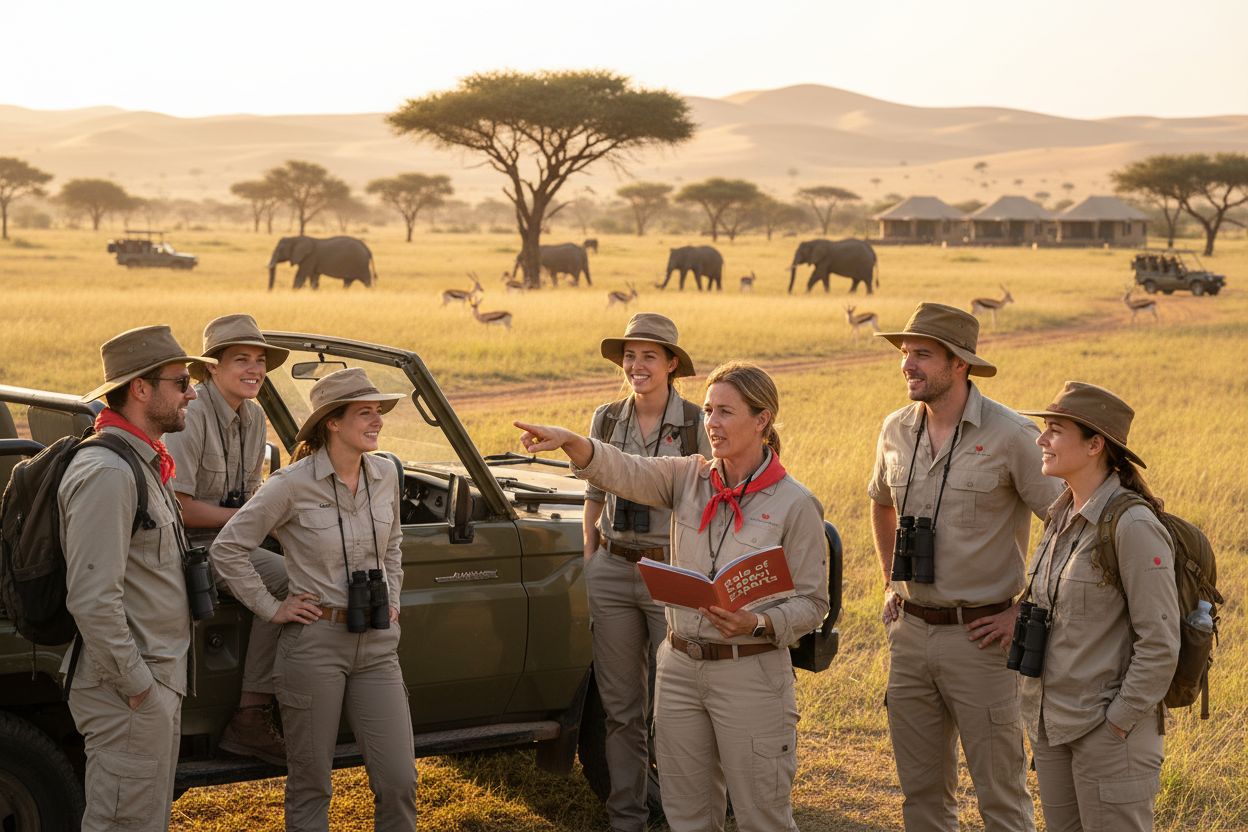
Understanding the Role of Safari Experts in Wildlife Travel
Explore the role of safari experts and gain a comprehensive understanding of how they enhance wildlife travel experiences for all types of travelers.
Feb 20, 2026
Guide organisation safari all inclusive : vivez l'aventure de vos rêves
Découvrez notre guide organisation safari all inclusive étape par étape pour planifier un voyage inoubliable au cœur de la nature.