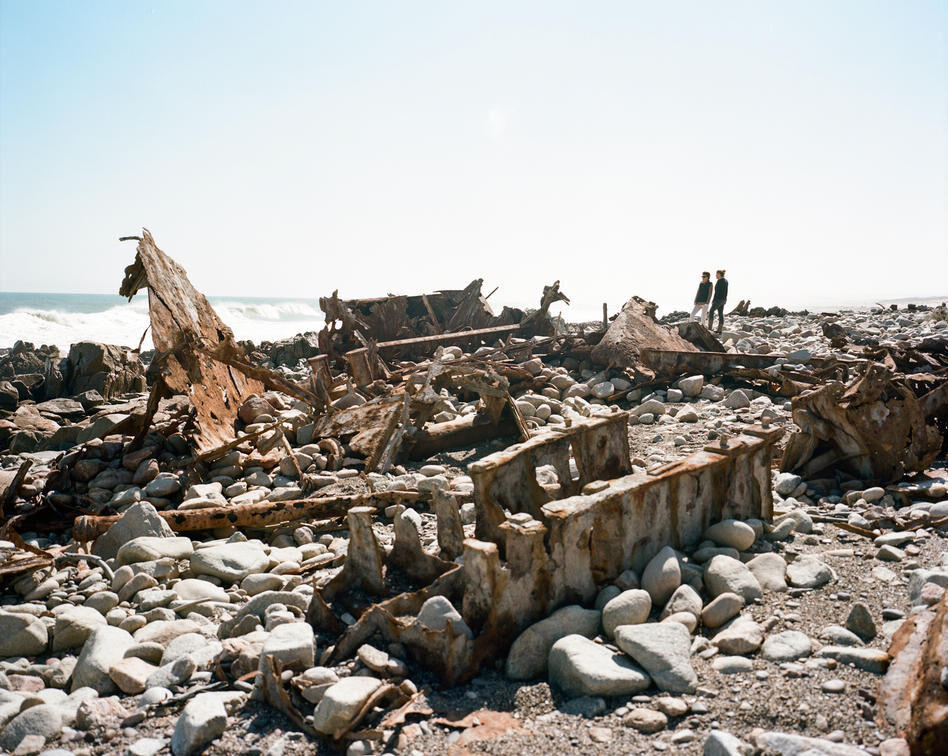
Namibia's Skeleton Coast delivers an otherworldly mix of rusting shipwrecks half-buried in sand, cold Benguela mists rolling over towering dunes, and colonies of Cape fur seals that thrive where almost nothing else can. This remote Atlantic shoreline, where the Namib Desert meets the sea, reveals a landscape shaped by fog rather than rainfall and by shipwrecks that still whisper tales of maritime tragedy. For travellers planning a Namibian journey, the Skeleton Coast offers a stark counterpoint to the country's more familiar inland wonders, inviting deeper reflection on survival, isolation, and the raw power of nature.
The best time to visit the Skeleton Coast is between April and October when the coastal fog is most pronounced yet temperatures remain moderate, typically ranging from 15 to 25 degrees Celsius during the day. Expect dramatic contrasts: the icy Benguela Current collides with desert heat to create thick mists that can reduce visibility to mere metres, while desert-adapted species draw life from this moisture. Secret Namibia specialises in crafting seamless experiences along this haunting shoreline, drawing on three decades of combined experience to book directly with select camps and lodges.
Why is it called the Skeleton Coast?
The Skeleton Coast earned its ominous name from the countless shipwrecks that litter its shores, their rusting remains and scattered whale bones resembling skeletal fragments against the sand. Portuguese sailors in the 15th century dubbed it "The Gates of Hell" after losing vessels to its treacherous fog-shrouded waters, while later explorers and diamond seekers met similar fates. The name Skeleton Coast was popularised in the 20th century by the journalist John Henry Marsh in his book about the wreck of the Dunedin Star in 1942.
Here the cold Atlantic and the ancient desert engage in an eternal, silent conversation, where life persists not through abundance but through ingenious adaptation to moisture carried on the wind.
The Benguela Current and the Perpetual Coastal Fog
Where the frigid Benguela Current sweeps northward from Antarctica and collides with the warm desert air, it generates dense fog banks that roll inland for up to 30 kilometres. This phenomenon, occurring on more than 180 days each year, supplies the only reliable moisture in a region that receives less than 50 millimetres of rain annually. The fog condenses on rocks, plants and even the bodies of insects, creating a lifeline for species that have evolved to harvest water from the air rather than the ground.
Travellers often wake to the sound of distant foghorns from passing ships, only to realise the sound comes from the moaning of the wind through rusted ship hulls. This moisture-laden atmosphere softens the harsh desert light, bathing dunes in muted tones of ochre and grey that shift throughout the day. Understanding this unique climate helps visitors appreciate why the Skeleton Coast feels so removed from the rest of Namibia, almost like stepping onto another planet.
How Desert Life Survives on Coastal Mist
Desert-adapted creatures here have developed remarkable strategies to capture fog droplets. The fog-basking beetle, for instance, positions itself on dune crests at dawn, allowing mist to collect on its body before trickling into its mouth. Welwitschia mirabilis plants, some estimated to be over 1,000 years old, absorb moisture through specialised leaves that channel fog directly to their roots.
Sidewinder snakes and web-footed geckos leave delicate tracks across the sand, visible only until the next breeze erases them. These subtle signs remind visitors that the apparent emptiness of the Skeleton Coast conceals a web of specialised life dependent entirely on the Atlantic's breath. Observing these adaptations adds a layer of fascination to any fly-in safari that explores the region's hidden corners.
Shipwrecks That Define the Shoreline
More than a thousand vessels are believed to have foundered along this coast over the centuries, though only a fraction remain visible today. The Eduard Bohlen, which ran aground in 1909, now sits several hundred metres inland, half-swallowed by shifting sands that illustrate the relentless movement of the desert. Further north, the remains of the Otavi and the Winston provide haunting silhouettes against the horizon, accessible only by light aircraft or carefully guided 4x4 expeditions.
Each wreck tells its own story of human endeavour meeting unforgiving nature. Some vessels carried guano miners, others diamond prospectors drawn by rumours of riches. Today these rusting hulks serve as both historical monuments and dramatic photographic subjects, their decaying iron contrasting beautifully with the pale sand and turquoise sea. A 7-day Skeleton Coast and Etosha luxury fly-in safari typically includes expert-guided visits to several key sites, offering context that transforms scattered metal into compelling narratives.
The wrecks stand not as failures but as testament to the coast's uncompromising character, where the boundary between land and sea has claimed ships and souls for centuries.
Cape Fur Seal Colonies and Their Coastal Realm
At Cape Cross, one of the largest Cape fur seal colonies in the world supports approximately 250,000 individuals at peak times. The cacophony of barks, the distinctive marine odour, and the constant movement create an unforgettable sensory experience. These marine mammals thrive in the nutrient-rich waters of the Benguela Current, which supports vast schools of fish that in turn sustain the seals, jackals, and brown hyenas that patrol the colony edges.
Smaller colonies dot the coast further north, offering more intimate encounters for those travelling by light aircraft. The sight of thousands of sleek bodies glistening in the mist, with pups nursing and bulls defending territories, reveals a different rhythm of life from the inland wildlife most visitors associate with Namibia. Conservation efforts have helped these populations recover from historical overhunting, making the colonies living examples of nature's resilience.
Wildlife Viewing Beyond the Seals
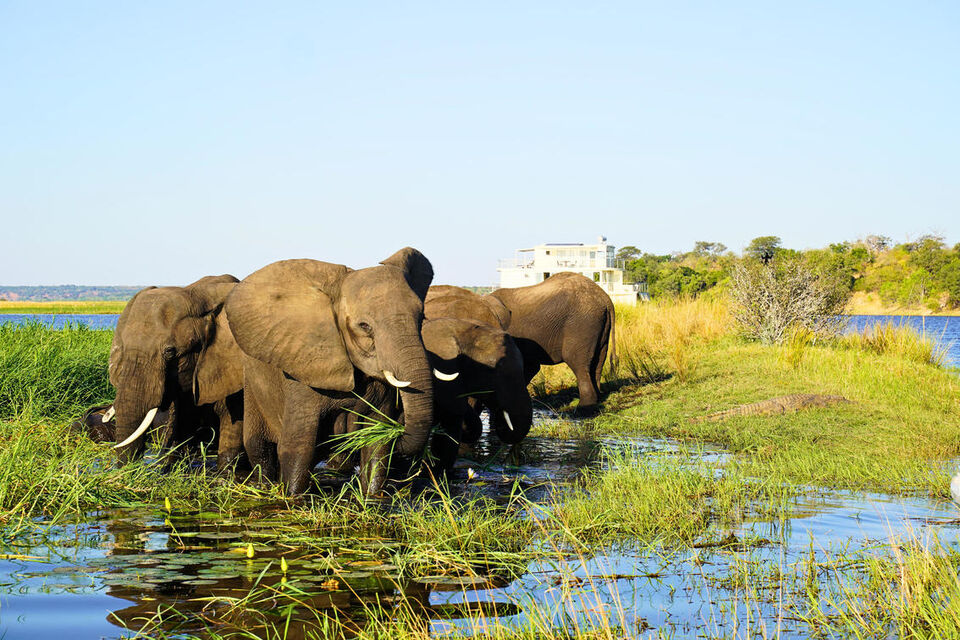
Beyond the marine mammals, desert-adapted elephants occasionally appear near river mouths, their movements dictated by scarce water sources. Black-backed jackals and brown hyenas scavenge along the tideline, while rare sightings of gemsbok and springbok demonstrate how even large antelope have adapted to this arid edge. Birdlife includes Damara terns and the striking black oystercatchers that probe the fog-dampened sand.
Guided excursions reveal these interconnections, showing how the Skeleton Coast functions as a complete ecosystem despite its apparent barrenness. The experience differs markedly from traditional game viewing, rewarding patience and an appreciation for subtlety over dramatic predator sightings.
Planning Your Skeleton Coast Experience
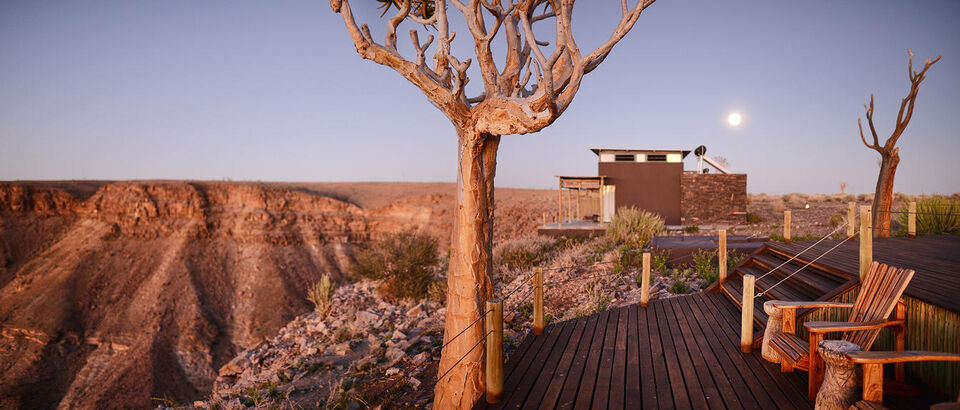
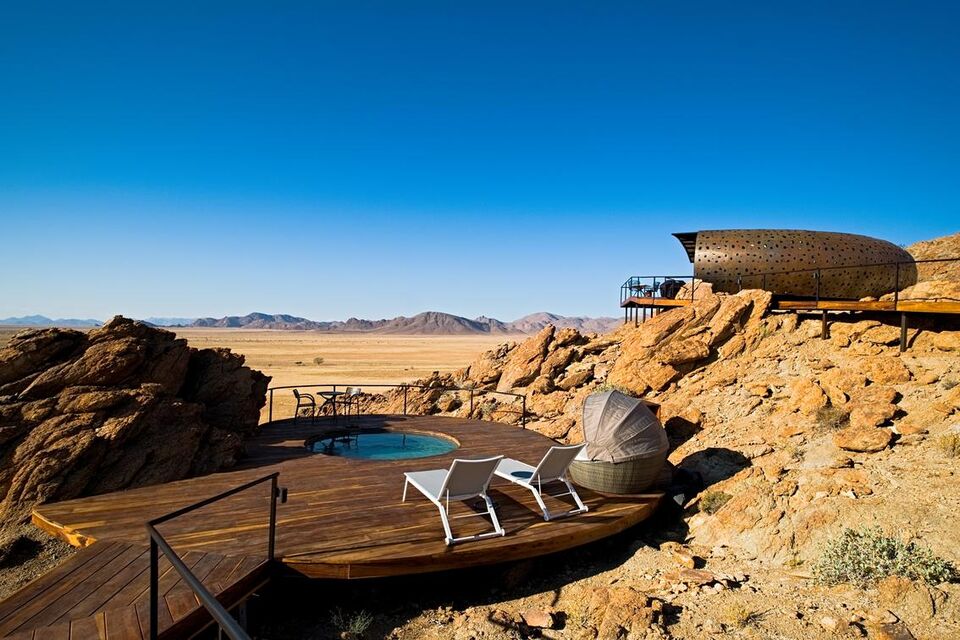
Access to the Skeleton Coast is deliberately limited to protect its fragile environment, with much of the area falling within the Skeleton Coast National Park and the northern concession areas requiring special permits. Most visitors arrive by light aircraft from Windhoek or Swakopmund, landing on remote gravel strips that heighten the sense of adventure. Accommodation ranges from mobile tented camps to exclusive lodges positioned to take full advantage of the coastal vistas and wildlife activity.
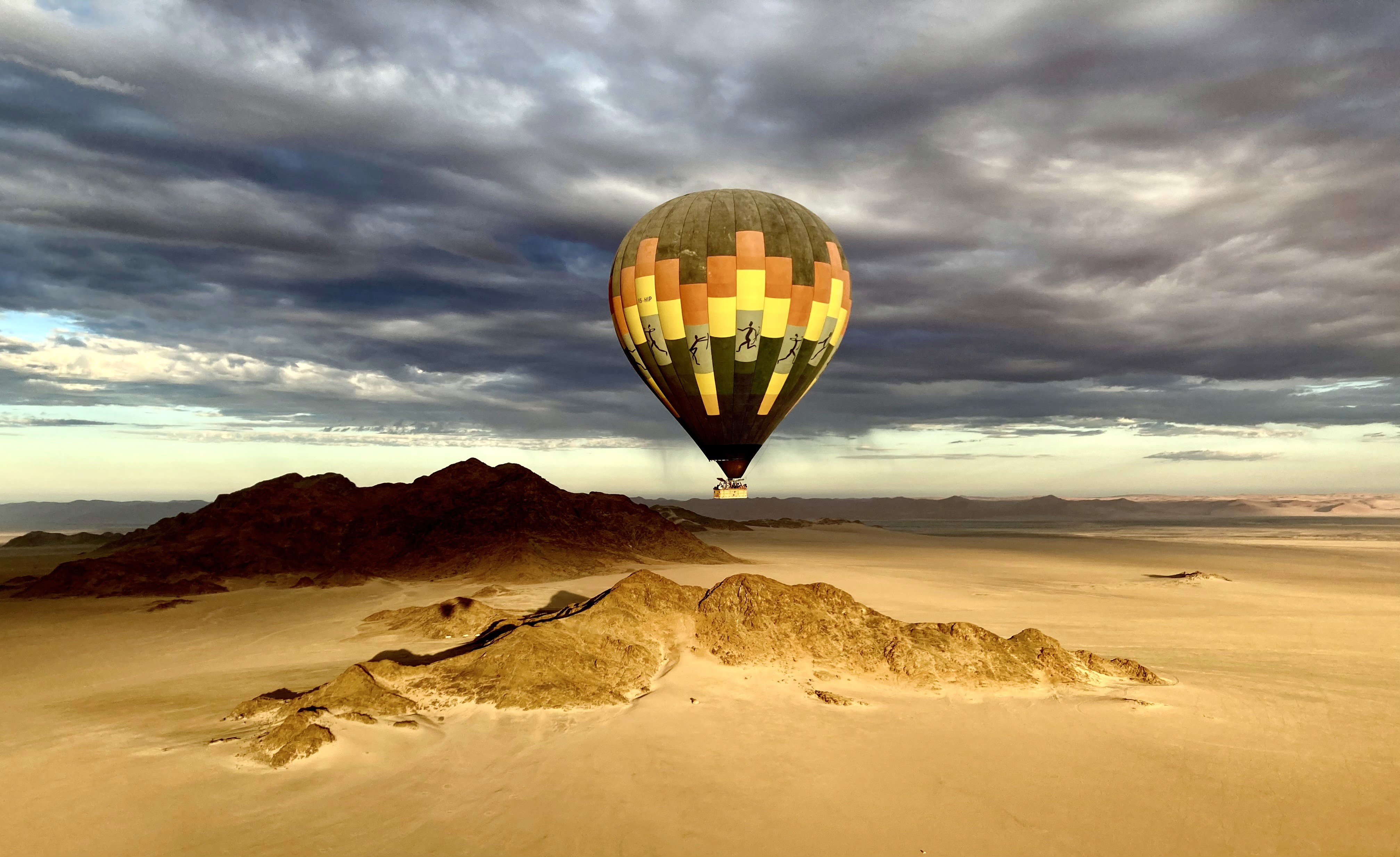
Activities typically include scenic flights over the wrecks, guided nature drives, and walks that reveal the smaller wonders of the fog-dependent ecosystem. The remoteness means journeys here require careful planning, something Secret Namibia handles with precision by working directly with the finest operators rather than through multiple agents. For those whose Namibian journey might extend into neighbouring countries, our sister brand Encounters Africa offers seamless connections, such as South African safari extensions that complement the stark beauty of the Skeleton Coast with lush reserves and cultural depth.
Standing on a fog-shrouded beach beside the corroded bow of a long-abandoned ship, one understands why this coast continues to captivate those who value raw authenticity over easy comforts.
Conclusion
The Skeleton Coast remains one of Namibia's most distinctive and memorable destinations precisely because it refuses to conform to conventional expectations of African wilderness. Its shipwrecks, persistent mists, resilient seal colonies, and fog-dependent life forms create an environment that challenges and rewards in equal measure. Rather than simply ticking off sightings, visitors leave with a profound sense of having touched something elemental and enduring.
Whether incorporated into a longer Namibian itinerary or experienced as a dedicated fly-in exploration, time spent along this remote shoreline lingers long in the memory. The contrasts, the quiet, and the remarkable adaptations of life in such an unforgiving place offer perspectives that enrich any African journey. For those drawn to landscapes that reveal their secrets slowly, the Skeleton Coast delivers an experience unlike any other.
If you are considering a journey that includes the Skeleton Coast, we invite you to contact Secret Namibia about Namibia. For those looking to explore South Africa or other destinations beyond our borders, please reach out to Encounters Africa at https://secretnamibia.com/beyond-namibia.
Plan your safari: Enquire with Secret Namibia for tailor-made Namibia journeys. For safaris beyond Namibia, in Botswana, South Africa, Kenya, Tanzania, Rwanda, Uganda, Zambia and Zimbabwe, speak to the travel designers at Encounters Africa, Secret Namibia's sister company for the rest of Africa.