In Namibia’s arid northwest, tracking desert-adapted elephants along ephemeral riverbeds reveals remarkable resilience shaped by communal conservancies. We examine rising wildlife numbers, the 6,000-year-old rock engravings at Twyfelfontein, and include a dedicated answer to how these elephants survive with minimal water. Encounters Africa, our sister brand for safaris in Kenya and beyond, can seamlessly extend your journey; discover more at https://encountersafrica.com/destinations/kenya. Read our comparison of safari styles at https://secretnamibia.com/safari-blog/namibia-safari-vs-botswana-safari-compared or explore a full Namibia fly-in route here: https://secretnamibia.com/luxury-safaris/namibia-explorer-luxury-fly-in-safari
The Rise of Namibia's Communal Conservancies
Namibia stands apart for its pioneering approach to conservation through community ownership. Since the mid-1990s, communal conservancies have returned wildlife management rights to local residents across vast tracts of land. In Damaraland, this shift has transformed attitudes from viewing animals as competition for scarce resources to recognising them as assets worth protecting.
Today, more than 80 conservancies cover over 20 percent of the country. They generate income through tourism partnerships, trophy hunting in some areas, and sustainable resource use. This model directly links the health of wildlife populations to the economic wellbeing of the people who share the landscape with them.
Communal conservancies have shown that when local communities benefit from wildlife, they become its strongest guardians.
Tracking Desert-Adapted Elephants in Damaraland
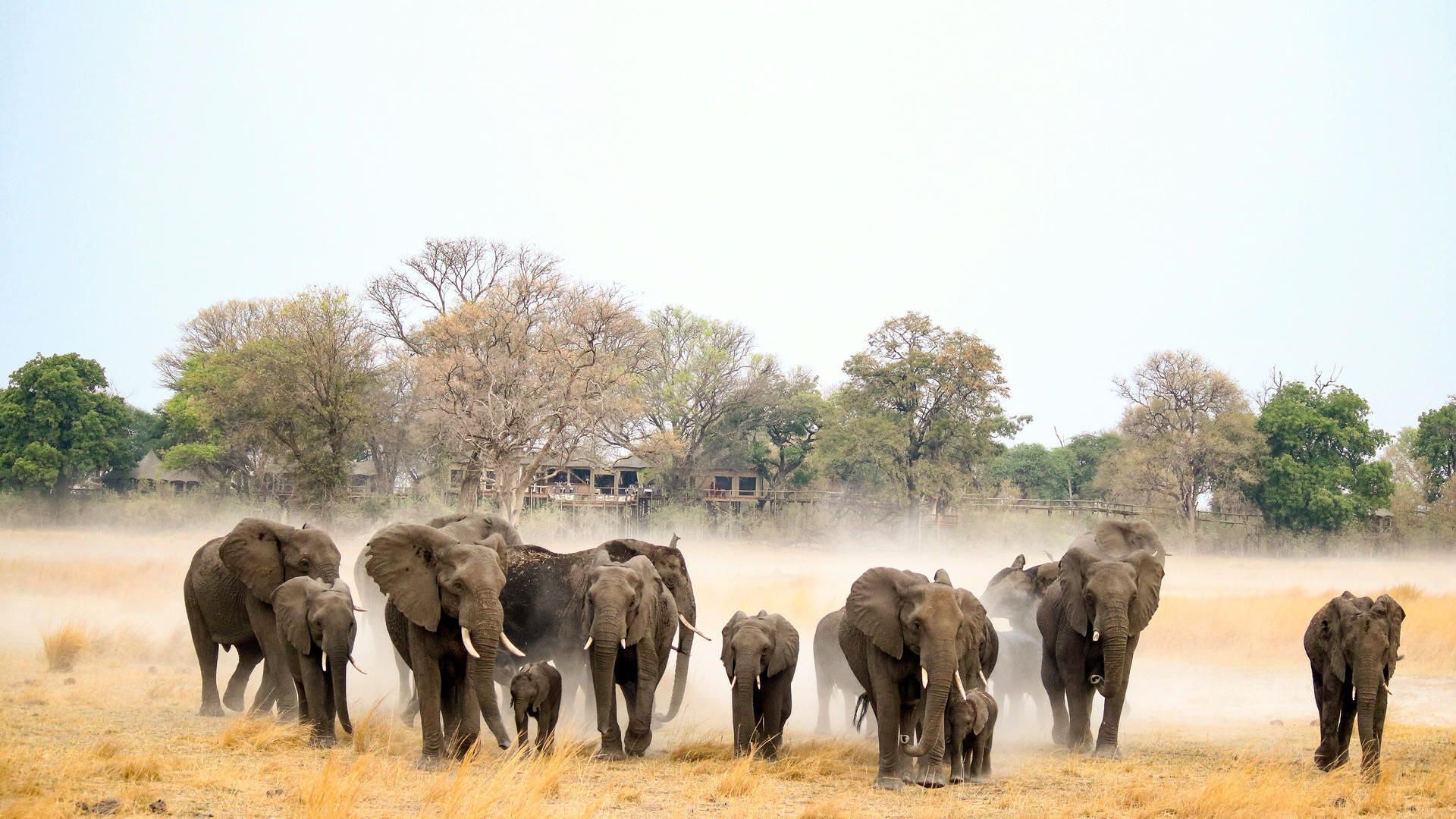
The desert-adapted elephants of Damaraland move through one of the harshest environments on the continent. Their home spans the ephemeral riverbeds of the Huab, Ugab and Hoanib rivers, where water flows only after rare rains. Skilled local guides track these herds on foot or by vehicle, reading subtle signs in the sand: overturned stones, fresh dung, and the distinctive circular impressions left by massive feet.
These elephants travel up to 70 kilometres in a single day in search of food and water. Their smaller body size compared to savanna elephants helps them cope with extreme heat, while their ability to go for days without drinking sets them apart. Watching a family group emerge from a dusty riverbed at first light, trunks raised to test the wind, creates an indelible memory for any traveller fortunate enough to witness it.
The best time to visit for elephant tracking falls between May and October, when the dry season concentrates animals near known water sources. However, the landscape looks most dramatic after the rains, when the riverbeds briefly run and the desert blooms with life. Numbers vary by season and rainfall patterns, with current estimates suggesting around 600 to 800 desert-adapted elephants remain in northwest Namibia.
How do desert-adapted elephants survive in Damaraland?
Desert-adapted elephants survive in Damaraland by covering vast distances between scattered water sources, sometimes going four to five days without drinking. They obtain moisture from the vegetation they eat, particularly the leaves, bark and roots of acacia trees and commiphora shrubs that grow along dry river courses. Their smaller body size reduces water requirements, while their larger feet help them walk more efficiently across soft sand. They also dig wells in dry riverbeds to access underground water, creating valuable resources used by many other species. Their movements follow traditional knowledge passed down through generations, allowing them to locate food and water even during prolonged droughts.
The Ancient Rock Engravings of Twyfelfontein
Twyfelfontein, meaning doubtful spring in Afrikaans, holds one of Africa's richest concentrations of rock art. Designated a UNESCO World Heritage site in 2007, this rocky outcrop in the heart of Damaraland features over 2,000 individual engravings and paintings. The oldest images date back approximately 6,000 years, created by the ancestors of the San people who once roamed these lands.
The engravings depict animals, human figures, and geometric patterns with remarkable detail. Particularly striking are the representations of desert elephants, oryx, giraffe and rhino that still inhabit the area today. Many images appear to have spiritual significance, possibly recording shamanic journeys or important hunting events.
A knowledgeable local guide brings these ancient artworks to life, explaining the cultural context and pointing out details that might otherwise be missed. Visiting at sunrise or late afternoon provides the best light for photography and allows you to feel the deep history of the place without the heat of midday.
Standing before these 6,000-year-old engravings, one senses the continuity between past and present in this ancient landscape.
How Communal Conservancies Changed Wildlife Numbers
Before the establishment of conservancies, wildlife numbers in Damaraland had plummeted due to poaching, drought and competition with livestock. Elephant populations dropped dramatically in the 1980s, with many herds wiped out entirely in certain areas. The black rhino, too, faced near-extinction in the region.
The introduction of communal conservancies reversed this decline. By giving communities direct benefits from tourism, the incentive to protect rather than harm wildlife became clear. Local game guards began monitoring and protecting animals, while income from visitors funded community projects including schools and clinics.
Elephant numbers have increased significantly since the conservancy model took hold. Rhino populations have also recovered, with dedicated monitoring programmes ensuring their safety. Other species including oryx, springbok, zebra and even the elusive leopard have shown encouraging population growth. These improvements demonstrate how conservation can succeed when it aligns with the needs of local people.
Planning Your Damaraland Safari Experience
A well-designed Damaraland itinerary typically combines several days of elephant tracking with cultural visits and time spent exploring the region's dramatic scenery. Many travellers choose to pair this with explorations further south in the Namib Desert or north towards Etosha National Park. The region's remoteness rewards those who travel with experienced operators who understand the logistics of moving through such challenging terrain.
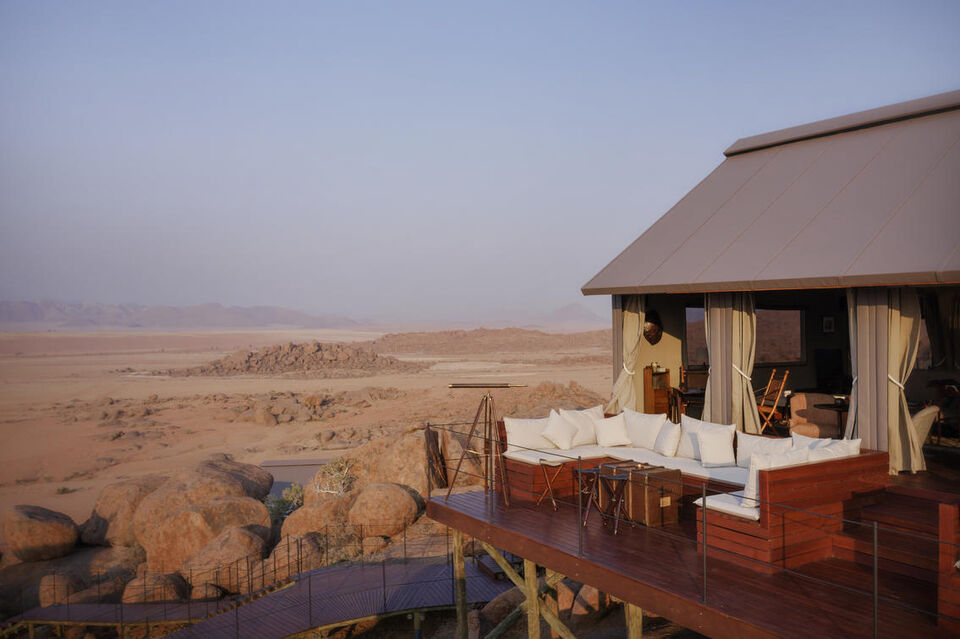
Accommodation ranges from comfortable tented camps to more substantial lodges, all designed to minimise their environmental footprint. Professional guides, many from the local Damara community, offer unparalleled knowledge of both the wildlife and the cultural heritage of the area. Morning and afternoon activities are carefully paced to avoid the intense heat of the middle day.
Our group draws on three decades of combined experience to design these journeys. We book directly with carefully selected camps and lodges, creating tailor-made experiences for individuals, couples, families and private groups of up to eight guests. This direct approach ensures every detail reflects your specific interests and preferred pace.
The true value of a Damaraland journey lies not in ticking off species, but in understanding the delicate balance that allows life to flourish in one of Earth's most unforgiving environments.
Extending Your Namibian Adventure
For many travellers, a journey through Namibia serves as the foundation for deeper exploration of the continent. After experiencing the stark beauty of Damaraland and its remarkable elephants, some wish to contrast this with the lush landscapes and different wildlife encounters found elsewhere in Africa. Our sister brand Encounters Africa specialises in creating seamless extensions into neighbouring countries, allowing you to build on the insights gained in Namibia with new perspectives from other regions.
Whether you seek the dramatic contrasts of Kenya's varied ecosystems or the wetland wonders further north, careful planning ensures your entire journey flows naturally. The knowledge gained in Namibia's communal conservancies often enriches subsequent experiences, providing a broader understanding of African conservation challenges and successes.
Whatever direction your curiosity takes you, the lessons learned in Damaraland about resilience, community stewardship and the remarkable adaptability of wildlife will remain with you long after your return home. Namibia offers a profound introduction to the complexities and wonders of African wilderness, one that rewards thoughtful travellers with memories that reshape their understanding of our relationship with the natural world.
Plan your safari: Enquire with Secret Namibia for tailor-made Namibia journeys. For safaris beyond Namibia, in Botswana, South Africa, Kenya, Tanzania, Rwanda, Uganda, Zambia and Zimbabwe, speak to the travel designers at Encounters Africa, Secret Namibia's sister company for the rest of Africa.