
Oct 28, 2025
Why safari in Southern Africa? Explore unique wildlife, luxury experiences, safari types, and essential planning tips in this comprehensive guide.
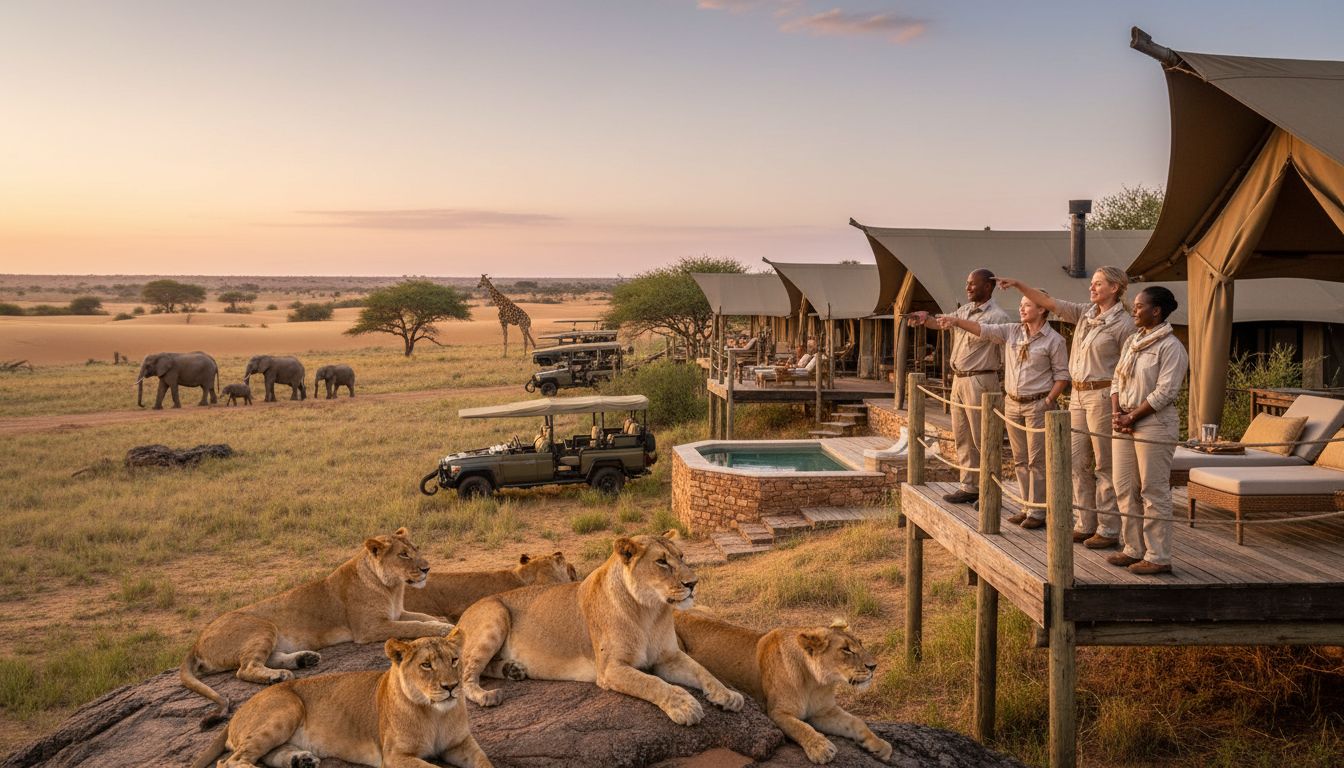
Why Safari in Southern Africa: Complete Guide
Over 80% of travelers picture African safaris as just a drive through the savanna snapping photos of lions and elephants. The reality in Southern Africa is far richer and more complex, inviting you into a world where every reserve brims with unique wildlife, diverse habitats, and deep cultural stories. When you look past the common myths, you’ll find that a Southern African safari can mean anything from tracking rare species in untouched forests to experiencing sustainable luxury at the edge of the wild.
Table of Contents
Defining Southern African Safaris And Misconceptions
Unique Wildlife And Ecosystem Diversity Explained
Types Of Safari Experiences In Southern Africa
Luxury, Sustainability, And Authentic Travel Benefits
Practical Planning: Costs, Safety, And Best Times
Key Takeaways
Point | Details |
|---|---|
Diverse Safari Experiences | Southern African safaris offer a variety of immersive experiences, including game drives, walking safaris, and specialized photography tours, catering to different interests and providing unique insights into wildlife. |
Commitment to Conservation | Many luxury safari experiences focus on conservation and sustainable tourism, providing direct support for wildlife protection and fostering cultural immersion. |
Seasonal Timing Matters | Optimal safari experiences are best planned during the dry season (May to October), which enhances wildlife visibility and travel conditions. |
Varying Budget Options | Safari costs can range widely, from budget-friendly to ultra-luxury, allowing travelers to choose experiences that fit their financial plans. |
Defining Southern African Safaris and Misconceptions
A safari in Southern Africa is far more than a simple wildlife viewing experience - it’s a profound journey into one of the world’s most spectacular ecological landscapes. Unlike generic tourist attractions, these immersive adventures offer travelers an intimate connection with pristine wilderness, where each safari represents a unique narrative of conservation, ecosystem diversity, and cultural heritage.
Understanding the nuanced reality of Southern African safaris requires debunking several common misconceptions. Many travelers erroneously believe that all safari experiences are identical, when in fact, the Complete Guide to Safari Trips in Africa reveals remarkable regional variations. From the expansive plains of the Serengeti to the intimate bushveld of Sabi Sand Reserve, each destination offers distinct wildlife encounters and ecological environments.
According to insights from Cornell University’s travel research, the Sabi Sand Reserve exemplifies the complexity of Southern African safari experiences. The region demonstrates that safaris are not merely about spotting animals, but understanding intricate ecological relationships, conservation efforts, and sustainable tourism practices. Key characteristics that distinguish Southern African safaris include:
Exceptional Biodiversity: Multiple ecosystems within relatively compact geographical areas
Conservation-Driven Experiences: Many reserves actively participate in wildlife protection and research
Personalized Encounters: Smaller group sizes and expert guides providing in-depth ecological insights
Luxurious yet Authentic: Accommodations that blend comfort with genuine wilderness immersion
Beyond wildlife viewing, Southern African safaris offer travelers a holistic experience that connects them intimately with nature’s most extraordinary landscapes. Whether you’re seeking photographic opportunities, ecological education, or pure adventure, these safaris transcend traditional tourism, inviting you into a world where every moment tells a profound story of survival, beauty, and interconnectedness.
Unique Wildlife and Ecosystem Diversity Explained
Southern African safaris represent an extraordinary tapestry of ecological complexity, where each landscape tells a profound story of adaptation, survival, and interconnected life. Unlike traditional wildlife experiences, these regions offer travelers an immersive journey through some of the most diverse and intricate ecosystems on the planet.
Eco-friendly safari benefits highlight the remarkable ecological significance of these regions. According to Wikipedia’s entry on Phinda Private Game Reserve, the diversity is astounding - a single reserve can encompass seven distinct ecosystems, ranging from palm savannah to rare sand forest. This extraordinary variety supports an incredible array of wildlife, demonstrating how Southern African reserves are living, breathing museums of biological diversity.
Take, for instance, the Kapama Game Reserve in Limpopo. Spanning 13,000 hectares, this reserve exemplifies the region’s ecological richness. According to Wikipedia, the reserve is home to the iconic Big Five - lions, leopards, elephants, rhinoceroses, and Cape buffalo - each species intricately woven into the complex ecological tapestry. The varied habitats within such reserves create microcosms of life, where predator-prey relationships, migration patterns, and seasonal changes play out in breathtaking detail.
The wildlife diversity in these ecosystems is not just about quantity, but about the intricate relationships that sustain life.
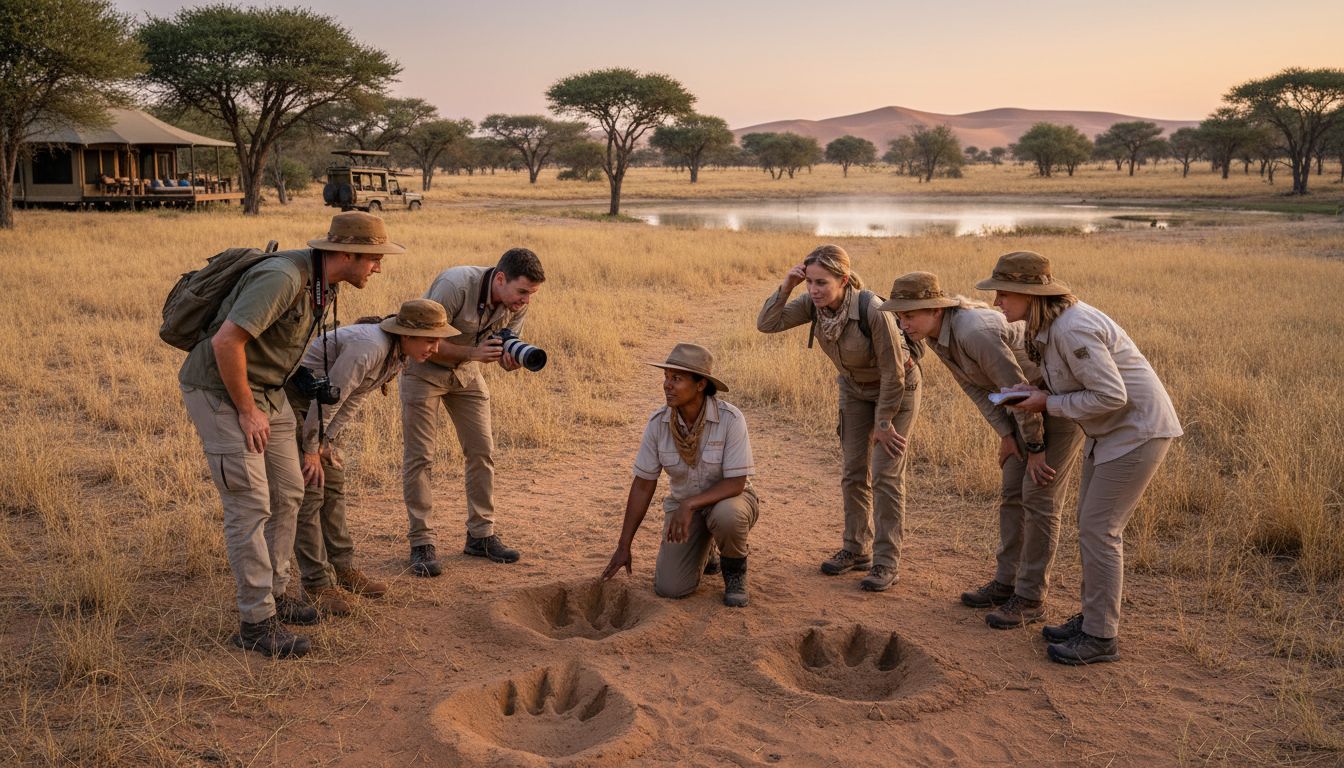
Key characteristics that make Southern African wildlife ecosystems unique include:
Adaptive Landscapes: Ecosystems that transition seamlessly between different terrain types
Predator-Prey Dynamics: Complex interactions that maintain ecological balance
Seasonal Transformations: Dramatic changes in landscape and wildlife behavior throughout the year
Endemic Species: Unique wildlife found nowhere else on the planet
These safaris offer more than just animal sightings - they provide a window into the complex, ever-changing world of nature. Whether you’re observing a pride of lions, tracking elephant migrations, or witnessing the delicate interactions between different species, Southern African safaris promise an experience that is simultaneously educational, thrilling, and profoundly humbling.
Types of Safari Experiences in Southern Africa
Southern Africa offers an extraordinary array of safari experiences that cater to every traveler’s adventurous spirit and wildlife passion. Far from being a one-size-fits-all adventure, these safaris represent a rich tapestry of immersive wildlife encounters that transform traditional tourism into profound ecological exploration.
According to African Sahara’s comprehensive guide, Southern African safaris encompass several distinct experience types. While classic game drives remain the most popular option, travelers can now choose from a diverse range of wildlife encounters, including walking safaris, birdwatching tours, and specialized photographic expeditions. Each experience offers a unique perspective on the region’s incredible biodiversity, allowing travelers to engage with nature in increasingly intimate and meaningful ways.
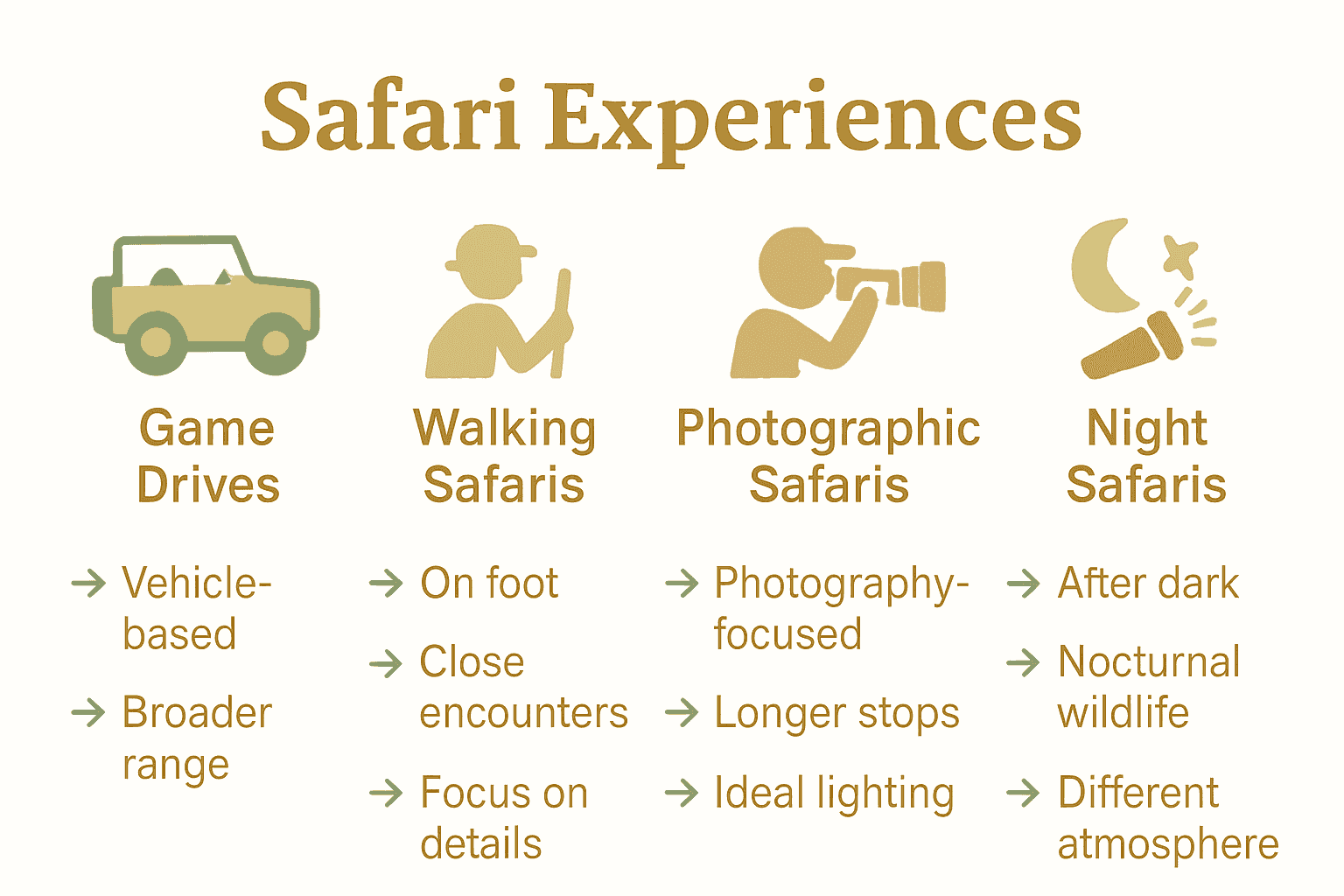
For those seeking a comprehensive guide to adventure safaris, the options are remarkably varied. Safari experiences can be broadly categorized into several exciting formats:
Game Drives: Traditional vehicle-based wildlife viewing, ideal for comprehensive animal sightings
Walking Safaris: Intimate ground-level exploration, offering unfiltered connections with wilderness
Photographic Safaris: Specialized tours designed for wildlife photographers and visual storytellers
Birdwatching Tours: Focused experiences for ornithology enthusiasts and nature lovers
Night Safaris: Unique nocturnal wildlife observations revealing a different ecosystem dynamic
Specialized Tracking Expeditions: In-depth experiences following specific animal behaviors and migration patterns
Each safari type offers a distinct lens through which to experience Southern Africa’s extraordinary wildlife. Whether you’re tracking lion prides across vast savannahs, quietly observing rare bird species, or capturing intimate wildlife moments through a camera lens, these experiences promise more than just a vacation - they offer a transformative journey into the heart of one of the world’s most remarkable ecological regions.
Luxury, Sustainability, and Authentic Travel Benefits
Luxury safari experiences in Southern Africa represent far more than opulent accommodations and exclusive wildlife encounters. They embody a profound commitment to ecological preservation, cultural authenticity, and transformative travel experiences that connect travelers deeply with the natural world.
Exploring the nuances of luxury safari experiences reveals a complex ecosystem of responsible tourism. According to Wikipedia’s entry on Londolozi Private Game Reserve, these experiences are distinguished by their commitment to both luxury and conservation. Londolozi exemplifies how high-end safari experiences can simultaneously provide unparalleled comfort while actively contributing to wildlife protection and local community development.
The authentic benefits of luxury sustainable safaris extend far beyond traditional tourism models. These experiences offer travelers unique advantages that transform standard vacations into meaningful ecological and cultural journeys:
Personalized Wildlife Interactions: Intimate, expert-guided encounters that prioritize animal welfare
Conservation Impact: Direct financial support for wildlife preservation and habitat protection
Cultural Immersion: Meaningful connections with local communities and indigenous knowledge systems
Minimal Environmental Footprint: Eco-friendly accommodations and responsible tourism practices
Educational Experiences: In-depth understanding of complex ecological systems and conservation challenges
Exclusive Access: Privileged insights into pristine wilderness areas rarely seen by typical tourists
These luxury safari experiences represent a sophisticated approach to travel - one that balances personal comfort with profound ecological and cultural respect. By choosing such experiences, travelers become active participants in conservation efforts, supporting sustainable practices while enjoying unparalleled access to some of the planet’s most extraordinary wilderness landscapes.
Practical Planning: Costs, Safety, and Best Times
Planning a Southern African safari requires strategic consideration of multiple factors beyond simple travel logistics. Comprehensive preparation transforms an ordinary trip into an extraordinary, seamless adventure that balances excitement with practical considerations.
Travelers looking to explore detailed safari planning strategies should understand that safari experiences vary dramatically based on timing, budget, and personal preferences. Budget considerations range significantly, with experiences available from moderate to ultra-luxury price points:
Budget Safaris: R5,000 - R15,000 per person per night
Mid-Range Safaris: R15,000 - R35,000 per person per night
Luxury Safaris: R35,000 - R100,000+ per person per night
Ultra-Luxury Experiences: Custom pricing, potentially exceeding R150,000 per night
Safety and seasonal timing are critical planning elements. The best safari experiences typically align with dry season months (May to October), characterized by:
Minimal rainfall
Clearer wildlife viewing conditions
Reduced vegetation density
Concentrated animal populations around water sources
More predictable travel conditions
Additional practical considerations include health precautions like malaria prophylaxis, comprehensive travel insurance, and understanding visa requirements. Successful safari planning demands meticulous attention to detail, combining logistical preparation with an adventurous spirit. Each decision - from timing to accommodation selection - contributes to crafting an unforgettable wilderness experience that transcends traditional travel boundaries.
Discover Your Perfect Southern Africa Safari Adventure Today
Navigating the vast options and intricate details of Southern African safaris can feel overwhelming. You want more than just wildlife sightings; you seek immersive, personalized experiences that reflect the rich biodiversity, conservation efforts, and cultural authenticity highlighted in the “Why Safari in Southern Africa: Complete Guide”. Whether your dream includes luxurious lodges, expert-guided walking safaris, or exclusive wildlife encounters, addressing these preferences early ensures your journey is both unique and seamless.
Unlock the full potential of your safari with Secret Namibia, your trusted partner for bespoke Namibian and Southern African safaris. Benefit from expert planning that balances luxury and sustainability while embracing authentic adventures tailored just for you. Don’t wait to immerse yourself in stunning landscapes like Etosha National Park or the Namib Desert. Start your transformation into a true safari explorer now by visiting Secret Namibia’s luxury and adventure safari collection and craft an unforgettable experience designed around you.
Frequently Asked Questions
What are the common misconceptions about safaris in Southern Africa?
Many travelers mistakenly believe that all safari experiences in Southern Africa are the same. In reality, safaris vary greatly by region, wildlife, and ecological environment, providing a unique narrative about conservation, biodiversity, and cultural heritage.
What types of safari experiences are available in Southern Africa?
Southern Africa offers a variety of safari experiences including traditional game drives, walking safaris, photographic safaris, birdwatching tours, night safaris, and specialized tracking expeditions, each providing distinct ways to connect with the environment.
How do luxury safaris in Southern Africa contribute to sustainability?
Luxury safaris in Southern Africa combine high-end accommodations with conservation efforts, ensuring that guests enjoy exceptional comfort while financially supporting wildlife protection and local community development, thereby promoting responsible tourism.
What is the best time to go on a safari in Southern Africa?
The ideal time for a safari in Southern Africa is during the dry season, typically from May to October, when wildlife viewing conditions are optimal due to minimal rainfall and concentrated animal populations around water sources.
Recommended
RELATED
Safari Guides
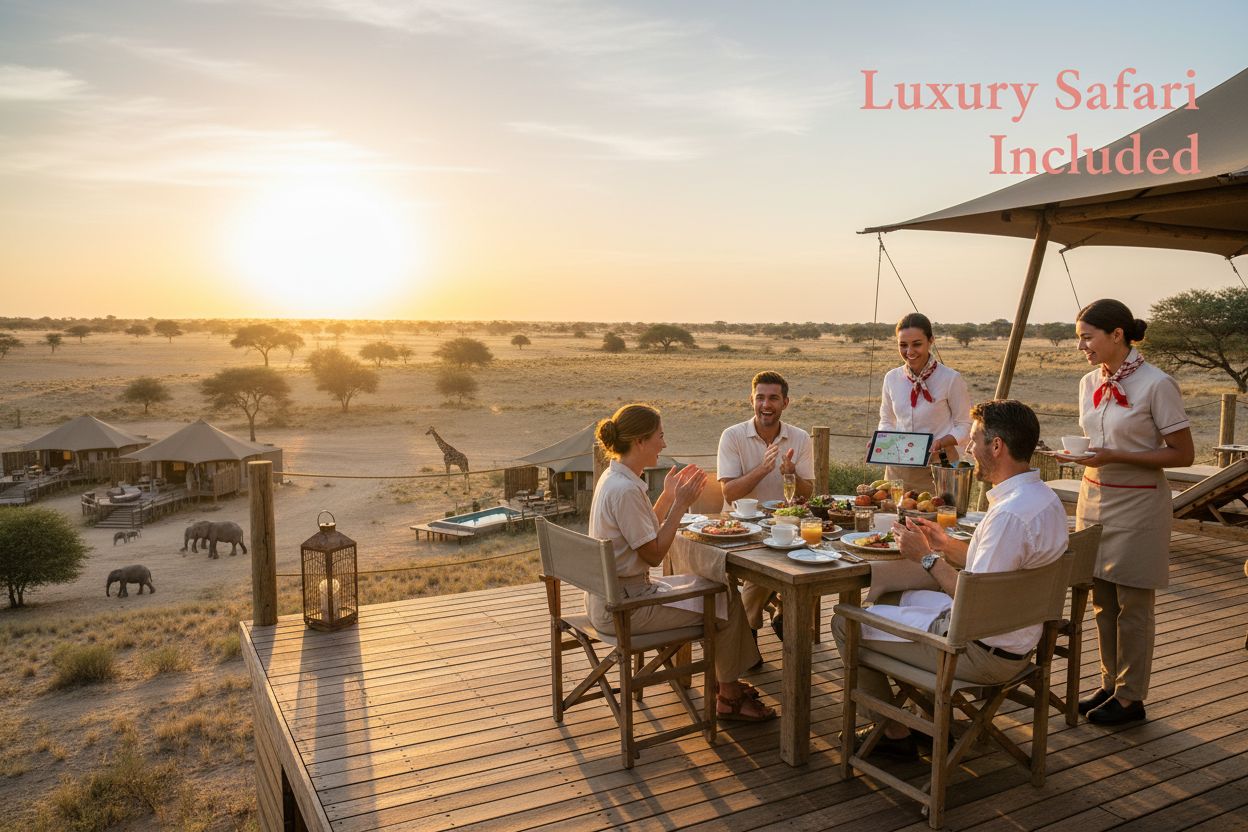
Oct 30, 2025
Understanding What is Included in Luxury Safaris
Explore what is included in luxury safaris, from exclusive accommodations to bespoke experiences that cater to discerning travelers.
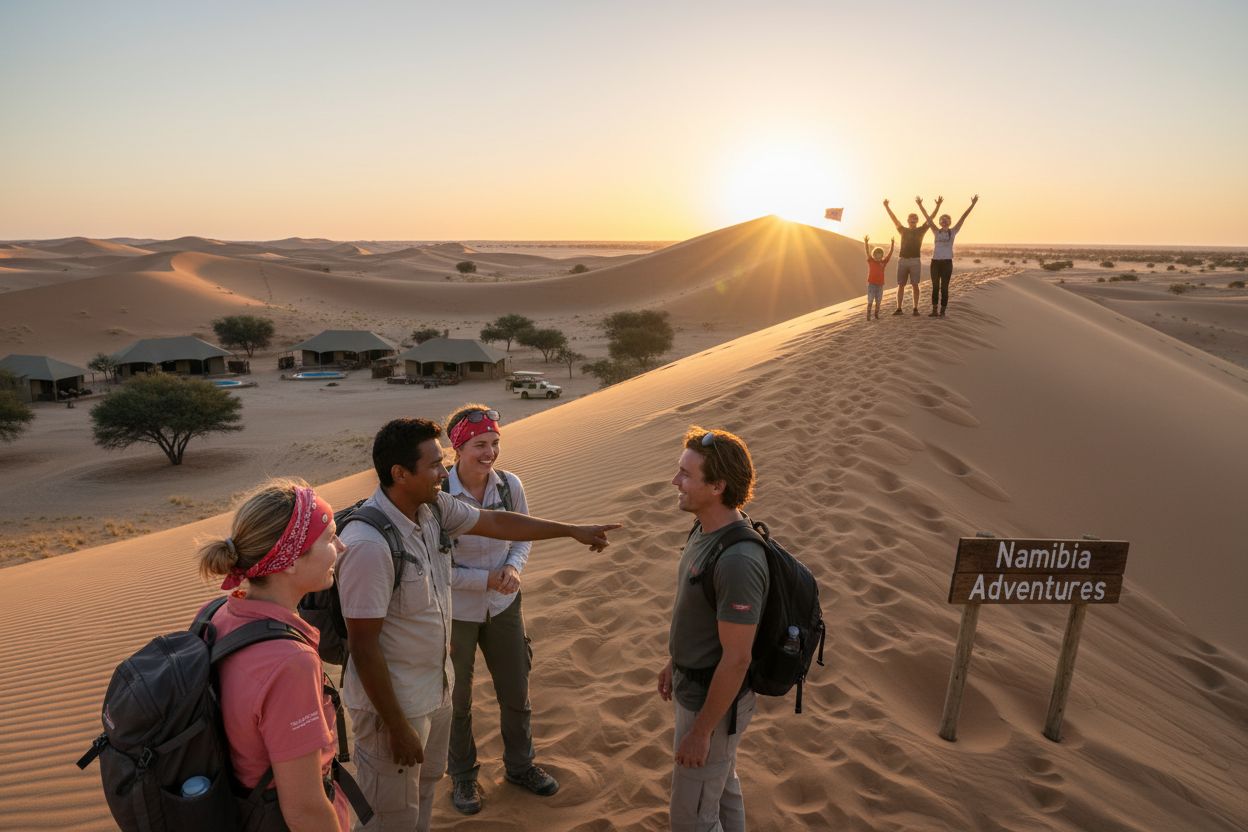
Feb 24, 2026
Why Namibia Adventures Matter: An In-Depth Look
Discover why Namibia adventures are essential for luxury travelers seeking unique, immersive experiences in nature and wildlife exploration.
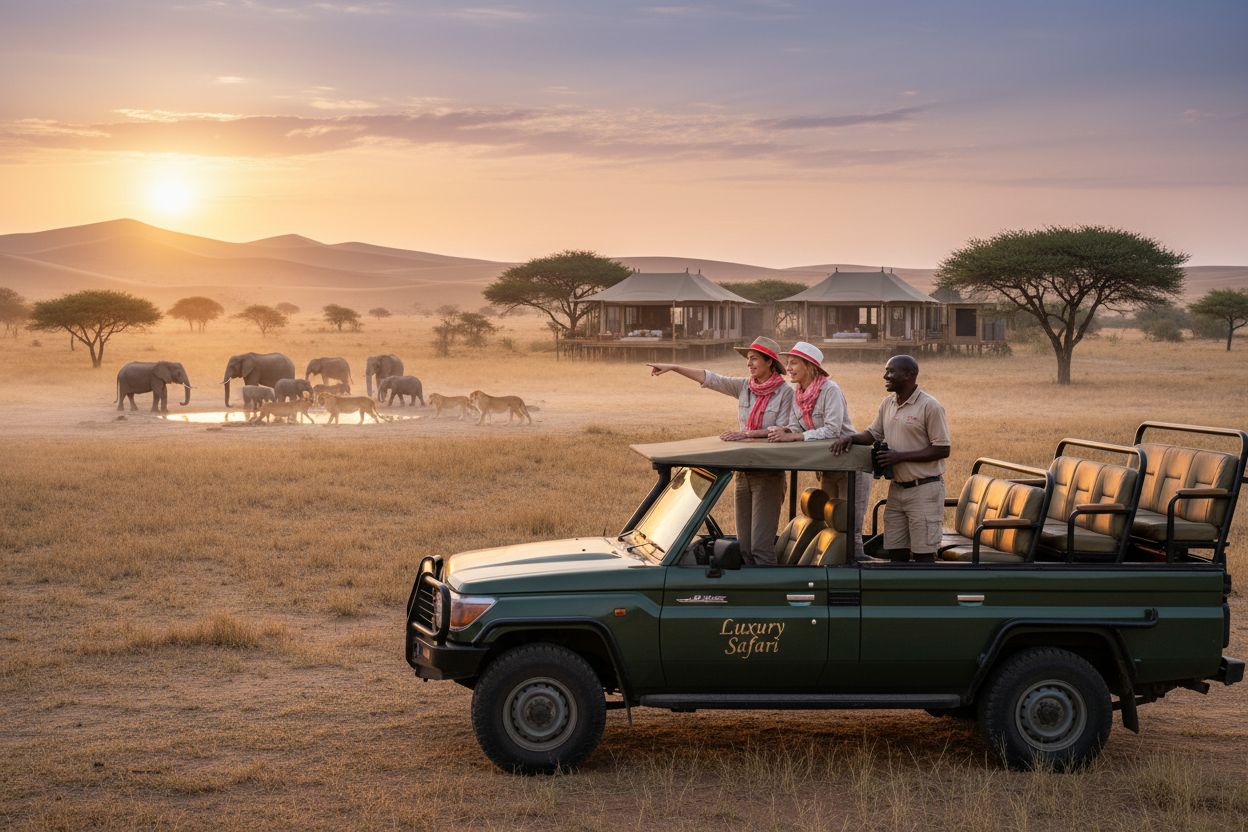
Feb 23, 2026
What to Expect on a Luxury Safari: A Comprehensive Guide
Discover what to expect on a luxury safari and gain a deeper understanding of the unique experiences that await you in the wild.
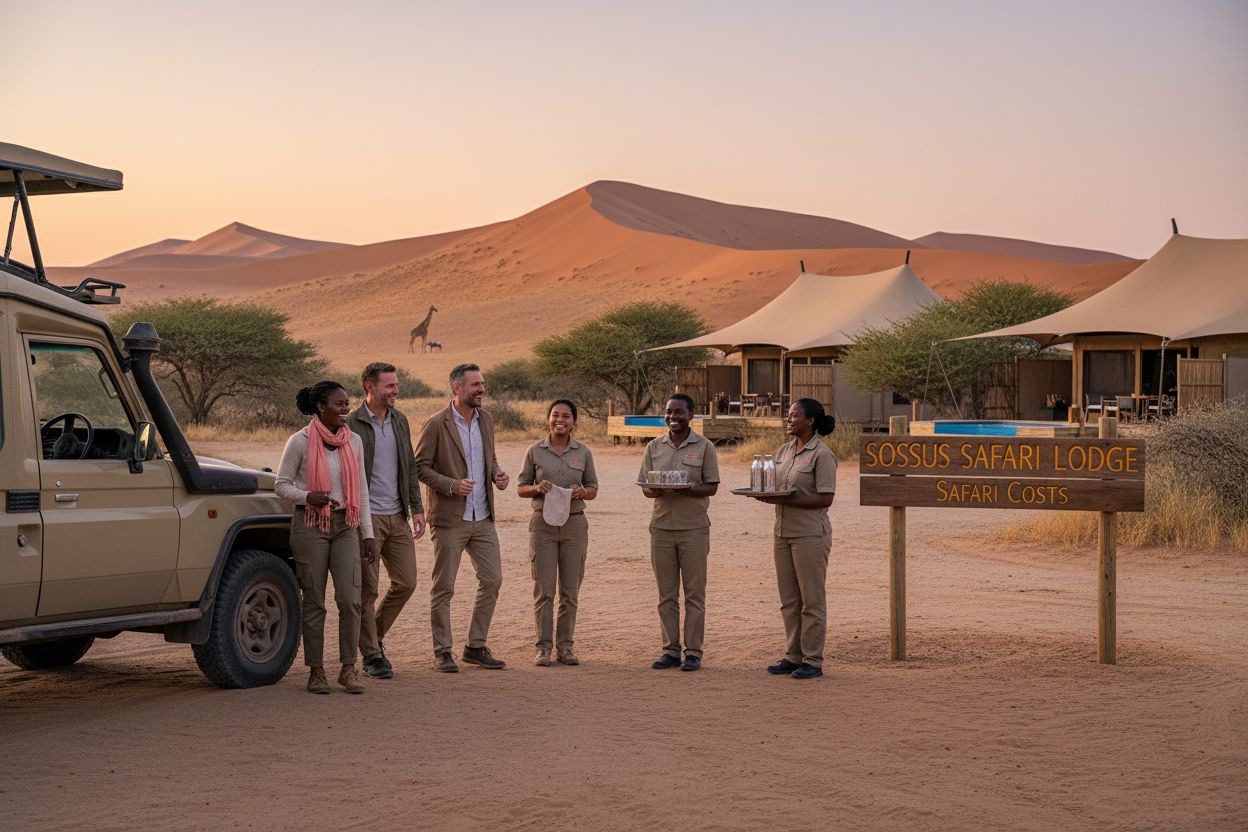
Feb 22, 2026
Understanding Namibia Safari Costs Explained
Explore Namibia safari costs explained to uncover what influences pricing and what it means for your adventure.
Feb 21, 2026
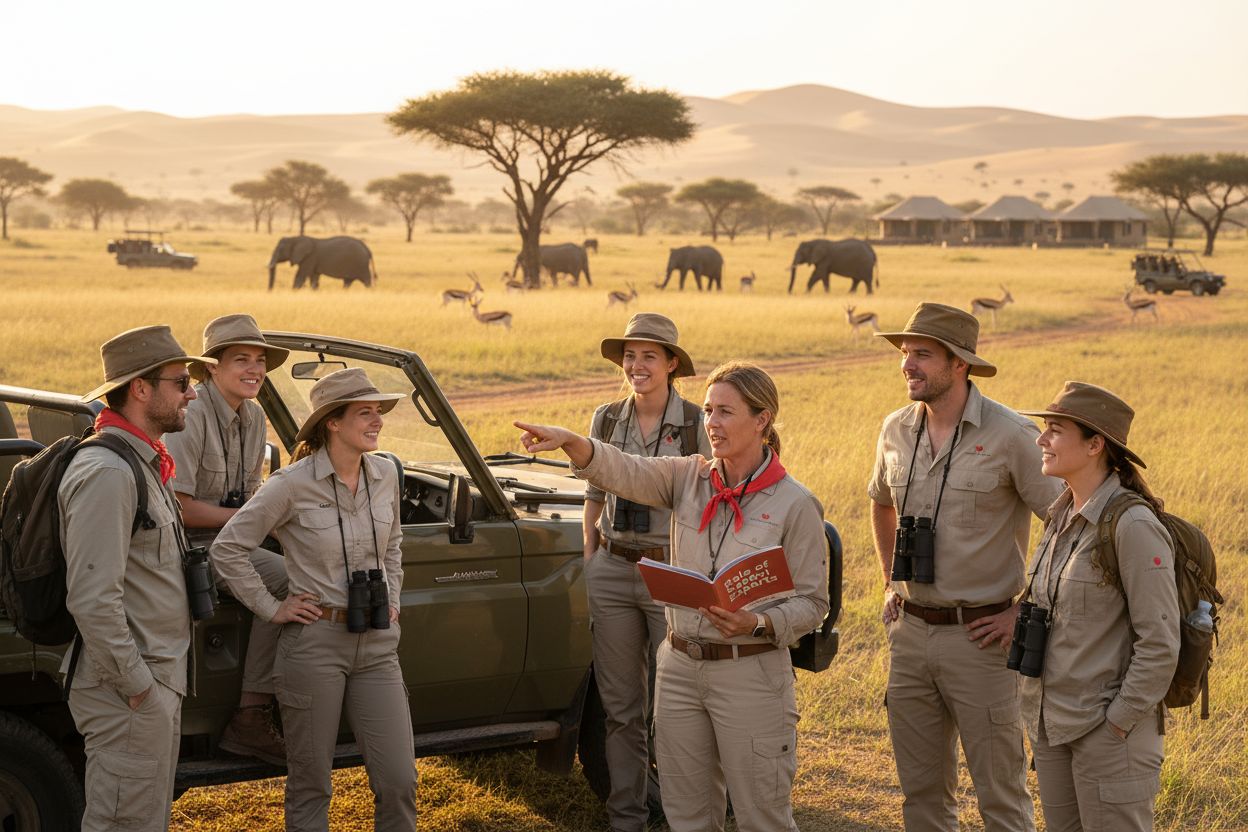
Understanding the Role of Safari Experts in Wildlife Travel
Explore the role of safari experts and gain a comprehensive understanding of how they enhance wildlife travel experiences for all types of travelers.
Feb 20, 2026
Guide organisation safari all inclusive : vivez l'aventure de vos rêves
Découvrez notre guide organisation safari all inclusive étape par étape pour planifier un voyage inoubliable au cœur de la nature.