
Jan 17, 2025
Southern African safaris offer unique wildlife, landscapes, and experiences. Learn how Namibia, South Africa, Botswana and Zimbabwe safaris compare.
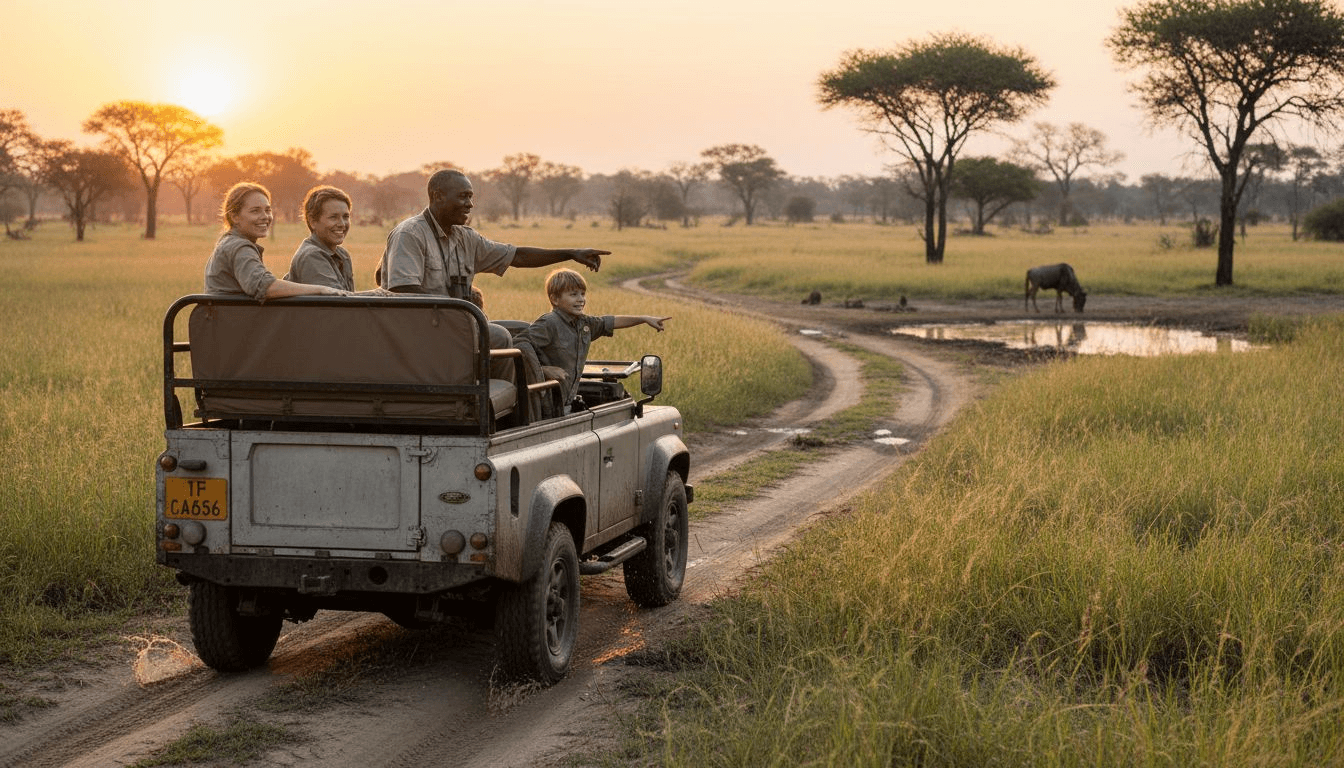
Southern African Safaris: Key Differences for Travellers
Planning a safari holiday means more than ticking the Big Five off a list. For discerning travellers from Europe and North America, Southern Africa unveils a fascinating mix of wild beauty and sophisticated luxury. Guided safaris, walking adventures, and unique fly-in experiences now centre on conservation, community empowerment, and sustainable tourism. This guide highlights the diverse safari options and extraordinary wildlife encounters across Namibia, Botswana, South Africa, Zimbabwe, and Zambia, helping you choose a journey tailored to your most memorable adventures.
Table of Contents
Defining Southern African Safari Experiences
Types of Safaris Across Southern Africa
Wildlife and Landscape Variations by Country
Luxury, Accessibility and Accommodation Options
Costs, Risks and Common Booking Mistakes
Key Takeaways
Point | Details |
|---|---|
Diverse Safari Experiences | Southern Africa offers various safari types, including guided, self-drive, and mobile tented safaris, catering to different traveller preferences. |
Emphasis on Conservation and Culture | Modern safaris prioritise conservation awareness, community engagement, and cultural immersion alongside wildlife viewing. |
Unique Ecological Landscapes | Each country presents distinct wildlife and ecological experiences, from Namibia’s deserts to Botswana’s wetlands, enhancing safari adventures. |
Important Booking Considerations | Careful planning for costs, insurance, and accommodation is essential to avoid common booking pitfalls and ensure a successful safari experience. |
Defining Southern African Safari Experiences
Southern African safari experiences represent far more than mere wildlife viewing – they are immersive journeys into some of the planet’s most extraordinary ecosystems. Safaris in Southern Africa have evolved dramatically from their colonial hunting origins into sophisticated, conservation-focused adventures that blend wildlife observation, cultural understanding, and ecological education.
These expeditions traverse diverse landscapes across multiple countries including Namibia, Botswana, South Africa, Zimbabwe, and Zambia. Each region offers unique safari styles catering to different traveller preferences:
Guided Safaris: Expert-led experiences with professional rangers
Self-Drive Adventures: Independent exploration for adventurous travellers
Walking Safaris: Intimate, ground-level wildlife encounters
Mobile Tented Safaris: Nomadic experiences following wildlife migrations
Luxury Fly-In Safaris: High-end, exclusive wilderness experiences
Modern Southern African safaris prioritize more than just wildlife sightings. They now emphasize critical aspects like:
Conservation awareness
Community engagement
Sustainable tourism practices
Educational wildlife interactions
Cultural immersion with local communities
The region’s safari experiences are uniquely positioned to offer travellers profound connections with some of the world’s most remarkable wilderness areas. From the sweeping plains of Etosha to the lush Okavango Delta, each destination provides a distinct ecological narrative.
Pro tip: Research the specific ecosystem and wildlife of your chosen safari destination to maximize your understanding and appreciation of the natural environment.
Types of Safaris Across Southern Africa
Southern Africa offers an extraordinary range of safari experiences that cater to diverse traveller preferences and adventure styles. Unlike traditional wildlife tours, these expeditions provide immersive journeys through some of the most remarkable ecosystems on the planet.
The primary safari types in Southern Africa include:
Guided Game Drives: Professional ranger-led wildlife viewing experiences
Self-Drive Adventures: Independent exploration for experienced travellers
Walking Safaris: Intimate ground-level wildlife encounters
Mobile Tented Safaris: Nomadic expeditions following animal migrations
Photographic Safaris: Specialised tours focused on wildlife photography
Luxury Fly-In Safaris: Exclusive wilderness experiences with aerial transportation
Night Game Drives: Nocturnal wildlife observation opportunities
Each safari type offers unique advantages for different traveller interests. Guided game drives provide expert interpretation and conservation insights, while self-drive safaris offer maximum flexibility in countries like Namibia and South Africa with well-developed tourism infrastructure. Walking safaris create deeply personal wildlife encounters, allowing travellers to experience the landscape at ground level.
Specialised safari experiences have emerged to meet growing traveller demands for more immersive and meaningful wildlife interactions. Photographic safaris, for instance, cater to professional and amateur photographers seeking perfect wildlife shots, with carefully planned routes and extended viewing opportunities.
Pro tip: Choose your safari type based on your personal interests, comfort level, and desired level of adventure to ensure the most memorable wildlife experience.
Wildlife and Landscape Variations by Country
Southern Africa boasts an incredible diversity of wildlife and ecosystems that vary dramatically across national boundaries. From Namibia’s stark desert landscapes to Botswana’s lush wetlands, each country offers a unique ecological experience that defines its wildlife and natural heritage.
The primary countries in Southern Africa showcase distinct ecological characteristics:
Namibia: Arid desert landscapes with unique wildlife adaptations
Botswana: Extensive wetlands and delta ecosystems
South Africa: Diverse landscapes from coastal regions to grasslands
Zimbabwe: Savanna and woodland ecosystems
Zambia: River systems and varied woodland habitats
Angola: Transitional landscapes with coastal and inland diversity
Each country presents remarkable wildlife populations shaped by its specific environmental conditions. Namibia’s harsh desert environments host specially adapted species like oryx and desert-adapted elephants, while Botswana’s Okavango Delta supports an extraordinary concentration of large mammals, including significant elephant herds and predator populations.
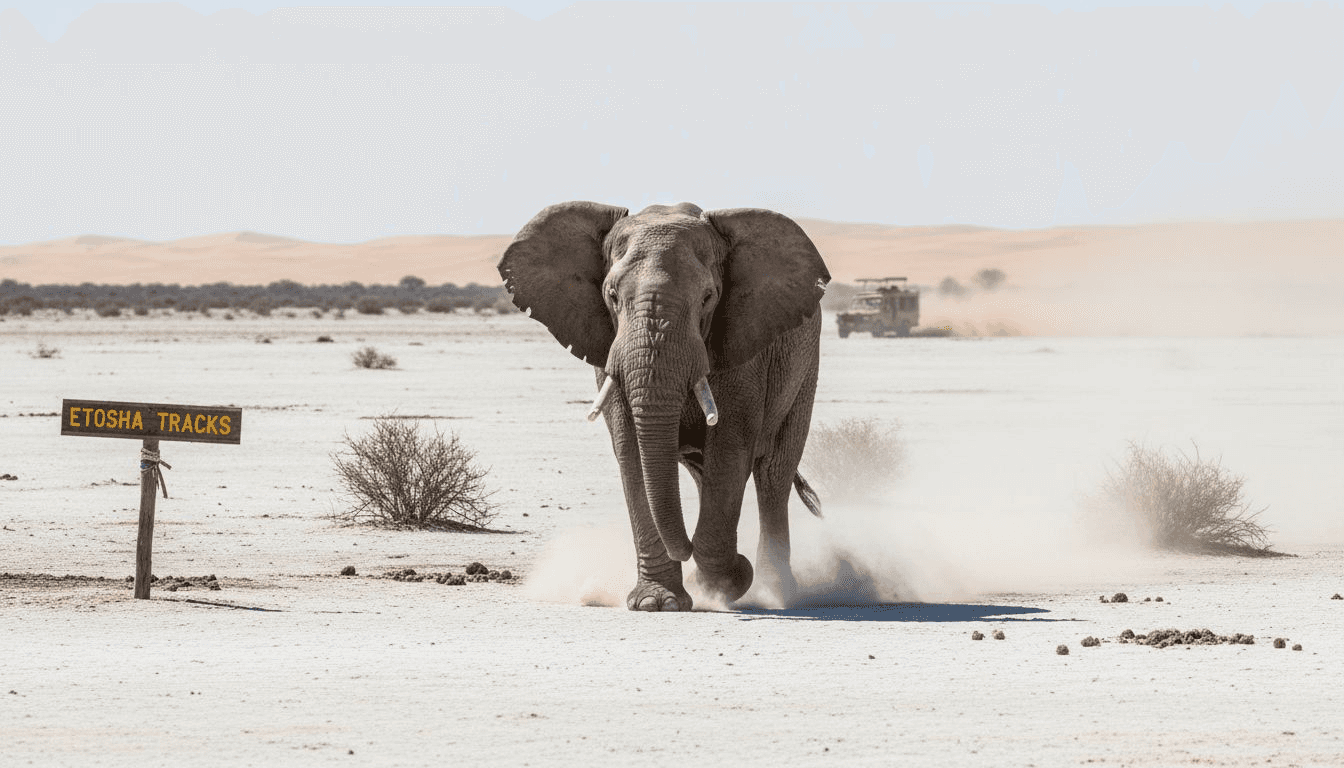
South African landscapes are particularly noteworthy, hosting nearly 300 mammal species and over 849 bird species across varied habitats. The country’s ecological diversity ranges from subtropical coastal regions to semi-arid Karoo landscapes, creating unique niches for wildlife that differ significantly from neighbouring countries.
Here’s how safari experiences differ across key Southern African countries:
Country | Signature Landscape | Iconic Wildlife | Safari Highlight |
|---|---|---|---|
Namibia | Vast deserts, gravel plains | Oryx, desert elephants | Etosha National Park |
Botswana | Okavango Delta wetlands | Large elephant herds, lions | Mokoro water safaris |
South Africa | Coastal, grasslands, semi-arid | Big Five, rich birdlife | Kruger National Park |
Zimbabwe | Miombo woodlands, savanna | Wild dogs, hippos, elephants | Victoria Falls safaris |
Zambia | River valleys, mixed woodlands | Leopards, crocodiles | Walking safari origins |
Angola | Coastal, savanna, riverine mosaics | Forest elephants, antelope | Iona National Park |
Pro tip: Research the specific ecological zones of your chosen safari destination to understand the unique wildlife interactions and landscape characteristics.
Luxury, Accessibility and Accommodation Options
Southern African safaris have transformed dramatically, offering diverse luxury experiences that cater to an increasingly sophisticated and inclusive traveller base. Modern safari accommodations range from ultra-premium lodges to specially designed accessible wilderness retreats that challenge traditional safari perceptions.
Accommodation options in Southern Africa typically include:
Ultra-Luxury Lodges: Exclusive properties with personalised service
Tented Safari Camps: Authentic wilderness experiences with high-end amenities
Private Game Reserve Lodges: Intimate settings with direct wildlife access
Wheelchair-Accessible Safari Lodges: Specially designed for mobility-challenged guests
Family-Friendly Accommodations: Spacious suites with child-friendly facilities
Eco-Sustainable Lodges: Environmentally conscious wilderness retreats
The evolution of safari accommodations has significantly enhanced traveller experiences. Luxury lodges now offer gourmet dining, private game viewing vehicles, spa facilities, and personalised guiding services that transform wildlife encounters from mere observations to immersive journeys.
Particularly noteworthy is the growing trend of accessibility in safari experiences. Lodges like Ximuwu in the Klaserie Private Nature Reserve demonstrate how luxury can be combined with comprehensive accessibility, featuring barrier-free suites, adapted game viewing vehicles, and tailored services that ensure all travellers can fully experience the wilderness.
To help plan your safari, compare accommodation options by experience and focus:
Accommodation Type | Level of Comfort | Unique Feature |
|---|---|---|
Ultra-Luxury Lodge | Highest | Private guides and gourmet dining |
Tented Safari Camp | High/Authentic | Immersive bush settings |
Private Reserve Lodge | Premium/Intimate | Exclusive wildlife access |
Accessible Safari Lodge | Fully Accessible | Adapted vehicles and rooms |
Family-Friendly Accommodation | Comfortable/Spacious | Child activities and safety |
Eco-Sustainable Lodge | Varies/Eco-Focused | Solar power and low impact |
Pro tip: Always communicate your specific accessibility or comfort requirements with your safari operator in advance to ensure a perfectly tailored wilderness experience.
Costs, Risks and Common Booking Mistakes
Navigating the complexities of safari bookings requires careful planning and understanding of safari booking intricacies. Travellers often encounter unexpected challenges that can significantly impact their travel experience and budget if not properly managed.
Common booking mistakes to avoid include:
Inadequate Advance Planning: Leaving bookings too late for peak seasons
Misunderstanding Cost Structures: Not accounting for hidden expenses
Overlooking Insurance Requirements: Skipping comprehensive travel coverage
Ignoring Visa and Health Regulations: Failing to prepare necessary documentation
Selecting Inappropriate Accommodation: Booking without understanding specific lodge requirements
Underestimating Seasonal Variations: Not considering wildlife migration patterns
Cost considerations for Southern African safaris are multifaceted. Prices can range dramatically based on factors such as lodge exclusivity, season, location, and included amenities. Budget-conscious travellers should anticipate spending between R15,000 to R50,000 per person per night for mid-range to luxury experiences, with exclusive private reserves commanding even higher rates.
Risk management is crucial in safari planning. This includes understanding cancellation policies, securing comprehensive travel insurance, obtaining necessary vaccinations, and maintaining flexible travel arrangements. Reputable operators typically offer transparent booking processes with clear contingency plans for unexpected disruptions.
Pro tip: Always request a detailed, itemised quote and fully understand the cancellation and refund policies before making any safari booking.
Discover The Perfect Southern African Safari Tailored For You
Choosing the right safari in Southern Africa can feel overwhelming given the many distinct options such as self-drive adventures, luxury fly-in safaris, and immersive walking safaris. This article highlights common challenges like selecting a suitable safari type, understanding cost and accessibility, and navigating country-specific wildlife and landscape differences. If you want to avoid common booking mistakes and experience Namibia’s remarkable ecosystems like the Namib Desert and Etosha National Park with expert support, our personalised planning and bespoke safari packages are designed for you.
Start your journey with Secret Namibia where we specialise in creating your perfect luxury or adventure safari. Benefit from detailed itineraries, local insights, and tailored options that ensure you engage deeply with Namibia’s unique safari styles while enjoying maximum comfort and convenience. Visit our landing page to explore exclusive safari offers, learn from client testimonials, and book your customised trip today. Don’t miss the chance to turn your dream Southern African safari into a seamless and unforgettable reality.
Frequently Asked Questions
What types of safaris are available in Southern Africa?
Southern Africa offers various safari types, including guided game drives, self-drive adventures, walking safaris, mobile tented safaris, photographic safaris, luxury fly-in safaris, and night game drives. Each type caters to different traveller interests and comfort levels.
How do I choose the right safari experience for my needs?
To choose the right safari experience, consider your personal interests, comfort level, and desired adventure level. Guided safaris are ideal for first-timers seeking expert insight, while self-drive options offer flexibility for experienced travellers.
What should I know about wildlife and landscape variations in Southern Africa?
Wildlife and landscapes in Southern Africa vary greatly by region, featuring diverse ecosystems such as arid deserts, wetlands, grasslands, and savanna. Each area hosts distinct wildlife populations and ecological characteristics, influencing the type of safari experience one can expect.
How do accommodation options differ for safaris in Southern Africa?
Accommodation options range from ultra-luxury lodges with personalized service to tented camps offering authentic wilderness experiences. There are also wheelchair-accessible lodges and family-friendly accommodations available, allowing travellers to choose based on their comfort and requirements.
Recommended
RELATED
Safari Guides
Oct 30, 2025
Understanding What is Included in Luxury Safaris
Explore what is included in luxury safaris, from exclusive accommodations to bespoke experiences that cater to discerning travelers.
Feb 24, 2026
Why Namibia Adventures Matter: An In-Depth Look
Discover why Namibia adventures are essential for luxury travelers seeking unique, immersive experiences in nature and wildlife exploration.
Feb 23, 2026
What to Expect on a Luxury Safari: A Comprehensive Guide
Discover what to expect on a luxury safari and gain a deeper understanding of the unique experiences that await you in the wild.
Feb 22, 2026
Understanding Namibia Safari Costs Explained
Explore Namibia safari costs explained to uncover what influences pricing and what it means for your adventure.
Feb 21, 2026
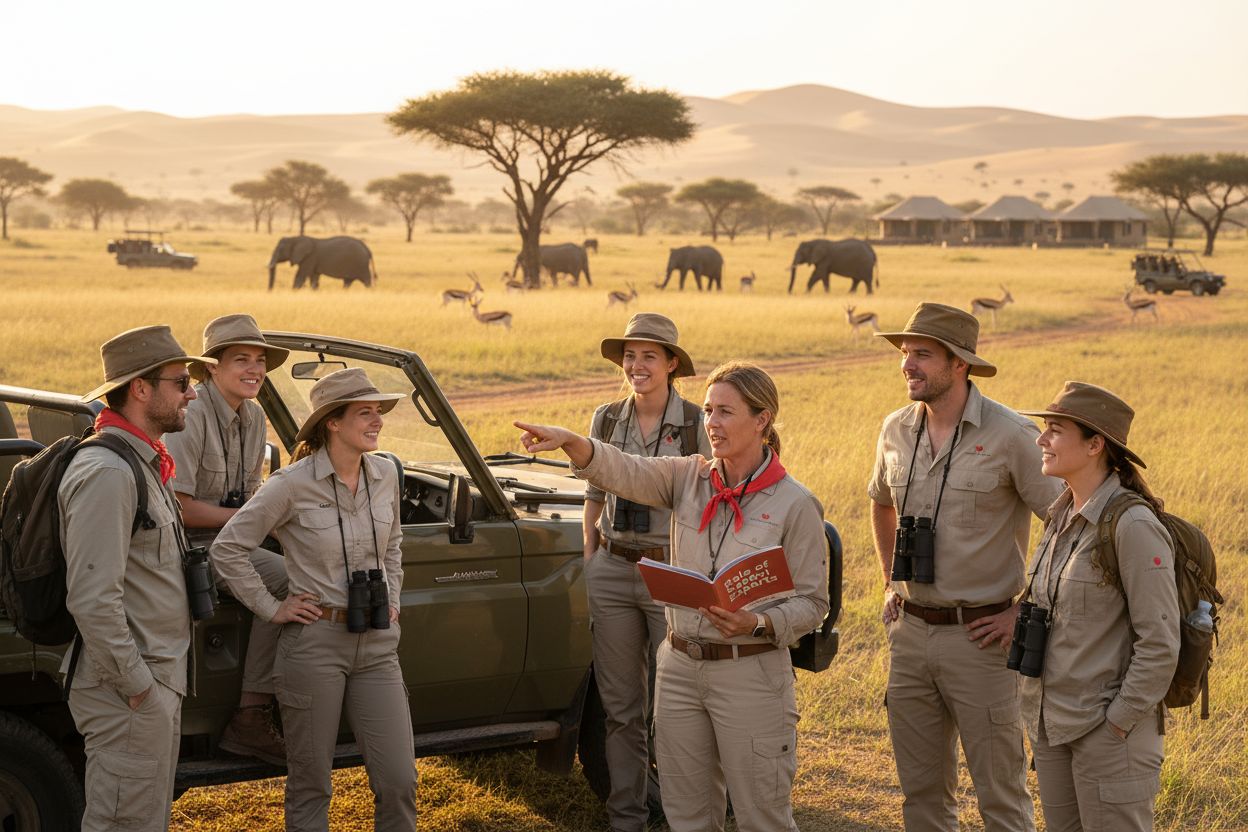
Understanding the Role of Safari Experts in Wildlife Travel
Explore the role of safari experts and gain a comprehensive understanding of how they enhance wildlife travel experiences for all types of travelers.
Feb 20, 2026
Guide organisation safari all inclusive : vivez l'aventure de vos rêves
Découvrez notre guide organisation safari all inclusive étape par étape pour planifier un voyage inoubliable au cœur de la nature.