
Jul 14, 2026
Discover the ultimate guide to luxury safari planning for 2026. Explore exclusive itineraries, private game reserves, and breathtaking wildlife.
Luxury safari planning: your complete guide for 2026
TL;DR:
Luxury safari planning involves creating customized itineraries that emphasize exclusivity, wildlife experiences, and flawless logistics. Using private game reserves guarantees more intimate encounters and off-road access not permitted in national parks. Travelers should book well in advance, limit destinations to avoid rushing, and focus on partnership with experienced advisors for seamless execution.
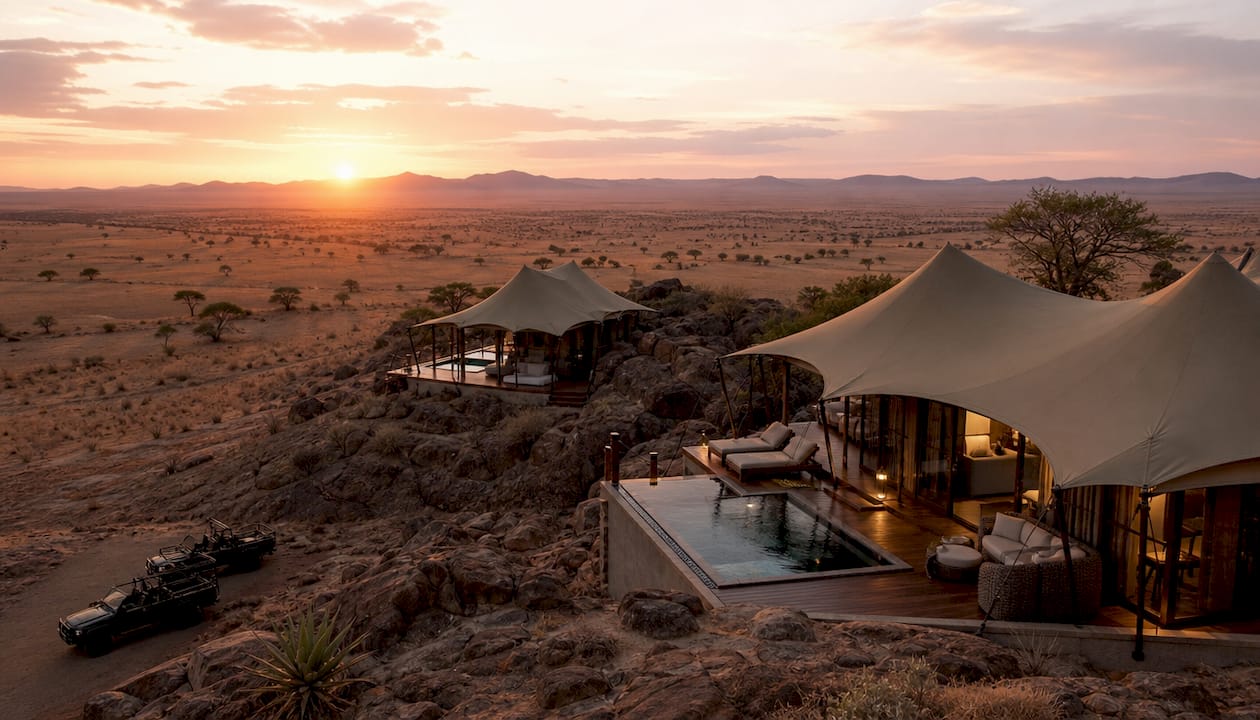
Luxury safari planning is defined as the art of crafting a bespoke itinerary that places exclusivity, wildlife immersion, and flawless logistics at its core. Namibia and Southern Africa offer some of the most magnificent safari terrain on earth, from the towering red dunes of Sossusvlei to the vast, wildlife-rich plains of Etosha National Park and the thundering spectacle of Victoria Falls. What separates a truly exceptional high-end safari experience from an ordinary trip is not simply the quality of the lodge. It is the precision of the planning, the depth of the wildlife encounters, and the degree to which every detail is tailored to you. Private game reserves are the foundation of this approach, offering flexibility, exclusivity, and access that national parks simply cannot match.
What are the top private game reserves in Namibia and Southern Africa?
Private game reserves are the gold standard for luxury wildlife adventures. Unlike national parks, they operate within privately owned or community-managed concessions, which means fewer vehicles at sightings, off-road driving privileges, night safaris, and guided bush walks. These activities are restricted in national parks, making private reserves the only way to experience Africa’s wildlife with true intimacy and depth.
Here are some of the finest private reserves and destinations across Namibia and Southern Africa worth considering for your itinerary:
Damaraland, Namibia. This dramatic, semi-arid wilderness in northwestern Namibia is home to desert-adapted elephant and black rhino. Luxury tented camps here blend raw, sculptural landscapes with refined interiors, solar-powered design, and community conservation partnerships with local Damara communities. The sense of isolation is extraordinary.
Sossusvlei and the Namib Desert, Namibia. The world’s oldest desert delivers one of Africa’s most iconic visual experiences. Exclusive lodges positioned on private concessions bordering Namib-Naukluft National Park offer private dune access at sunrise before day visitors arrive. Some properties include private plunge pools, open-air showers, and observatory decks for Namibia’s legendary dark skies.
Etosha National Park surrounds, Namibia. The private concessions bordering Etosha offer what the park itself cannot: night drives, walking safaris, and dedicated guiding. Luxury lodges in these concessions provide waterhole views from your suite, gourmet bush dinners, and access to the Big Five in a setting that feels entirely your own.
Okavango Delta, Botswana. One of the world’s great wilderness areas, the Okavango floods annually to create a lush, wildlife-rich oasis in the Kalahari. Exclusive fly-in camps here accommodate as few as eight guests, with mokoro (dugout canoe) excursions, walking safaris, and private vehicle game drives. Conservation fees are high by design, limiting visitor numbers and protecting the ecosystem.
South Luangwa, Zambia. Widely regarded as the birthplace of the walking safari, South Luangwa offers extraordinary leopard sightings and a genuine sense of wilderness. Luxury camps here are small, beautifully designed, and staffed by some of the most experienced guides in Africa.
Pro Tip: When comparing private reserves, ask specifically about the size of the concession and the maximum number of vehicles permitted at any one sighting. Smaller concessions with strict vehicle limits deliver far more intimate wildlife encounters.
How to plan your luxury safari itinerary
The most effective luxury safari itinerary limits a 10–14 day trip to 2–3 destinations, with a minimum of three nights at each stop. This structure gives you time to settle into the rhythm of each location, build a relationship with your guide, and witness wildlife behaviour across different times of day. Rushing between four or five camps in a fortnight is the single most common mistake affluent travelers make.
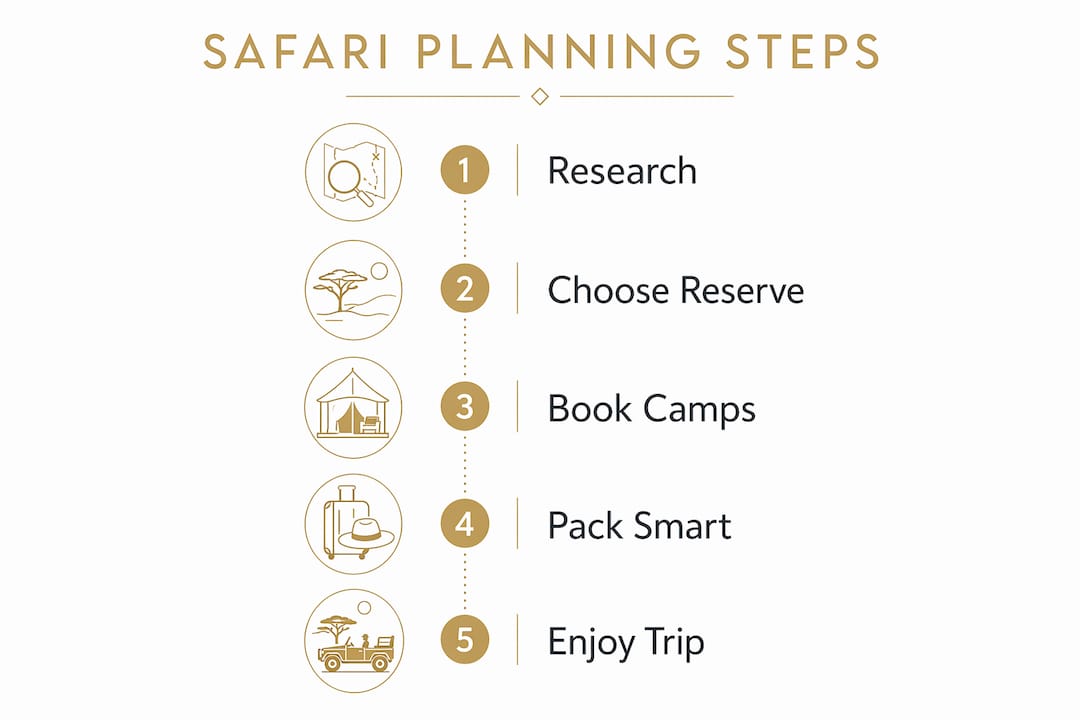
A well-paced itinerary follows a clear sequence:
Anchor your trip around one flagship destination. For Namibia, this is typically Sossusvlei, Etosha, or Damaraland. Choose the ecosystem that excites you most and build outward from there.
Add one complementary destination. Pair the Namib Desert with Etosha for dramatic contrast, or combine Namibia with the Okavango Delta for a multi-country experience. Each pairing should offer ecological variety, not repetition.
Build in buffer days around internal flights. Bush charters have strict luggage limits and are subject to weather delays. A buffer day at the start or end of a bush flight leg removes stress and protects your connections.
Sequence from dry to wet or low to high season. If you are traveling across multiple countries, sequence your destinations to align with peak wildlife conditions in each region. Your specialist advisor can map this precisely.
Reserve your final night near an international airport. A comfortable city hotel or airport lodge on your last night prevents the anxiety of early-morning departures from remote camps.
Pro Tip: Book peak season camps 12–18 months in advance. For off-peak travel, 4–6 months is generally sufficient, but the best camps still fill quickly.
Booking timelines matter enormously. Peak season reservations require 12–18 months of lead time, while off-peak travel can be arranged within 4–6 months. The most sought-after camps in Botswana and Namibia sell out a full year ahead, particularly for july and august.
What defines a truly high-end safari lodge or camp?
The difference between a good safari property and an exceptional one comes down to four factors: location, exclusivity, guiding quality, and sustainability. Understanding these criteria helps you cut through marketing language and identify properties that will genuinely deliver.
Location within a private concession. A lodge situated inside a private concession or conservancy has exclusive access to its surrounding wildlife area. This means your guide can follow a leopard off-road, linger at a lion kill for as long as the sighting demands, and take you on a walking safari at dawn. Sustainability-focused camps within conservancies consistently produce higher-quality guiding and more exclusive wildlife access.
Camp size and guest ratio. The finest camps accommodate between six and sixteen guests. Fewer guests means more personalised attention, quieter vehicles, and a guide who genuinely learns your interests over several days.
Accommodation design and amenities. Look for properties that integrate naturally into their environment rather than imposing on it. Tented camps with canvas walls and open-air bathrooms create an immersive connection to the bush. Lodges with private plunge pools, outdoor showers, and fire pits add comfort without disconnecting you from the landscape. For the ultimate privacy, exclusive-use villas allow a family or group to take over an entire property.
Community and conservation investment. Properties that employ and train local guides, fund anti-poaching units, and reinvest revenue into community development are not just ethically superior. They attract and retain the best guides in the region, which directly elevates your wildlife experience. Look for membership in bodies such as the Long Run Sustainability Standard or Relais & Châteaux as markers of genuine commitment.
What practical preparations make a luxury safari flawless?
Flawless execution on the ground starts with thorough preparation well before departure. The logistics of remote African travel require more attention than most international trips, and the details that get overlooked are almost always the ones that cause problems.
“The difference between a good safari and an extraordinary one often depends on expert decisions about timing, operator choice, and itinerary flow that travelers rarely discern independently. An experienced advisor sees the pitfalls before they become problems.”
Expert travel advisors reduce planning stress significantly by sorting through complex logistics, operator quality, and camp selection. Online research alone cannot replicate the firsthand knowledge of someone who has visited the camps, knows the guides personally, and understands seasonal conditions on the ground.
Beyond choosing the right advisor, these practical steps are non-negotiable:
Vaccinations and malaria prophylaxis. Requirements vary by country and region. Consult a travel medicine clinic at least six to eight weeks before departure. Malaria risk in Etosha is low but present; the Okavango Delta carries higher risk. Your advisor and doctor should align on prophylaxis recommendations.
Comprehensive travel insurance. Medical evacuation coverage is non-negotiable for remote safari travel. Your policy should cover emergency evacuation, trip cancellation, and medical treatment. Standard travel insurance rarely covers bush plane evacuations, so read the fine print carefully.
Packing for the bush. Neutral-colored, lightweight clothing in layers is the correct approach. Bright colors disturb wildlife and mark you as inexperienced. Temperatures in the Namib Desert can swing from below 10°C at dawn to above 35°C by midday. Pack binoculars, quality camera gear, and a good wide-brimmed hat. Most luxury camps offer laundry services, so you need far less than you think.
Luggage constraints on bush flights. Internal charter flights across Namibia and Botswana enforce strict soft-bag limits, typically around 20kg total including hand luggage. Hard-shell suitcases do not fit in bush plane luggage holds. Pack in soft duffel bags and leave excess luggage at your gateway city hotel.
Key takeaways
Exceptional luxury safari planning requires choosing private game reserves, limiting destinations to 2–3 per trip, booking 12–18 months ahead for peak season, and working with a specialist advisor who knows the camps firsthand.
Point | Details |
|---|---|
Private reserves over national parks | Off-road driving, night safaris, and walking safaris are only available on private concessions. |
Limit destinations per trip | A 10–14 day itinerary works best with 2–3 stops and at least 3 nights each. |
Book well in advance | Peak season camps require 12–18 months lead time; off-peak needs 4–6 months minimum. |
Sustainability signals quality | Camps investing in conservation and community consistently deliver superior guiding. |
Prepare practically | Travel insurance with evacuation cover, correct vaccinations, and soft-bag luggage are essential. |
What I have learned from years of planning luxury safaris in Namibia
The travelers who return from Namibia genuinely transformed are almost never the ones who crammed in the most destinations. They are the ones who spent four nights in Damaraland watching desert elephants move through ancient riverbeds, or who sat at a Sossusvlei waterhole at dusk as the light turned the dunes from orange to deep crimson. Time is the real luxury on a safari. You cannot rush a leopard.
What I find consistently undervalued in bespoke safari planning is the relationship between guide and guest. A great guide reads your curiosity and adjusts every game drive accordingly. That relationship only develops over multiple days in the same vehicle. One-night stops destroy it before it begins.
The sustainability question also matters more than most travelers initially realize. Camps that fund community conservancies are not just doing good work. They are operating in areas where wildlife thrives because local communities have a direct financial stake in protecting it. That translates into better sightings, healthier ecosystems, and a more meaningful experience for you.
My honest advice: resist the temptation to add “just one more destination.” The itinerary that feels slightly too short on paper almost always feels exactly right in the field.
— Secret
Plan your perfect luxury safari with Secretnamibia
Secretnamibia specializes in crafting personalized luxury safari itineraries across Namibia and Southern Africa, with direct relationships with the finest private camps and lodges in the region. Whether you are drawn to the ancient silence of the Namib Desert, the wildlife-rich concessions bordering Etosha, or a multi-country adventure combining Namibia with Botswana or Zambia, the team at Secretnamibia designs every detail around your interests.
From private vehicle game drives and exclusive fly-in camp access to luxury safari packages built around your travel dates and preferences, Secretnamibia handles the complexity so you can focus entirely on the experience. Contact the team directly to begin designing your 2025/2026 safari adventure.
FAQ
What is luxury safari planning?
Luxury safari planning is the process of designing a bespoke African safari itinerary that prioritizes private game reserves, personalized guiding, premium accommodations, and seamless logistics tailored to the individual traveler.
How far in advance should I book a luxury safari?
Peak season bookings require 12–18 months of lead time, while off-peak travel can typically be arranged within 4–6 months. The best camps in Namibia and Botswana fill a full year ahead.
Why choose a private game reserve over a national park?
Private reserves permit off-road driving, night safaris, and guided walking experiences that are restricted in national parks. This access produces far more intimate and flexible wildlife encounters.
How many destinations should a luxury safari itinerary include?
A 10–14 day itinerary works best with 2–3 destinations and a minimum of three nights at each stop. More destinations reduce immersion and increase logistical stress without improving the experience.
What should I pack for a luxury safari in Namibia?
Pack lightweight, neutral-colored clothing in layers, quality binoculars, camera gear, insect repellent, and sunscreen. Use soft duffel bags rather than hard-shell suitcases, as bush charter flights enforce strict luggage limits.
Recommended
RELATED
Safari Guides
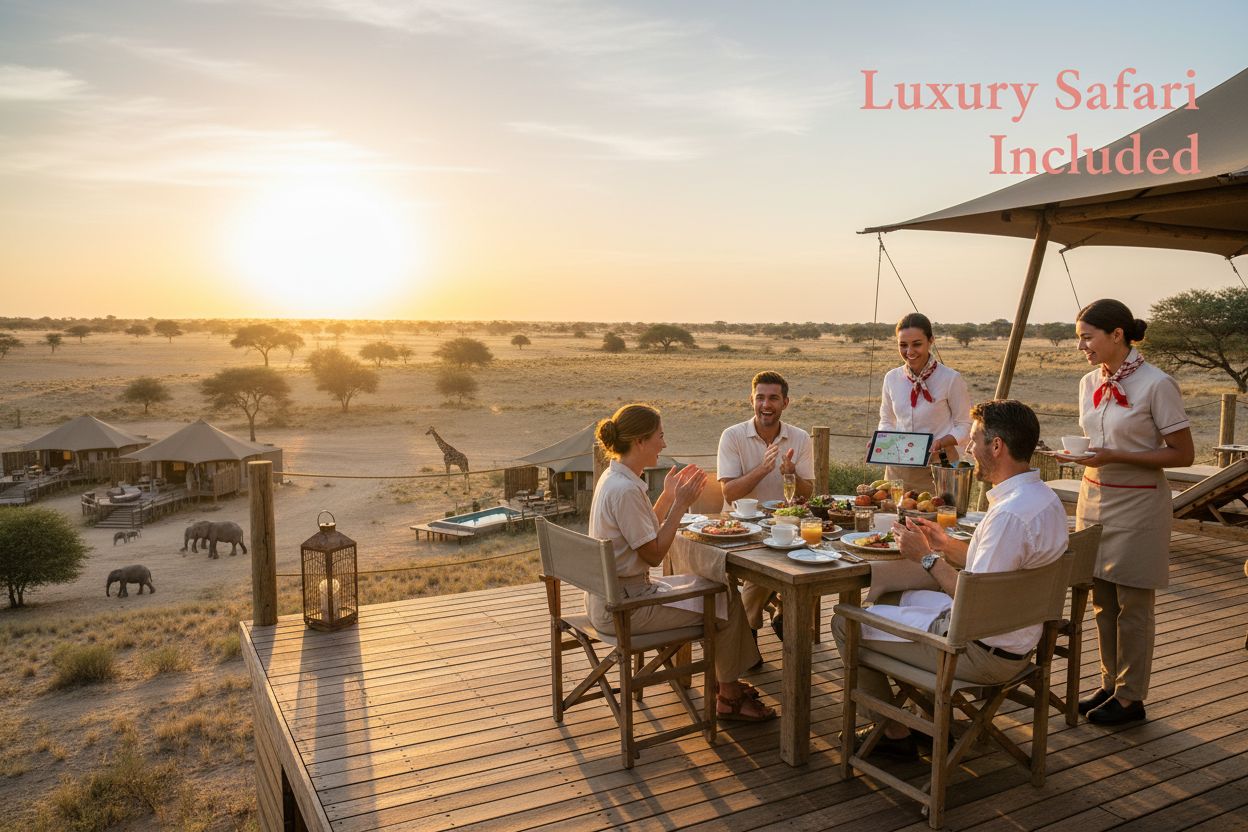
Oct 30, 2025
Understanding What is Included in Luxury Safaris
Explore what is included in luxury safaris, from exclusive accommodations to bespoke experiences that cater to discerning travelers.
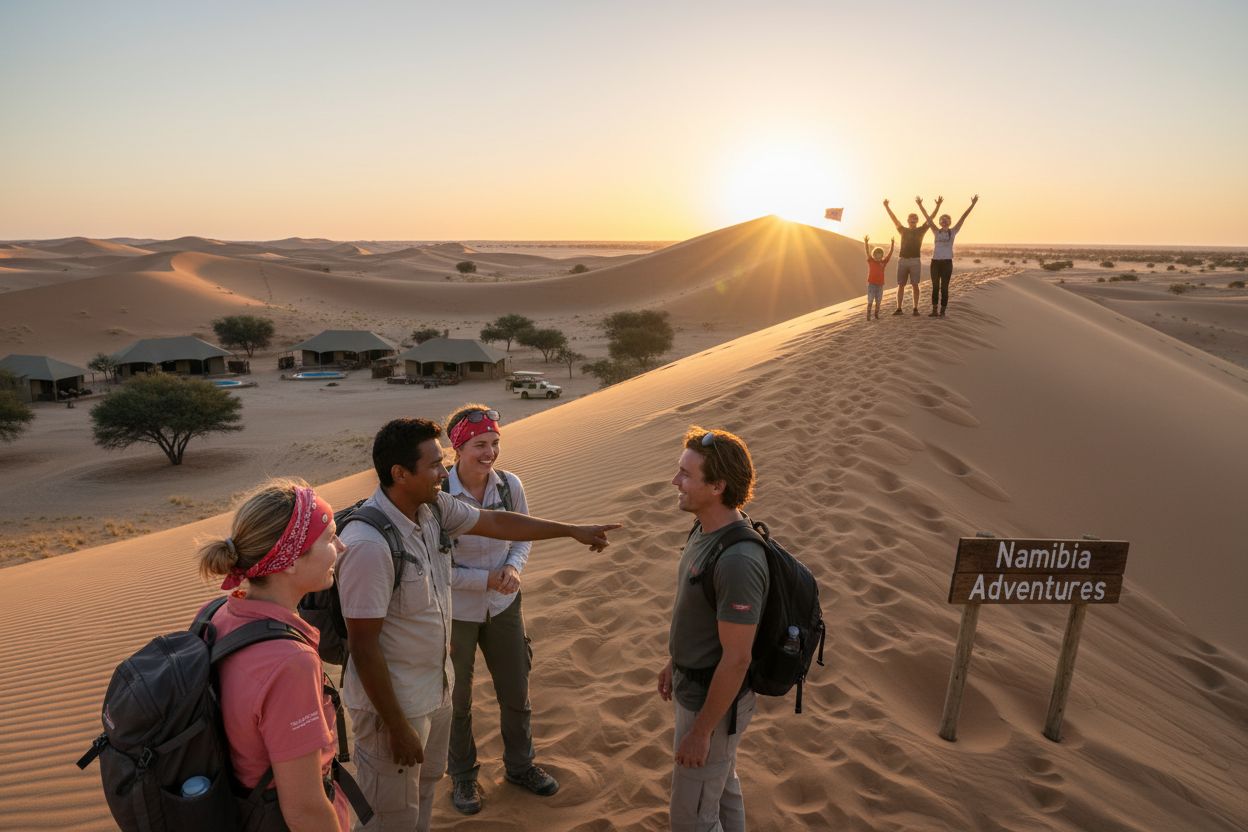
Feb 24, 2026
Why Namibia Adventures Matter: An In-Depth Look
Discover why Namibia adventures are essential for luxury travelers seeking unique, immersive experiences in nature and wildlife exploration.
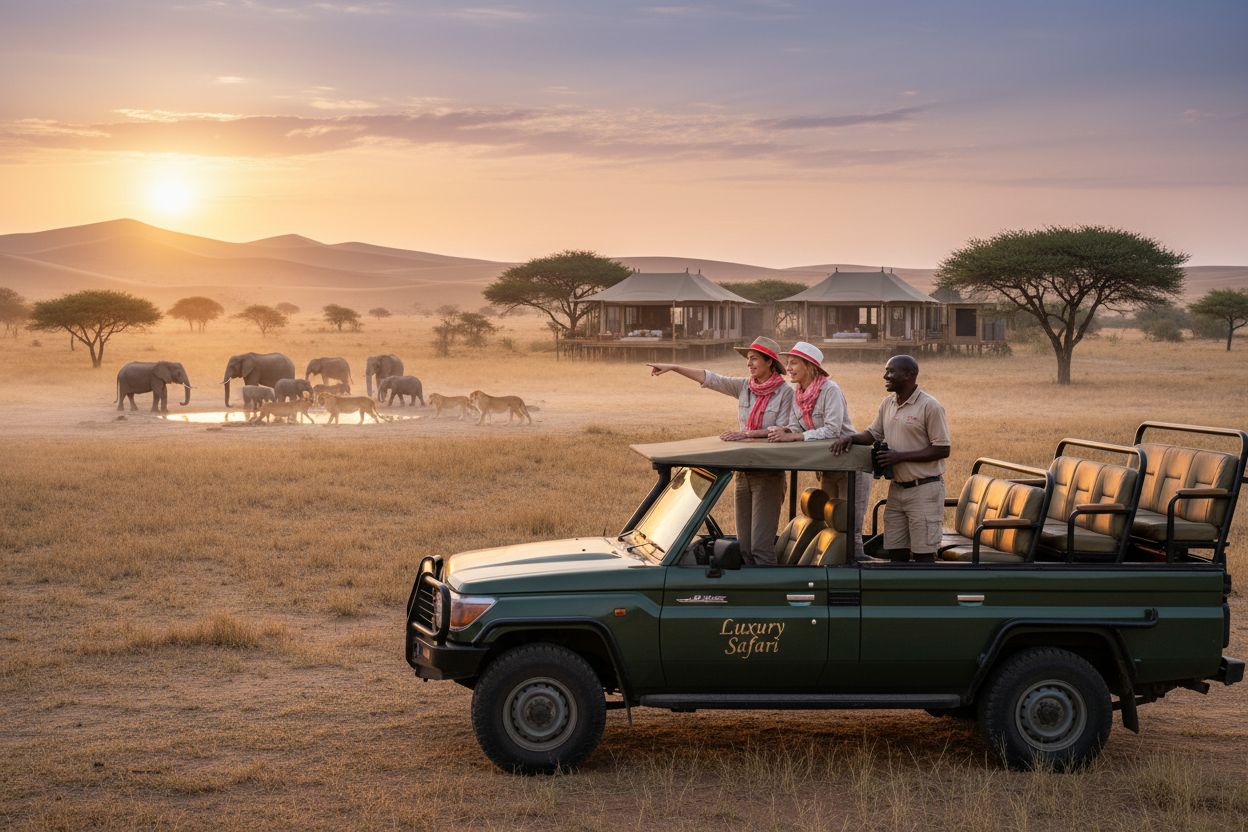
Feb 23, 2026
What to Expect on a Luxury Safari: A Comprehensive Guide
Discover what to expect on a luxury safari and gain a deeper understanding of the unique experiences that await you in the wild.
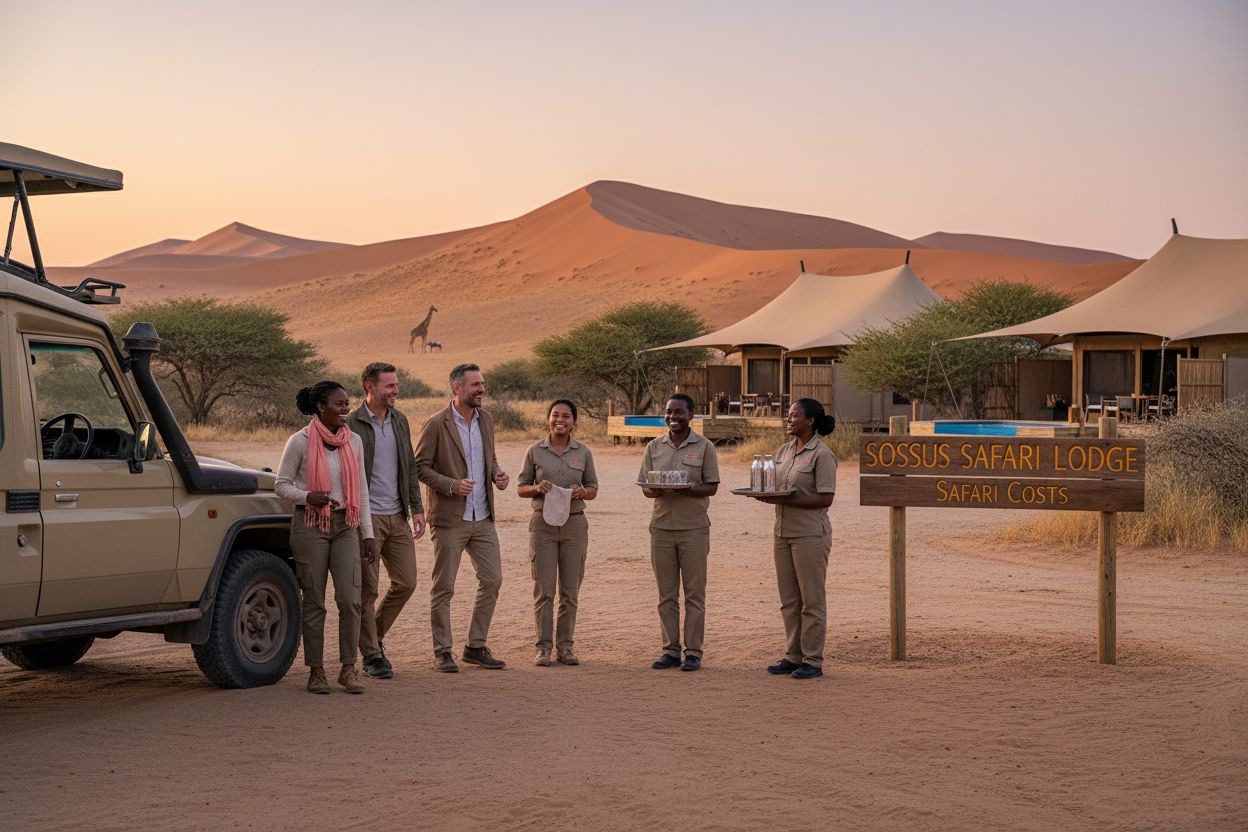
Feb 22, 2026
Understanding Namibia Safari Costs Explained
Explore Namibia safari costs explained to uncover what influences pricing and what it means for your adventure.
Feb 21, 2026
Understanding the Role of Safari Experts in Wildlife Travel
Explore the role of safari experts and gain a comprehensive understanding of how they enhance wildlife travel experiences for all types of travelers.
Feb 20, 2026
Guide organisation safari all inclusive : vivez l'aventure de vos rêves
Découvrez notre guide organisation safari all inclusive étape par étape pour planifier un voyage inoubliable au cœur de la nature.