
Jul 13, 2025
Discover how to travel safely in Namibia with a step-by-step guide for luxury adventurers. Follow practical tips to enjoy secure, worry-free safari journeys.
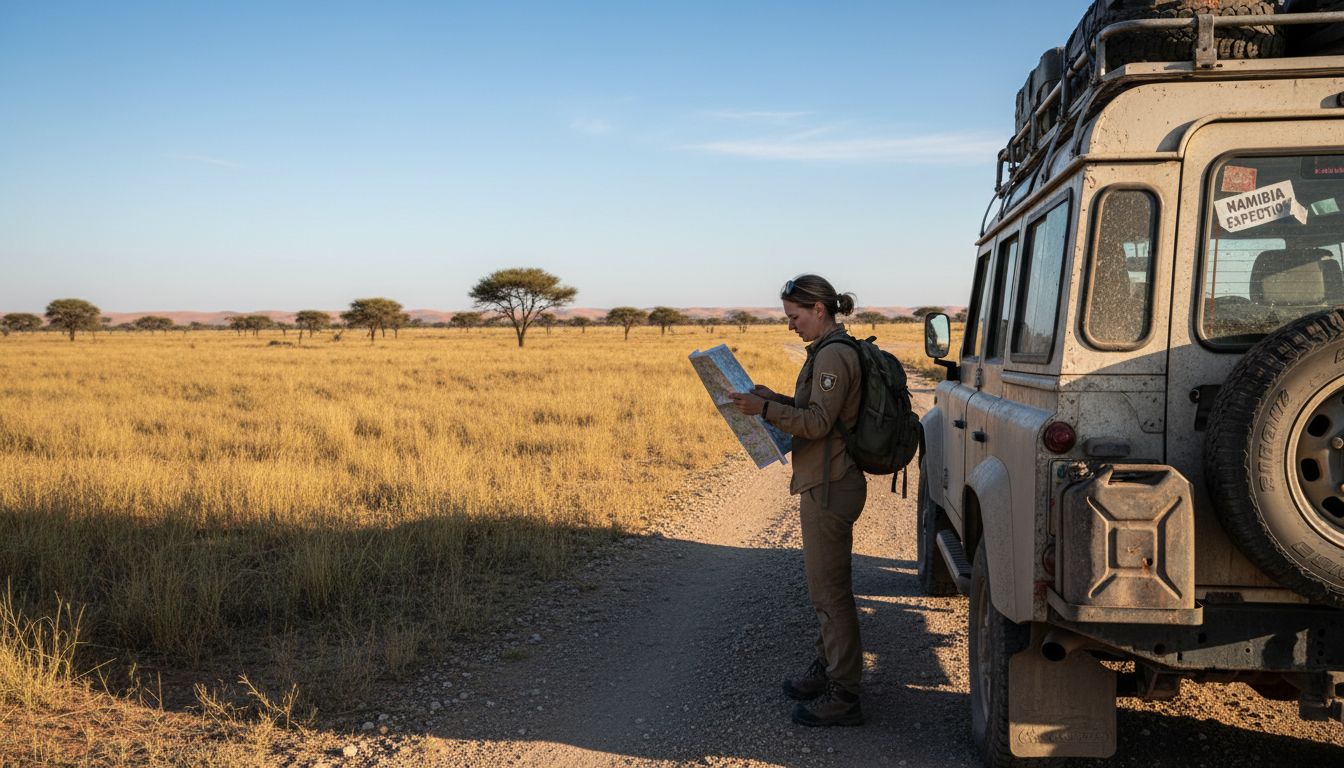
How to Travel Safely in Namibia: Expert Tips and Essential Steps
Every year, thousands of South-African travelers set their sights on Namibia, drawn by its dramatic desert landscapes and rich wildlife. Yet, nearly 40 percent of first-time visitors report unexpected hurdles because they underestimated local requirements or conditions. Proper research before departure is the difference between a seamless journey and last-minute surprises. Here, you will find practical tips every South-African should know for a well-prepared and safe adventure across Namibia’s stunning terrain.
Table of Contents
Step 1: Assess Travel Requirements And Research Local Conditions
Step 2: Plan Your Route And Arrange Reputable Accommodations
Step 3: Prepare Essential Documents And Verify Health Measures
Step 4: Secure Reliable Transport And Confirm Guided Services
Step 5: Monitor On-Ground Safety And Adapt To Local Advisories
Step 6: Review Emergency Protocols And Complete A Safety Check
Quick Summary
Important Insight | Explanation |
|---|---|
1. Verify travel requirements beforehand | Ensure your passport is valid for at least six months and check visa regulations based on your nationality to avoid entry issues. |
2. Plan a flexible travel route | Research travel distances and road conditions to accommodate Namibia’s vast landscapes; allow extra time for driving and include alternative routes in your itinerary. |
3. Secure reliable transportation services | Rent a robust 4x4 vehicle and verify the credentials of tour operators to navigate various terrains and receive informed guidance during your journey. |
4. Stay updated on local safety conditions | Monitor real-time safety advisories and connect with local sources to adapt your travel plans based on current environmental or security conditions. |
5. Prepare a comprehensive emergency kit | Assemble an emergency contact sheet and a well-stocked medical kit, ensuring you can address unexpected situations promptly during your travel. |
Step 1: Assess travel requirements and research local conditions
Before embarking on your Namibian adventure, understanding the essential travel requirements and local conditions is crucial for a smooth journey. This initial research phase helps you prepare thoroughly and avoid potential complications during your trip.
Start by checking the latest travel advisories from official government sources to understand current entry regulations. You will need to verify your passport validity (ensure it is valid for at least six months beyond your planned departure date) and investigate visa requirements. Some nationalities can enter Namibia without a visa for up to 90 days, but this depends on your specific citizenship.
Health preparations are equally important. Review recommended vaccinations and medical precautions through reputable travel health resources. Consider consulting your healthcare provider about potential risks like malaria prophylaxis, especially if you plan to visit wildlife regions. Pack a comprehensive first aid kit and ensure you have adequate travel health insurance that covers medical evacuation.
Weather and seasonal conditions can significantly impact your travel experience in Namibia. Research regional climate patterns to pack appropriate clothing and plan activities accordingly. The dry winter months (May to September) are typically ideal for wildlife viewing, while summer months can be extremely hot in desert regions.
Lastly, familiarise yourself with local customs and cultural norms to ensure respectful interactions. Understanding basic etiquette and a few phrases in local languages can enhance your travel experience and demonstrate cultural sensitivity. By investing time in thorough research and preparation, you will set the foundation for an incredible Namibian journey.
Step 2: Plan your route and arrange reputable accommodations
Planning your route and securing reliable accommodations are critical steps in ensuring a safe and enjoyable Namibian adventure. This stage requires careful consideration of the country’s unique geographical challenges and diverse travel requirements.
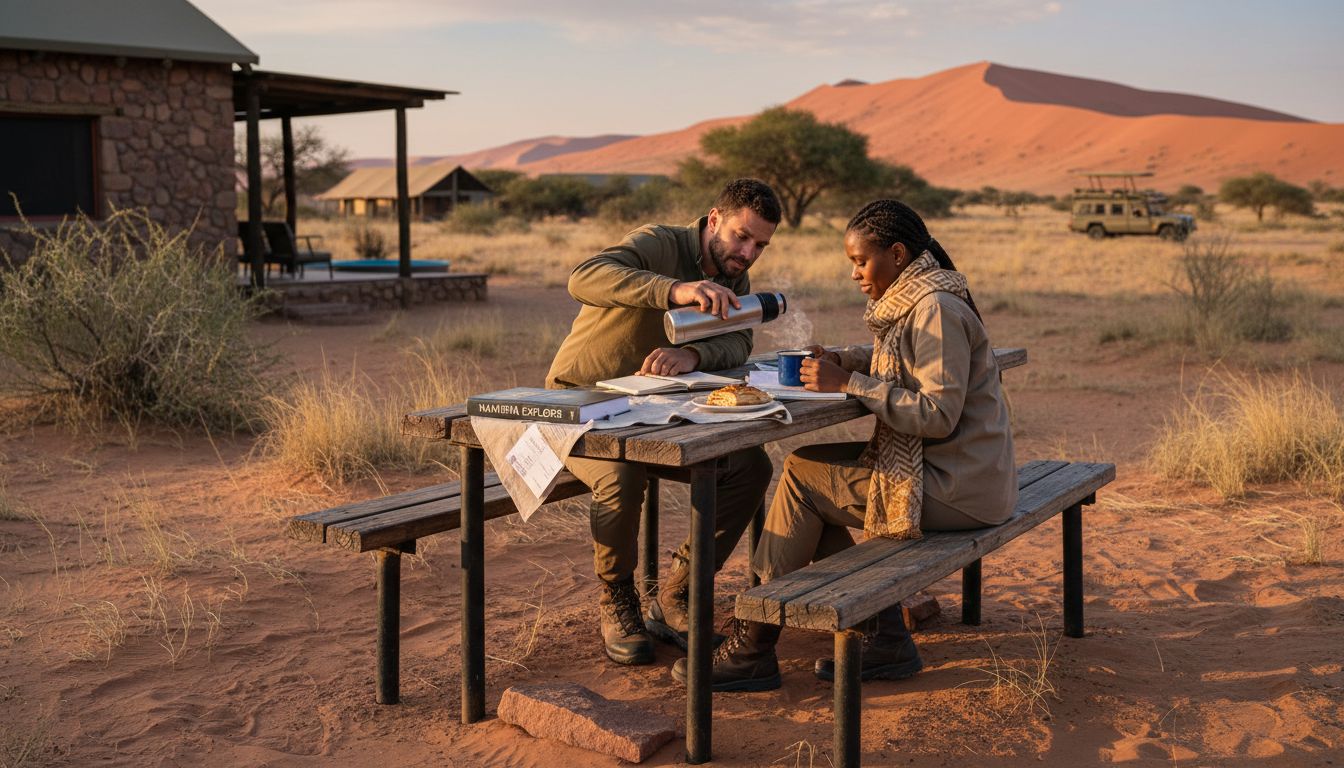
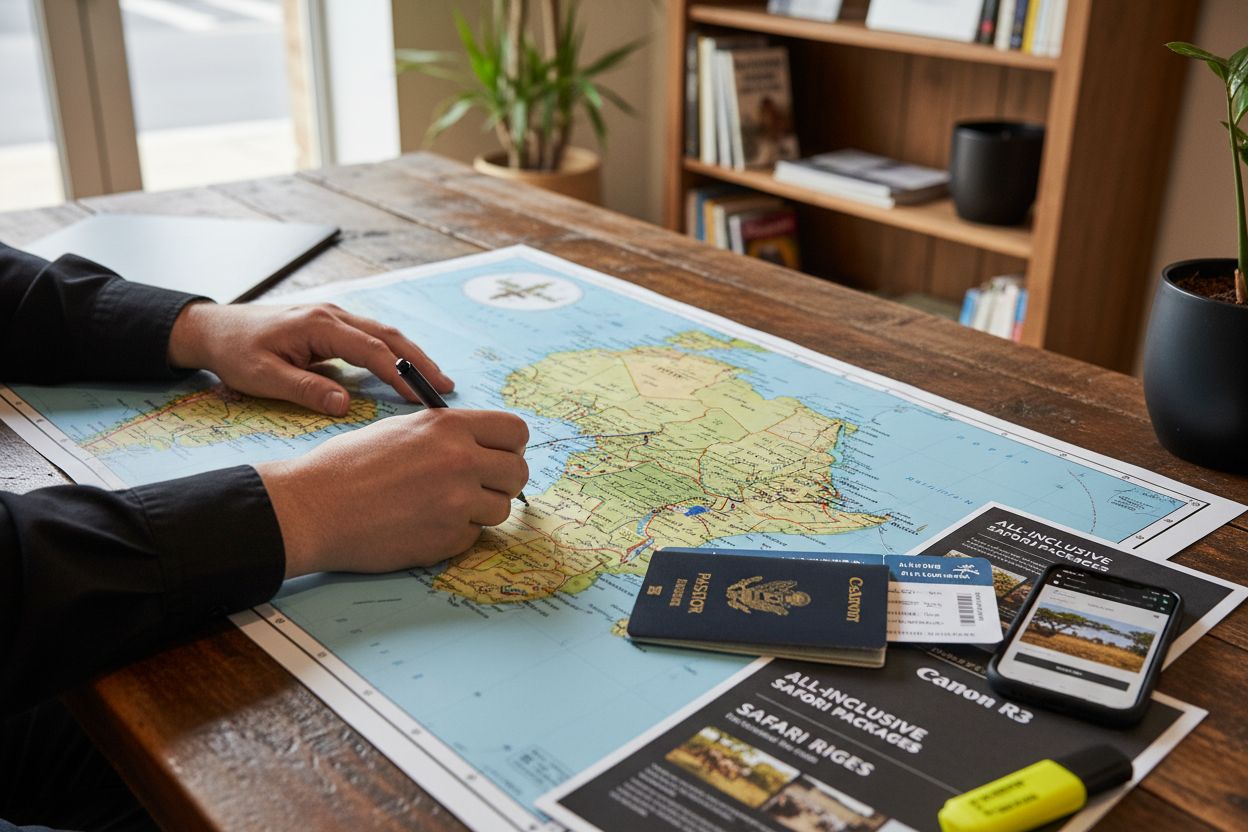
Namibia’s vast landscape demands strategic route planning. When mapping your journey, carefully research travel distances and road conditions to avoid unexpected challenges. The country’s expansive terrain means travel times can be significantly longer than anticipated, so build flexibility into your itinerary. Consider renting a robust 4x4 vehicle suitable for both paved highways and remote gravel roads, and always carry extra water, spare tyres, and emergency supplies.
Accommodation selection requires equal diligence. Prioritise booking with established lodges and reputable safari camps that have strong safety records and positive traveller reviews. Confirm your bookings well in advance to secure your preferred options, especially during peak tourist seasons. Look for accommodations that offer additional security features like 24hour reception, secure parking, and guided transfer services.
When planning your route, create a detailed travel log that includes estimated driving times, fuel station locations, and planned overnight stops. GPS coordinates and offline maps can be invaluable in areas with limited connectivity. Pro tip: Always have a physical map as backup and inform a trusted contact about your planned route and expected arrival times.
Your meticulous planning now sets the stage for an extraordinary Namibian expedition. With your route mapped and accommodations secured, you are ready to transition into the next phase of your adventure preparation.
Step 3: Prepare essential documents and verify health measures
Navigating the administrative and health requirements for international travel can seem daunting, but a systematic approach will ensure you are fully prepared for your Namibian adventure. This critical step involves gathering the right documentation and taking proactive health precautions.
Start by meticulously checking your passport validity and ensuring you have the correct travel documentation. Your passport should be valid for at least six months beyond your planned departure date, with sufficient blank pages for entry and exit stamps. Research visa requirements specific to your nationality contact the nearest Namibian embassy or consulate to confirm current regulations. Make multiple photocopies of important documents like your passport, travel insurance, and emergency contact information store digital copies securely online and leave a set with a trusted family member or friend.
Health preparations are equally crucial. Consult a travel health professional well in advance of your trip to receive comprehensive vaccination advice and discuss region specific health risks. Depending on your travel itinerary, you might need vaccinations for hepatitis A and B, typhoid, and yellow fever. If you are visiting wildlife areas or regions with potential malaria exposure, discuss prophylaxis options with your healthcare provider. Pack a comprehensive medical kit including prescription medications, over the counter treatments, insect repellent, and high SPF sunscreen.
Create a comprehensive health and document folder that includes your travel insurance details, emergency medical contact information, vaccination records, and copies of prescriptions. Consider purchasing travel insurance that covers medical evacuation this can be invaluable in remote areas with limited medical facilities. Pro tip: Scan or photograph all important documents and store them securely in a cloud service or encrypted email for easy access in case of loss.
With your documents organised and health measures in place, you are now well positioned to embark on a safe and memorable Namibian journey. The groundwork you have laid will provide peace of mind and allow you to fully immerse yourself in the incredible experiences awaiting you.
Step 4: Secure reliable transport and confirm guided services
Securing dependable transportation and professional guided services is paramount to ensuring a safe and enriching Namibian expedition. This critical step involves careful research and strategic selection of vehicles and tour operators that can navigate Namibia’s challenging and diverse terrain.
Vehicle selection requires meticulous consideration of Namibia’s unique road conditions, particularly if you are planning a self drive adventure. A robust 4x4 vehicle with high ground clearance is essential for traversing gravel roads, sandy tracks, and unpredictable wilderness routes. When renting, thoroughly inspect the vehicle’s condition, confirm comprehensive insurance coverage, and ensure it comes equipped with essential safety features like spare tyres, emergency communication devices, and robust GPS navigation systems.
Verifying the credentials of tour guides and transportation services is equally crucial to guarantee a safe and informative experience. Research tour operators with established reputations, checking for professional certifications, years of operational experience, and positive traveller reviews. For guided safari experiences, prioritise companies with experienced local guides who possess deep knowledge of wildlife behaviour, regional ecosystems, and safety protocols.
When booking guided services, request detailed information about group sizes, vehicle specifications, guide qualifications, and included amenities. Pro tip: Always confirm communication protocols during tours emergency contact procedures, vehicle communication systems, and guide language capabilities. Some remote areas have limited connectivity, so understanding communication contingencies is vital.
With reliable transport and professional guided services secured, you are now prepared to explore Namibia’s breathtaking landscapes with confidence and peace of mind. Your careful preparations will transform potential logistical challenges into seamless, unforgettable travel experiences.
Step 5: Monitor on-ground safety and adapt to local advisories
Staying informed and flexible during your Namibian journey is crucial to ensuring a safe and enjoyable experience. This step focuses on developing a proactive approach to understanding and responding to local safety conditions as they evolve.
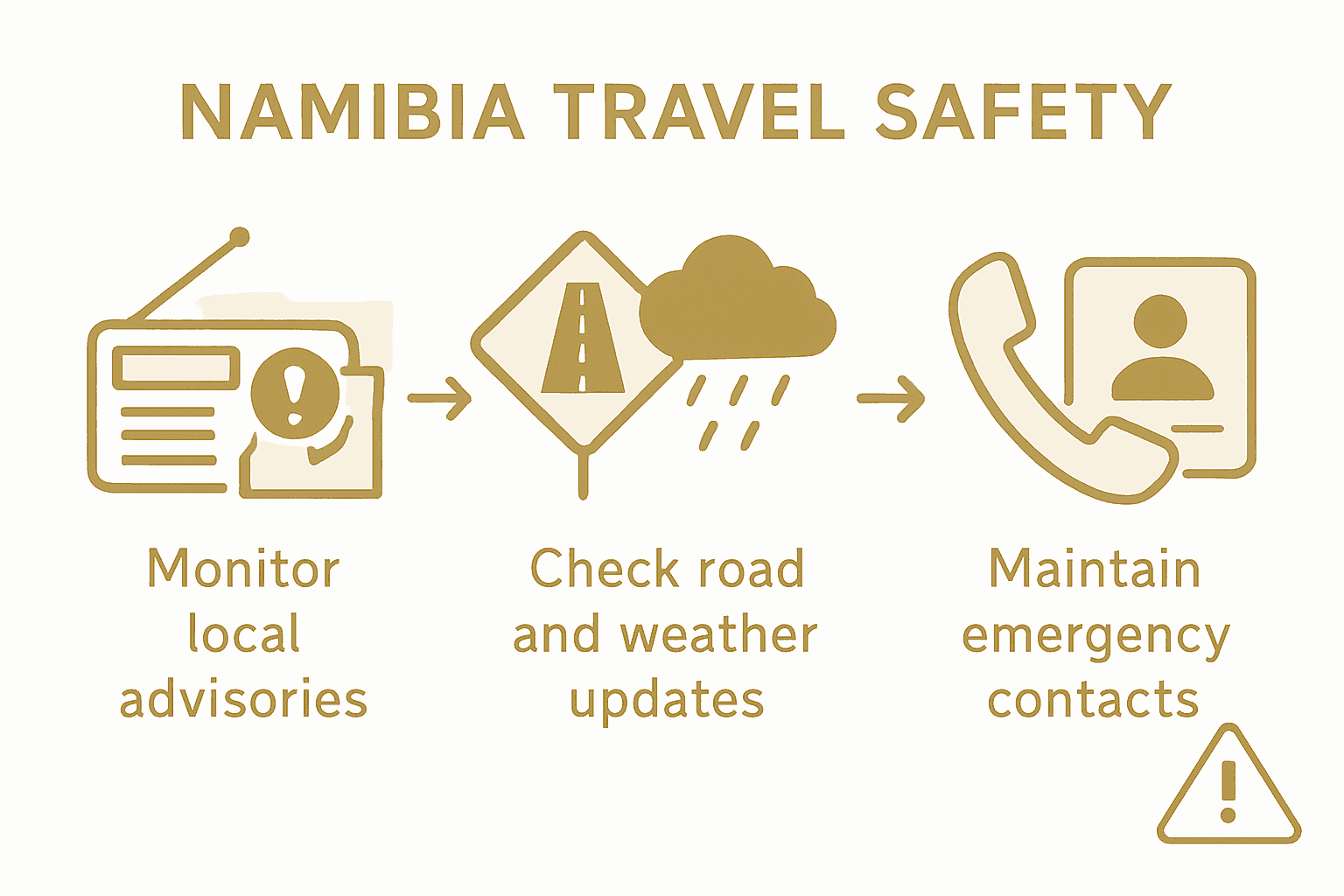
Maintaining constant awareness of current safety advisories is essential for travellers exploring Namibia. Establish multiple information channels including local news sources, embassy websites, and reliable mobile apps that provide real time updates about regional safety conditions. Pay special attention to alerts regarding urban safety, potential criminal activities, and areas that might require extra caution. In urban environments, exercise heightened situational awareness maintain a low profile and avoid displaying expensive electronics or valuable jewellery that might attract unwanted attention.
Seasonal environmental conditions can significantly impact travel safety in Namibia, particularly during the rainy season. Be prepared to modify your travel plans swiftly in response to potential flooding, road closures, or extreme weather events. Connect with local tour operators, lodge managers, and regional information centres who can provide immediate insights about changing ground conditions. Carry a reliable communication device with international roaming or a local SIM card to ensure you can receive timely updates and emergency notifications.
Develop a flexible contingency plan that includes alternative routes, backup accommodation options, and emergency contact information. Pro tip: Register with your home country’s travel advisory service which can provide direct communication and support during unexpected situations. Keep digital and physical copies of important documents easily accessible and maintain a small emergency fund for unexpected travel adjustments.
By remaining adaptable and well informed, you transform potential challenges into manageable experiences. Your proactive approach ensures that you can navigate Namibia confidently while prioritising your personal safety and overall travel enjoyment.
Step 6: Review emergency protocols and complete a safety check
Comprehensive emergency preparedness is the final crucial step in ensuring a secure and worry free Namibian adventure. This stage focuses on developing a strategic approach to potential unexpected situations and establishing clear safety protocols.
Understanding and documenting emergency contact information is fundamental to your travel safety. Create a comprehensive emergency contact sheet that includes local emergency services numbers ambulance medical facilities police stations and your country’s embassy contact details. Store this information in multiple formats digital copies on your smartphone physical printouts in your travel documents and a backup version with a trusted contact at home. Ensure your mobile phone is configured to work internationally and consider purchasing a local SIM card for more reliable communication.
Conduct a thorough personal safety assessment before and during your journey. This includes securing valuables using hotel safes or portable travel locks documenting serial numbers of expensive equipment and maintaining a low profile in unfamiliar environments. Review your travel insurance policy meticulously confirming coverage for medical emergencies medical evacuation and potential trip interruptions. Pack a comprehensive emergency kit containing essential medical supplies communication devices portable chargers and copies of critical documents.
Pro tip: Consider enrolling in your government’s traveller registration programme which provides direct communication channels during international emergencies. These services can offer critical support locating and assisting citizens during unexpected situations. Memorise key local phrases related to emergencies and have a basic understanding of medical terminology that could be crucial in urgent scenarios.
By methodically reviewing emergency protocols and completing a comprehensive safety check you transform potential vulnerabilities into manageable risks. Your proactive preparation ensures you can confidently explore Namibia knowing you are well equipped to handle any unexpected challenges.
Your Safe and Unforgettable Namibian Safari Starts Here
Travelling safely through Namibia requires meticulous preparation and trusted guidance to truly enjoy its breathtaking landscapes without worry. The challenges of securing reliable transport, understanding local safety advisories, and managing essential travel documents can feel overwhelming. At Secret Namibia, we specialise in turning these challenges into confident steps towards a seamless adventure. From bespoke self-drive itineraries and luxury safari packages to expert support in planning your route and accommodations, we ensure every detail is handled with care and professionalism.
Ready to embrace Namibia’s wild beauty with complete peace of mind The team at Secret Namibia is here to craft your personalised safari experience backed by insider knowledge and safety expertise. Discover our tailored trips, explore detailed itineraries, and benefit from trusted client testimonials by visiting Secret Namibia today. Your extraordinary and safe journey through Namibia awaits. Start planning now with expert guidance every step of the way.
Frequently Asked Questions
What essential travel requirements should I check before going to Namibia?
Ensure your passport is valid for at least six months beyond your planned departure date and check if you need a visa based on your nationality. Research the latest travel advisories and health recommendations at least 30 days before your trip to avoid last-minute issues.
How can I ensure safe travel in remote areas of Namibia?
Prepare by renting a robust 4x4 vehicle suitable for gravel roads and ensure it is equipped with safety features like spare tyres and GPS navigation. Create a travel log detailing your route, estimated driving times, and fuel station locations to stay informed and safe.
What medical precautions should I take before travelling to Namibia?
Consult a travel health professional to get vaccinations and discuss health risks specific to your itinerary, such as malaria. Pack a comprehensive medical kit, including prescription medications and over-the-counter treatments, to minimise health risks during your trip.
How can I stay informed about local safety conditions while in Namibia?
Establish multiple sources for real-time safety updates, such as local news and reputable travel apps, to ensure you are aware of current conditions. Regularly check these sources and communicate with local guides or lodge managers for any immediate updates or safety concerns.
What should I include in my emergency preparedness plan for travelling in Namibia?
Create a comprehensive emergency contact sheet with local emergency numbers and your country’s embassy details. Ensure you have digital and physical copies of important documents and consider a small fund for unexpected expenses to enhance your preparedness.
How do I verify the credentials of tour guides and transportation services in Namibia?
Research prospective tour operators to check for professional certifications and read traveller reviews. Request information about the qualifications and experience of guides before booking to ensure a safe and informative experience.
Recommended
RELATED
Safari Guides

Oct 30, 2025
Understanding What is Included in Luxury Safaris
Explore what is included in luxury safaris, from exclusive accommodations to bespoke experiences that cater to discerning travelers.
Feb 24, 2026
Why Namibia Adventures Matter: An In-Depth Look
Discover why Namibia adventures are essential for luxury travelers seeking unique, immersive experiences in nature and wildlife exploration.
Feb 23, 2026
What to Expect on a Luxury Safari: A Comprehensive Guide
Discover what to expect on a luxury safari and gain a deeper understanding of the unique experiences that await you in the wild.
Feb 22, 2026
Understanding Namibia Safari Costs Explained
Explore Namibia safari costs explained to uncover what influences pricing and what it means for your adventure.
Feb 21, 2026
Understanding the Role of Safari Experts in Wildlife Travel
Explore the role of safari experts and gain a comprehensive understanding of how they enhance wildlife travel experiences for all types of travelers.
Feb 20, 2026
Guide organisation safari all inclusive : vivez l'aventure de vos rêves
Découvrez notre guide organisation safari all inclusive étape par étape pour planifier un voyage inoubliable au cœur de la nature.