
Oct 22, 2025
Big Five safari definition, featured wildlife, safari types, and travel tips. Discover what sets a Big Five safari apart in this comprehensive guide.
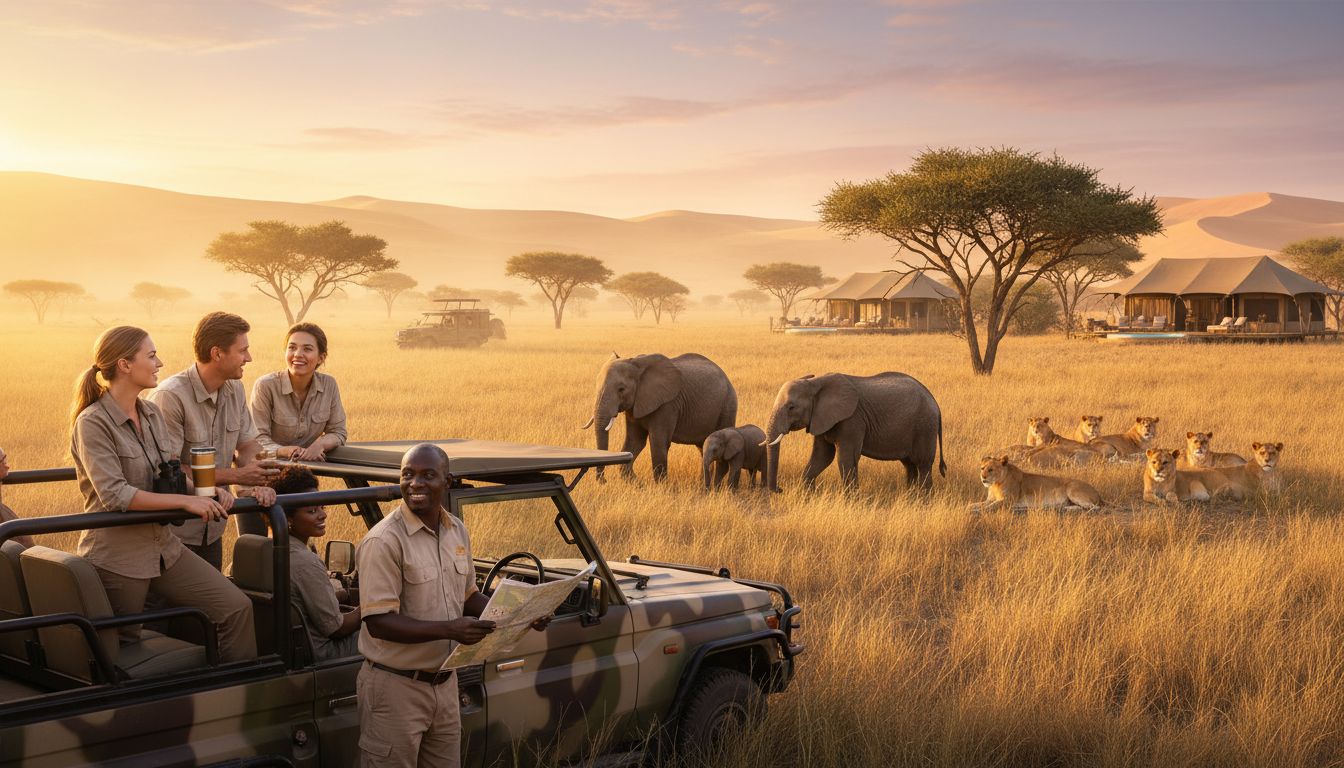
Big Five Safari Explained: Definition and Key Insights
Over 80 percent of travelers list seeing Africa’s Big Five as a dream adventure. The chance to watch lions, elephants, buffaloes, leopards, and rhinoceroses in their natural surroundings draws wildlife enthusiasts from every corner of the globe. Understanding the Big Five safari goes beyond animal checklists. It reveals a fascinating history and shows how these safaris support conservation and deliver unforgettable, ethical encounters with Africa’s most iconic creatures.
Table of Contents
Defining Big Five Safari and Its Origins
The Famous Big Five: Featured Wildlife Explained
Popular Big Five Safari Types and Experiences
How Big Five Safaris Work in Practice
Planning Considerations, Costs, and Common Pitfalls
Key Takeaways
Point | Details |
|---|---|
Historical Evolution of Safaris | The Big Five Safari transitioned from hunting origins to a conservation-focused tourism model, emphasizing wildlife appreciation over conquest. |
Conservation Importance | The Big Five symbolizes Africa’s ecological heritage, highlighting the role of tourism in wildlife preservation and education efforts. |
Diverse Safari Experiences | Various safari types cater to different preferences, including luxury lodge stays, mobile camping, and photography-focused expeditions. |
Planning Essentials | Successful safari planning requires attention to travel seasons, budget management, lodging choices, and understanding conservation ethics. |
Defining Big Five Safari and Its Origins
The Big Five Safari represents one of the most extraordinary wildlife experiences in Africa, rooted in a fascinating historical journey from hunting expeditions to conservation-focused tourism. According to iere.org, the term originally emerged from big-game hunting traditions, where hunters identified five of Africa’s most challenging and dangerous animals: lions, elephants, buffaloes, leopards, and rhinoceroses.
Historically, safari operations trace their origins to colonial-era expeditions across South and East Africa. As iosrjournals.org documents, these initial voyages were primarily consumptive tours focused on hunting, gradually transforming into modern wildlife viewing, photography, research, and conservation-oriented experiences. The dramatic shift reflects changing perspectives on wildlife interaction - from conquest to appreciation.
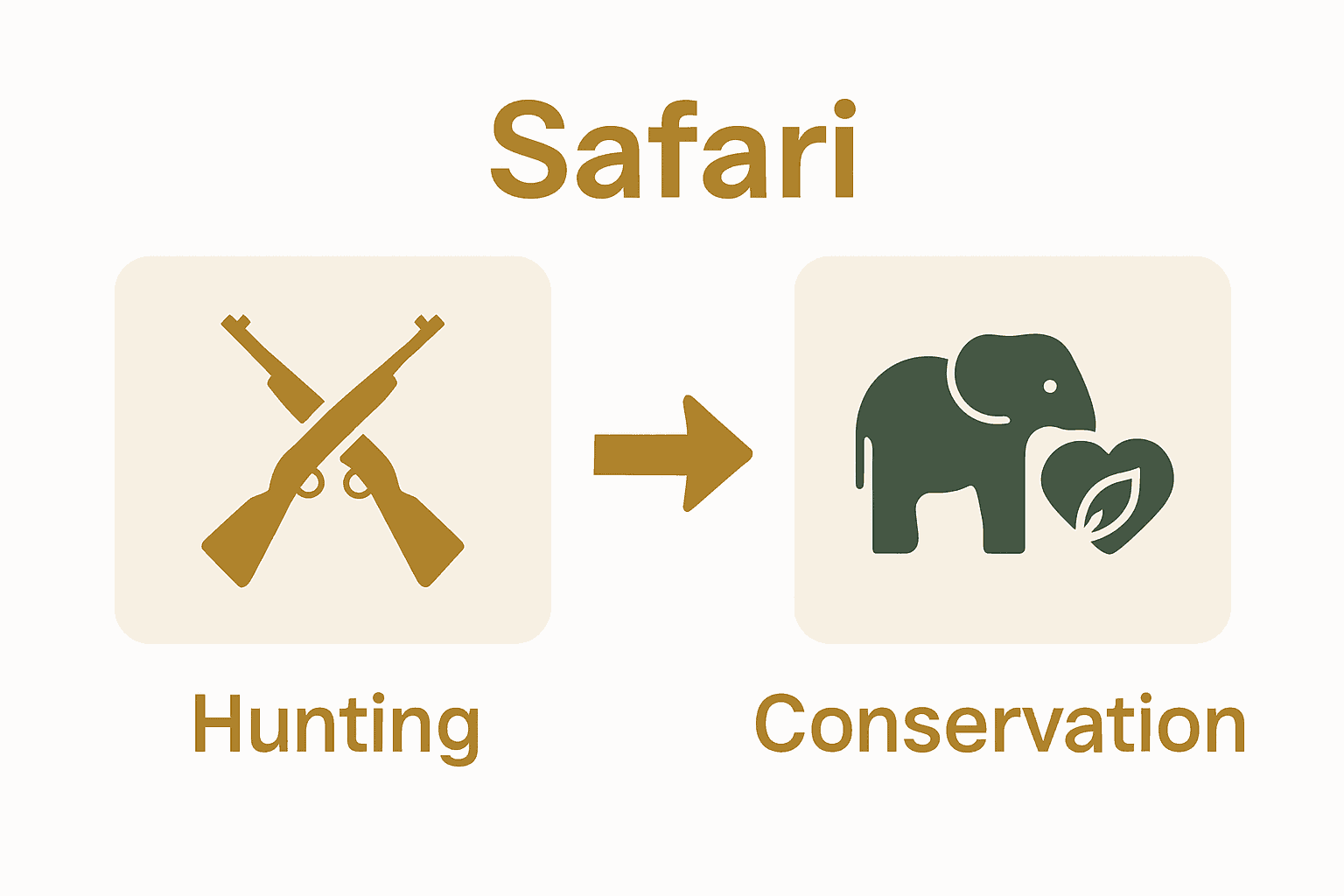
Today, the Big Five represents more than just a wildlife checklist. It symbolizes Africa’s rich ecological heritage and the critical importance of wildlife preservation. The transition from hunting prowess to conservation priority highlights how tourism can play a pivotal role in protecting endangered species. Modern safari experiences now emphasize responsible observation, education, and supporting local ecosystems, turning what was once a trophy-hunting pursuit into a powerful tool for wildlife protection and cultural understanding.
Key characteristics of a Big Five safari include:
Opportunity to observe these iconic animals in their natural habitat
Guided experiences with expert wildlife trackers
Commitment to ethical, non-invasive wildlife viewing
Supporting local conservation efforts
Immersive experiences that connect travelers with Africa’s incredible biodiversity
Learn more about Big Five safari experiences in our complete guide on Namibia luxury safaris.
The Famous Big Five: Featured Wildlife Explained
The Big Five represent the most iconic and sought-after wildlife species in African safari experiences, each with unique characteristics and fascinating behaviors. According to African Sahara, these remarkable animals include lions, elephants, buffaloes, leopards, and rhinoceroses - each playing a critical role in the continent’s diverse ecosystem.
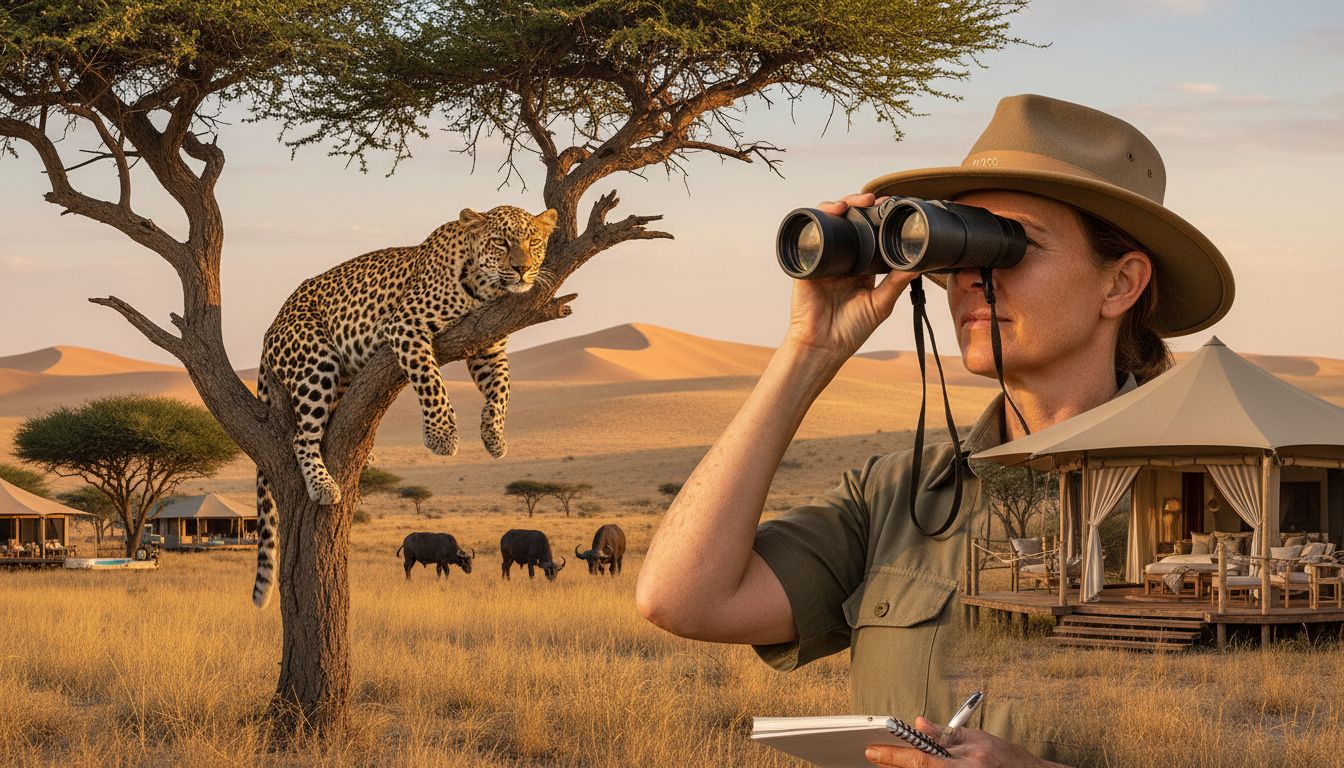
Let’s explore these magnificent creatures in more detail. Lions, often called the kings of the savannah, are social predators living in complex pride structures. They are known for their powerful roars and extraordinary hunting strategies. Leopards stand in stark contrast - solitary, elusive creatures with extraordinary climbing abilities and spotted coats that provide exceptional camouflage. These remarkable cats can often be spotted draped across tree branches, surveying their territory with calculated precision.
The elephants and buffaloes showcase impressive social dynamics and group behaviors. Elephants, the largest land mammals, demonstrate remarkable intelligence and deep familial bonds, with matriarchal herds that protect and nurture their young. Buffaloes, large and often unpredictable bovines, form massive herds as a survival strategy, presenting an intimidating force against potential predators. Rhinoceroses, with their distinctive thick skin and prominent horns, represent some of the most endangered species, symbolizing the critical importance of wildlife conservation efforts.
Key distinguishing features of the Big Five include:
Unique social structures and group behaviors
Remarkable survival adaptations
Critical roles in maintaining ecological balance
Significant cultural and conservation importance
Diverse habitats across African landscapes
Explore our comprehensive guide to Namibia’s Big Five safari experiences.
Popular Big Five Safari Types and Experiences
Big Five safaris offer diverse experiences catering to different traveler preferences, from luxury lodge-based adventures to mobile camping expeditions and photography-focused journeys. These safari types provide unique opportunities to encounter Africa’s most iconic wildlife while offering varying levels of comfort, immersion, and personal interaction with the natural environment.
Luxury Lodge Safaris represent the pinnacle of wildlife viewing comfort. These experiences combine world-class accommodation with expert-guided game drives, allowing travelers to explore pristine wilderness during the day and return to luxurious, meticulously designed lodges with gourmet dining, spa facilities, and breathtaking views. Private game reserves often provide more exclusive and intimate wildlife encounters compared to public national parks, ensuring personalized experiences with smaller vehicle sizes and more flexible tracking opportunities.
For adventure enthusiasts and photography lovers, Mobile Camping Safaris and Photography-Focused Expeditions offer immersive wildlife experiences. These specialized tours involve moving between different locations, setting up temporary camps in prime wildlife viewing areas, and providing opportunities for close encounters with the Big Five. Professional guides and wildlife photographers lead these expeditions, offering insights into animal behavior, tracking techniques, and optimal photography strategies. Such safaris appeal to travelers seeking a more raw, authentic connection with the African wilderness.
Key types of Big Five Safari experiences include:
Luxury Lodge Safaris
Mobile Camping Expeditions
Photography-Focused Wildlife Tours
Self-Drive Safari Adventures
Guided Group Wildlife Experiences
Private Exclusive Reserve Safaris
Discover our comprehensive guide to safari trips in Africa.
How Big Five Safaris Work in Practice
A Big Five safari is a meticulously orchestrated wildlife experience designed to provide intimate and responsible encounters with Africa’s most iconic animals. According to African Sahara, these safaris typically involve guided tours in national parks and reserves, where visitors embark on game drives in specialized open vehicles that allow for close yet safe wildlife observations.
Game Drives form the cornerstone of Big Five safari experiences. As African Sahara explains, these excursions are strategically scheduled during early morning or late afternoon when animals are most active. Expert guides with extensive local knowledge use sophisticated tracking techniques to locate wildlife, interpreting subtle environmental cues like animal tracks, sounds, and landscape changes. These professionals not only ensure optimal wildlife viewing but also provide rich educational insights into animal behaviors, ecosystem dynamics, and conservation challenges.
The practical mechanics of a Big Five safari involve careful planning and professional management. Typically, guests will join small groups led by professional rangers in specially equipped 4x4 vehicles designed for rough terrain and optimal wildlife viewing. These vehicles feature raised seating, open sides, and sometimes pop-up roofs to provide unobstructed views and photography opportunities. Safety protocols are paramount, with guides trained to maintain appropriate distances from wildlife while maximizing guest experiences. Communication between different safari vehicles and base camps ensures real-time updates about animal movements and potential sightings.
Key practical aspects of Big Five safaris include:
Professional wildlife tracking
Specialized safari vehicles
Expert guided experiences
Strategic timing of game drives
Emphasis on conservation education
Respect for animal habitats
Photographic opportunities
Small group sizes for personalized experiences
Explore our comprehensive guide to safari trips in Africa.
Planning Considerations, Costs, and Common Pitfalls
Planning a Big Five safari requires careful consideration of multiple factors that can significantly impact your wildlife experience. According to BABCSF, key planning elements include selecting the optimal time to visit, choosing appropriate national parks, and carefully evaluating accommodation options that align with your travel preferences and budget.
Budget and Cost Management represent critical aspects of safari planning. Safari experiences can range from budget-friendly to ultra-luxury, with costs influenced by factors such as accommodation quality, duration of stay, included activities, and travel season. As Tsavo Trust suggests, travelers should budget not just for basic safari costs but also for potential additional experiences and unforeseen expenses. Exclusive lodges and private game reserves typically command premium prices, while national park experiences might offer more economical alternatives.
Avoiding common safari planning pitfalls requires thorough research and preparation. Many travelers underestimate travel distances between locations, fail to account for seasonal weather variations, or neglect to book popular lodges well in advance. Professional safari planners recommend building flexibility into your itinerary, understanding park-specific regulations, and ensuring ethical wildlife interactions. It’s crucial to balance your Big Five wildlife expectations with a broader appreciation of the ecosystem, wildlife conservation efforts, and the intricate natural environments you’ll be exploring.
Key planning considerations include:
Optimal travel seasons
Detailed budget planning
Lodge and accommodation research
Understanding park regulations
Ethical wildlife interaction guidelines
Flexible travel itineraries
Comprehensive travel insurance
Cultural sensitivity and local customs awareness
Explore our comprehensive guide to safari trips in Africa.
Embark on Your Own Big Five Safari Adventure in Namibia
The challenge of witnessing Africa’s iconic Big Five in their natural habitat calls for more than just curiosity - it demands expert planning, ethical wildlife experiences and a true connection with the land. If you have been inspired by the rich insights into what makes a Big Five safari so extraordinary you also understand the importance of guided drives, conservation awareness and immersive moments beyond mere sightings. At Secret Namibia we specialise in transforming these aspirations into personalised safari journeys tailored to your desires whether you seek luxury lodges or self-drive adventures in Namibia’s most breathtaking reserves.
Unlock the magic of Namibia with our bespoke safaris designed to offer exclusive access to the Big Five along with intimate encounters that respect wildlife and support conservation. Now is the moment to turn knowledge into experience explore detailed itineraries, client reviews and expert advice at Secret Namibia. Dive deeper into your safari options with our complete guide to safari trips in Africa and discover how you can capture unforgettable wildlife moments on our Namibia luxury safaris. Begin your journey today and experience an Africa that remains wild authentic and utterly captivating.
Frequently Asked Questions
What is a Big Five Safari?
A Big Five Safari is a wildlife experience in Africa focused on observing five of the continent’s most iconic and challenging animals: lions, elephants, buffaloes, leopards, and rhinoceroses. This experience has evolved from hunting to conservation and responsible wildlife viewing.
What are the main types of Big Five Safari experiences?
Big Five Safari experiences include luxury lodge safaris, mobile camping safaris, photography-focused expeditions, guided group tours, and private exclusive reserve safaris. Each offers unique opportunities for wildlife encounters and varying levels of comfort.
How do game drives work in a Big Five Safari?
Game drives are the primary activity in a Big Five Safari, typically conducted in specialized open vehicles during early mornings or late afternoons when animals are most active. Expert guides use tracking techniques and knowledge of animal behavior to enhance the wildlife viewing experience while prioritizing safety.
What should I consider when planning a Big Five Safari?
When planning a Big Five Safari, consider the optimal travel season, budget and accommodation options, detailed itinerary flexibility, park regulations, ethical wildlife interactions, and ensuring thorough research to avoid common pitfalls in safari planning.
Recommended
RELATED
Safari Guides
Oct 30, 2025
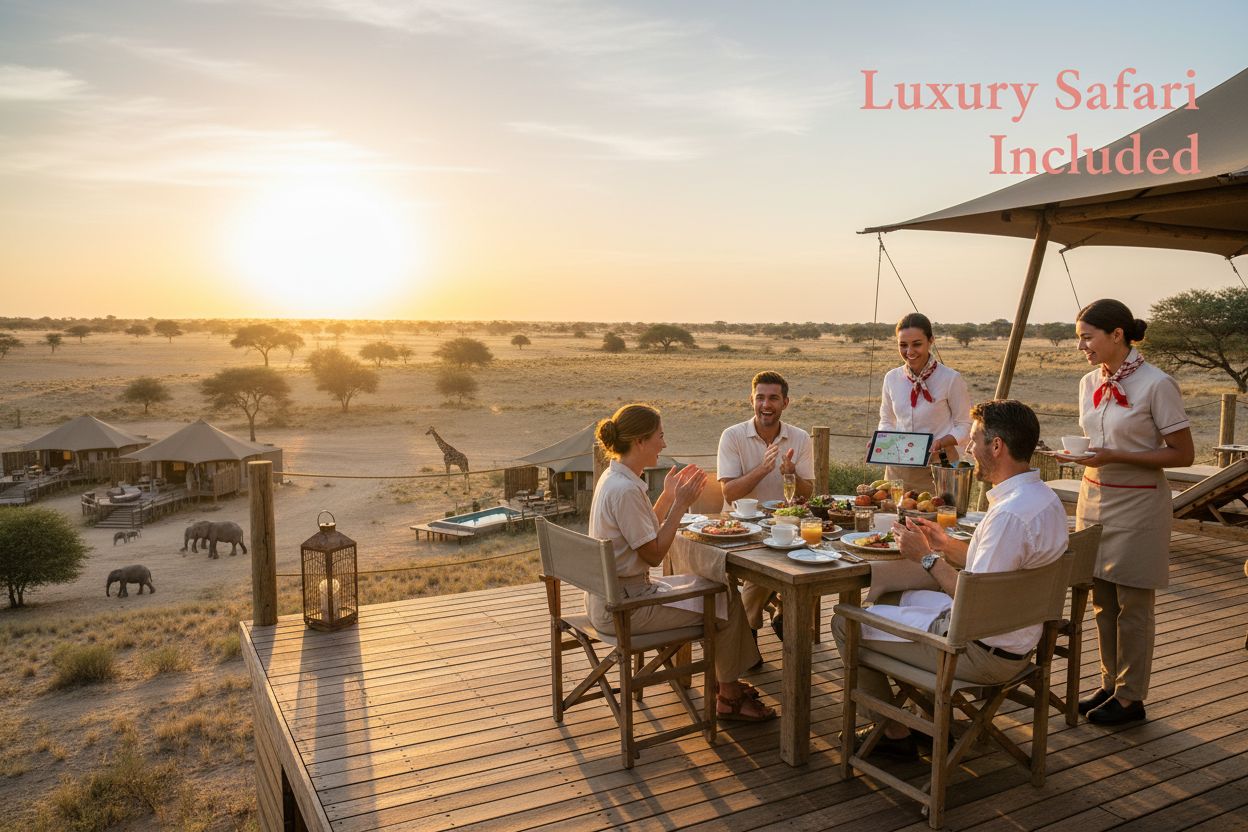
Understanding What is Included in Luxury Safaris
Explore what is included in luxury safaris, from exclusive accommodations to bespoke experiences that cater to discerning travelers.
Feb 24, 2026
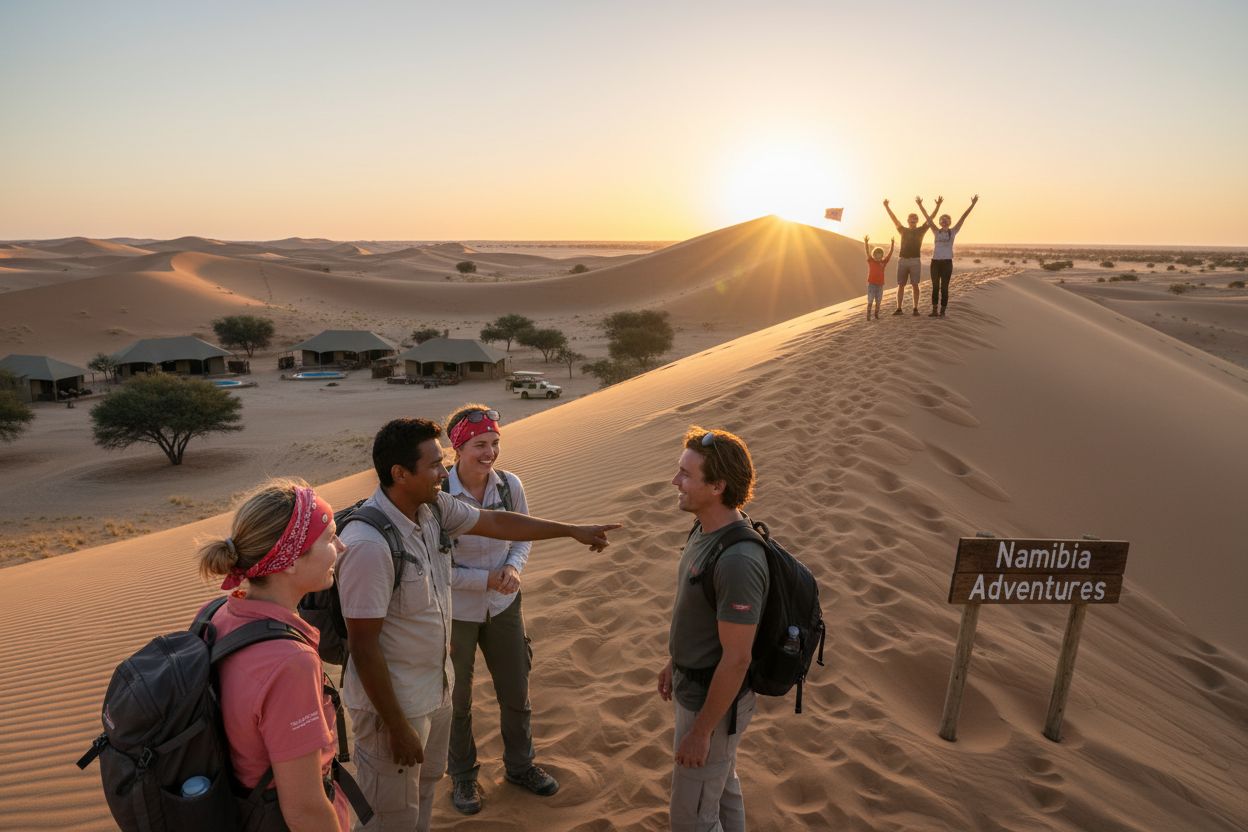
Why Namibia Adventures Matter: An In-Depth Look
Discover why Namibia adventures are essential for luxury travelers seeking unique, immersive experiences in nature and wildlife exploration.
Feb 23, 2026
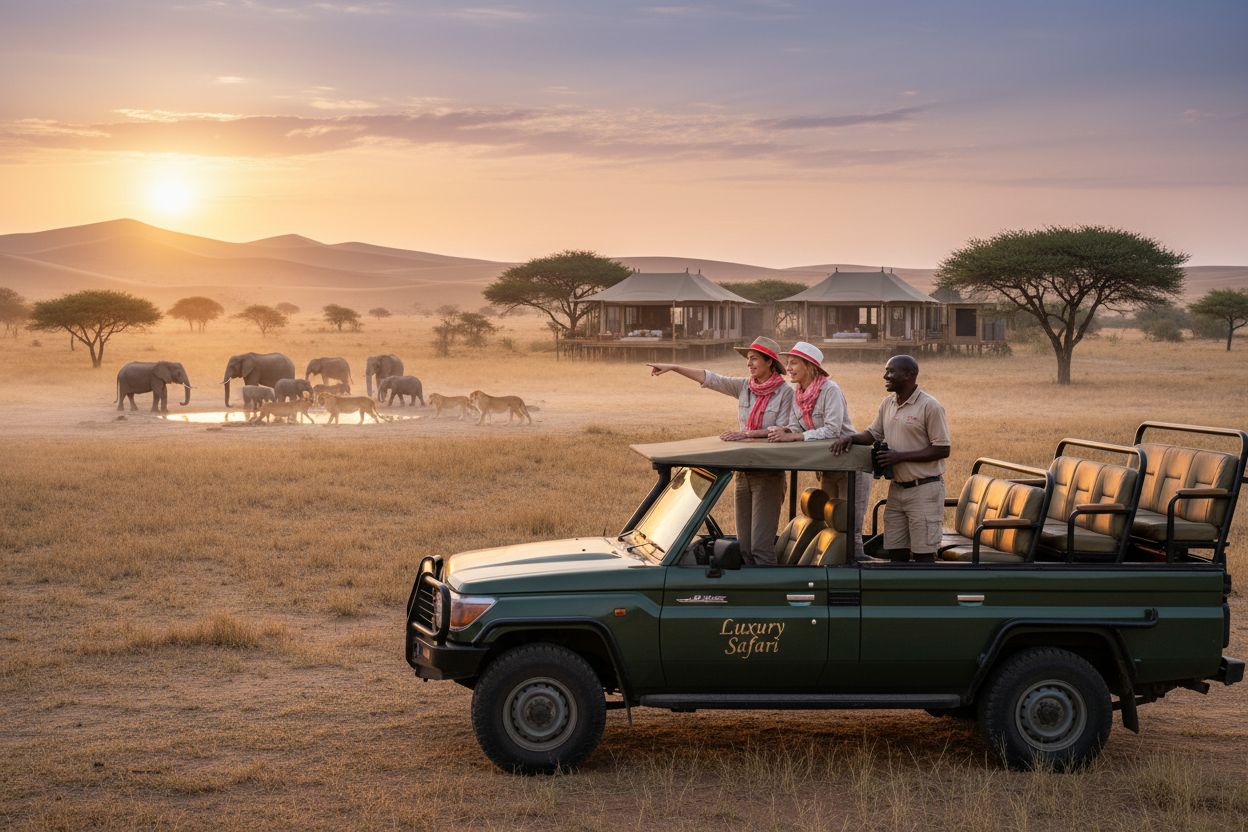
What to Expect on a Luxury Safari: A Comprehensive Guide
Discover what to expect on a luxury safari and gain a deeper understanding of the unique experiences that await you in the wild.
Feb 22, 2026
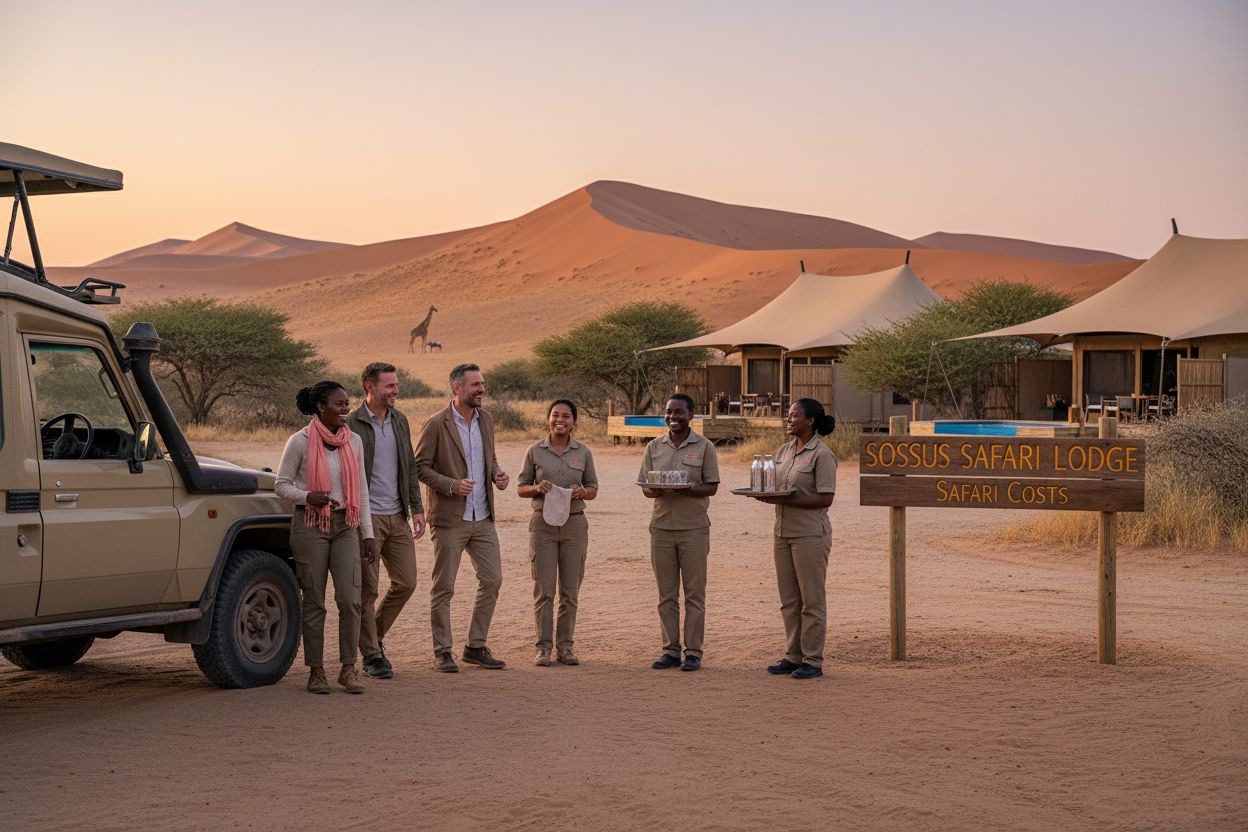
Understanding Namibia Safari Costs Explained
Explore Namibia safari costs explained to uncover what influences pricing and what it means for your adventure.
Feb 21, 2026
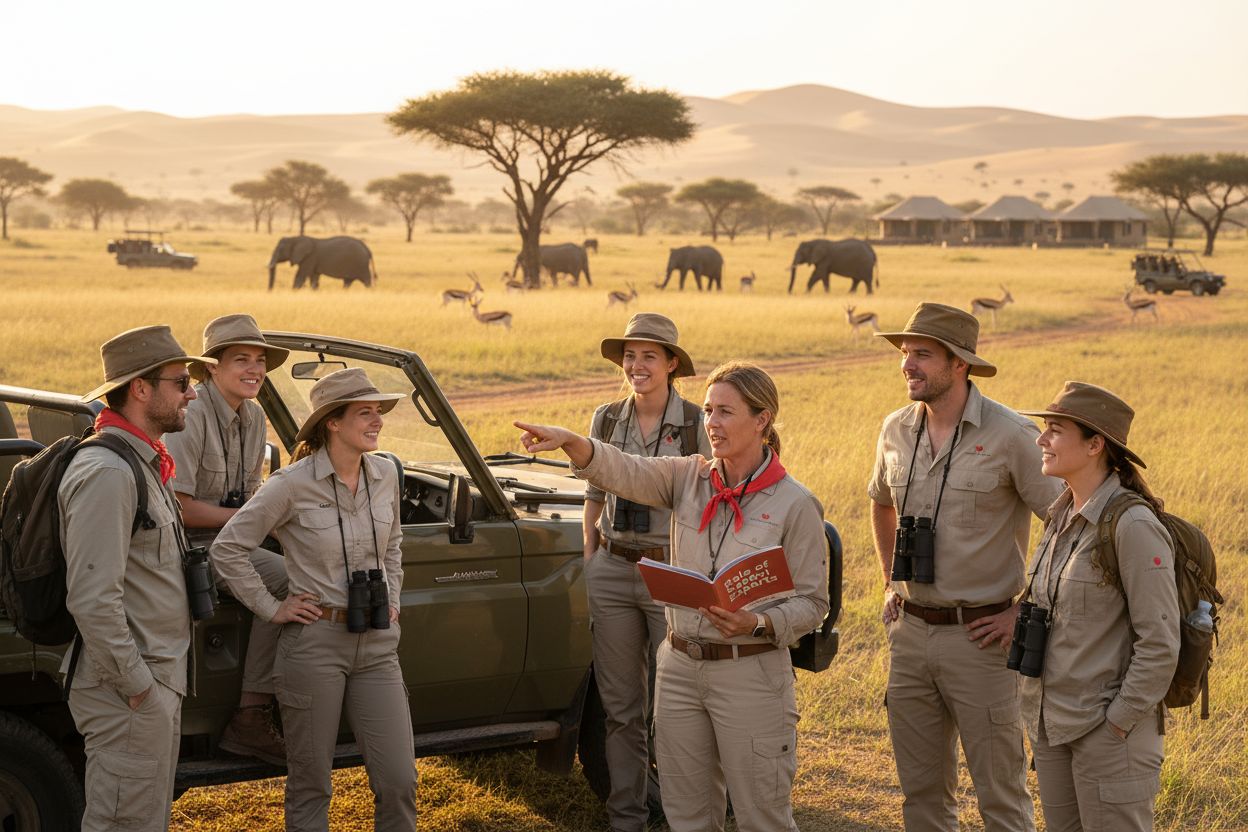
Understanding the Role of Safari Experts in Wildlife Travel
Explore the role of safari experts and gain a comprehensive understanding of how they enhance wildlife travel experiences for all types of travelers.

Feb 20, 2026
Guide organisation safari all inclusive : vivez l'aventure de vos rêves
Découvrez notre guide organisation safari all inclusive étape par étape pour planifier un voyage inoubliable au cœur de la nature.