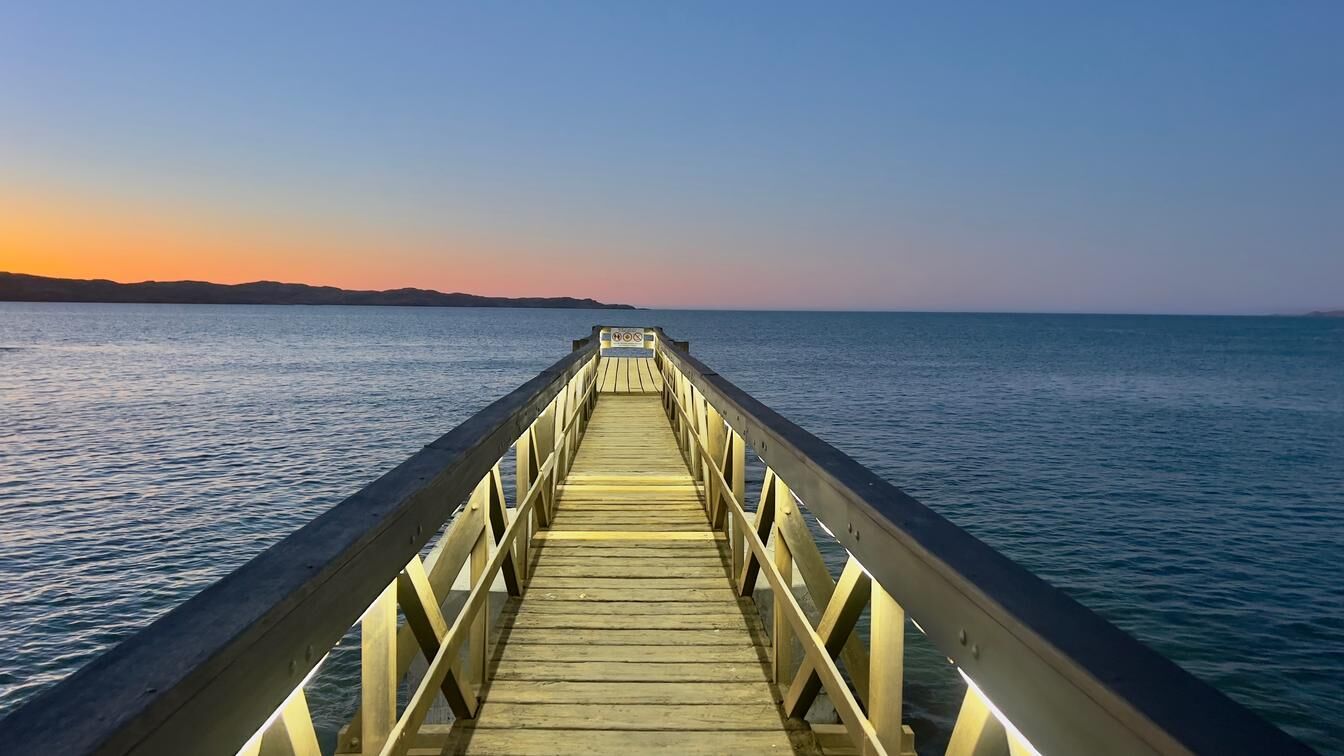
Namibia’s Atlantic coast reshapes a classic desert safari route by introducing cool ocean air, colonial echoes and unexpected marine life to journeys that might otherwise stay deep in the red dunes. The transition from the arid interior to this fog-laced shoreline offers a striking contrast that refreshes both body and perspective. For many travellers, adding Swakopmund and the nearby Walvis Bay lagoon becomes the element that turns a solid itinerary into something truly memorable.
Secret Namibia has spent three decades of combined experience designing these coastal extensions with precision. We book directly with camps and lodges rather than through layers of agents, ensuring every detail aligns with your preferences. The coast does not simply break up the desert; it redefines the rhythm of your entire Namibian journey.
The Distinctive Pull of Namibia’s Atlantic Edge
The Skeleton Coast stretches for hundreds of kilometres where the Namib Desert meets the cold Benguela Current. Dense morning fog rolls inland, sustaining a unique ecosystem of lichen fields and desert-adapted creatures. This atmospheric meeting point creates a landscape that feels both stark and strangely alive, quite different from the towering orange dunes found further south.
Swakopmund sits roughly midway along this coastline, offering a compact town that blends German colonial architecture with the sound of crashing Atlantic waves. Its wide streets, half-timbered buildings and lighthouse create an unexpected European flavour set against African skies. The town serves as an ideal base for those seeking variety after days spent tracking desert elephants or scanning vast salt pans.
The Atlantic coast does not compete with the interior; it completes it, adding texture, temperature and a completely different palette to any well-crafted Namibian journey.
Why the Coast Matters in a Desert-Focused Itinerary
Many first-time visitors imagine Namibia as an endless expanse of sand and rock. While the interior delivers unforgettable dune landscapes and wildlife adapted to extreme conditions, several days of unrelenting aridity can leave even the most passionate traveller craving contrast. The coast provides that shift through its temperate climate, seafood-focused cuisine and activities that engage different senses.
Incorporating three or four nights along the Atlantic allows your body to recover from the dry heat of the desert while introducing marine elements that Namibia rarely showcases elsewhere. The temperature drop of up to fifteen degrees Celsius compared with the interior brings welcome relief, particularly welcome between October and April. This strategic pause prevents fatigue and creates natural punctuation points in longer overland routes.
From a routing perspective, the coast fits neatly between explorations of the southern dunes and the northern wildlife regions. Rather than flying directly from Sossusvlei to Etosha, many of our clients choose to travel via Swakopmund, gaining a richer understanding of Namibia’s extraordinary diversity in the process.
What is there to do in Swakopmund?
Visitors can stroll past century-old buildings on the promenade, sandboard down the towering dunes at the edge of town, take a scenic flight over the Skeleton Coast, join a marine cruise from Walvis Bay to see seals and dolphins, or photograph flamingos at the lagoon. These activities provide an engaging mix of history, adrenaline and wildlife observation that appeals across generations and interests.
German Colonial Architecture and Coastal Character
The town’s distinctive buildings date primarily from the late nineteenth and early twentieth centuries when Swakopmund served as the main harbour for German South West Africa. The Woermann House with its prominent tower, the old railway station now converted into a hotel, and the lighthouse painted in crisp white and red stand as proud reminders of this period.
Walking the palm-lined promenade at dawn reveals these architectural details bathed in soft morning light while the Atlantic provides a constant soundtrack. Local cafes serve strong coffee and excellent pastries, allowing travellers to absorb the atmosphere at leisure. Many of our clients find this gentle pace particularly appealing after the early starts common in wildlife areas.
Here the scent of sea salt replaces the dry mineral tang of the desert, while the sound of waves creates a soothing backdrop quite unlike the profound silence of the interior.
Exploring the Town’s Historical Heart
Beyond the main streets, smaller museums and galleries offer insights into both colonial history and the rich indigenous cultures that predate European arrival. The Kristall Galerie displays spectacular quartz crystals found in the Namib, while the Swakopmund Museum covers everything from shipwrecks to local ethnology.
Independent exploration works well here, though guided walking tours can add valuable context for those wanting deeper understanding. The compact layout means most attractions sit within easy walking distance of one another, making it straightforward to create your own half-day itinerary.
Adrenaline and Adventure on the Dunes
The massive sand dunes surrounding Swakopmund offer more than just photographic opportunities. Dune boarding has become a signature activity, with operators providing boards, instruction and transport to the best slopes. Speeds can reach forty kilometres per hour as you race down the faces of these natural ramps before climbing back up for another run.
Quad biking offers another way to explore the dune belt, with licensed operators ensuring routes stay on designated paths to minimise environmental impact. Both activities suit varying fitness levels, though children under twelve usually require adult accompaniment for safety reasons.
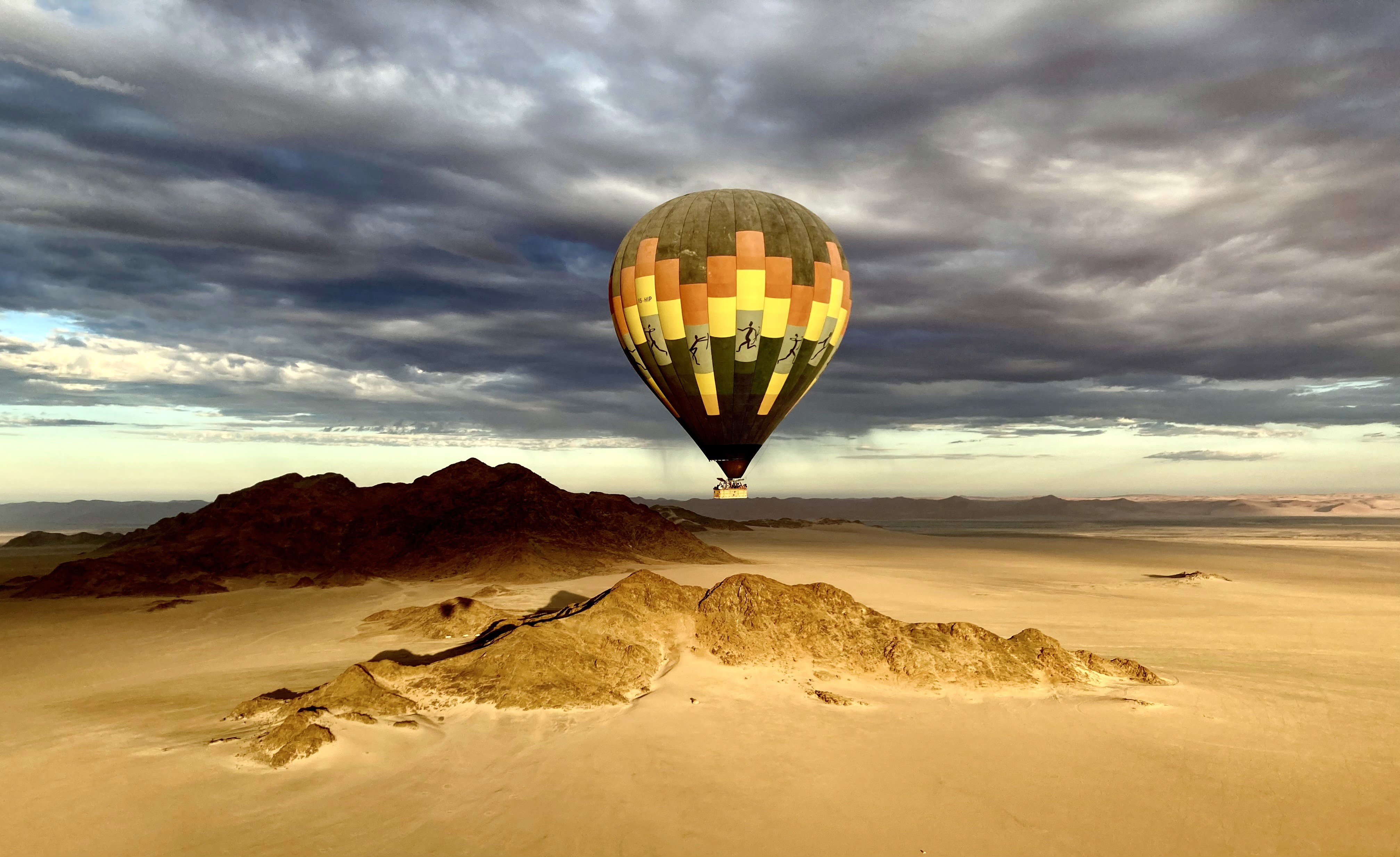
For those preferring their thrills at altitude, scenic flights depart from the local airfield. Routes typically follow the coast northwards over shipwrecks and seal colonies before turning inland across the lunar-like landscapes of the Namib. Flights lasting between forty-five minutes and two hours provide perspectives impossible to gain from ground level.
The Walvis Bay Lagoon and its Flamingos
Just fifteen kilometres south of Swakopmund lies Walvis Bay, whose sheltered lagoon hosts one of southern Africa’s most important wetland habitats. Greater and lesser flamingos gather here in their thousands, their distinctive pink forms creating vivid splashes of colour against the blue water and white salt pans.
The lagoon’s nutrient-rich waters support an impressive array of birdlife, including pelicans, cormorants and various waders. Marine cruises depart daily, offering close encounters with Cape fur seals, Heaviside’s dolphins and, during the right seasons, humpback whales. These gentle boat trips provide a relaxing counterpoint to more active dune adventures.
Oyster farms in the bay produce some of the finest shellfish in Africa. Many operators combine boat trips with tastings of these briny delicacies paired with local sparkling wine, creating a distinctly coastal experience that feels wonderfully indulgent after days of desert austerity.
The sight of thousands of flamingos rising together against a backdrop of towering dunes remains one of Namibia’s most quietly spectacular moments.
Practical Considerations for Including the Coast
The best time to visit the coast aligns broadly with the shoulder seasons for the interior. Between February and April, whale watching reaches its peak while temperatures remain comfortable. The months from May to September bring clearer skies ideal for scenic flights, though mornings can be distinctly chilly due to the coastal fog.
Access is straightforward, with daily flights connecting Swakopmund to both Windhoek and the main safari hubs. Self-drivers can reach the town comfortably in a standard two-wheel drive vehicle from most southern and central destinations. Accommodation ranges from historic town hotels to modern guesthouses and nearby luxury lodges with views across the dunes to the sea.
When planning your route, consider allowing at least three full days to properly experience both Swakopmund and Walvis Bay. This gives time for a mix of activities without feeling rushed, while still maintaining momentum for the remainder of your Namibian journey.
Connecting Coast to Interior with Seamless Journeys
Our fly-in safari options often incorporate coastal stops through carefully timed light aircraft transfers that minimise driving time while maximising experience. These flights offer their own dramatic perspectives as you transition between ecosystems at low altitude.
Namibia fly-in safaris allow travellers to experience both the dramatic dunes of Sossusvlei and the Atlantic coastline without lengthy road transfers. The efficiency of air travel means you can enjoy varied landscapes without sacrificing precious days to transit.
For those whose Namibian adventure forms part of a wider southern or eastern African journey, our sister brand Encounters Africa specialises in creating seamless extensions. Their luxury fly-in safari combining Kruger and Cape Town offers one example of how Namibian experiences can connect beautifully with neighbouring destinations.
Planning Your Coastal Extension
The Atlantic coast transforms a linear desert itinerary into something far more nuanced and satisfying. By introducing marine life, colonial history and cooler temperatures, it prevents the fatigue that can sometimes accompany extended time in arid environments. More importantly, it reveals another face of Namibia that many visitors never discover.
Whether you choose to sandboard at sunrise, photograph flamingos at dusk, or simply stroll the historic streets with an ice cream in hand, these coastal days create memories that complement rather than compete with your interior experiences. The contrast makes both elements more powerful.
For discerning travellers seeking a private safari beyond our set itineraries, we invite you to contact us directly. We specialise in designing exceptional, tailor-made journeys for individuals, couples, families, and private groups of up to eight guests. Drawing on our handpicked network of distinguished camps and lodges, we curate every detail with precision and care, creating a seamless, deeply personal safari experience shaped entirely around your preferences, pace, and budget.
Read more about combining desert, coast and beach in our guide to luxury safari beach holidays in Namibia and Zanzibar.
Plan your safari: Enquire with Secret Namibia for tailor-made Namibia journeys. For safaris beyond Namibia, in Botswana, South Africa, Kenya, Tanzania, Rwanda, Uganda, Zambia and Zimbabwe, speak to the travel designers at Encounters Africa, Secret Namibia's sister company for the rest of Africa.