Namibia's communal conservancies demonstrate how locally managed land can transform human-wildlife conflict into mutual benefit. This editorial explores the mechanisms behind rising wildlife numbers on community territories and what it means for travellers choosing conservancy-based lodges. A dedicated section answers the common query: What is a communal conservancy in Namibia?
Across the rugged expanses of northwest Namibia, vast tracts of communal land have quietly become some of the country's most vital wildlife strongholds. Once viewed as a threat to crops and livestock, animals now support thriving local economies through carefully structured tourism partnerships. For the traveller planning a Namibian journey, staying on conservancy land offers an authentic connection to both nature and the people who protect it, enriching the entire safari experience with layers of meaning that private reserves alone cannot provide.
The Origins of Namibia's Communal Conservancy Model
In the early 1990s, following independence, Namibia pioneered a groundbreaking approach to conservation on land owned by rural communities rather than the state. Recognising that wildlife would only survive if local people had a direct stake in its protection, legislation empowered communities to form conservancies, granting them legal rights to manage and benefit from the wildlife on their territories.
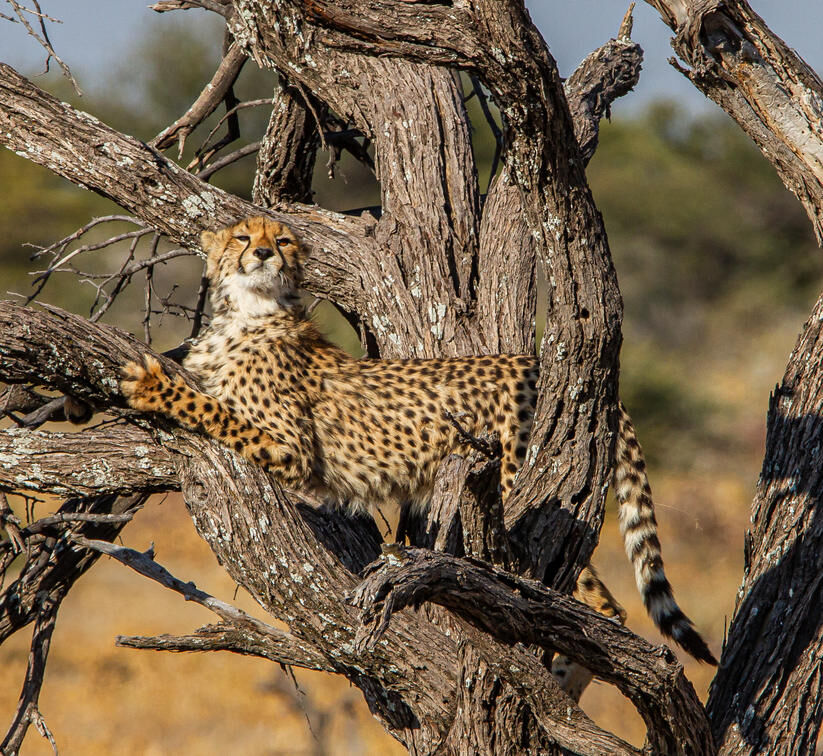
Today, more than 80 such conservancies cover roughly 20 percent of Namibia's land surface, an area larger than many European countries. This network has enabled the recovery of species that were once pushed to the brink, creating a living mosaic where conservation and community development walk hand in hand. The results speak through hard numbers: Namibia's free-roaming lion population has grown from fewer than 100 individuals in the 1990s to over 500 today, while black rhino numbers on communal land have increased dramatically through dedicated monitoring programmes.
The genius of the conservancy system lies not in grand gestures but in practical incentives: when a giraffe or elephant becomes an asset rather than a liability, entire communities begin to see their wild neighbours differently.
What is a Communal Conservancy in Namibia?
A communal conservancy in Namibia is a legally recognised area of communally owned rural land where resident communities voluntarily agree to manage their natural resources, including wildlife, for sustainable use and economic benefit. Established under the Nature Conservation Amendment Act of 1996, each conservancy is governed by a democratically elected committee that sets quotas for hunting, develops tourism partnerships, and distributes income directly to member households.
Conservancies differ from national parks in that the land remains under community ownership and control rather than government administration. Wildlife remains the property of the state, but communities receive exclusive rights to use it through tourism concessions and regulated trophy hunting where appropriate. This model has proven remarkably effective: between 1998 and 2022, wildlife populations on conservancy land increased by over 400 percent on average, according to annual game counts conducted across multiple regions.
How Conservancies Turned Wildlife from Liability to Asset
For generations in arid northwest Namibia, encountering a herd of elephants trampling gardens or a predator taking livestock represented a direct threat to survival. The conservancy model changed this equation by creating clear economic incentives. Revenue from lodge concessions, guiding fees, and carefully managed hunting flows back to communities through transparent dividend systems, funding everything from borehole maintenance to school scholarships.
In the Torra Conservancy, for instance, income generated through tourism has financed livestock protection programmes that reduce conflict while supporting traditional pastoral livelihoods. Similar stories unfold across the Kunene region, where conservancy game guards now track desert-adapted elephants and black rhinos, providing data that informs national conservation strategies. The shift has been profound: communities that once poisoned waterholes to deter elephants now celebrate their return as a source of pride and income.
When local families receive tangible benefits from living alongside wildlife, poaching reports plummet and voluntary protection measures multiply, creating a virtuous circle that no external enforcement could achieve alone.
What It Means for the Traveller Staying on Conservancy Land
Choosing accommodation on communal conservancy land transforms a standard safari into something far more layered. Your presence directly supports the communities who manage the surrounding wilderness, creating an immediate sense of contribution rather than consumption. Many conservancy lodges employ local guides whose intimate knowledge of the landscape adds depth to every game drive and walking excursion.
The experience often carries a quieter rhythm than in busier national parks. With lower visitor densities and vast concession areas, encounters feel more personal. Morning drives might reveal fresh rhino tracks leading to a hidden spring, while afternoon walks with community rangers offer insights into traditional ecological knowledge passed down through generations. These subtle differences accumulate into memories that linger long after the journey ends.
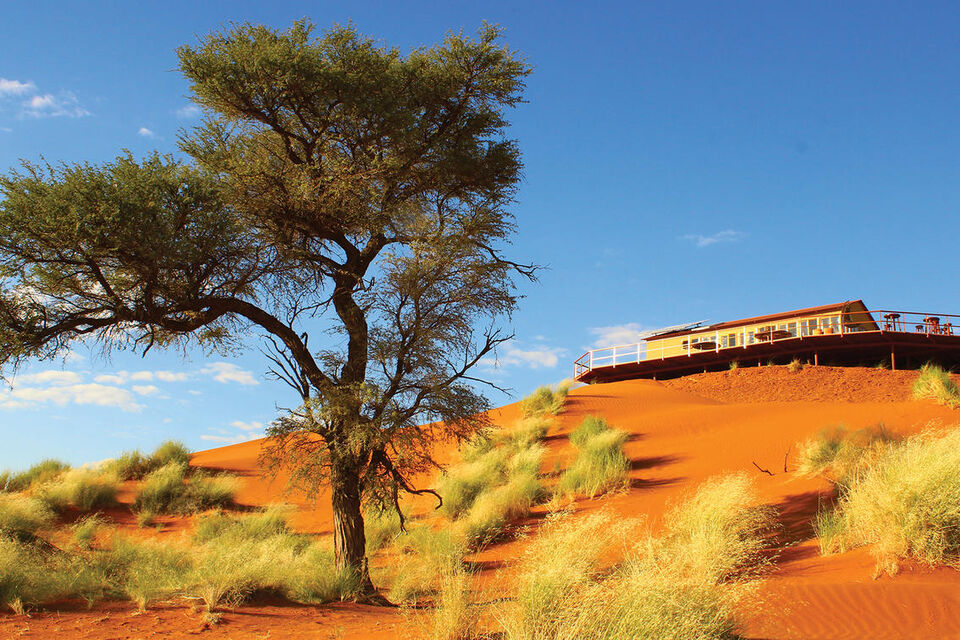
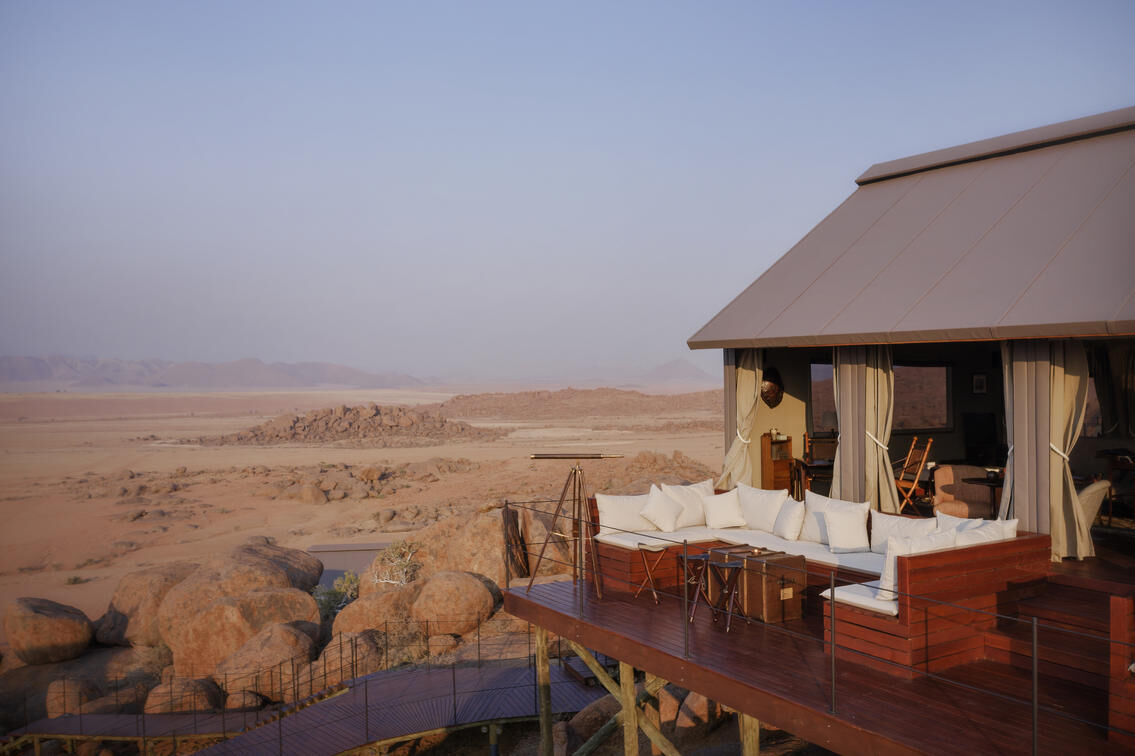
Accommodation itself tends toward thoughtful simplicity that honours both the environment and local culture. Expect canvas under starlit skies, solar power, and cuisine that incorporates indigenous ingredients where possible. The knowledge that a portion of every bed night funds borehole repairs or wildlife monitoring adds quiet satisfaction to the luxury of being there.
Wildlife Recovery and the Visitor Experience
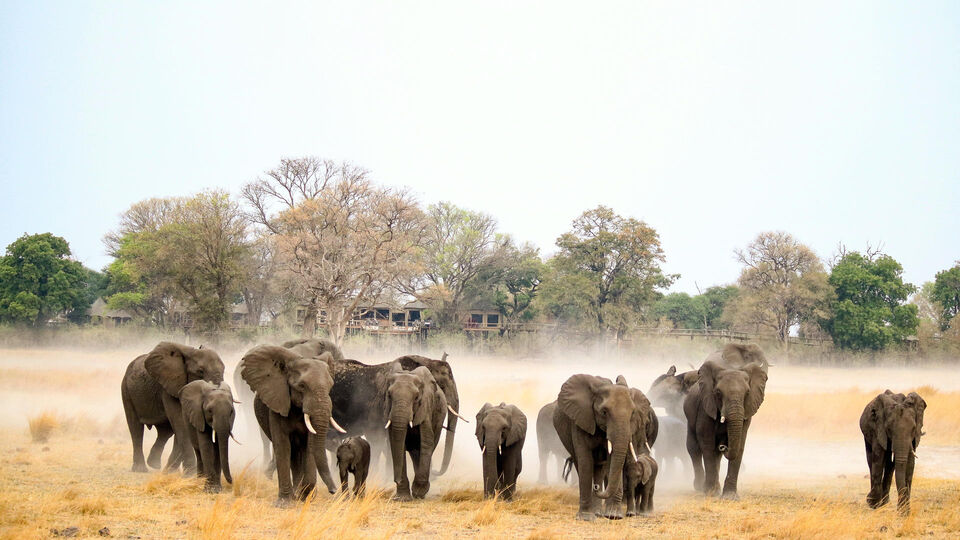
The rebound in wildlife numbers across conservancy areas has been remarkable by any measure. In the northwest, desert-adapted elephant populations have grown steadily, with some herds now numbering over 100 individuals. Black rhino sightings on community land have become increasingly reliable, supported by intensive monitoring that involves both professional conservationists and local game guards.
For visitors, this translates into privileged access to animals in landscapes that feel genuinely wild. Unlike fenced private reserves, conservancy land forms part of larger ecological corridors, allowing natural movement patterns to persist. A stay here might include tracking lions across rocky outcrops at dawn or watching elephants dust-bathe in dry riverbeds as the light softens towards evening.
Staying on conservancy land allows travellers to witness not just wildlife, but the delicate social contract that makes its continued presence possible in one of Africa's harshest environments.
Linking Conservation Success to Your Namibia Safari
Understanding the conservancy model deepens appreciation for Namibia's conservation landscape and helps travellers make more informed choices about where to stay. Properties that partner directly with communities tend to offer experiences that feel more connected to the living culture of the land. This knowledge also prepares visitors to engage meaningfully with local staff and guides who often have personal stakes in the surrounding wilderness.
Secret Namibia specialises in crafting journeys that incorporate these community-owned areas alongside more traditional wildlife destinations. With three decades of combined experience, the team designs tailor-made journeys for individuals, couples, families and private groups of up to eight guests, always booking directly with carefully selected camps and lodges. For those wishing to continue their African exploration into neighbouring countries after a Namibia safari, our sister brand Encounters Africa offers seamless extensions into Botswana's renowned wildlife regions.
Whether tracking black rhinos in the arid northwest or observing elephant herds along ancient migration routes, a conservancy-based stay adds substance to the sensory pleasures of a luxury safari. The knowledge that your visit helps sustain both wildlife and human communities creates a particularly satisfying form of travel, one that aligns personal discovery with measurable conservation impact.
Planning Your Conservancy Experience in Namibia
The most rewarding conservancy visits typically combine several nights in community-linked accommodation with time in complementary landscapes. Popular routes might begin in the culturally rich northwest before heading south towards the stark beauty of the Namib or east to the waterholes of Etosha. Seasonal considerations matter: the dry months from June to October generally offer easier wildlife viewing, while the green season brings dramatic light and fewer visitors.
When selecting lodges, look for those with transparent benefit-sharing agreements and strong local employment policies. Many conservancy partners also offer cultural experiences that range from traditional dancing to medicinal plant walks, providing insights that purely wildlife-focused stays cannot match. These elements help create journeys that feel both luxurious and meaningful.
For discerning travellers seeking a private safari beyond our set itineraries, we invite you to contact us directly. We specialise in designing exceptional, tailor-made journeys for individuals, couples, families, and private groups of up to eight guests. Drawing on our handpicked network of distinguished camps and lodges, we curate every detail with precision and care, creating a seamless, deeply personal safari experience shaped entirely around your preferences, pace, and budget.
Discover more about exceptional accommodation choices by reading our guide to Namibia's finest private game reserves for luxury safari getaways. Those planning their first journey may also wish to explore our broader collection of luxury safaris in Namibia.
Ultimately, Namibia's communal conservancies prove that conservation succeeds most fully when it aligns the interests of people and wildlife. By choosing to stay on community land, travellers become part of this hopeful story, contributing directly to a model that continues to inspire similar initiatives across Africa. In doing so, they gain access to landscapes and experiences that reward the thoughtful visitor with memories of rare authenticity and quiet wonder.
Plan your safari: Enquire with Secret Namibia for tailor-made Namibia journeys. For safaris beyond Namibia, in Botswana, South Africa, Kenya, Tanzania, Rwanda, Uganda, Zambia and Zimbabwe, speak to the travel designers at Encounters Africa, Secret Namibia's sister company for the rest of Africa.