Namibia’s Cape Cross Seal Colony delivers one of the country’s most visceral wildlife encounters, where tens of thousands of Cape fur seals crowd the jagged rocks and the Atlantic swell crashes endlessly behind them. The sheer volume of sound and scent creates an experience that lingers long after you have driven back into the desert silence. This is not a polished safari tableau but a raw, living coastline shaped by fog, fish and relentless competition.
Positioned roughly 120 kilometres north of Swakopmund, the colony sits within a small reserve that protects one of Africa’s largest concentrations of these marine mammals. Visitors arriving by road or as part of a fly-in safari quickly realise that guidebooks rarely prepare them for the olfactory reality. Yet the drama playing out here, complete with opportunistic jackals and brown hyaenas patrolling the fringes, reveals much about how life persists along Namibia’s unforgiving Skeleton Coast.
The Scale of the Colony
The numbers at Cape Cross fluctuate with the seasons, breeding cycles and availability of prey. Pups are born between November and December, swelling the population dramatically during the summer months. At quieter times the colony contracts as seals disperse to feed or rest on offshore rocks. The constant movement between sea and shore means the exact headcount changes daily.
The cacophony hits you first: a wall of barks, growls and high-pitched calls that drowns out even the surf. Then comes the smell, thick, pungent and impossible to ignore.
Walking the designated viewing platforms, you witness mothers nursing newborns while dominant bulls defend territories with blunt force. Younger males lounge in bachelor groups, occasionally attempting opportunistic raids. The entire scene pulses with restless energy, a reminder that this is a working marine ecosystem rather than a static attraction.
How many seals are at Cape Cross?
The population at Cape Cross Seal Colony typically ranges between 80,000 and 250,000 individuals depending on the time of year. Peak numbers usually occur during the breeding season from November to December when large numbers of females gather to give birth. These figures can vary considerably according to food availability in the Benguela Current and natural dispersal patterns. Official counts conducted by the Ministry of Environment, Forestry and Tourism provide the most reliable seasonal estimates, though exact daily totals are impossible to pin down because of constant movement between the colony and the open ocean.
The Scent That Defines the Visit
No description quite captures the intensity of the odour produced by tens of thousands of seals packed onto sun-baked rocks. It is a heavy, fishy tang that carries on the coastal breeze and clings to clothing for hours afterwards. Most first-time visitors are taken aback despite every warning. The smell becomes an integral part of the memory, anchoring the experience in all five senses.
Guides explain that the aroma results from a combination of seal excrement, decaying placentas after birthing season, and the remains of fish brought ashore. Strong winds can sometimes disperse it, yet on still days the scent hangs heavily over the entire reserve. Rather than detracting from the visit, this unmistakable signature reminds travellers that they are witnessing an authentic, unfiltered slice of coastal Namibia.
Here the Atlantic does not whisper. It roars, sprays, and leaves its pungent signature on every visitor who dares draw near.
Predators on the Periphery
While the seals dominate the shoreline, black-backed jackals and brown hyaenas move like shadows along the edges of the colony. These scavengers and occasional hunters play a vital role in the local food web, feeding on stillborn pups, placentas and any unfortunate adults that succumb to injury or exhaustion.
Jackals tend to be bolder during daylight hours, darting between boulders in search of an easy meal. Brown hyaenas, more elusive and largely nocturnal, leave distinctive tracks in the sand that keen-eyed rangers point out to visitors. Their powerful jaws can crush seal bones with ease. Watching these interactions from the safety of the platforms adds another layer of drama to an already theatrical scene.
The presence of these predators highlights the delicate balance at Cape Cross. Far from being a peaceful nursery, the colony operates as a high-stakes arena where every seal, jackal and hyaena must constantly negotiate survival against the backdrop of pounding surf and relentless sun.
Planning Your Visit to Cape Cross
The reserve lies a short detour off the main coastal road between Swakopmund and the northern Skeleton Coast. Early morning visits tend to offer cooler temperatures and slightly less intense odours, although the colony remains active throughout the day. A stop of 45 minutes to an hour is usually sufficient to absorb the atmosphere without becoming overwhelmed.
Facilities are deliberately minimal: a small car park, basic toilets and raised boardwalks that keep visitors at a respectful distance. Binoculars enhance the experience, allowing close observation of individual behaviours without disturbing the animals. Photography can be challenging due to the sheer density of bodies, so wide-angle lenses often prove more effective than long telephotos for capturing the scale of the gathering.
Combining Cape Cross with a broader coastal itinerary brings the landscape into sharper focus. The contrast between this chaotic shoreline and the silent dunes further south or the vast emptiness of the northern Skeleton Coast is striking. Many travellers incorporate the colony into longer journeys that reveal different facets of Namibia’s Atlantic edge.
Conservation Context and Responsible Viewing
Cape fur seals have recovered significantly since the days of heavy commercial hunting in the 19th and early 20th centuries. Today the colony at Cape Cross represents an important breeding site within a wider population that extends along the coasts of Namibia and South Africa. While the numbers appear robust, the species remains vulnerable to changes in ocean productivity caused by climate shifts and overfishing.
Responsible viewing means staying on the designated paths, refraining from feeding or disturbing the animals, and never attempting to touch pups no matter how appealing they appear. The reserve’s rangers enforce these rules to protect both wildlife and visitors. By supporting well-managed tourism in the area, travellers contribute indirectly to the monitoring and protection of this remarkable marine mammal population.
These seals do not perform for cameras. They live at full volume, reminding every visitor that wild Africa exists beyond carefully choreographed game drives.
Why Cape Cross Belongs on a Namibian Itinerary
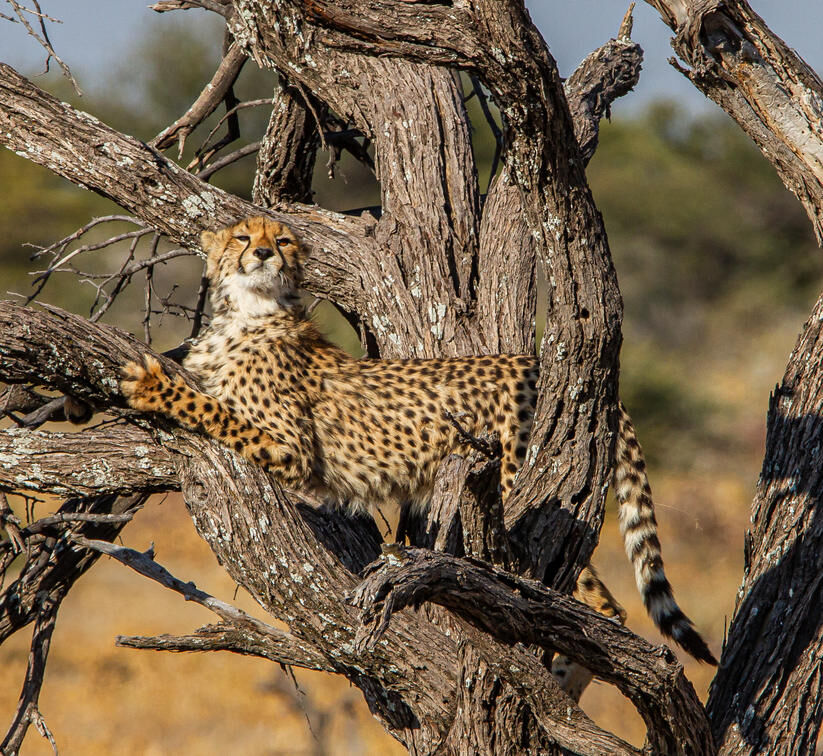
A visit to the seal colony adds texture and contrast to any Namibian journey. After days spent tracking desert-adapted elephants or watching cheetahs hunt across open plains, the roar of the Atlantic and the raucous energy of the seals provide a completely different rhythm. The experience grounds travellers in the raw vitality of the coast and leaves them with stories that cannot be found in more conventional safari destinations.
With three decades of combined experience, Secret Namibia books directly with camps and lodges, creating tailor-made journeys for individuals, couples, families and private groups of up to eight guests. Our sister brand Encounters Africa specialises in seamless extensions across South Africa, Botswana, Kenya, Tanzania, Rwanda, Uganda, Zambia and Zimbabwe. Discover a full Skeleton Coast itinerary at this luxury fly-in safari.
Whether you approach Cape Cross as part of a self-drive adventure or a carefully curated private journey, the colony offers something few other sites can match: an unvarnished, full-sensory immersion in one of Namibia’s most dynamic ecosystems. The smell may catch you off guard, but the memory will stay with you long after the scent has faded.
Plan your safari: Enquire with Secret Namibia for tailor-made Namibia journeys. For safaris beyond Namibia, in Botswana, South Africa, Kenya, Tanzania, Rwanda, Uganda, Zambia and Zimbabwe, speak to the travel designers at Encounters Africa, Secret Namibia's sister company for the rest of Africa.