
2025年5月30日
Explore sustainable tourism in Namibia, its impact on wildlife conservation, community upliftment, eco-lodges, and responsible safari practices.
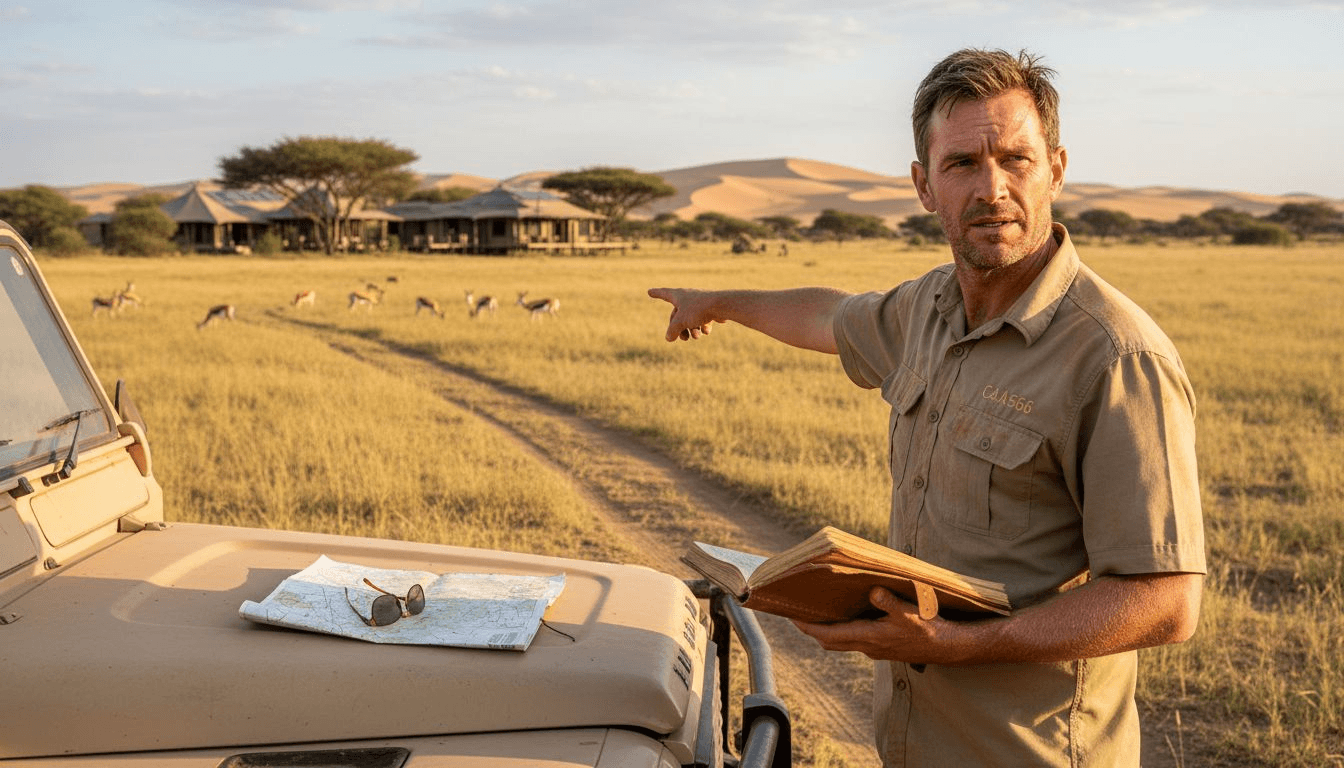
Sustainable Tourism Namibia – Impact on Wildlife & Communities
Bold commitments to conservation have made Namibia a model for sustainable tourism across Southern Africa, attracting south-african and international travelers alike. Luxury safari experiences here go far beyond indulgence, empowering local communities while protecting fragile ecosystems. Over 40 percent of Namibian land is managed through community conservancies, ensuring tourism revenue supports both biodiversity and rural livelihoods. Discover how ethically minded travelers can enjoy authentic wildlife encounters without compromise, setting a new benchmark for luxury with purpose.
Table of Contents
Defining Sustainable Tourism in Namibia
Types and Models: Conservancies, Eco-Lodges, Private Reserves
Wildlife Conservation Through Sustainable Travel
Community Empowerment and Local Partnerships
Eco-Luxury Lodges and Responsible Safari Practices
Key Takeaways
Point | Details |
|---|---|
Sustainable Tourism Focus | Sustainable tourism in Namibia integrates environmental conservation, community empowerment, and economic development, ensuring meaningful benefits for local communities and ecosystems. |
Community Empowerment | Community conservancies empower local populations by granting them legal rights to manage resources, leading to income generation and skills development. |
Eco-Lodges and Conservation | Eco-lodges minimise environmental impact while creating immersive visitor experiences that support local economies and conservation efforts. |
Responsible Safari Practices | Eco-luxury lodges incorporate sustainable infrastructure and provide educational experiences that foster ecological awareness among guests. |
Defining Sustainable Tourism in Namibia
Sustainable tourism in Namibia represents more than just travel experiences — it is a comprehensive approach to environmental conservation, community empowerment, and economic development. Unlike traditional tourism models, this strategy interweaves visitor experiences with meaningful ecological protection and local community benefits. Climate change risks necessitate adaptive management strategies that protect both natural systems and tourism infrastructure.
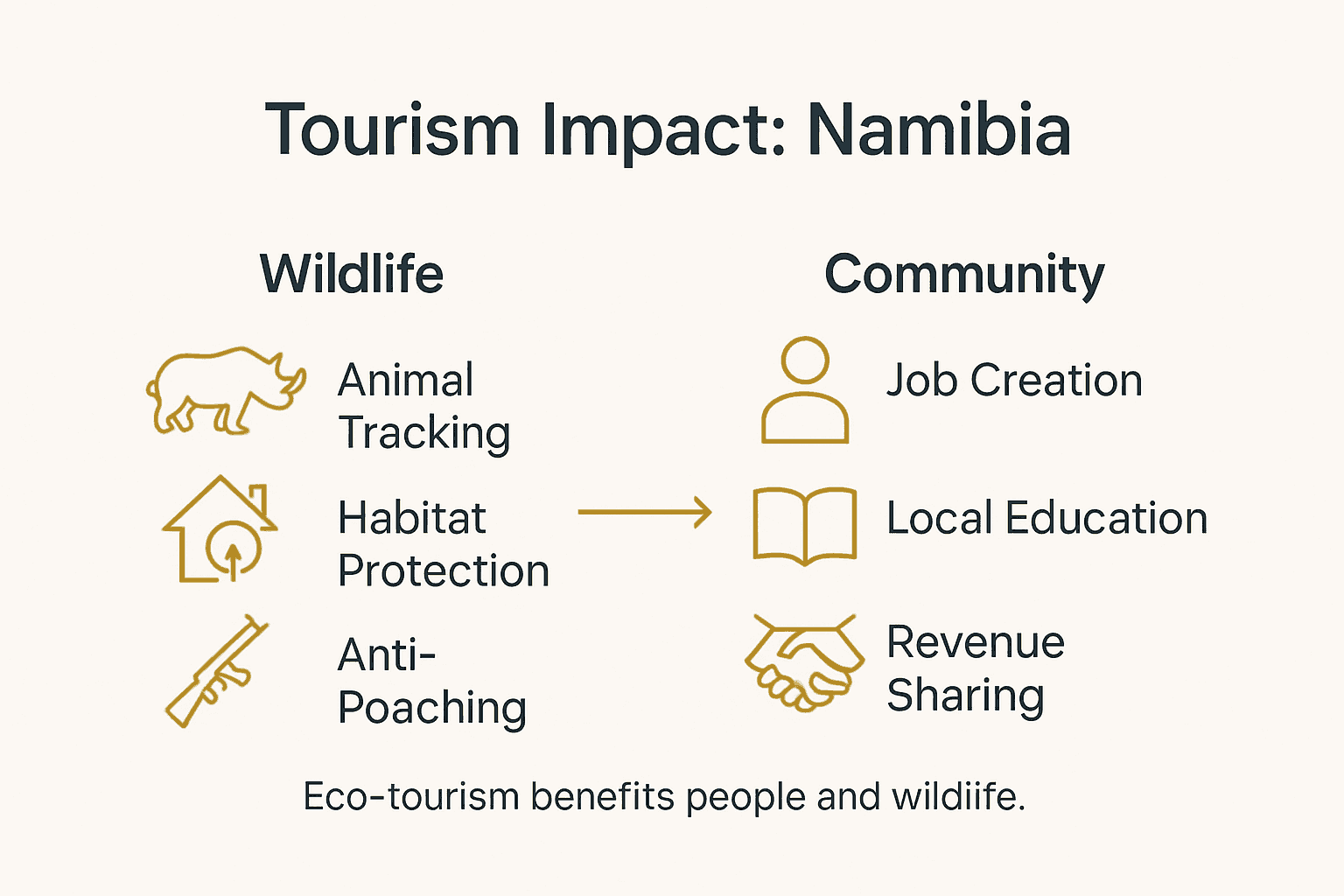
The core principles of sustainable tourism in Namibia focus on three critical dimensions: environmental preservation, socioeconomic development, and cultural respect. Wildlife conservation plays a pivotal role, with tourism revenues directly supporting habitat protection, anti-poaching efforts, and biodiversity maintenance. Local communities become active participants rather than passive observers, receiving economic opportunities through tourism-related employment, skills training, and direct revenue sharing from conservation initiatives.
Namibia’s sustainable tourism model distinguishes itself through innovative community-based conservation programmes. These initiatives transform traditional wildlife management approaches by integrating local indigenous knowledge with modern conservation techniques. Conservancies — communal land management structures — empower rural communities to become stewards of their natural resources, creating economic incentives for wildlife protection and habitat restoration.
Pro tip: When planning your sustainable tourism experience in Namibia, research lodges and tour operators that demonstrate transparent community engagement and conservation commitments.
Types and Models: Conservancies, Eco-Lodges, Private Reserves
Sustainable tourism models in Namibia represent a sophisticated approach to balancing ecological preservation with economic development. These innovative frameworks — conservancies, eco-lodges, and private reserves — transform traditional tourism by embedding conservation principles directly into visitor experiences. Each model offers a unique strategy for protecting Namibia’s fragile ecosystems while generating meaningful economic opportunities for local communities.
Community conservancies stand as a pioneering model of sustainable tourism. These collaborative land management structures empower rural communities to become direct stewards of their natural resources. By granting local populations legal rights to manage wildlife and tourism activities, conservancies create powerful economic incentives for habitat protection. Community members receive direct benefits through tourism revenue sharing, employment opportunities, and skills development programmes, effectively turning conservation into a viable economic strategy.
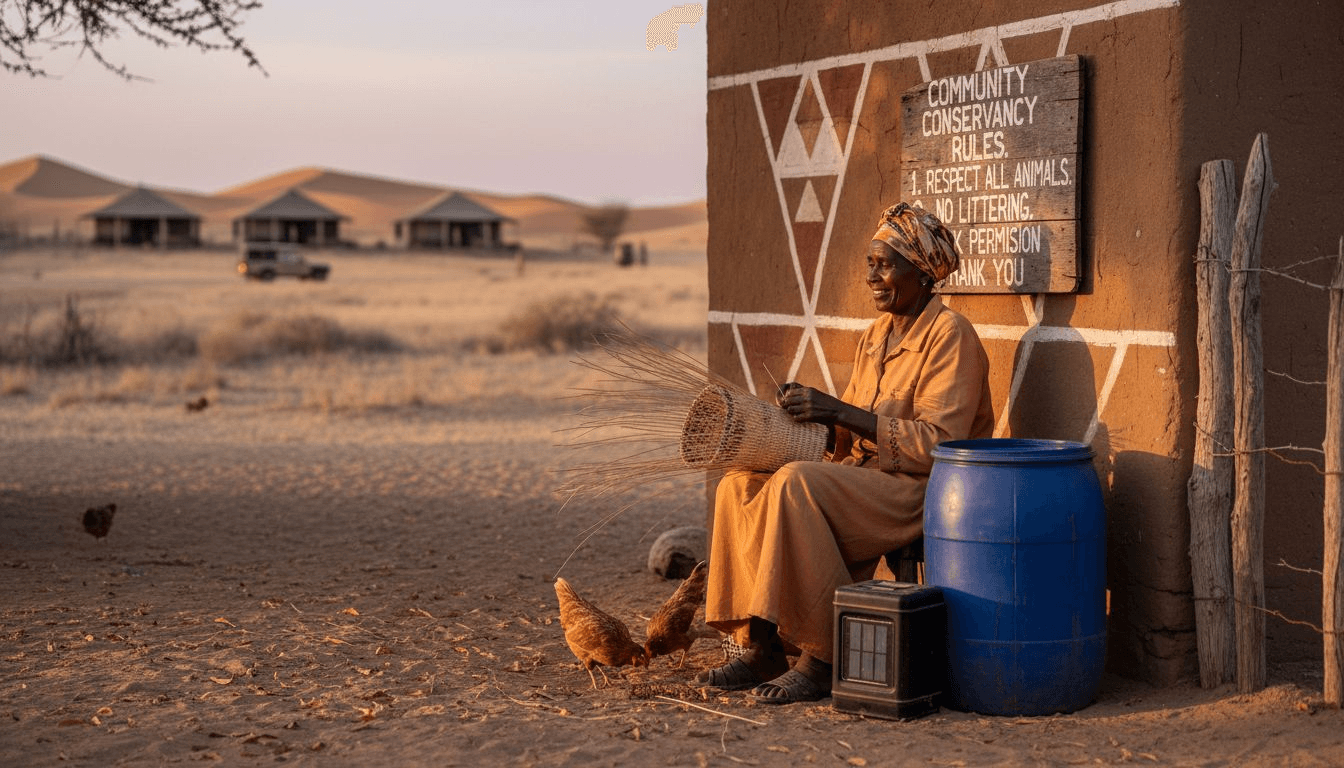
Eco-lodges represent another critical sustainable tourism model, designed to minimise environmental impact while providing authentic, immersive experiences. These carefully designed accommodations integrate advanced sustainable technologies such as solar power, water recycling systems, and locally sourced construction materials. By prioritising low-impact infrastructure and supporting local supply chains, eco-lodges demonstrate how tourism can actively contribute to environmental preservation, rather than merely extracting value from natural landscapes.
Pro tip: When selecting an eco-lodge or conservancy experience, investigate their specific conservation programmes and community engagement initiatives to ensure your tourism spend genuinely supports sustainable development.
Here are the main models of sustainable tourism in Namibia with their unique impacts:
Model Type | Key Features | Community Benefits | Conservation Impact |
|---|---|---|---|
Conservancies | Community land management, legal rights | Revenue sharing, skills development | Habitat protection, anti-poaching |
Eco-Lodges | Low-impact design, local sourcing | Job creation, support for supply chains | Reduced footprint, biodiversity support |
Private Reserves | Private management, tourism funding | Guiding jobs, educational programmes | Species protection, habitat restoration |
Wildlife Conservation Through Sustainable Travel
Namibia’s National Sustainable Tourism Growth and Development Strategy demonstrates how tourism can become a powerful mechanism for wildlife conservation. By transforming visitors from passive observers into active participants in ecosystem preservation, sustainable travel creates a direct economic incentive for protecting biodiversity. This approach recognises wildlife not as a passive resource, but as a living, dynamic system that requires continuous support and strategic intervention.
Sustainable travel in Namibia achieves wildlife conservation through multiple strategic approaches. Tracking programmes enable tourists to contribute directly to scientific research, with visitors participating in wildlife monitoring, data collection, and habitat assessment. These activities generate crucial scientific insights while simultaneously funding conservation efforts. Local communities are trained as expert trackers and guides, creating economic opportunities that are intrinsically linked to wildlife preservation and ecosystem health.
Private reserves and national parks implement innovative conservation strategies that integrate tourism revenue into habitat restoration and species protection. These models create a symbiotic relationship between wildlife, local communities, and visitors, where each stakeholder plays a critical role in ecosystem maintenance. Funding generated from sustainable tourism directly supports anti-poaching initiatives, habitat rehabilitation programmes, and wildlife research, transforming tourism from an extractive industry into a regenerative conservation tool.
Pro tip: Select safari experiences that provide transparent documentation of their conservation contributions and community engagement programmes to ensure your travel directly supports wildlife protection efforts.
Community Empowerment and Local Partnerships
Sustainable tourism in Namibia represents a comprehensive approach to community development that transforms traditional economic models by placing local populations at the centre of conservation and tourism strategies. These innovative partnership frameworks go far beyond simple economic transactions, creating holistic systems of empowerment that address social, cultural, and economic needs simultaneously. By recognising indigenous communities as critical stakeholders rather than passive recipients, Namibia has developed a groundbreaking model of inclusive tourism development.
Community conservancies emerge as the cornerstone of this transformative approach, covering over 40% of Namibia’s land and providing local populations with legal rights to manage natural resources. These structures enable rural communities to generate income through wildlife management, ecotourism, and sustainable resource utilisation. Training programmes develop local expertise in wildlife tracking, guiding, lodge management, and conservation techniques, creating professional pathways that directly link community development with ecological preservation.
The strategic partnerships between tourism operators, conservation organisations, and local communities generate multifaceted benefits that extend well beyond immediate economic gains. Sustainable tourism models prioritise investments in critical social infrastructure, including educational scholarships, healthcare initiatives, and skills development programmes. These investments create long-term resilience by empowering community members with professional capabilities, enhancing local economic opportunities, and fostering a deep sense of ownership over conservation efforts.
Pro tip: When selecting safari experiences, prioritise operators with transparent community partnership programmes that demonstrate meaningful, long-term investments in local capacity building and sustainable development.
See how sustainable tourism partnership strategies support Namibian communities:
Partnership Type | Main Stakeholders | Long-term Benefit | Social Investments |
|---|---|---|---|
Community Conservancy | Rural residents, NGOs | Economic resilience, capacity building | Training, lodge management |
Tourism Operator Alliances | Private sector, locals | Inclusive decision-making, stable jobs | Scholarships, healthcare |
Conservation Organisation Networks | NGOs, governments | Strengthened conservation policies | Skills development, infrastructure |
Eco-Luxury Lodges and Responsible Safari Practices
Namibia’s National Sustainable Tourism Strategy represents a pioneering approach to eco-luxury safari experiences that harmonise exceptional guest comfort with rigorous environmental and social responsibility. These lodges transcend traditional hospitality models by integrating cutting-edge sustainability practices with immersive, high-end wilderness experiences. The eco-luxury concept in Namibia is not merely about aesthetic refinement, but a comprehensive commitment to environmental stewardship and community empowerment.
Sustainable infrastructure forms the cornerstone of responsible safari lodges, with innovative design principles that minimise ecological footprints. These accommodations employ advanced technologies like solar power systems, water recycling mechanisms, and locally sourced construction materials that blend seamlessly with surrounding landscapes. Architectural designs prioritise natural ventilation, passive cooling techniques, and minimal landscape disruption, ensuring that luxury does not compromise environmental integrity.
Responsible safari practices extend far beyond physical infrastructure, encompassing holistic guest experiences that educate and inspire ecological awareness. Lodges implement comprehensive programmes that connect travellers directly with conservation efforts, offering guided experiences that reveal the intricate ecological systems of Namibia. Professional guides trained in ecological sciences provide in-depth interpretations of wildlife behaviour, habitat dynamics, and the critical role of human intervention in preserving delicate ecosystem balances.
Pro tip: Select eco-luxury lodges that provide transparent sustainability reporting and demonstrate measurable conservation impacts through guest engagement programmes.
Discover Sustainable Safari Experiences that Empower Communities and Protect Wildlife in Namibia
The challenge of balancing luxury travel with genuine conservation and community empowerment can feel overwhelming. This article reveals how Namibia’s sustainable tourism models like conservancies and eco-lodges create real benefits for wildlife and local people. At Secret Namibia you can explore bespoke safari options designed to align with these values by supporting community engagement and environmental stewardship. Experience Namibia’s wilderness without compromising on luxury or impact.
Take the step towards an unforgettable journey that champions habitat preservation and meaningful local partnerships. Browse our tailored safari packages and start planning your personalised adventure today at Secret Namibia. Dive deeper into the sustainable tourism ethos with insights from our blog and ensure your travel leaves a positive legacy. Your exclusive Namibian safari awaits.
Frequently Asked Questions
What is sustainable tourism in Namibia?
Sustainable tourism in Namibia focuses on environmental conservation, community empowerment, and economic development, integrating visitor experiences with ecological protection and local community benefits.
How do conservancies operate in Namibia?
Conservancies in Namibia empower local communities to manage natural resources and wildlife, providing economic incentives for habitat protection through tourism revenue sharing and skills development.
What is the impact of eco-lodges on conservation efforts?
Eco-lodges minimize environmental impact through sustainable design and local sourcing, actively contributing to conservation by supporting biodiversity and reducing ecological footprints.
How does sustainable tourism promote wildlife conservation?
Sustainable tourism promotes wildlife conservation by transforming visitors into active participants in ecosystem preservation, funding research, anti-poaching initiatives, and habitat restoration through tourism revenues.
Recommended
相关
萨法里指南
2025年10月30日
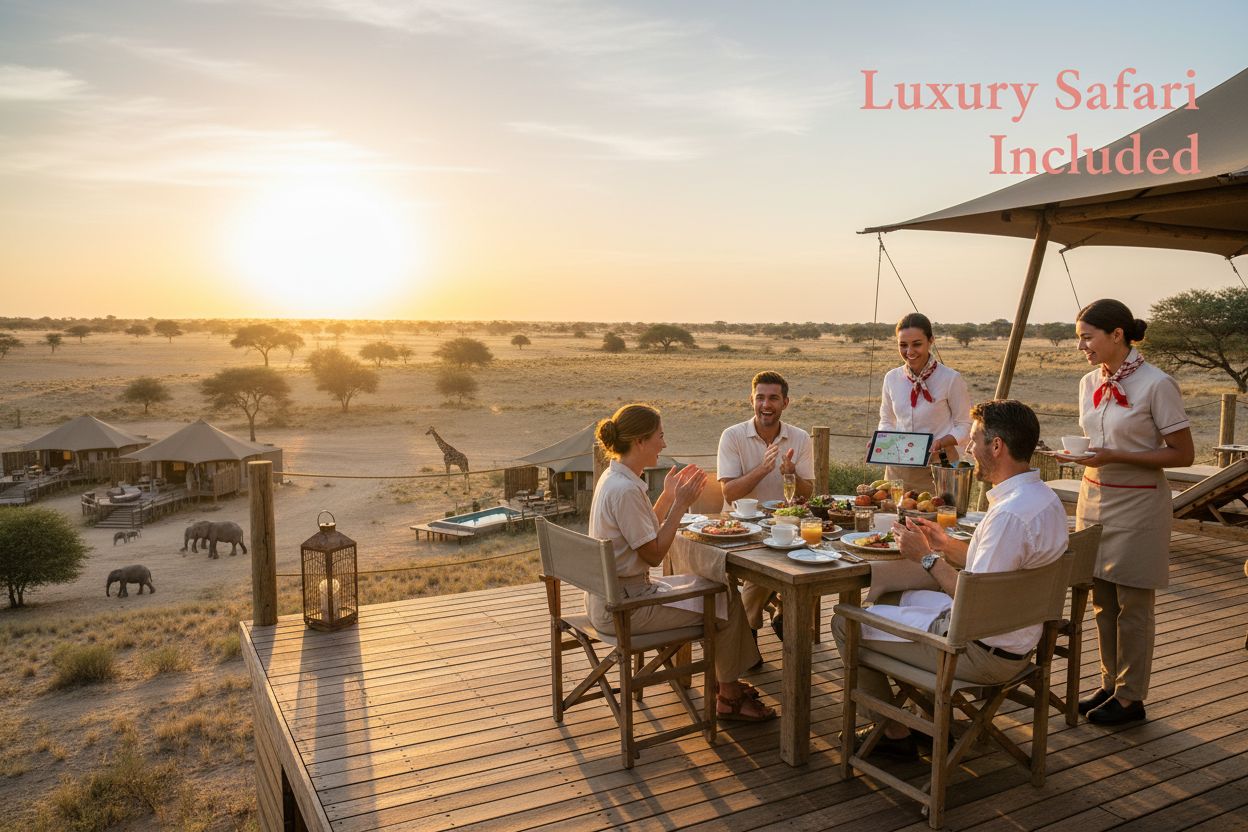
Understanding What is Included in Luxury Safaris
Explore what is included in luxury safaris, from exclusive accommodations to bespoke experiences that cater to discerning travelers.
2026年2月24日
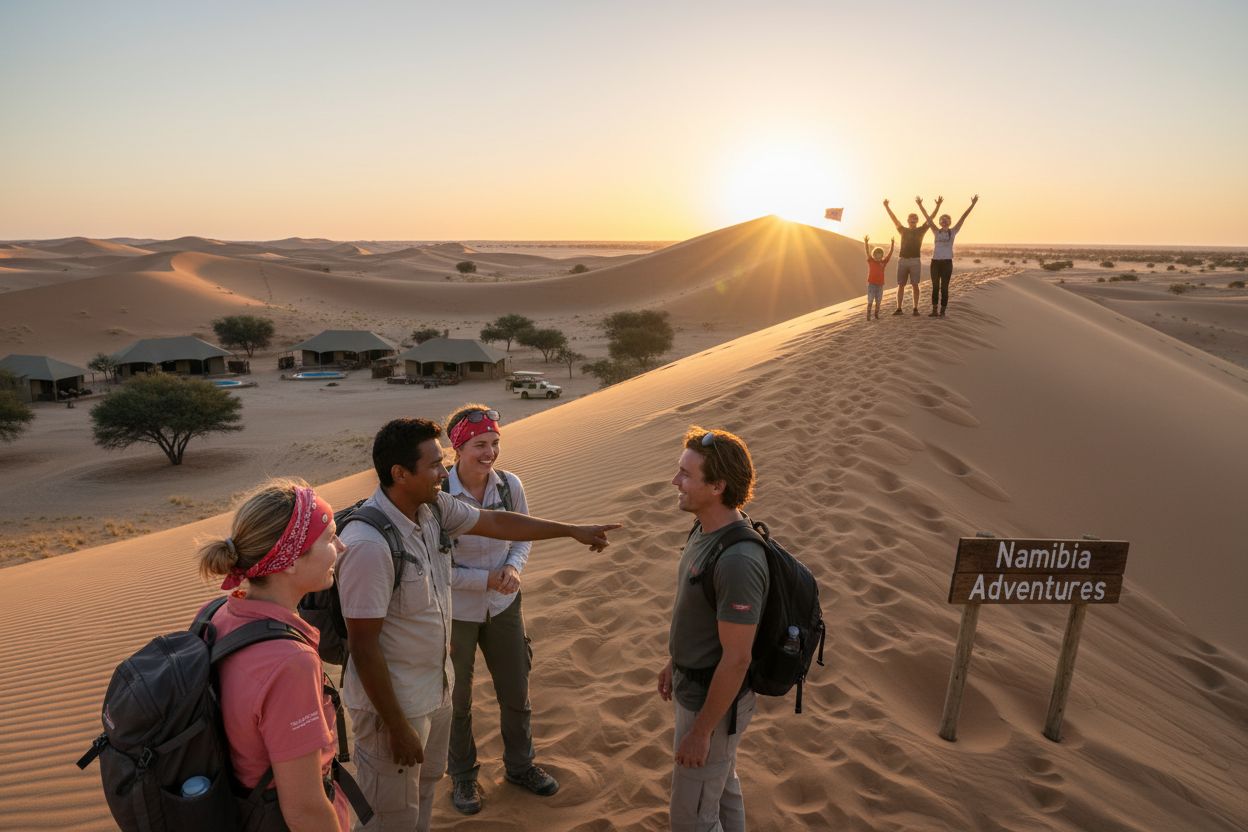
Why Namibia Adventures Matter: An In-Depth Look
Discover why Namibia adventures are essential for luxury travelers seeking unique, immersive experiences in nature and wildlife exploration.
2026年2月23日
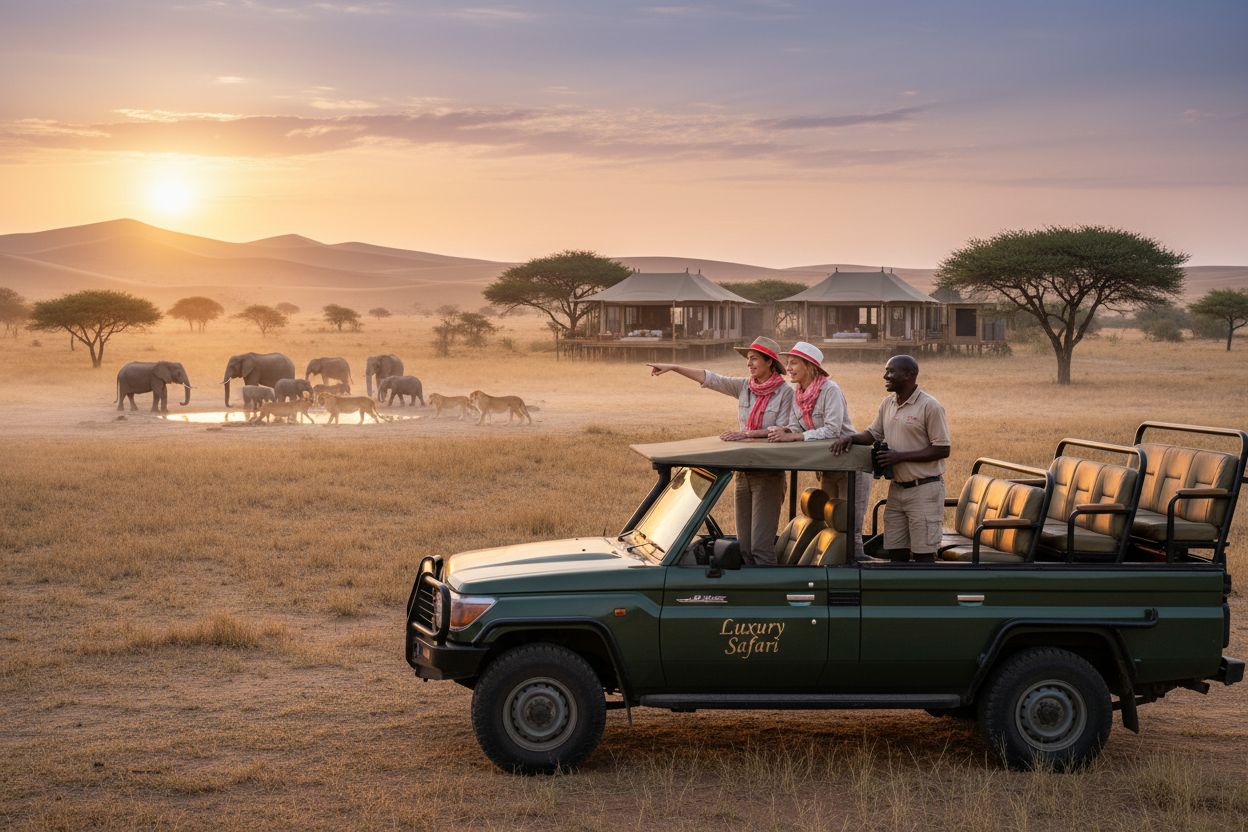
What to Expect on a Luxury Safari: A Comprehensive Guide
Discover what to expect on a luxury safari and gain a deeper understanding of the unique experiences that await you in the wild.
2026年2月22日
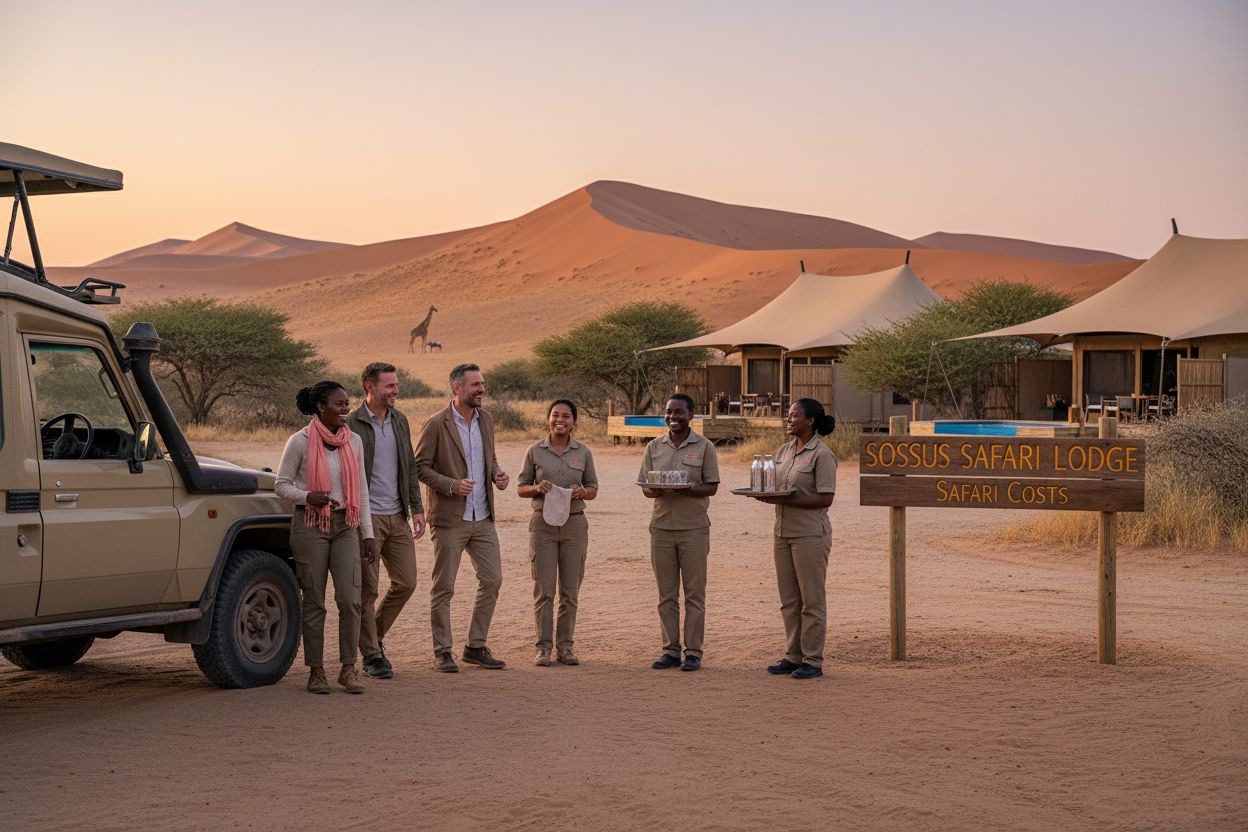
Understanding Namibia Safari Costs Explained
Explore Namibia safari costs explained to uncover what influences pricing and what it means for your adventure.
2026年2月21日
Understanding the Role of Safari Experts in Wildlife Travel
Explore the role of safari experts and gain a comprehensive understanding of how they enhance wildlife travel experiences for all types of travelers.
2026年2月20日
Guide organisation safari all inclusive : vivez l'aventure de vos rêves
Découvrez notre guide organisation safari all inclusive étape par étape pour planifier un voyage inoubliable au cœur de la nature.