
2025年2月19日
Role of safari in conservation: uncover how ethical safaris, community initiatives, and wildlife tourism sustain Namibia’s biodiversity and empower locals.
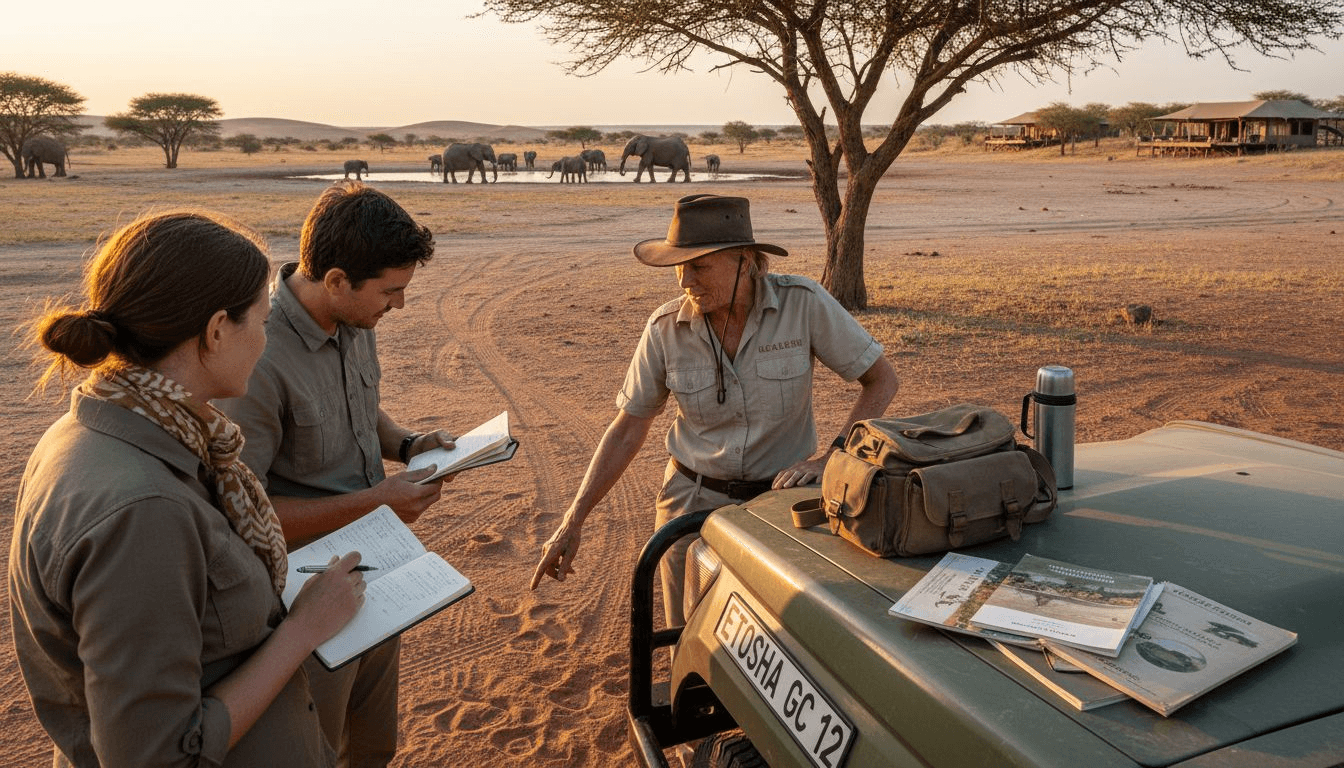
Role of Safari in Conservation – Transforming Luxury Travel
Luxury safari holidays in Namibia are no longer only about comfort and animal sightings. Couples from Europe and North America find that the modern safari now combines world-class travel with genuine conservation action. These journeys offer more than just adventure—they provide a chance to directly participate in protecting Namibia’s unique wildlife while exploring meaningful, immersive experiences. Discover how today’s safaris become powerful conservation platforms, connecting romance with real ecological impact.
Table of Contents
Defining The Modern Safari And Conservation
Ethical Safari Models In Namibia And Beyond
Wildlife Tourism’s Impact On Biodiversity
Community Involvement In Safari Conservation Efforts
Risks Of Mismanaged Tourism And Best Practices
Key Takeaways
Point | Details |
|---|---|
Modern Safaris as Conservation Tools | Luxury safaris are evolving into platforms for conservation, integrating research and community engagement to aid ecosystem preservation. |
Namibia’s Ethical Safari Model | Namibia showcases successful ethical safari frameworks that provide direct economic benefits to local communities while promoting wildlife conservation. |
Community Involvement is Essential | Active participation of local communities in conservation efforts leads to sustainable outcomes and reduction in illegal poaching activities. |
Best Practices for Sustainable Tourism | Implementing visitor capacity limits and robust community engagement can mitigate the risks associated with luxury safari tourism. |
Defining The Modern Safari And Conservation
The modern safari represents a profound transformation in wildlife tourism, evolving from mere recreational experiences to sophisticated conservation platforms. Today, luxury safaris are not simply about observing wildlife, but actively participating in ecosystem preservation and sustainable development.
Contemporary safari experiences integrate multiple critical dimensions of conservation, focusing on:
Scientific research and wildlife monitoring
Habitat protection strategies
Community engagement and economic empowerment
Educational outreach about biodiversity
The emerging conservation evolutionary biology approach demonstrates how safaris now serve as critical interfaces between human understanding and ecological preservation. These experiences provide immersive opportunities for travelers to directly contribute to wildlife protection while gaining unprecedented insights into complex ecosystem dynamics.
Modern safari conservation strategies prioritize collaborative approaches that balance ecological needs with sustainable tourism development. Sustainable safari practices now encompass comprehensive frameworks that extend far beyond traditional wildlife viewing, integrating financial support, research initiatives, and community development programs.
Ecosystem Impact Metrics:
Direct funding for conservation projects
Scientific data collection
Community education programs
Habitat restoration efforts
These multifaceted approaches transform luxury travel from a consumptive experience into a meaningful engagement with global biodiversity preservation.
Pro tip: When selecting a safari experience, prioritise operators demonstrating transparent conservation commitments and measurable ecological impact.
Ethical Safari Models In Namibia And Beyond
Namibia has emerged as a global leader in developing innovative conservation strategies that seamlessly integrate wildlife protection, community development, and sustainable tourism. The country’s approach demonstrates how ethical safari models can create meaningful ecological and socioeconomic impact.
Key characteristics of Namibia’s ethical safari framework include:
Community-based natural resource management
Direct economic benefits for local populations
Sustainable wildlife population management
Transparent conservation funding mechanisms
Long-term ecosystem preservation strategies
Trophy hunting regulations in Namibia represent a nuanced approach to wildlife management. These carefully controlled practices generate substantial economic resources while simultaneously supporting wildlife population growth and habitat conservation.
Moreover, specific regional models like rhinoceros-based tourism provide compelling evidence of ethical safari principles in action. Sustainable wildlife protection initiatives demonstrate how tourism revenues can be directly channelled into conservation efforts, creating a symbiotic relationship between wildlife preservation and local community development.
Conservation Impact Metrics:
Economic opportunities for local communities
Reduction in illegal hunting activities
Enhanced wildlife population monitoring
Increased global awareness about conservation challenges
These multifaceted strategies transform traditional safari experiences from mere observation into meaningful ecological interventions that prioritise both wildlife welfare and human development.
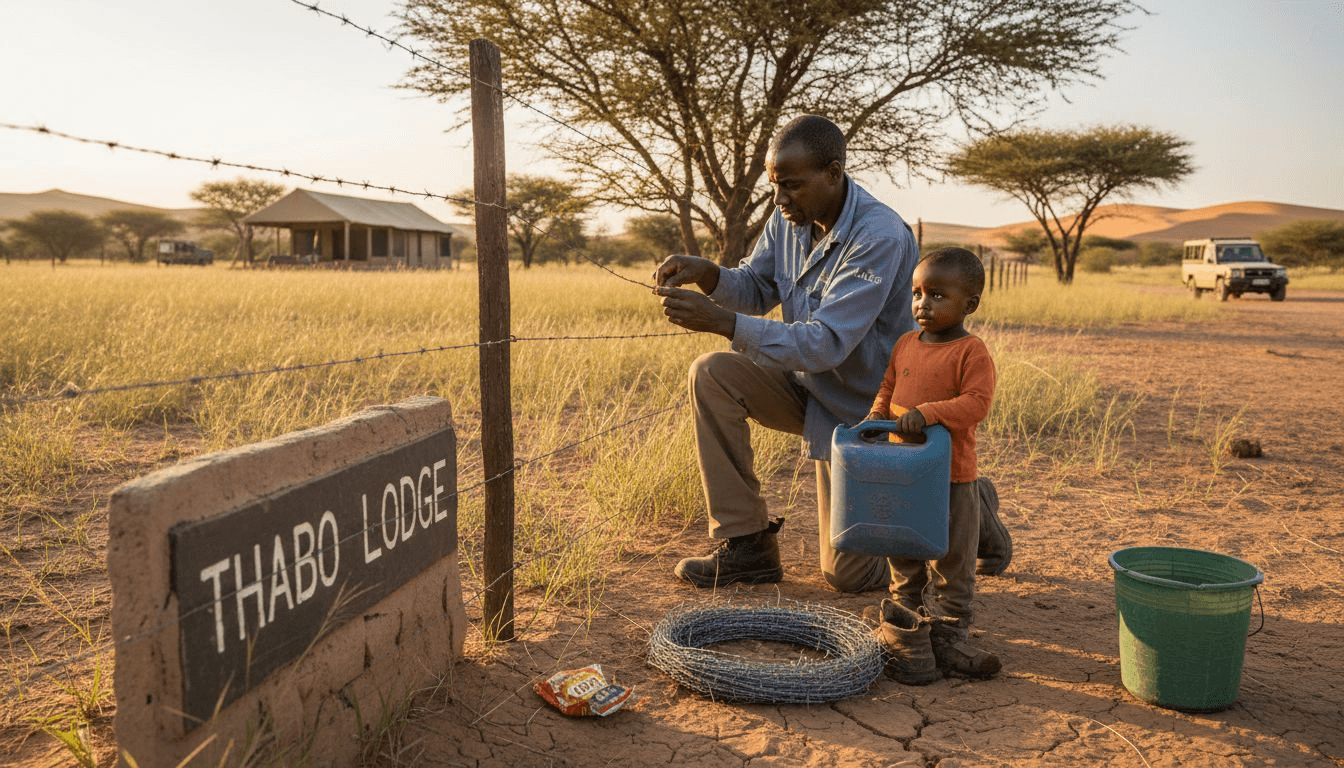
Pro tip: When selecting an ethical safari experience, prioritise operators who can transparently demonstrate their direct contributions to local conservation and community development efforts.
Here’s a summary of how different safari models contribute to sustainable conservation outcomes:
Safari Model | Conservation Focus | Community Involvement | Primary Benefits |
|---|---|---|---|
Modern Luxury Safari | Research, ecosystem health | Selective partnerships | Data collection, global funding |
Ethical Namibian Safari | Wildlife, local economy | Central to management | Community income, wildlife rebound |
Community-Based Management | Shared governance | Leadership authority | Reduced poaching, improved welfare |
Trophy Hunting Regulation | Wildlife population control | Revenue redistribution | Habitat funding, pop. stability |
Wildlife Tourism’s Impact On Biodiversity
Wildlife tourism represents a complex ecological intervention that simultaneously offers profound opportunities for conservation and potential challenges for biodiversity preservation. The intricate relationship between human interaction and natural ecosystems demands sophisticated, nuanced approaches to sustainable engagement.
Key dimensions of wildlife tourism’s biodiversity impact include:
Direct financial support for conservation efforts
Enhanced public awareness about ecological systems
Research and monitoring opportunities
Economic incentives for habitat preservation
Community-based conservation strategies
Sustainable tourism frameworks demonstrate critical multi-level interventions necessary for balancing tourism benefits with ecological preservation. These approaches address complex challenges such as potential habitat fragmentation, human-wildlife conflict, and the delicate equilibrium between economic development and environmental protection.
Moreover, biodiversity conservation strategies increasingly emphasise holistic approaches that integrate stakeholder collaboration, policy development, and community empowerment. By fostering resilient ecosystems and supporting local populations, wildlife tourism can transform from a potentially disruptive activity into a powerful conservation mechanism.
Biodiversity Protection Strategies:
Implement strict visitor management protocols
Develop community-based conservation programmes
Create robust ecological monitoring systems
Establish transparent funding mechanisms for conservation
These comprehensive approaches demonstrate how thoughtful, intentional wildlife tourism can become a critical tool for global biodiversity preservation and ecological resilience.
Pro tip: When participating in wildlife tourism, choose operators who can transparently demonstrate their direct contributions to local ecosystem preservation and community development.
Community Involvement In Safari Conservation Efforts
Community engagement represents the cornerstone of modern sustainable conservation strategies, transforming traditional wildlife protection approaches into collaborative, holistic ecosystem management frameworks. By integrating local populations directly into conservation decision-making, safari regions are reimagining environmental stewardship as a shared responsibility.
Key dimensions of community-driven conservation include:
Equitable resource sharing mechanisms
Indigenous knowledge integration
Local economic empowerment
Participatory governance models
Capacity building programs
Conflict resolution strategies
Community-Based Natural Resource Management approaches have demonstrated remarkable success in creating sustainable conservation outcomes. These models empower local communities by providing economic incentives, reducing human-wildlife conflicts, and developing innovative strategies that align conservation goals with community aspirations.
Moreover, indigenous environmental conservation strategies highlight the profound potential of integrating traditional ecological knowledge with contemporary conservation practices. By recognising and valuing local perspectives, these approaches create more resilient, adaptive, and context-specific conservation frameworks that transcend conventional top-down management paradigms.
Community Conservation Impact Metrics:
Reduction in illegal poaching activities
Enhanced ecosystem monitoring capabilities
Increased local economic opportunities
Improved wildlife population sustainability
These collaborative models demonstrate that effective conservation is not about protecting nature from people, but protecting nature with people as active, empowered partners.
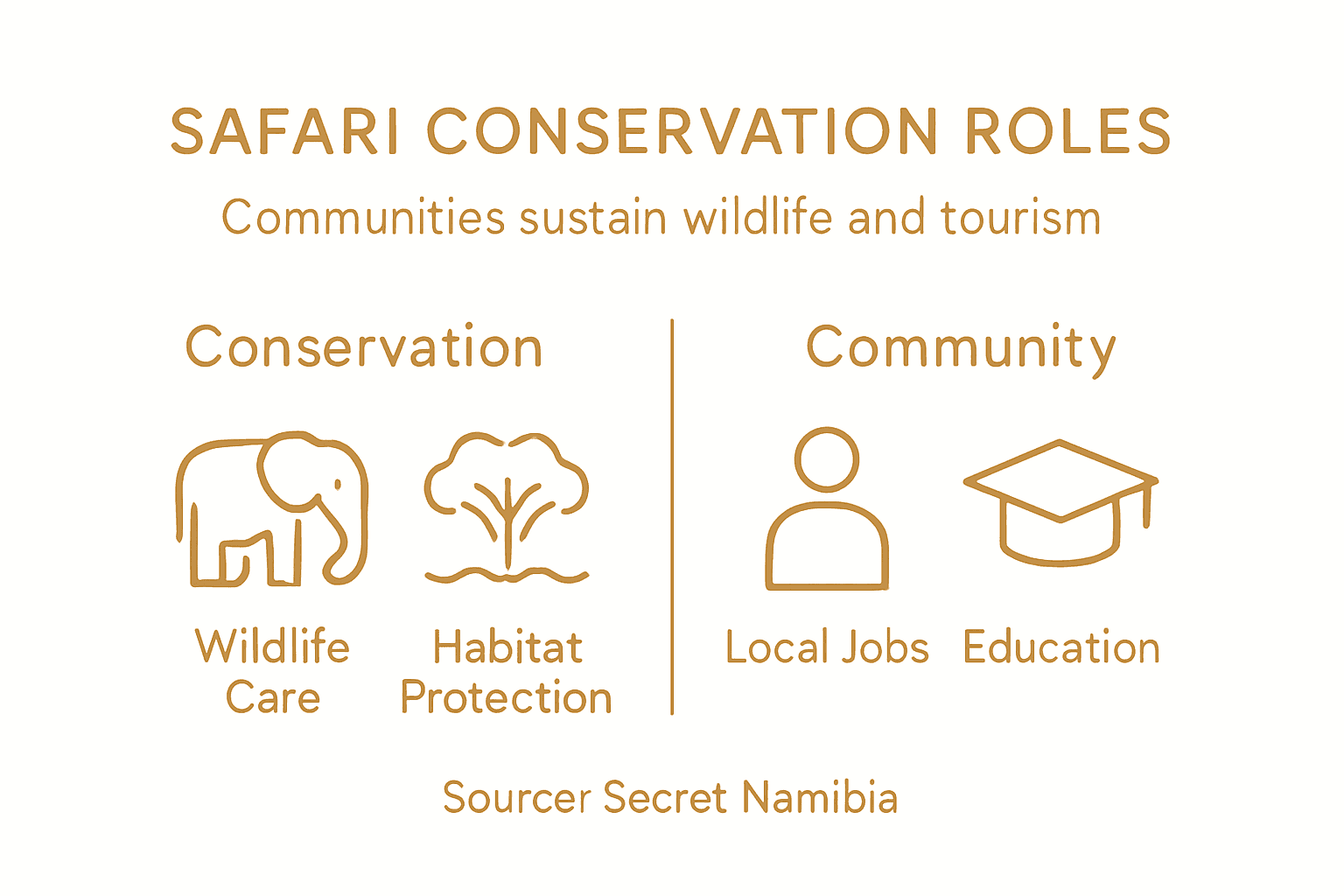
Pro tip: When supporting conservation efforts, prioritise organisations that demonstrably integrate local communities as central decision-makers and beneficiaries.
Risks Of Mismanaged Tourism And Best Practices
Luxury safari tourism represents a delicate ecological intervention that requires sophisticated management strategies to balance conservation objectives with visitor experiences. Without careful planning, tourism can inadvertently cause significant environmental and social disruptions that undermine long-term conservation goals.
Potential risks of mismanaged tourism include:
Habitat fragmentation and degradation
Wildlife stress and behavioural changes
Local ecosystem disruption
Cultural erosion in indigenous communities
Economic inequalities
Unsustainable resource consumption
Sustainable tourism management requires comprehensive strategic planning that anticipates and mitigates potential negative consequences. This involves developing adaptive frameworks that prioritise ecosystem preservation, community well-being, and long-term environmental resilience.
Moreover, biodiversity conservation strategies emphasise the critical importance of integrating scientific research, stakeholder collaboration, and responsive management approaches to minimise tourism’s potential destructive impacts.
Best Practices for Responsible Tourism:
Implement strict visitor capacity limits
Develop comprehensive environmental monitoring systems
Create robust community engagement protocols
Establish transparent ecological impact assessments
Design adaptive management frameworks
Effective tourism management transcends simple regulatory compliance, representing a holistic approach to preserving both natural ecosystems and cultural heritage.
Compare key risks and sustainable practices essential for responsible safari tourism:
Risk of Mismanagement | Sustainable Practice Solution | Measurable Benefit |
|---|---|---|
Habitat fragmentation | Visitor capacity limits | Healthier ecosystems |
Wildlife behavioural changes | Monitoring and adaptive frameworks | Stable animal populations |
Cultural and social disruption | Inclusive community engagement | Maintained local traditions |
Unequal economic distribution | Transparent funding mechanisms | Increased local community income |
Pro tip: When selecting safari experiences, prioritise operators with demonstrable, transparent environmental and community protection strategies.
Experience Luxury Safaris That Truly Support Conservation
Modern safaris have evolved beyond simple wildlife viewing into powerful conservation platforms that protect ecosystems and empower local communities. The challenge lies in finding safari operators who demonstrate transparent conservation commitments and actively contribute to biodiversity preservation and community development. With sensitive management of natural habitats and inclusion of indigenous perspectives, you can transform your luxury travel into a meaningful ecological intervention.
Secret Namibia offers expertly crafted safari experiences across Namibia and Southern Africa, prioritising sustainable tourism that benefits both wildlife and local people. Discover bespoke itineraries that integrate authentic adventure with ethical conservation principles in iconic destinations like the Namib Desert and Etosha National Park.
Explore our luxury safari options and start your journey today to support wildlife protection while enjoying an unforgettable, personalised safari adventure.
Make your next luxury holiday purposeful. Book now through Secret Namibia and be part of the future where spectacular travel aligns with safeguarding precious ecosystems.
Frequently Asked Questions
What is the modern role of safari in conservation?
The modern safari serves as a platform for wildlife tourism that integrates conservation efforts, scientific research, habitat protection, and community engagement, transforming luxury travel into a meaningful experience focused on ecosystem preservation.
How do ethical safari models contribute to conservation?
Ethical safari models prioritize the direct economic benefits for local communities, sustainable wildlife management, and transparent funding for conservation, allowing for a balanced approach that supports both wildlife protection and community development.
What are the potential risks of mismanaged tourism in safari experiences?
Mismanaged tourism can lead to habitat fragmentation, wildlife stress, cultural erosion, and economic disparities, which undermine conservation efforts. Implementing sustainable practices is critical to mitigate these risks.
How can travelers ensure they are supporting sustainable safari practices?
Travelers should prioritize operators that demonstrate transparent commitments to conservation, community engagement, and measurable ecological impact, ensuring their travel contributes positively to both local environments and communities.
Recommended
相关
萨法里指南
2025年10月30日
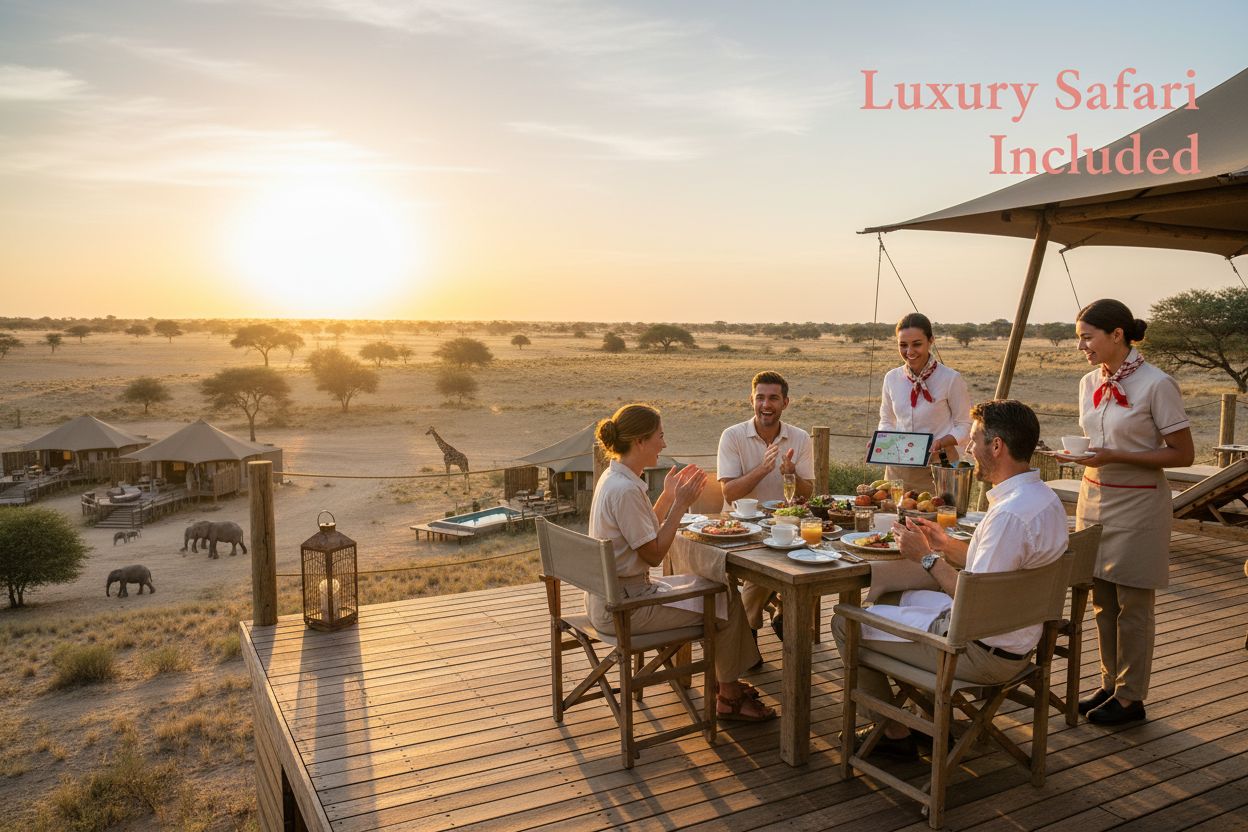
Understanding What is Included in Luxury Safaris
Explore what is included in luxury safaris, from exclusive accommodations to bespoke experiences that cater to discerning travelers.
2026年2月24日
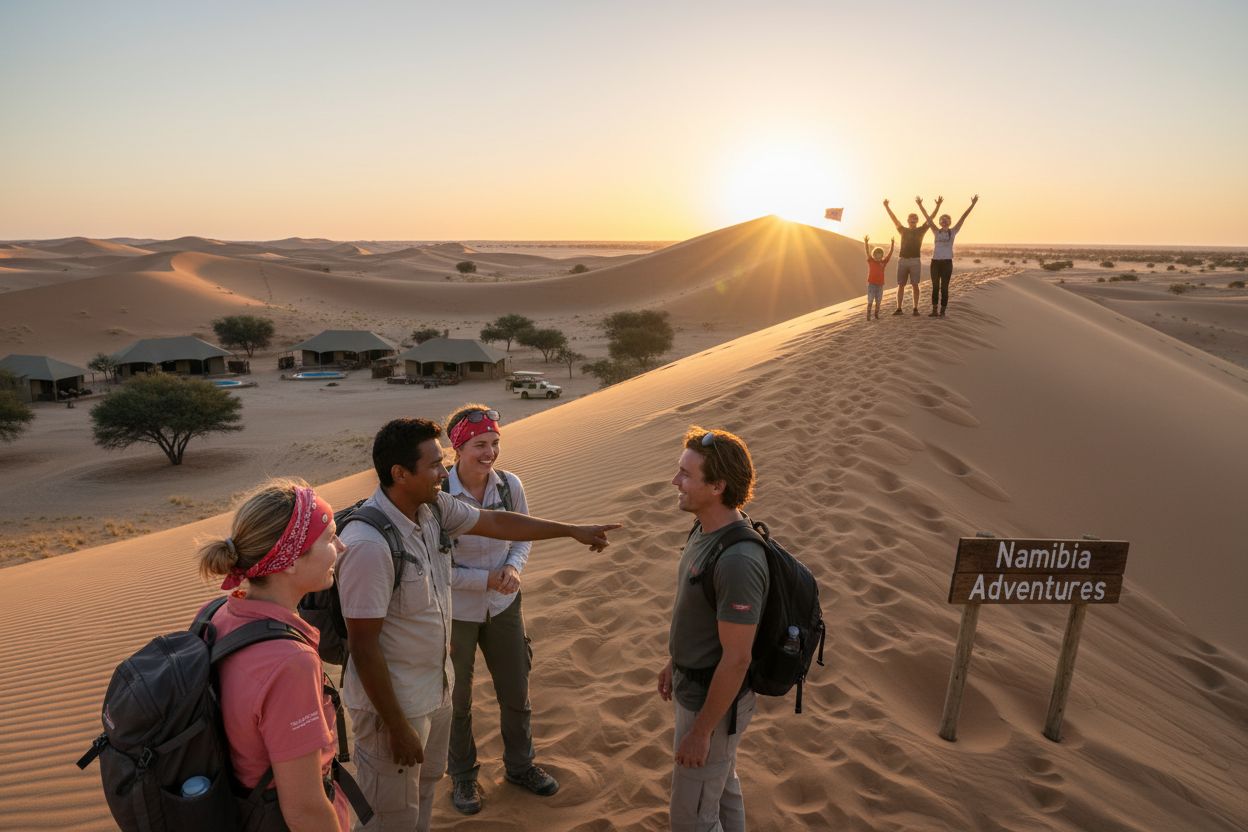
Why Namibia Adventures Matter: An In-Depth Look
Discover why Namibia adventures are essential for luxury travelers seeking unique, immersive experiences in nature and wildlife exploration.
2026年2月23日
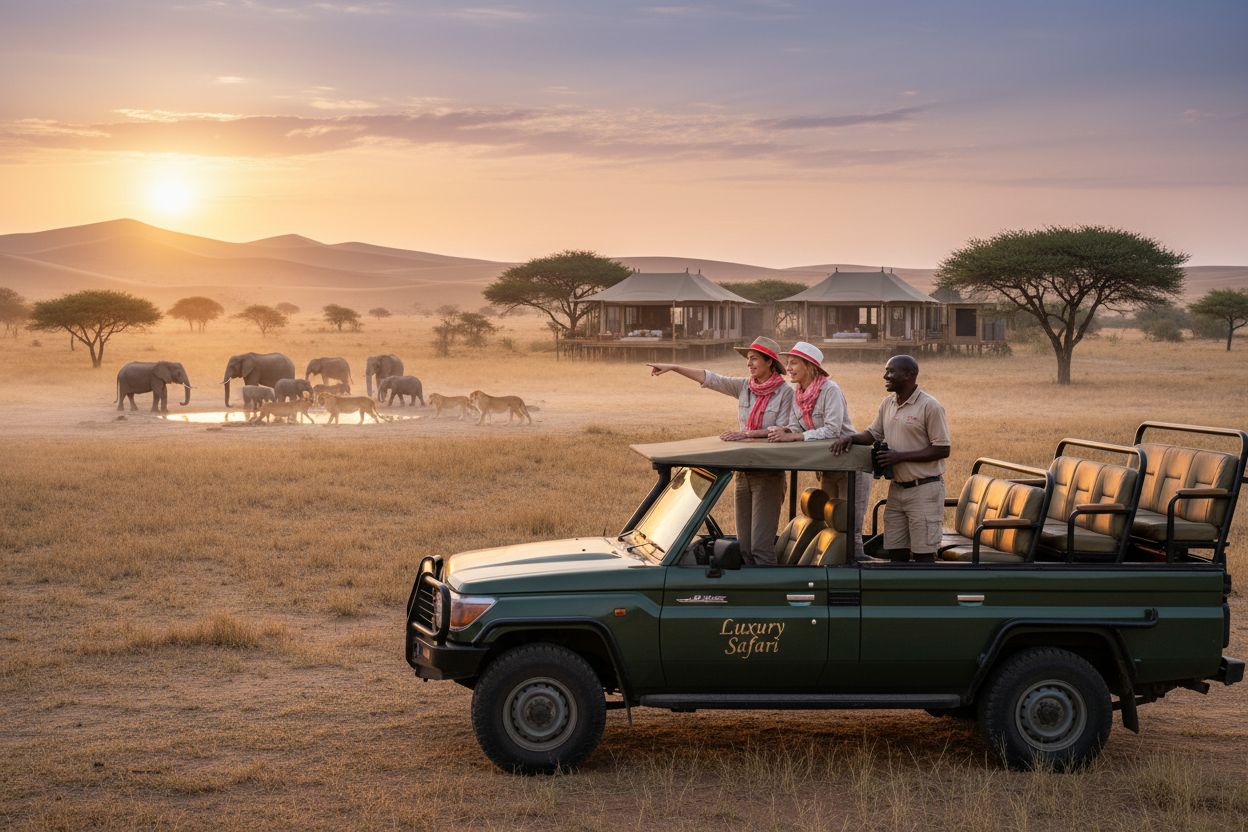
What to Expect on a Luxury Safari: A Comprehensive Guide
Discover what to expect on a luxury safari and gain a deeper understanding of the unique experiences that await you in the wild.
2026年2月22日
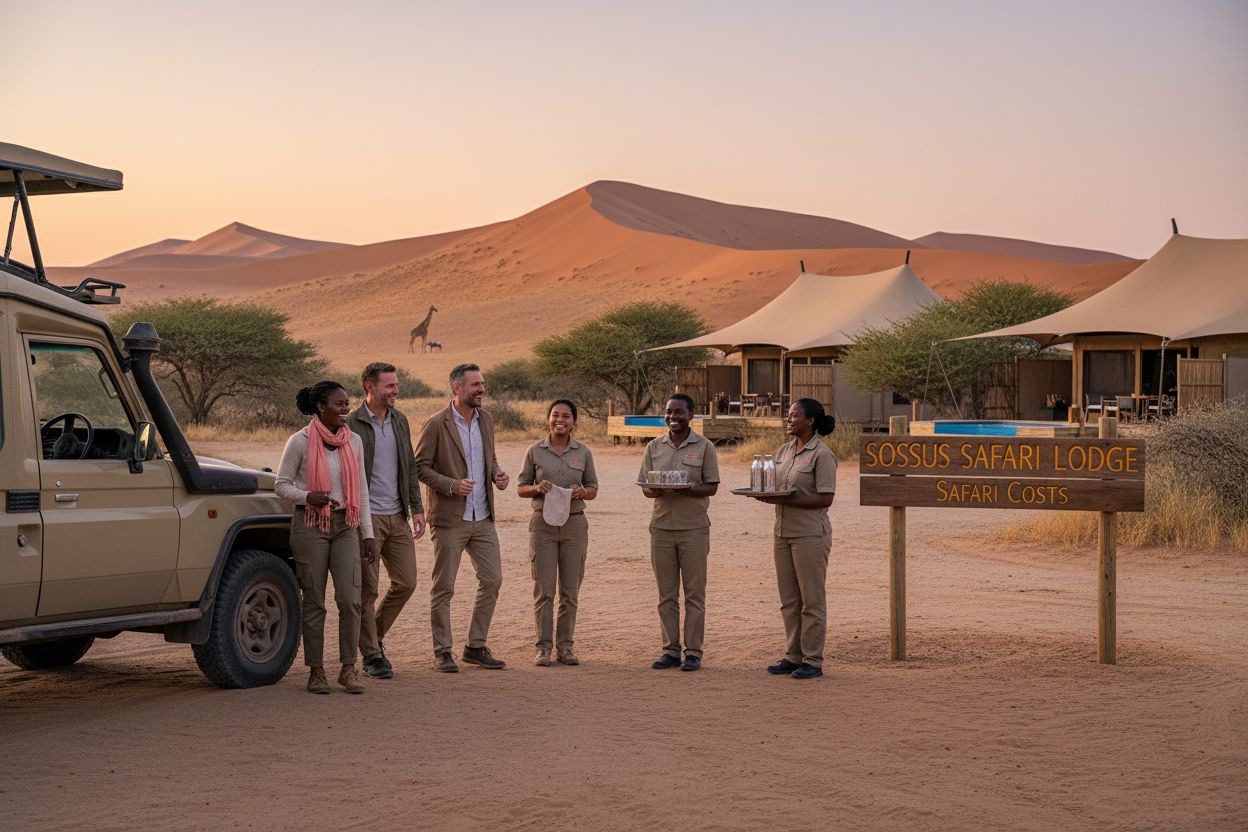
Understanding Namibia Safari Costs Explained
Explore Namibia safari costs explained to uncover what influences pricing and what it means for your adventure.
2026年2月21日
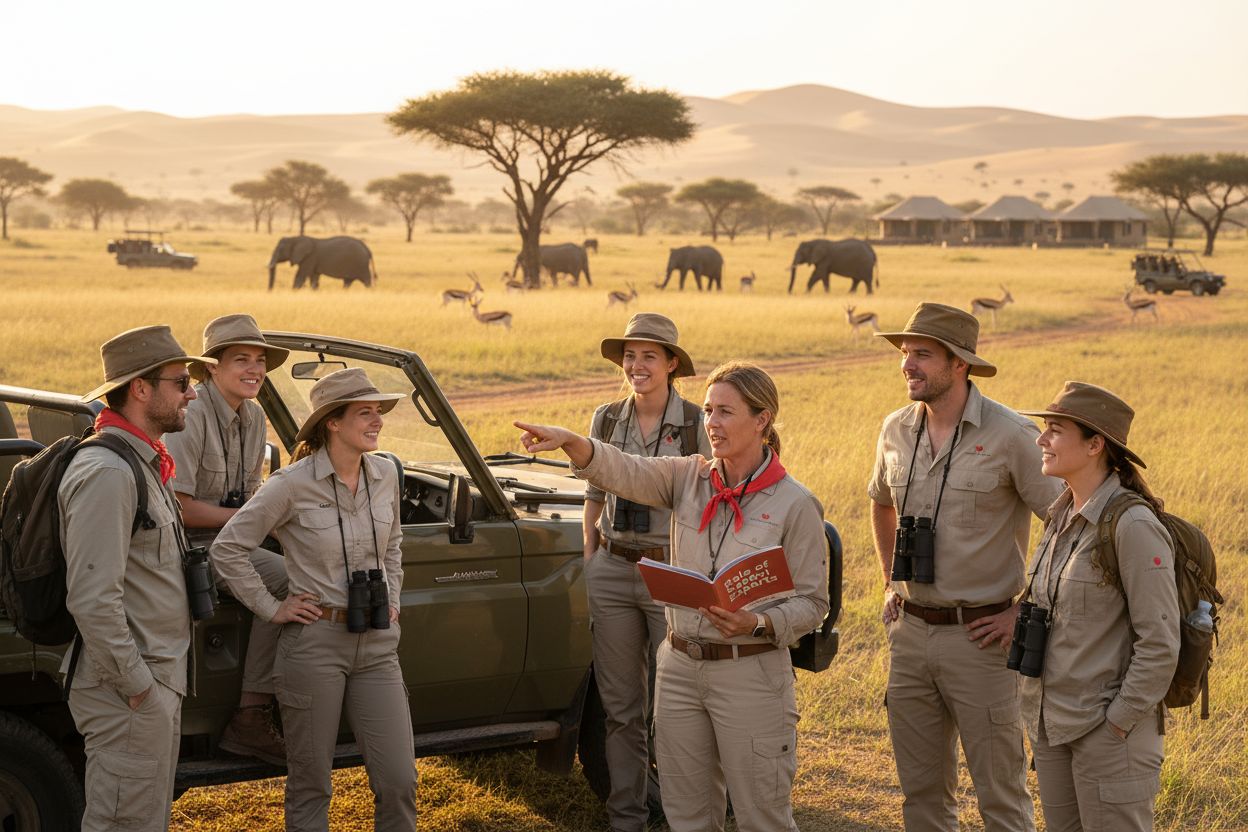
Understanding the Role of Safari Experts in Wildlife Travel
Explore the role of safari experts and gain a comprehensive understanding of how they enhance wildlife travel experiences for all types of travelers.

2026年2月20日
Guide organisation safari all inclusive : vivez l'aventure de vos rêves
Découvrez notre guide organisation safari all inclusive étape par étape pour planifier un voyage inoubliable au cœur de la nature.