
Mar 7, 2026
Discover how safari rangers dedicate 80% of their work to conservation, not guiding, while reducing poaching by 60% and elevating your luxury safari experience through expert knowledge and safety protocols.
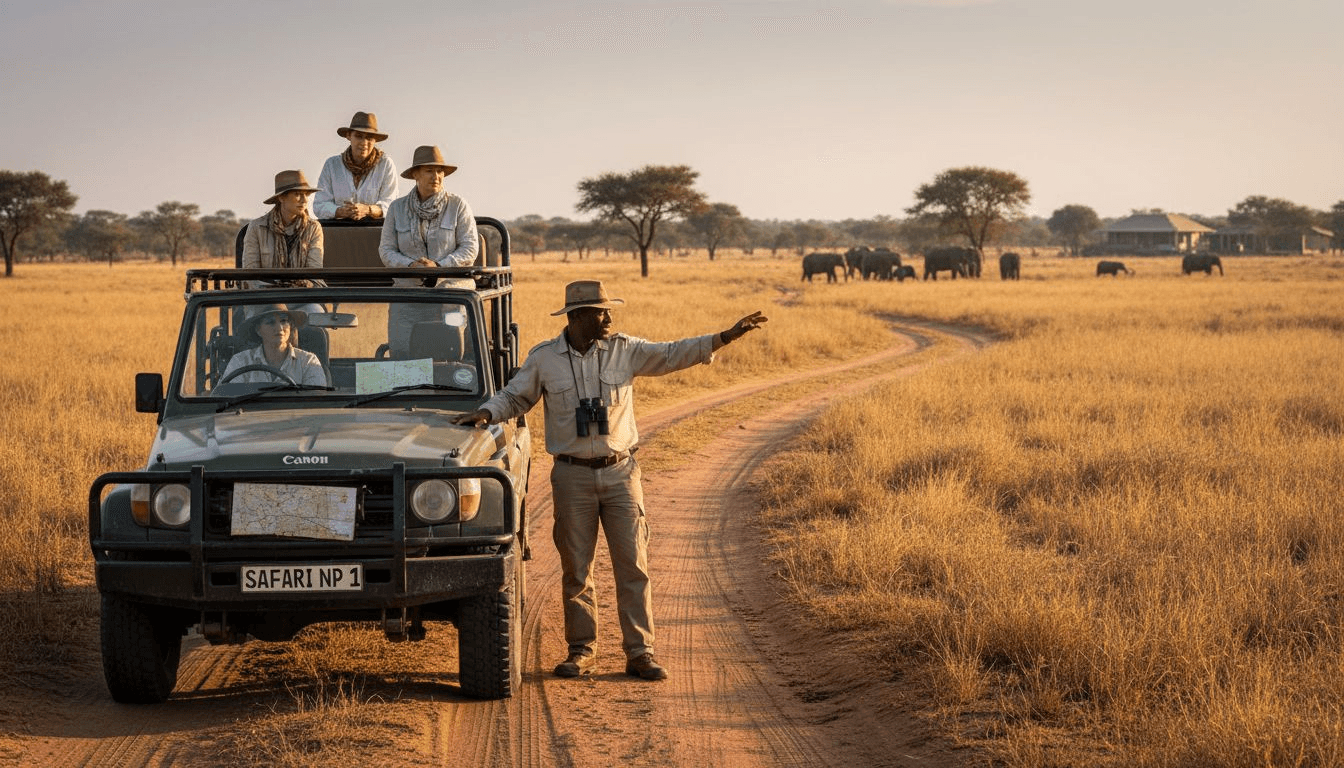
The essential role of safari rangers in luxury safaris
Safari rangers reduce wildlife poaching incidents by up to 60% across Southern Africa, yet most luxury travelers view them merely as tour guides. This misconception overlooks their primary mission of wildlife conservation and habitat protection. Rangers serve as the frontline defenders of Africa’s biodiversity while simultaneously elevating your safari experience through expert knowledge and safety protocols. Understanding their multifaceted roles transforms how you appreciate every game drive and bush walk.
Table of Contents
Introduction To Safari Rangers And Their Multifaceted Roles
Training, Skills, And Expertise Of Safari Rangers
Conservation Roles And Impact Of Safari Rangers
Enhancing Guest Safety And Safari Experience
Common Misconceptions About Safari Rangers
Challenges Faced By Safari Rangers
Conclusion: The Integral Connection Between Rangers, Conservation, And Luxury Safari Fulfillment
Explore Bespoke Luxury Safaris Supported By Expert Rangers
Frequently Asked Questions About Safari Rangers
Key takeaways
Point | Details |
|---|---|
Conservation priority | Rangers dedicate over 80% of their time to anti-poaching patrols and wildlife monitoring, not guest guiding |
Rigorous training | Most undergo 12 to 24 months of intensive certification covering wildlife biology, tracking, emergency response, and conservation law |
Safety expertise | Professional rangers reduce wildlife encounter incidents by implementing proven protocols and real-time threat assessment |
Guest education | Rangers transform sightings into learning moments, connecting you to ecosystem dynamics and conservation challenges |
Introduction to safari rangers and their multifaceted roles
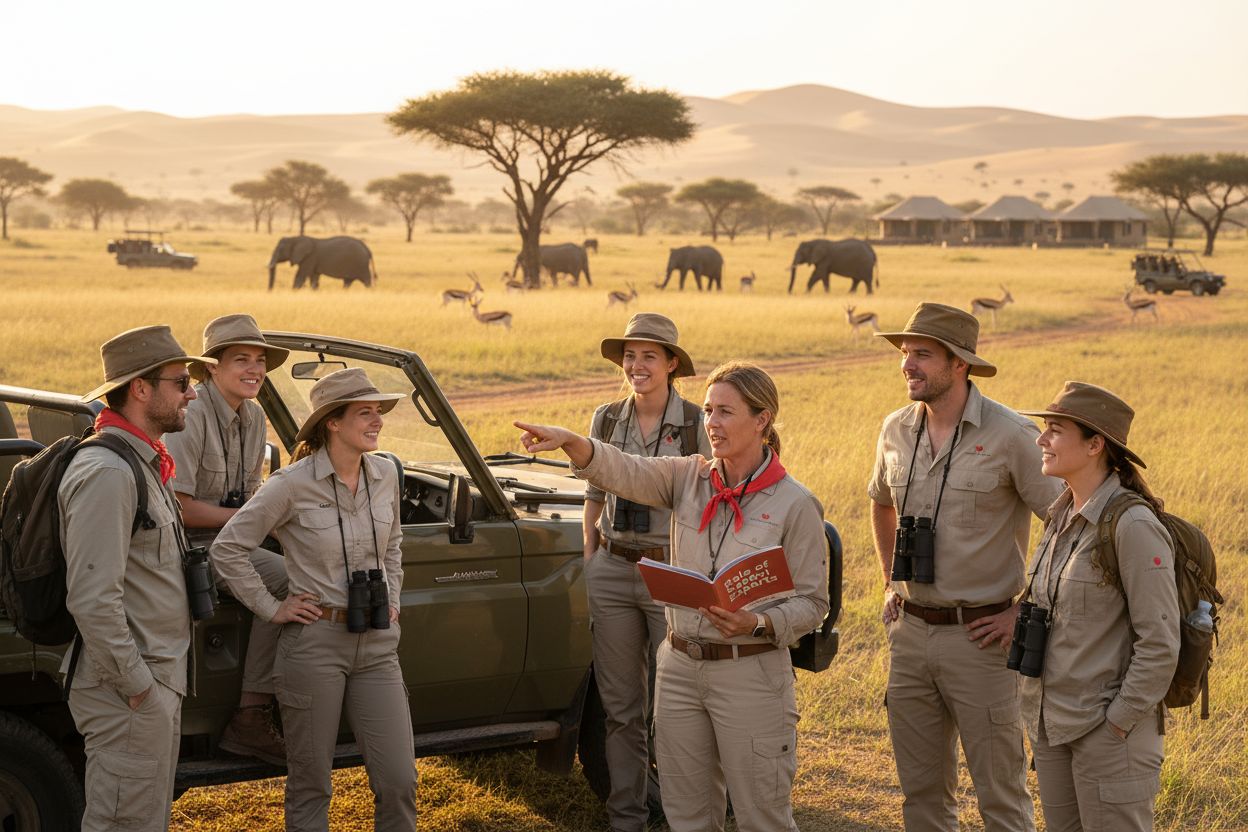
When you picture a safari ranger, you likely imagine someone driving your vehicle through the bush, pointing out lions and elephants. That image captures only a fraction of what these professionals actually do. Rangers are conservation officers first, tasked with protecting vast wilderness areas from threats like poaching, habitat destruction, and human wildlife conflict.
Their daily responsibilities span far beyond escorting guests. Rangers patrol protected areas, monitor endangered species populations, collect critical ecological data, enforce conservation laws, and build relationships with surrounding communities. Southern Africa faces severe conservation pressures, including organized poaching syndicates targeting rhinos and elephants, shrinking wildlife corridors due to agricultural expansion, and increasing resource competition between humans and animals.
Your luxury safari experience directly benefits from this conservation work. When rangers maintain healthy ecosystems and protected populations, you encounter thriving wildlife in natural behaviors. The security they provide allows you to explore remote areas safely. Their deep field knowledge, gained through constant observation and data collection, enriches every interpretation they share during your game drives.
The role of safari in conservation depends entirely on these dedicated professionals. Without rangers actively managing protected areas, the wildlife populations that draw you to Southern Africa would face exponential decline. Their work creates the foundation for sustainable tourism that funds further conservation efforts.
Core ranger duties include:
Conducting daily anti-poaching patrols across vast territories
Recording wildlife sightings and behavior patterns for research databases
Responding to human wildlife conflict situations in buffer zones
Maintaining boundary fences and infrastructure in remote areas
Training community members in conservation practices and sustainable livelihoods
Providing emergency medical response for both wildlife and visitors
Training, skills, and expertise of safari rangers
Becoming a qualified safari ranger requires extensive preparation. Most certification programs run 12 to 24 months, combining classroom instruction with intensive fieldwork. Trainees study wildlife biology, ecology, tracking techniques, conservation law, first aid, weapons handling for dangerous situations, and guest management skills.
The Field Guides Association of Southern Africa (FGASA) sets rigorous standards that most professional rangers meet. Their Level 1 certification covers basic guiding and safety protocols. Level 2 and 3 certifications demand advanced tracking abilities, detailed species knowledge, and demonstrated crisis management experience. Specialized endorsements exist for walking safaris, birding expertise, and specific biomes like desert or marine environments.
Pro Tip: When booking your luxury safari, ask whether guides hold FGASA Level 2 or higher certification to ensure you experience the deepest wildlife insights and safest practices.
Rangers develop remarkable field skills through constant practice. They read animal tracks to determine species, age, direction, and timing. They interpret subtle behavioral cues that predict whether an elephant feels threatened or a leopard prepares to hunt. They identify hundreds of plant species and explain their ecological roles and traditional uses. This expertise transforms random wildlife sightings into coherent ecological stories.
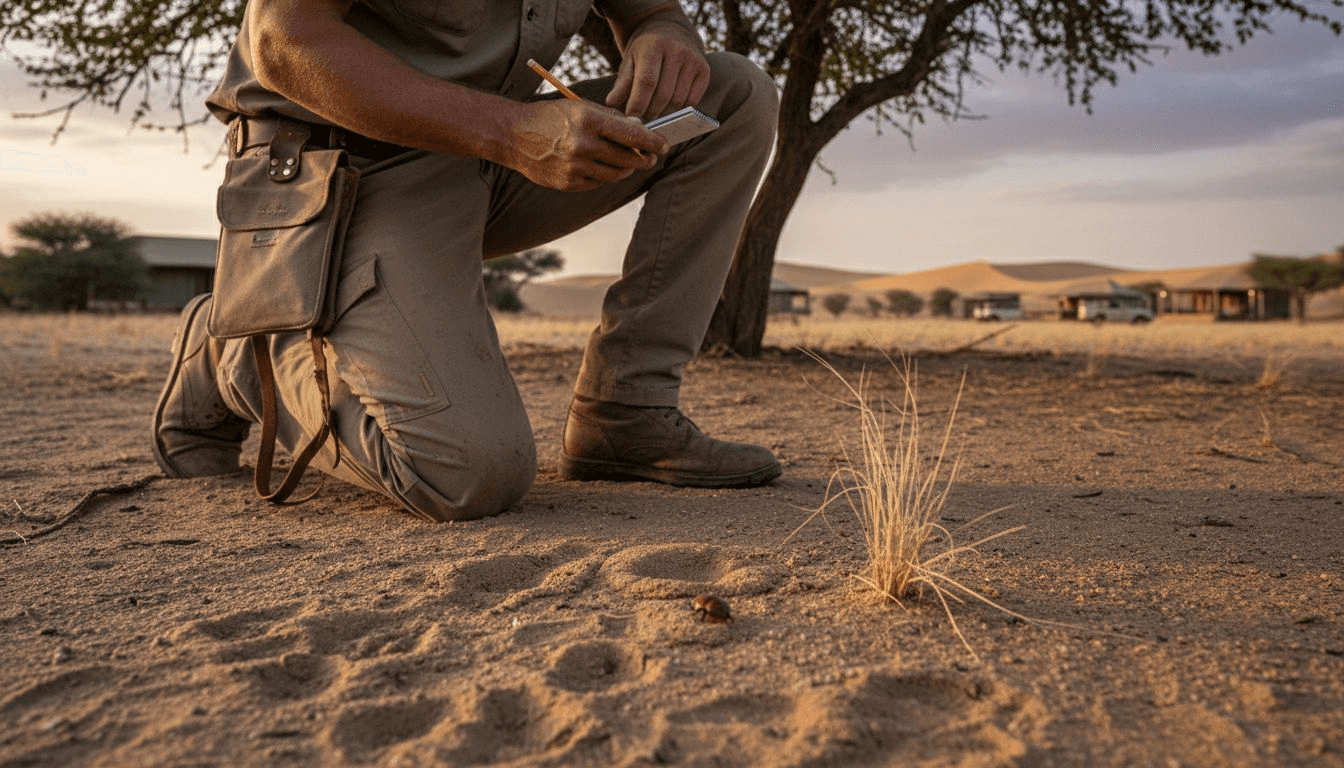
Safari experts training extends beyond technical knowledge to include soft skills crucial for luxury hospitality. Rangers learn to read guest comfort levels, adjust experiences to individual interests, and communicate complex ecological concepts accessibly. The best rangers balance scientific accuracy with engaging storytelling.
Emergency preparedness forms another critical training component. Rangers must handle medical crises, vehicle breakdowns in remote locations, sudden dangerous animal encounters, and extreme weather events. They carry comprehensive first aid kits, maintain radio communication with base camps, and follow established evacuation protocols. This preparation rarely gets noticed, which means it’s working.
Key competencies for professional rangers:
Advanced animal behavior interpretation and threat assessment
Expert tracking across diverse terrain and conditions
Comprehensive first aid and emergency medical response
Conflict resolution between wildlife conservation and community needs
Ecological system analysis and species interdependencies
Cultural sensitivity and multilingual communication skills
Specialist safari guide expertise represents years of accumulated field experience that no classroom can replicate. The rangers who truly excel have spent thousands of hours observing the same ecosystems, recognizing individual animals, and witnessing rare behaviors.
Conservation roles and impact of safari rangers
Anti-poaching efforts consume the majority of ranger field time. Teams patrol on foot, in vehicles, and increasingly with aerial support using drones. They check for snare traps, investigate suspicious activities, and respond to alerts from motion-sensor cameras placed throughout protected areas. This constant vigilance creates a deterrent effect that extends beyond actual enforcement.
Rangers contribute real-time wildlife population data that shapes conservation strategies. Every sighting gets recorded with GPS coordinates, group composition, behavior notes, and environmental conditions. Researchers aggregate this information to track population trends, identify critical habitats, and detect emerging threats before they become crises.
Community outreach represents another vital conservation function. Rangers work with villages bordering protected areas to reduce human wildlife conflict through proven methods like installing beehive fences that deter elephants, creating buffer zones with non-palatable crops, and establishing early warning systems for predator movements. These initiatives build local support for conservation by addressing legitimate community concerns.
Pro Tip: Many lodges offer opportunities to accompany rangers on conservation activities like camera trap checks or community visits, giving you direct insight into their daily work beyond guest guiding.
Conservation Activity | Ranger Contribution | Measurable Impact |
|---|---|---|
Anti-poaching patrols | 60-80 hours weekly per team | 60% reduction in poaching incidents in well-staffed reserves |
Wildlife monitoring | 200+ species observations monthly | Population trend data for 95% of large mammal species |
Snare removal | 50-150 traps detected annually per ranger | Prevents estimated 20-40 animal deaths per removed snare |
Community education | 10-15 village engagements yearly | 40% decrease in retaliatory killings of predators |
Quantified outcomes demonstrate ranger effectiveness. In Namibia’s communal conservancies where ranger presence increased, elephant populations stabilized after decades of decline. Etosha National Park reports that areas with regular ranger patrols show significantly higher wildlife densities than under-patrolled zones. Black rhino numbers in several Southern African countries have risen due to intensive ranger protection, though they remain critically endangered.
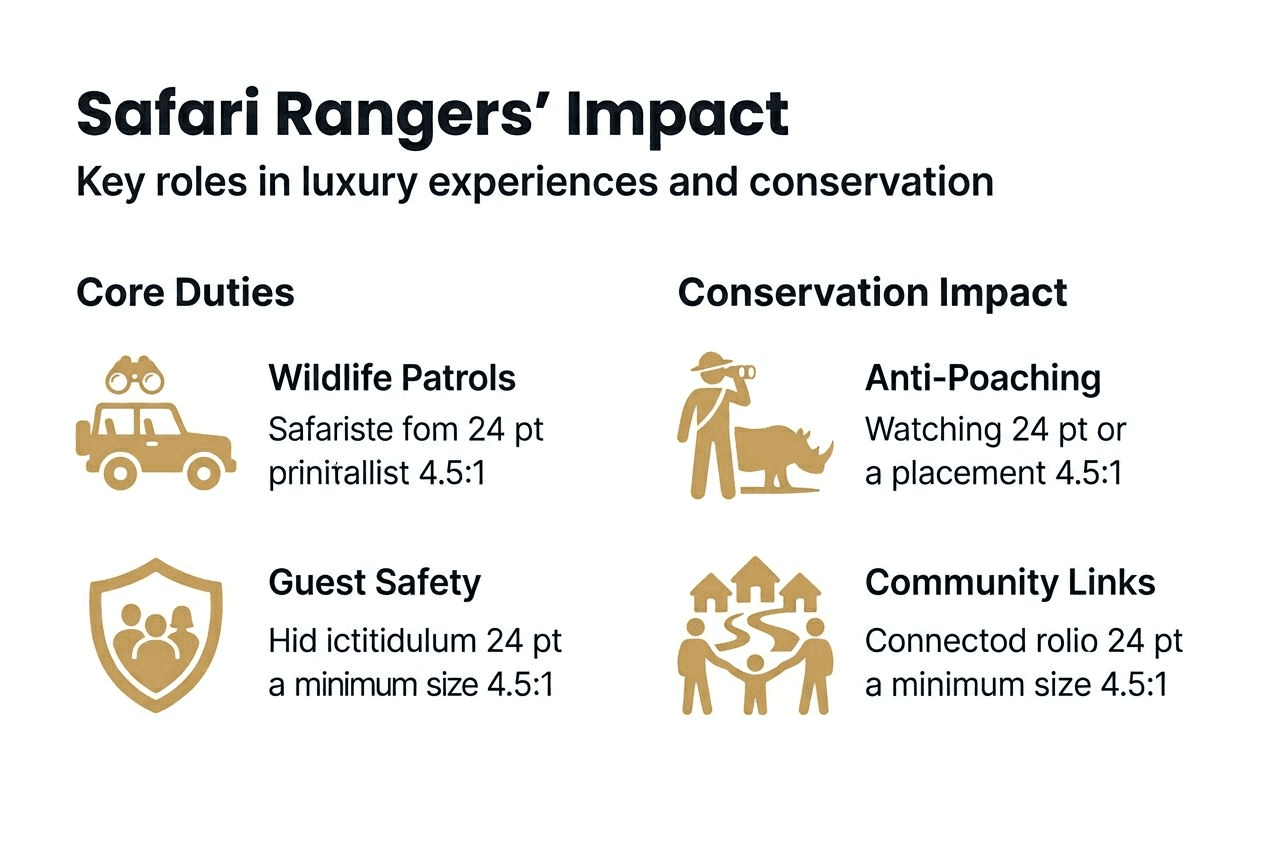
Safari conservation impact multiplies when tourists understand how their visit supports ranger operations. Lodge fees and park entrance charges directly fund ranger salaries, equipment, and training. Your presence justifies continued investment in conservation infrastructure.
You can amplify ranger conservation efforts through several actions:
Choose operators that employ local rangers and invest in their ongoing training
Participate in citizen science programs that contribute data to research databases
Support ranger welfare organizations that provide equipment and family assistance
Share your safari experiences to build awareness of conservation challenges
Respect ranger guidance during wildlife encounters to model responsible behavior
Enhancing guest safety and safari experience
Ranger presence dramatically reduces safety incidents during safaris. Their training in animal behavior allows early detection of potentially dangerous situations. They maintain safe distances from unpredictable species, position vehicles strategically during sightings, and recognize subtle warning signs that precede aggressive behaviors. This expertise operates invisibly until a tense moment passes without incident.
Established safety protocols govern every ranger-led activity. Walking safaris require two armed rangers with complementary sight lines. Vehicle safaris maintain communication networks to share wildlife locations and potential hazards. Night drives use specialized red lights that minimize animal disturbance while allowing clear visibility. These standards evolved from decades of field experience and occasional tragedies that drove improvement.
Beyond preventing problems, rangers actively enrich your safari through skilled interpretation. They explain why buffalo position themselves in particular formations, how termite mounds create micro-ecosystems, what seasonal changes mean for animal movements, and which behavioral patterns indicate upcoming hunts or mating rituals. This running commentary transforms passive observation into active learning.
Maximizing safari experiences depends on ranger ability to read both wildlife and guests. Exceptional rangers notice when you’re particularly interested in birds versus big cats and adjust their focus accordingly. They gauge when you want detailed ecological explanations versus quiet observation time. This personalization elevates luxury safaris above generic wildlife viewing.
Educational engagement creates lasting connections to conservation. When rangers share stories of specific animals they’ve monitored for years, those creatures become individuals rather than generic representatives of their species. When they explain current conservation challenges facing particular ecosystems, abstract environmental concerns become concrete and urgent. This emotional investment often translates into ongoing support for African wildlife protection.
The role of safari guides in luxury Namibian travel extends to creating narrative arcs across multi-day safaris. Skilled rangers build anticipation for sought-after sightings, celebrate rare encounters, and weave individual experiences into a coherent journey of discovery.
Key safety and experience enhancements:
Continuous environmental scanning that detects threats before they materialize
Strategic positioning during wildlife encounters to optimize viewing while maintaining safety buffers
Real-time behavior interpretation that predicts animal actions and prevents dangerous situations
Personalized pacing and focus areas based on individual guest interests and stamina
Storytelling techniques that contextualize sightings within broader ecological narratives
Common misconceptions about safari rangers
Many travelers fundamentally misunderstand what safari rangers actually do. Correcting these misconceptions deepens appreciation for their work and the complexity of African conservation.
Misconception: Rangers primarily guide tourists. Reality: Over 80% of ranger work involves conservation tasks like patrols, monitoring, and community engagement. Guest guiding represents a small fraction of their duties, though it’s the most visible to visitors.
Misconception: Rangers just know where animals hang out. Reality: Wildlife tracking combines scientific knowledge of species behavior, intimate familiarity with specific territories, interpretation of physical signs like tracks and scat, and coordination with other rangers and researchers sharing real-time information.
Misconception: Safety roles are primarily about protecting guests from animals. Reality: Rangers spend equal time protecting wildlife from human threats, mediating conflicts between conservation and community needs, and managing visitor behavior to minimize ecosystem disruption.
Misconception: Anyone who loves nature can become a ranger. Reality: Professional ranger certification requires years of training, regular skills testing, demonstrated field competence, and ongoing education as conservation science evolves.
Misconception: Rangers work standard schedules at lodges. Reality: Conservation rangers often spend weeks in remote bush camps, work irregular hours dictated by wildlife activity patterns, and respond to emergencies regardless of time or conditions.
“Rangers dedicate an average of 60 to 80 hours weekly to field patrols, with less than 10% of that time involving tourist interactions. The remainder focuses on anti-poaching surveillance, wildlife monitoring, and habitat management tasks that tourists never witness.”
These misunderstandings diminish ranger contributions to both conservation and guest experiences. When you recognize their primary commitment to wildlife protection, the time they dedicate to enriching your safari becomes a generous addition rather than their core function.
Challenges faced by safari rangers
Ranger work demands extraordinary physical and mental resilience. Field patrols often involve 20-kilometer walks in extreme heat, carrying heavy equipment including weapons, radios, water, and first aid supplies. They navigate dense bush, cross rivers, and climb rocky terrain while remaining alert for dangerous animals and human threats.
Long separations from family create persistent stress. Rangers working in remote protected areas may spend three weeks in bush camps followed by one week home. This rotation strains relationships and means missing children’s milestones and family emergencies. The isolation compounds during difficult periods.
Direct confrontations with armed poachers expose rangers to serious danger. Poaching syndicates operate with military precision, using high-powered weapons and night-vision equipment. Rangers have been killed in firefights, fallen into poacher traps, and faced retaliatory attacks on their families. This constant threat generates cumulative trauma.
Witnessing wildlife suffering takes a psychological toll. Rangers discover animals killed by poachers, injured in snares, or caught in human-wildlife conflicts. They sometimes must euthanize suffering animals when veterinary help isn’t available. These experiences haunt even the most experienced professionals.
Resource constraints hamper ranger effectiveness despite their dedication. Many parks lack sufficient vehicles, forcing long foot patrols that cover less ground. Communication equipment fails in remote areas. Salaries often barely support families, pushing some rangers toward corruption or forcing them to leave conservation work.
Challenges rangers routinely face:
Extreme weather exposure during multi-day patrols without adequate shelter
Limited medical support when injuries or illnesses occur in remote locations
Insufficient backup when confronting armed intruders in vast territories
Outdated equipment and weapons compared to well-funded poaching operations
Lack of psychological support services to process traumatic experiences
Community hostility in areas where conservation priorities conflict with local livelihoods
Supporting ranger welfare directly strengthens conservation outcomes. Well-equipped, fairly compensated rangers with strong institutional support maintain motivation and effectiveness over long careers. When operators invest in ranger working conditions, they build more resilient conservation systems.
Conclusion: the integral connection between rangers, conservation, and luxury safari fulfillment
Safari rangers occupy the crucial intersection where wildlife conservation meets visitor experience. They are the boots-on-the-ground reality of African conservation, transforming policy into daily action through their patrols, monitoring, and community engagement. Without their constant vigilance, the wildlife populations that define luxury safaris would face accelerated decline.
Your bespoke safari experience rests entirely on ranger expertise and dedication. The safety that allows you to walk among elephants, the thriving populations that produce extraordinary sightings, and the deep insights that transform observation into understanding all stem from their multifaceted work. Recognizing this connection enriches every moment in the bush.
The conservation legacy you leave through safari tourism depends on supporting ranger-led initiatives. Your choice of operators, willingness to pay premium prices that fund proper conservation, and direct support for ranger welfare organizations all contribute to sustaining the professionals who protect Africa’s natural heritage.
Luxury wildlife experiences achieve their full potential when you appreciate the complex web of conservation work that makes them possible. Rangers provide the essential foundation for authentic, responsible, and transformative African safaris.
Ways to honor and support ranger contributions:
Ask lodge staff about specific conservation projects rangers are conducting in the area
Contribute to ranger welfare funds that provide equipment, training, and family support
Share ranger stories and conservation challenges with your network to build awareness
Return for multiple safaris to demonstrate sustained commitment to conservation tourism
Advocate for policies and organizations that prioritize ranger safety and fair compensation
Explore bespoke luxury safaris supported by expert rangers
Experience the difference that professional rangers make on meticulously crafted safari journeys. Secret Namibia’s luxury safari packages feature expert rangers whose deep conservation knowledge and field expertise transform every encounter into an unforgettable learning experience. Our partnerships with premier lodges ensure you benefit from the most skilled and experienced rangers in Southern Africa.
Each bespoke itinerary connects you with rangers actively engaged in critical conservation work across Namibia’s most spectacular landscapes. From Etosha’s vast salt pans to the Namib Desert’s ancient dunes, our carefully selected guides provide unmatched insights into ecosystem dynamics and wildlife behaviors. Discover how luxury wildlife experiences reach new heights when led by rangers committed to both your safety and conservation excellence. Learn about maximizing your safari adventure through expert ranger partnerships that deliver authenticity, education, and unforgettable encounters.
Frequently asked questions about safari rangers
What training do safari rangers undergo?
Professional rangers complete 12 to 24 months of intensive certification through programs like FGASA. Training covers wildlife biology, tracking, first aid, weapons handling, conservation law, and guest management. Many rangers pursue specialized endorsements in walking safaris, birding, or specific ecosystems throughout their careers.
How do rangers contribute to anti-poaching efforts?
Rangers conduct daily patrols on foot and in vehicles, checking for snare traps, monitoring vulnerable species, and responding to security alerts. Their constant presence creates deterrence, while direct interventions remove hundreds of traps annually. Well-staffed reserves show 60% lower poaching rates compared to under-protected areas.
Are safari rangers responsible for guest safety?
Yes, ranger training emphasizes safety protocols for all activities. They assess animal behavior continuously, maintain proper distances, position vehicles strategically, and carry emergency equipment. Their expertise prevents dangerous situations before they develop, making incidents extremely rare on professionally guided safaris.
Can tourists support ranger conservation efforts?
Absolutely. Choose operators employing local rangers, participate in citizen science programs, contribute to ranger welfare organizations, and respect guidance during encounters. Your safari fees directly fund ranger salaries and equipment. Sharing conservation stories builds crucial awareness and support networks.
What challenges do rangers face in remote areas?
Rangers endure extreme weather, long family separations, confrontations with armed poachers, psychological trauma from wildlife suffering, and limited resources. Many work with outdated equipment in vast territories with minimal backup. These hardships demand extraordinary dedication that deserves recognition and support.
Recommended
RELATED
Safari Guides
Oct 30, 2025
Understanding What is Included in Luxury Safaris
Explore what is included in luxury safaris, from exclusive accommodations to bespoke experiences that cater to discerning travelers.
Feb 24, 2026
Why Namibia Adventures Matter: An In-Depth Look
Discover why Namibia adventures are essential for luxury travelers seeking unique, immersive experiences in nature and wildlife exploration.
Feb 23, 2026
What to Expect on a Luxury Safari: A Comprehensive Guide
Discover what to expect on a luxury safari and gain a deeper understanding of the unique experiences that await you in the wild.
Feb 22, 2026
Understanding Namibia Safari Costs Explained
Explore Namibia safari costs explained to uncover what influences pricing and what it means for your adventure.
Feb 21, 2026
Understanding the Role of Safari Experts in Wildlife Travel
Explore the role of safari experts and gain a comprehensive understanding of how they enhance wildlife travel experiences for all types of travelers.
Feb 20, 2026
Guide organisation safari all inclusive : vivez l'aventure de vos rêves
Découvrez notre guide organisation safari all inclusive étape par étape pour planifier un voyage inoubliable au cœur de la nature.