
Feb 25, 2026
Discover the 6 best self-drive safari routes in Namibia for luxury travellers. Learn which routes offer top wildlife, scenic views, and tailored experiences.
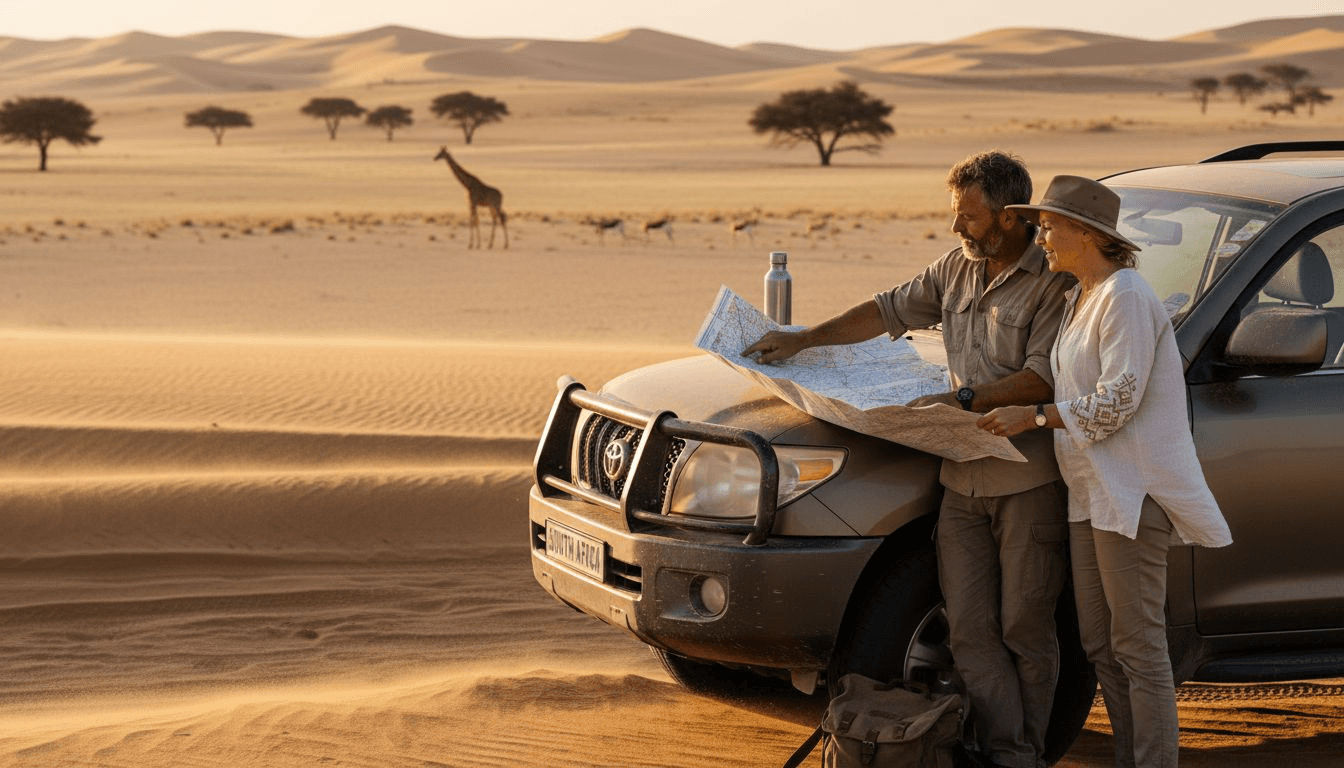
6 Best Self-Drive Safari Routes for Luxury Namibia Trips
Planning a self-drive safari through Namibia can feel overwhelming, especially with so many must-see destinations across such a vast and varied country. Deciding which routes promise the best wildlife sightings, dramatic landscapes, and authentic adventure is no easy task. If you want to make the most of your journey, choosing the right spots is the difference between an ordinary holiday and a truly unforgettable trip.
This guide highlights Namibia's top self-drive safari destinations with practical insights you can actually use. You’ll discover where to find hundreds of mammal and bird species, which areas offer striking red sand dunes, and how to access some of Africa’s most unique landscapes—all at your own pace.
Get ready for detailed advice on unmissable routes, wildlife hotspots, and natural wonders that turn every day behind the wheel into a real adventure.
Table of Contents
Quick Overview
Key Message | Explanation |
|---|---|
1. Self-drive for unique wildlife experiences | Etosha National Park offers incredible wildlife viewing, especially at waterholes, ideal for self-driving safaris. |
2. Plan for remote and rugged adventures | Damaraland and Skeleton Coast require well-equipped vehicles and careful planning for off-road exploration. |
3. Capture stunning desert landscapes | Visit Sossusvlei and Fish River Canyon during sunrise or sunset for dramatic photographic opportunities. |
4. Explore diverse ecosystems in the Zambezi Region | The Zambezi Region provides a distinct wildlife corridor and ecosystem, combining land and river-based exploration. |
5. Prepare for changing weather conditions | Weather can impact travel and comfort; plan visits during optimal seasons for each region. |
1. Explore Etosha National Park for Iconic Wildlife Encounters
Etosha National Park stands as one of Africa's most remarkable wildlife destinations. Located in northwestern Namibia, this vast reserve spans over 22,000 square kilometres and centres on the enormous Etosha Pan, a salt flat that draws wildlife from across the region.
The park's main appeal is straightforward: abundant wildlife viewing opportunities. Over 114 mammal species and more than 400 bird species call Etosha home, including threatened black rhinoceros, lions, elephants, giraffes, zebras, and countless antelope species.
Waterholes become natural gathering points where wildlife congregates. You'll witness elephants drinking alongside zebras, giraffes bending impossibly to reach water, and predators positioning themselves strategically. These concentrated viewing opportunities make Etosha exceptional for self-drive safaris.
Etosha's gravel road network and reliable wildlife congregations at waterholes make it Africa's most accessible park for independent safari explorers.
What makes self-driving here work:
Well-maintained gravel roads connect principal waterhole viewing areas
Multiple camps positioned at key locations allow flexible route planning
Floodlit waterholes at camps enable evening and nighttime wildlife viewing
No vehicle restrictions during daylight hours across main park areas
Clear signage and straightforward navigation reduce complexity
The park's dry season (May to September) concentrates wildlife at waterholes, creating optimal viewing conditions. Your chances of encountering the big five increase substantially during these months. Early mornings and late afternoons yield the most active wildlife behaviour.
Self-drive flexibility lets you spend longer at productive waterhole sites. Unlike guided tours with fixed schedules, you control your pace and can return to particularly rewarding viewing areas. Patient observation often rewards you with rare sightings of nocturnal species at floodlit waterholes.
Planning your Etosha route typically requires 2-3 full days minimum to experience the park's diversity. Many luxury travellers allocate 3-4 days to combine relaxed game viewing with comfortable lodge stays between game-drive sessions.
Pro tip: Start your Etosha self-drive in the southern sector near Namutoni Camp, then progress westward towards Okaukuejo—this route follows natural wildlife movement patterns and increases your chances of dramatic wildlife encounters.
2. Drive the Skeleton Coast for Dramatic Desert Scenery
The Skeleton Coast represents one of Namibia's most visually stunning and historically intriguing self-drive routes. This remote coastal region stretches along the Atlantic Ocean where the Namib Desert meets the sea, creating a landscape of raw, untamed beauty.
What makes this route special is the dramatic contrast between arid desert and ocean. You'll encounter towering sand dunes, windswept beaches littered with shipwrecks, and an otherworldly atmosphere that few places on Earth offer. The isolation itself becomes part of the appeal for luxury travellers seeking authentic wilderness experiences.
The journey demands respect and preparation. This isn't a gentle scenic drive but rather an adventure through one of Africa's harshest coastal environments. The name itself originates from the countless ships that wrecked along this treacherous shore throughout history.
The Skeleton Coast rewards prepared travellers with unforgettable desert and ocean scenery that few global destinations can match.
Why self-drive exploration works here:
Your own pace allows extended photography stops at dramatic viewpoints
Flexible timing lets you explore shipwrecks and abandoned settlements independently
Access to remote beaches and coastal caves restricted from standard tours
Opportunity to experience solitude in one of Africa's most remote regions
Ability to time coastal drives around weather and light conditions
The route typically requires 2-3 days to experience properly. Best things to see at the Skeleton Coast include Cape Cross (home to thousands of seals), Terrace Bay, Henties Bay, and various shipwreck sites dating back centuries.
Essential preparation includes carrying sufficient fuel, water, and supplies. Mobile connectivity is unreliable, making self-sufficiency critical. Your accommodation choices range from basic coastal lodges to luxury desert camps offering gourmet dining and heated pools.
The experience combines raw landscape beauty with historical discovery. You'll see evidence of human attempts to conquer this coast stretching back generations. Abandoned mining settlements, lighthouse structures, and rusting ship hulls tell stories of ambition meeting nature's unforgiving power.
Weather conditions significantly impact your experience. Wind can be intense, temperatures fluctuate dramatically, and fog occasionally rolls inland. These challenging conditions create the very drama that makes the Skeleton Coast so compelling for adventurous travellers.
Pro tip: Travel the Skeleton Coast during the southern African winter months (June to August) when winds are moderate, temperatures are cooler, and visibility remains excellent for photography and coastal exploration.
3. Journey through Damaraland's Untamed Wilderness
Damaraland offers self-drive safari travellers an extraordinary escape into Namibia's least-visited interior wilderness. This rugged region spans dramatic mountain ranges, ancient rock formations, and vast open plains where wildlife roams freely and human presence feels genuinely sparse.
Unlike the popular national parks, Damaraland rewards explorers who venture beyond conventional routes. You'll discover extraordinary geological formations, encounter desert-adapted wildlife, and experience authentic solitude that luxury travellers increasingly value. The landscape shifts constantly from rocky outcrops to sweeping valleys to winding mountain passes.
The terrain demands capable driving skills and vehicle preparation. Many roads are rocky and require higher ground clearance, making a sturdy four-wheel-drive vehicle essential. This physical challenge filters out casual visitors, leaving the wilderness primarily for committed adventurers.
Damaraland's remoteness and geological drama create an unmatched self-drive experience for travellers seeking genuine wilderness over curated safari infrastructure.
Wildlife viewing differs markedly from concentrated waterhole gathering. You'll spot desert-adapted wildlife species including black rhinoceros, elephants, mountain zebras, and unique antelope species. Sightings feel earned through patient exploration rather than driven by predictable patterns.
Key attractions on your route:
Spitzkoppe, a dramatic granite peak rising dramatically from flat plains
Petrified Forest with ancient tree trunks turned to stone millions of years ago
Brandberg Mountain, Namibia's highest point, offering spectacular hiking opportunities
Rock formations at Twyfelfontein with thousands of San rock engravings
Kumene River Canyon cutting through remote landscape
Accommodation in Damaraland ranges from small, intimate lodges to exclusive desert camps. Many establishments offer minimal light pollution, making stargazing a memorable evening activity. The isolation means excellent food and wine service becomes particularly valued.
Planning typically requires 3-4 days to experience the region meaningfully. Early starts allow maximum daylight for exploring scattered attractions. Your pacing remains entirely flexible, allowing extended photography sessions at dramatic viewpoints.
Water and fuel availability require careful planning. Petrol stations are scarce, and services minimal, making self-sufficiency critical. Stock supplies at larger towns before entering the region.
Pro tip: Schedule your Damaraland journey during shoulder seasons (April-May or September-October) when temperatures remain moderate, vegetation is greener, and wildlife concentrates around water sources without the peak summer heat.
4. Discover Sossusvlei's Striking Dunes and Landscapes
Sossusvlei stands as one of the world's most visually arresting desert destinations. Located within Namibia's Namib-Naukluft National Park, this salt and clay pan is surrounded by some of Earth's tallest red sand dunes, creating a landscape that transforms your understanding of desert beauty.
The dunes reach extraordinary heights. Some tower over 300 metres above the surrounding terrain, making them among the world's highest. These massive sand dunes formed over millions of years from wind-blown sediment that accumulated into dramatic formations shaped by opposing coastal and interior winds.
The distinctive red colour comes from iron oxidation in the sand. This oxidisation creates the striking orange-red hue that photographs capture so vividly. The contrast between brilliant blue skies and rust-coloured dunes makes every moment feel cinematically dramatic.
Sossusvlei's combination of towering dunes and surrounding geological drama makes it the most photographed landscape in Namibia and one of the world's most stunning self-drive destinations.
Your self-drive approach shapes the experience entirely. Unlike guided tours with fixed viewpoints, you control timing, pacing, and exploration depth. Early morning visits offer soft light and minimal crowds, whilst afternoon drives capture dramatic shadows across dune faces.
What makes self-driving essential here:
Access to remote viewpoints and dune-climbing locations inaccessible to tour groups
Flexibility to return to favourite vistas during different light conditions
Extended photography time without tour schedule constraints
Opportunity to explore neighbouring dunes and geological features independently
Ability to time visits around weather patterns and visibility
The pan itself occasionally fills with water during rare floods, creating remarkable contrasts between blue water and red dunes. Migratory birds arrive during these wet periods, adding wildlife dimension to the landscape.
Exploring the best sand dunes of Sossusvleirequires planning. Big Daddy dune offers strenuous but rewarding climbing experiences. Deadvlei provides otherworldly scenery with ancient acacia trees against towering dunes.
Accommodation ranges from luxury desert lodges offering gourmet service to more modest facilities. Many establishments provide excellent stargazing opportunities due to minimal light pollution. The remoteness means quality dining and relaxation become particularly valued after daytime exploration.
Planning typically requires 2-3 days to experience Sossusvlei properly. Early starts allow maximum daylight for climbing and photography. Vehicle rental options in nearby towns offer four-wheel-drive vehicles suitable for sand driving.
Pro tip: Visit Sossusvlei during sunrise hours (arrive before 6am) when light colours are softest, shadows are longest, and crowds remain minimal, creating optimal conditions for photography and dune exploration.
5. Experience the Zambezi Region's Waterways and Wildlife
The Zambezi Region represents Namibia's most water-rich safari destination. Located in the country's northeastern corner, this lush landscape contrasts dramatically with Namibia's arid interior, offering self-drive explorers a completely different ecosystem experience alongside traditional desert adventures.
Waterways define the entire experience. The Zambezi and Kavango rivers create ribbons of life through surrounding forests and wetlands, sustaining extraordinary wildlife concentrations. Unlike dry season waterholes, these permanent water sources support year-round wildlife abundance and vibrant vegetation.
The region functions as a critical wildlife corridor. The Kavango Zambezi Transfrontier Conservation Area spans multiple countries and facilitates elephant migrations and other species movements across borders. This conservation approach means you're witnessing natural wildlife patterns rather than concentrated artificial gatherings.
The Zambezi Region's permanent waterways and transboundary conservation make it Africa's most dynamic wildlife corridor, offering self-drive explorers genuine ecosystem diversity within single trips.
Self-driving here differs from traditional safari patterns. You'll combine land-based game drives with river experiences, encountering wildlife in their natural riparian habitats. Boat excursions along the Zambezi and Kavango rivers provide unique perspectives impossible from vehicles.
Wildlife viewing advantages:
Permanent water sources attract diverse species throughout the year
River-based exploration adds dimension to land-based game driving
Forest ecosystems support different species than open plains
Seasonal flooding patterns create varied habitats and opportunities
Lower tourist density compared to flagship parks
The Zambezi State Forest Reserve functions as a biodiversity hotspot supporting rare and endemic species. Forest drives offer opportunities to spot antelope species, birdlife, and occasionally larger predators. The vegetation density creates intimate wildlife encounters feeling distinctly different from open-plains viewing.
Accommodation options range from riverside lodges offering water-based excursions to bush camps with guided land-based exploration. Many facilities combine luxury service with authentic wilderness experiences. River-view accommodation creates memorable evening atmospheres with sounds of wildlife activity.
Planning requires 3-4 days minimum to experience the region meaningfully. The wet season (November to March) brings lush vegetation and migratory bird arrivals. The dry season (May to September) concentrates wildlife whilst offering comfortable travelling conditions.
Road conditions vary throughout the region. Some routes require four-wheel-drive vehicles, whilst others accommodate standard high-clearance vehicles. Local guides prove invaluable for navigating seasonal road conditions and optimising wildlife viewing opportunities.
Pro tip: Combine land-based self-driving with professional river excursions to experience Zambezi's full ecosystem diversity, capturing both terrestrial and aquatic wildlife viewing in one trip.
6. Venture into the Fish River Canyon for Epic Vistas
The Fish River Canyon represents a geological masterpiece that defines southern Namibia's landscape. Africa's largest canyon and the world's second largest, this massive geological formation stretches approximately 160 kilometres and plunges nearly 550 metres deep, creating vistas that inspire awe in every traveller.
The canyon's sheer scale demands respect. The Fish River carved through ancient metamorphic rocks over millions of years, sculpting dramatic rock formations, colourful geological layers, and intricate patterns visible only from elevated viewpoints. Each angle reveals different geological stories etched into the canyon walls.
Self-driving to the canyon offers flexibility that guided tours cannot match. You control timing, allowing sunrise and sunset visits when light transforms the canyon into a photographer's paradise. Multiple viewpoints scattered along the rim provide varied perspectives of the same magnificent landscape.
Fish River Canyon's epic scale and geological drama make it an essential self-drive destination, offering experiences that define Namibian wilderness adventure.
The canyon functions as part of the |Ai-ǀAis/Richtersveld Transfrontier Park, protecting diverse arid-adapted flora and fauna. Wildlife viewing here differs from traditional safaris but rewards patient observation with unique species encounters. Raptors soar through thermal currents whilst desert-adapted mammals navigate the rocky terrain.
Why self-driving suits this destination:
Flexibility to visit multiple viewpoints at your preferred pace
Ability to time visits for optimal photography light conditions
Independence to explore lesser-visited canyon sections
Option to combine viewpoint visits with hiking opportunities
Control over itinerary duration and route sequencing
Hiking the Fish River Canyonoffers immersive canyon experiences for adventurous travellers. Multi-day treks descend into the canyon floor, providing perspectives impossible from rim viewpoints. Day hikes from accessible points offer substantial canyon exploration without overnight commitments.
Accommodation near the canyon ranges from basic camp facilities to luxury lodges offering gourmet service. Many establishments sit strategically positioned to capture sunrise and sunset views. The remoteness ensures peaceful evenings with minimal light pollution and abundant stargazing opportunities.
Planning typically requires 1-2 full days dedicated to canyon exploration. The drive from Windhoek requires 6-7 hours, making the canyon ideal as a trip's conclusion or beginning. Early morning arrivals maximise daylight for viewpoint exploration and photography.
Weather considerations matter significantly. Summer temperatures soar dramatically in the canyon, whilst winter months offer comfortable exploring conditions. Afternoon winds can be substantial, affecting photography and comfort during rim walks.
Pro tip: Schedule your Fish River Canyon visit during early morning hours (6am-9am) to capture soft light on canyon walls, avoid afternoon winds, and photograph dramatic shadows extending across geological formations.
Below is a comprehensive table summarizing the noteworthy self-drive routes and destinations highlighted in the article.
Destination | Unique Features | Key Benefits |
|---|---|---|
Etosha National Park | Iconic wildlife encounters centred around its salt pans and waterholes. | Abundant wildlife viewing opportunities, especially during the dry season. |
Skeleton Coast | Dramatic landscape where desert meets ocean, featuring shipwrecks and windswept beaches. | Flexibility for photography, solitude, and exploration along the coast. |
Damaraland | Rugged wilderness with geological formations and desert-adapted wildlife. | Authentic solitude and unique attractions such as Spitzkoppe and Twyfelfontein. |
Sossusvlei | Stunning landscapes dominated by towering red sand dunes formed over millions of years. | Opportunities for flexible dune exploration and dramatic photography. |
Zambezi Region | Water-rich environment characterised by permanent rivers and lush vegetation. | Year-round wildlife observation and combined aquatic and land-based safaris. |
Fish River Canyon | Africa's largest canyon, offering spectacular geological features and multi-day hiking routes. | Flexible visits to various viewpoints with advantages for photography. |
Unlock Namibia's Premier Self-Drive Safari Experiences with Expert Guidance
Navigating Namibia's vast and diverse landscapes brings unique challenges such as route planning across regions like Etosha, Damaraland, and the Skeleton Coast while balancing adventure with luxury comforts. This article highlights the need for a flexible, well-prepared approach to self-drive safaris that combines freedom with insider knowledge of the best times, routes, and hidden gems. Whether your goal is to witness iconic wildlife congregations at floodlit Etosha waterholes or capture dramatic sunrise hues on Sossusvlei's towering dunes, having a personalised itinerary that matches your pace and interests is essential.
At Secret Namibia, we transform these ambitions into seamless reality by offering bespoke safari planning tailored to luxury travellers who seek authentic wilderness immersion alongside exclusive comfort. Benefit from detailed local insights, expert trip design for remote regions like Fish River Canyon and the Zambezi, plus vehicle and accommodation arrangements that remove the stress of logistics. Explore our custom itinerary service to unlock Namibia's best self-drive routes with confidence and style.
Experience the magic of controlling your safari journey on your own terms while enjoying premium support and personalised touches. Start crafting your dream Namibia self-drive safari today with Secret Namibia and make those iconic wildlife encounters and breathtaking landscapes unforgettable. Visit us now and take the first step towards a luxury adventure that is entirely your own.
Frequently Asked Questions
What are the best self-drive safari routes in Namibia for luxury trips?
The top self-drive safari routes include Etosha National Park, the Skeleton Coast, Damaraland, Sossusvlei, the Zambezi Region, and the Fish River Canyon. Each route offers unique landscapes, wildlife viewing opportunities, and luxury accommodation options. Plan your itinerary to explore these routes, allocating adequate time for each destination to maximise your experience.
How can I maximise wildlife viewing opportunities on a self-drive safari in Etosha?
To maximise wildlife viewing in Etosha, visit during the dry season from May to September when animals gather at waterholes. Schedule outings in the early morning and late afternoon for the best chances of seeing active wildlife. Aim to spend 2-3 days in the park to fully appreciate its diverse habitats and species.
What do I need to prepare for a self-drive adventure along the Skeleton Coast?
Prepare for a self-drive along the Skeleton Coast by ensuring your vehicle has sufficient fuel, water, and supplies, as services can be scarce. Familiarise yourself with the road conditions and pack for varying weather, including intense wind and temperature fluctuations. Plan your trip over 2-3 days to explore key attractions, such as Cape Cross and shipwreck sites.
How long should I plan to spend in Damaraland for a meaningful experience?
Plan to spend 3-4 days in Damaraland to explore its rugged terrain and geological wonders thoroughly. Focus on visiting key attractions like Spitzkoppe and Twyfelfontein while allowing for flexible pacing to enjoy solitary landscapes and wildlife sightings. Verify your vehicle’s off-road capability, as many routes require a four-wheel-drive vehicle.
What is the best time to visit Sossusvlei for stunning photography?
The best time for photography in Sossusvlei is during sunrise, when the soft light and minimal crowds create optimal conditions. Arrive before 6am to capture the early light on the towering sand dunes and avoid the intense heat of the day. Plan to spend 2-3 days to explore various dunes and viewpoints in the area, allowing ample time for climbing and photography.
How can I access water-based wildlife experiences in the Zambezi Region?
Access water-based wildlife experiences in the Zambezi Region by taking guided boat excursions along the Zambezi and Kavango rivers, which will allow for a different perspective on wildlife. Combine these boat trips with land-based game drives for a comprehensive experience of the region’s ecosystems. Plan for a minimum of 3-4 days to explore this diverse area effectively.
Recommended
RELATED
Safari Guides
Oct 30, 2025
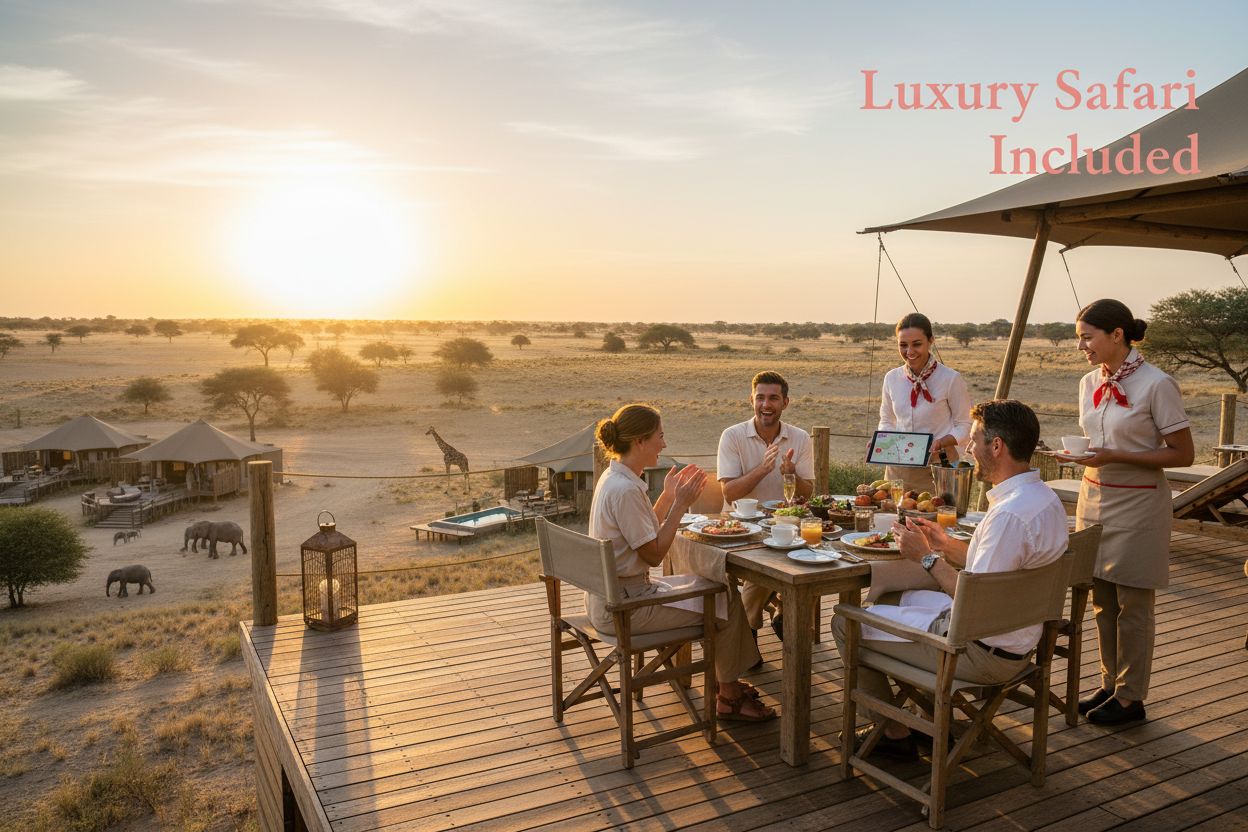
Understanding What is Included in Luxury Safaris
Explore what is included in luxury safaris, from exclusive accommodations to bespoke experiences that cater to discerning travelers.
Feb 24, 2026
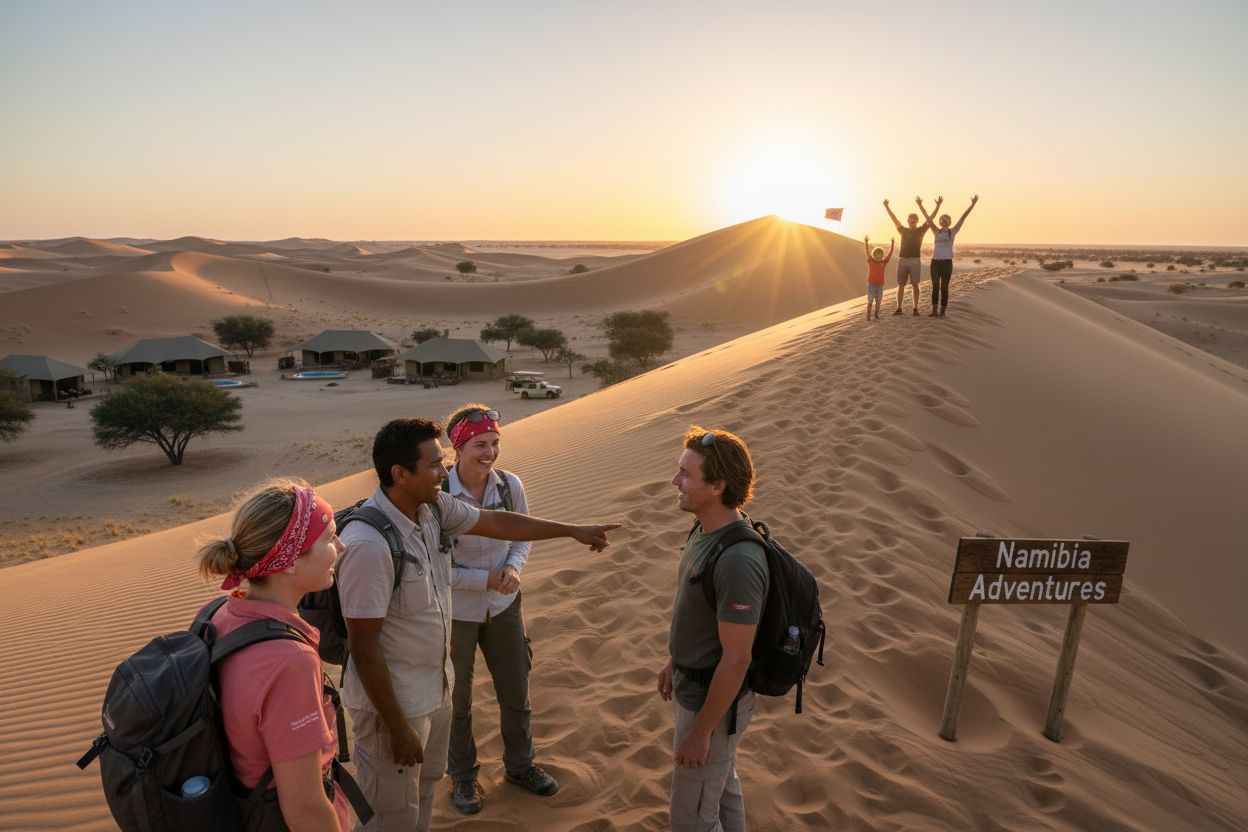
Why Namibia Adventures Matter: An In-Depth Look
Discover why Namibia adventures are essential for luxury travelers seeking unique, immersive experiences in nature and wildlife exploration.
Feb 23, 2026
What to Expect on a Luxury Safari: A Comprehensive Guide
Discover what to expect on a luxury safari and gain a deeper understanding of the unique experiences that await you in the wild.
Feb 22, 2026
Understanding Namibia Safari Costs Explained
Explore Namibia safari costs explained to uncover what influences pricing and what it means for your adventure.
Feb 21, 2026
Understanding the Role of Safari Experts in Wildlife Travel
Explore the role of safari experts and gain a comprehensive understanding of how they enhance wildlife travel experiences for all types of travelers.
Feb 20, 2026
Guide organisation safari all inclusive : vivez l'aventure de vos rêves
Découvrez notre guide organisation safari all inclusive étape par étape pour planifier un voyage inoubliable au cœur de la nature.