
2025年8月21日
Discover the 7 top national parks Namibia has to offer. Learn practical safari tips, unique highlights, and must-see wildlife in each park for your next adventure.
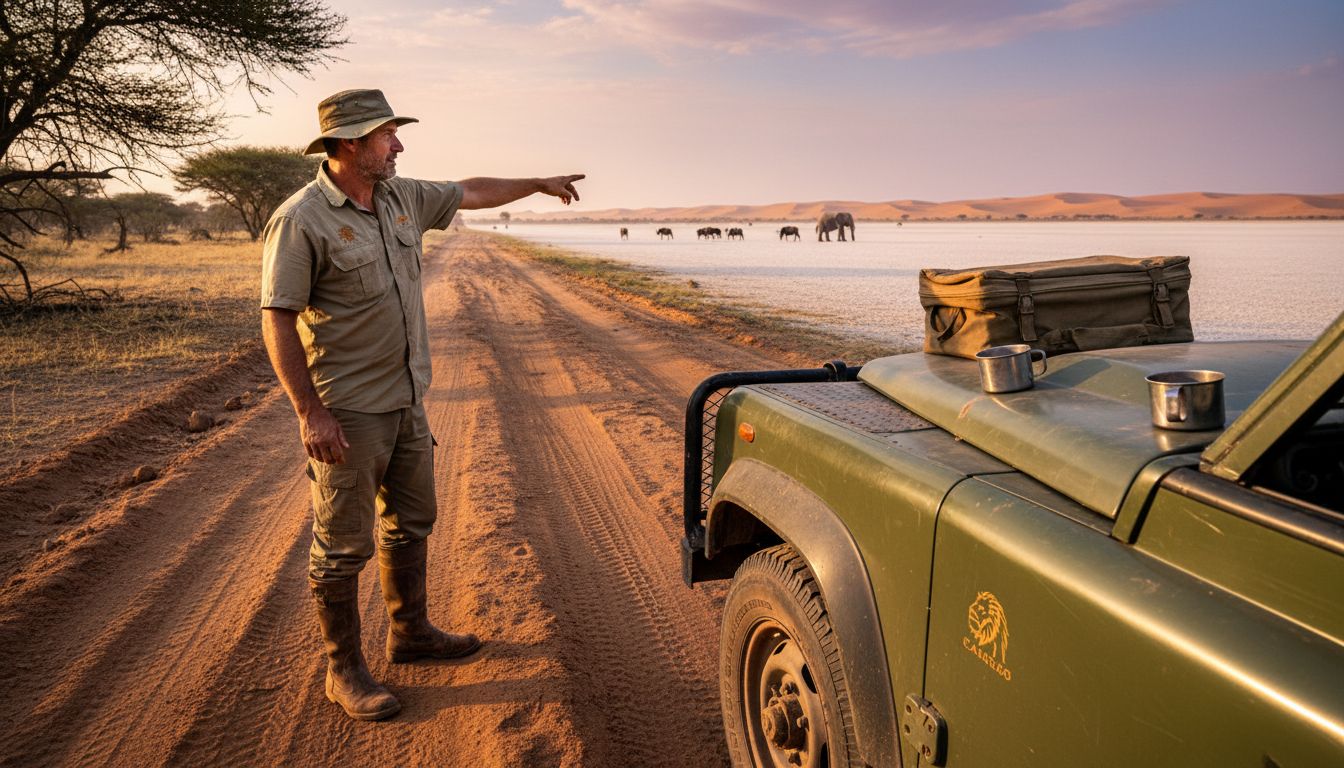
7 Top National Parks Namibia: Essential Guide for Travellers
Over 80 percent of travellers to Namibia rank its national parks among their top destinations, and it is easy to see why. From the extraordinary wildlife of Etosha National Park to the surreal dunes of Namib-Naukluft, these southern African wonders captivate adventurers and nature lovers alike. Whether you are a devoted birdwatcher or eager to spot elusive predators, this guide highlights the best of Namibia’s protected landscapes through a distinctly south-african lens.
Table of Contents
1. Discover Etosha National Park’s Iconic Wildlife
2. Explore the Dunes of Namib-Naukluft National Park
3. Take in the Dramatic Scenery at Fish River Canyon Park
4. Experience the Wilds of Bwabwata National Park
5. Unwind in the Seclusion of Skeleton Coast Park
6. Spot Exotic Birds at Waterberg Plateau Park
7. Adventure in Mudumu National Park’s Wetlands
Quick Summary
Key Insight | Explanation |
|---|---|
1. Etosha National Park offers spectacular wildlife encounters | Visitors can see the Big Four and other mammal species, particularly around waterholes during the dry season. |
2. Namib-Naukluft boasts unique desert landscapes | The park is famous for its towering dunes and diverse geological formations, appealing to adventurous travellers. |
3. Fish River Canyon provides breathtaking geological views | Explore stunning viewpoints and hiking trails through one of Southern Africa’s most dramatic landscapes. |
4. Bwabwata National Park is a vital wildlife corridor | The park connects ecosystems between Angola and Botswana, promoting transboundary conservation efforts. |
5. Waterberg Plateau Park is a birdwatching haven | Hosts over 200 bird species in varying habitats, making it an ideal location for bird enthusiasts. |
1. Discover Etosha National Park’s Iconic Wildlife
Etosha National Park represents a wildlife sanctuary of extraordinary diversity and significance in Southern Africa. Spanning 22 270 square kilometres, this remarkable landscape offers travellers an unparalleled opportunity to witness some of the most spectacular animal populations on the continent.
The park is globally recognised for hosting an incredible array of mammalian species, with a remarkable 114 mammal species calling this ecosystem home. Visitors can expect extraordinary wildlife encounters, particularly with the Big Four animals: elephants, lions, leopards, and both black and white rhinoceroses.
Wildlife enthusiasts will be captivated by the park’s numerous waterholes, which attract massive herds of zebra, springbok, and oryx. These gathering points provide spectacular opportunities for wildlife observation and photography. The park is especially significant for conservation, supporting a healthy population of endangered black rhinoceroses.
What makes Etosha truly unique is its ability to concentrate wildlife around strategic water sources, creating natural viewing platforms for visitors. The dry season particularly transforms these waterholes into vibrant wildlife theatres, where animals congregate and interact in mesmerising displays of survival and social dynamics.
For travellers seeking an authentic and immersive wildlife experience, Etosha National Park offers an unmatched window into the complex and breathtaking world of Southern African wildlife. Prepare to be amazed by nature’s grand spectacle in one of the world’s most remarkable national parks.
2. Explore the Dunes of Namib-Naukluft National Park
Namib-Naukluft National Park represents a breathtaking landscape where extraordinary geological formations converge to create one of the world’s most spectacular desert environments. The park encompasses Namibia’s largest conservation area, offering travellers an unparalleled journey through remarkable terrain.
The park’s most iconic feature is the towering sand dunes of Sossusvlei, which display an extraordinary palette of colours ranging from warm apricot to deep maroon. These massive dunes are sculpted by powerful multi-directional winds, creating dynamic landscapes that shift and transform continuously. Unique Dune Formations include barchan, linear, star, and transverse dunes, each telling a fascinating story of geological processes.
Visitors can explore diverse landscapes beyond the sand sea, including the imposing Sesriem Canyon and the rugged Naukluft Mountains. The region’s exceptional natural beauty is further enhanced by its extraordinary visibility during daytime and the stunning southern hemisphere night sky.
What makes the Namib-Naukluft truly exceptional is its status as a coastal fog desert, where atmospheric conditions create a unique ecosystem supporting remarkable adaptations. The Namib Sand Sea represents a landscape of outstanding universal value, recognised for its extraordinary geological and ecological significance.
For adventurous travellers, this national park offers more than just visual spectacle. It provides an immersive experience into one of the world’s most distinctive and resilient natural environments, where each grain of sand tells a story of wind, time, and geological transformation.
3. Take in the Dramatic Scenery at Fish River Canyon Park
Fish River Canyon represents one of the most spectacular geological marvels in Southern Africa, offering travellers an unparalleled opportunity to witness the extraordinary power of natural landscape formation. This magnificent canyon has been carved by the Fish River over millions of years, creating a dramatic terrain that challenges and inspires visitors.
Stretching across an impressive landscape, the canyon reveals a rugged terrain that tells a profound geological story. Geological Significance of the canyon lies in its immense scale and the intricate processes that shaped its dramatic contours. Visitors can explore multiple viewpoints that offer breathtaking panoramic vistas, each perspective revealing a different aspect of this remarkable natural wonder.
For adventurous travellers, the Fish River Hiking Trail presents an extraordinary challenge. Spanning approximately 85 kilometers through the canyon’s depths, this multi-day trek offers an immersive journey through some of Namibia’s most dramatic landscapes. Hikers will encounter challenging terrain, unique rock formations, and an intimate connection with the raw beauty of the natural environment.
The canyon’s geology provides a stunning canvas of earthy tones, with rock layers revealing millions of years of geological history. From steep cliff faces to winding river paths, the landscape offers a remarkable testament to the transformative power of water and geological processes.
Visitors seeking to experience this natural marvel should prepare for an unforgettable encounter with one of Namibia’s most iconic landscapes. Whether you are a geology enthusiast, a photography lover, or an adventure seeker, Fish River Canyon promises an experience that will leave an indelible mark on your travel memories.
4. Experience the Wilds of Bwabwata National Park
Bwabwata National Park emerges as a critical wildlife sanctuary in northeastern Namibia, representing a remarkable conservation landscape that bridges multiple ecosystems. This extraordinary park serves as a vital wildlife corridor connecting Angola and Botswana, offering visitors an unparalleled glimpse into the intricate web of wildlife interactions.
The park boasts an incredibly Diverse Wildlife Ecosystem that supports numerous species including elephants, lions, leopards, and multiple antelope varieties. Birdwatchers will find themselves in paradise, with the park hosting an exceptional array of avian species that contribute to its rich ecological tapestry.
What makes Bwabwata truly special is its role in transboundary conservation. The park represents more than just a protected area it symbolises an international commitment to preserving wildlife habitats that transcend political boundaries. Visitors can witness the dynamic interactions between different animal populations, observing how these species navigate and thrive in this interconnected landscape.
The terrain offers visitors multiple opportunities for wildlife observation, from guided safari drives to specialised photography expeditions. Each journey through the park provides a unique perspective on the delicate balance of nature, showcasing the intricate relationships between predators, prey, and their environment.
For travellers seeking an authentic wildlife experience, Bwabwata National Park offers an immersive journey into the heart of Southern African wilderness. The park stands as a testament to the importance of conservation efforts and the remarkable biodiversity of the region.
5. Unwind in the Seclusion of Skeleton Coast Park
Skeleton Coast Park represents one of Namibia’s most enigmatic and isolated wilderness areas, offering travellers an extraordinary escape into a landscape of profound solitude and raw natural beauty. This extraordinary coastal region stretches along Namibia’s northern coastline, presenting visitors with a mesmerising environment characterised by dense fogs, dramatic shipwrecks, and extraordinary geological formations.
The park is renowned for its Unique Coastal Ecosystem, featuring remarkable attractions such as the Cape Cross Seal Reserve, home to one of the world’s largest Cape fur seal colonies. Visitors can explore extraordinary landscapes that seem almost otherworldly, with stark desert terrain meeting the tumultuous Atlantic Ocean in a breathtaking display of natural contrast.
Geological enthusiasts will be captivated by the Clay Castles, natural rock formations sculpted through millennia of erosive processes. The Hoarusib River provides another spectacular highlight, offering scenic vistas and opportunities to observe desert adapted wildlife that has learned to survive in this unforgiving environment.
The park’s desolate beauty is characterised by its sense of isolation, with misty coastlines and abandoned shipwrecks telling stories of maritime challenges. Travellers seeking a truly unique wilderness experience will find the Skeleton Coast an unparalleled destination that challenges conventional perceptions of landscape and survival.
For those yearning to disconnect from the world and immerse themselves in pure, untouched wilderness, Skeleton Coast Park offers an unrivalled journey into one of Southern Africa’s most mysterious and captivating landscapes.
6. Spot Exotic Birds at Waterberg Plateau Park
Waterberg Plateau Park represents a premier destination for bird enthusiasts seeking an extraordinary wildlife experience in the heart of Namibia. This remarkable conservation area hosts an impressive diversity of over 200 bird species, offering visitors an unparalleled opportunity to explore an incredibly rich avian ecosystem.
The park’s unique topography creates Exceptional Birdwatching Conditions, with its distinctive plateau and varied habitats providing ideal environments for both resident and migratory bird populations. Visitors can expect remarkable encounters with rare and exotic species such as the Rüppell’s parrot, Bradfield’s hornbill, and the elusive peregrine falcon.
Trails and strategically positioned viewpoints throughout the park enable close observation of fascinating bird species. Birdwatchers will delight in spotting remarkable inhabitants like the violet wood-hoopoe, Monteiro’s hornbill, and the charming white-tailed shrike. Each trail offers a different perspective and opportunity to witness these remarkable creatures in their natural habitat.
The park’s conservation efforts have created a sanctuary that supports not just bird diversity but also provides critical breeding and nesting environments for numerous species. By protecting these ecosystems, Waterberg Plateau Park ensures that future generations can continue to marvel at Namibia’s extraordinary avian life.
For travellers passionate about wildlife and ornithology, Waterberg Plateau Park promises an unforgettable journey into the vibrant world of Southern African birdlife, where every trail and viewpoint offers a potential moment of remarkable discovery.
7. Adventure in Mudumu National Park’s Wetlands
Mudumu National Park emerges as a hidden gem in Namibia’s Zambezi Region, offering travellers an extraordinary journey through a vibrant wetland ecosystem. This remarkable conservation area encompasses extensive riverine forests and floodplains that create a lush habitat supporting an incredible diversity of wildlife.
The park’s Diverse Ecosystem provides sanctuary to an impressive array of animals, including massive elephant herds, hippos, crocodiles, and a remarkable variety of bird species. Visitors can immerse themselves in this rich environment through multiple adventure experiences, each offering a unique perspective on the park’s extraordinary biodiversity.
Adventure seekers will find multiple opportunities to explore the park’s natural wonders. Boat safaris along the Kwando River offer intimate encounters with wildlife, allowing travellers to observe animals from a distinctive vantage point. Guided game drives and trail explorations provide alternative ways to discover the park’s intricate ecological networks.
The wetland landscape creates a dynamic environment where wildlife interactions become a spectacular daily performance. From watching elephants bathing in river channels to observing crocodiles basking on riverbanks, every moment in Mudumu National Park promises an unforgettable wildlife experience.
For travellers seeking an authentic African wilderness adventure, Mudumu National Park represents a pristine destination where natural beauty, wildlife diversity, and untouched landscapes converge to create memories that will last a lifetime.
Below is a comprehensive table summarising Southern Africa’s key national parks, highlighting their unique features and wildlife significance as discussed in the article.
National Park | Unique Features | Wildlife & Ecosystem |
|---|---|---|
Etosha National Park | Waterholes attracting Big Four, zebras, springbok | 114 mammal species including endangered black rhinoceroses |
Namib-Naukluft National Park | Iconic Sossusvlei dunes, varied geological forms | Coastal fog desert with unique adaptations |
Fish River Canyon Park | Dramatic geological formations, hiking opportunities | Rugged terrain showcasing water’s transformative power |
Bwabwata National Park | Wildlife corridor connecting Angola and Botswana | Diverse ecosystem with elephants, lions, leopards |
Skeleton Coast Park | Unique coastal ecosystem, shipwrecks, & dense fogs | Cape Cross Seal Reserve, dramatic natural contrasts |
Waterberg Plateau Park | Exceptional birdwatching, varied plateau habitats | Over 200 bird species including rare and exotic varieties |
Mudumu National Park | Vibrant wetland ecosystem with riverine forests | Elephants, hippos, crocodiles, diverse birdlife |
Unlock the Secrets of Namibia’s Top National Parks with Expert Safari Planning
Exploring Namibia’s iconic national parks such as Etosha, Namib-Naukluft, and Fish River Canyon offers breathtaking encounters with wildlife and dramatic landscapes. Yet planning a bespoke safari that captures these outstanding experiences while ensuring comfort and immersive adventure can be overwhelming. Common challenges include coordinating self-drive routes, securing luxury accommodations, and tailoring activities that match your unique interests, from spotting endangered black rhinoceroses to navigating the rugged Fish River hiking trail.
Discover how Secret Namibia transforms your travel dreams into reality through personalised safari journeys designed for discerning adventurers. Benefit from expert guidance on the best itineraries and exclusive access to luxury and all-inclusive safari options that showcase Namibia’s most remarkable sites. Start planning today to secure your place in these unforgettable natural theatres and experience the ultimate in comfort and adventure by visiting luxury safari packages and exploring detailed trip options on our website. Your perfect Namibian wildlife adventure awaits.
Frequently Asked Questions
What are the top national parks to visit in Namibia?
The top national parks to visit in Namibia include Etosha National Park, Namib-Naukluft National Park, Fish River Canyon Park, Bwabwata National Park, Skeleton Coast Park, Waterberg Plateau Park, and Mudumu National Park. Each park offers unique landscapes and wildlife experiences, making them ideal for nature lovers.
When is the best time to visit Namibia’s national parks?
The best time to visit Namibia’s national parks is during the dry season, which typically runs from May to October. Plan your trip during these months for optimal wildlife viewing, as animals gather around water sources, making them easier to spot.
How can I explore the wildlife in Namibia’s national parks?
You can explore the wildlife in Namibia’s national parks through guided safari tours, self-drive adventures, and walking trails. Choose activities that suit your comfort level and interests, such as a guided game drive or a hiking expedition, to enhance your wildlife experience.
What should I pack for a trip to Namibia’s national parks?
Pack lightweight, breathable clothing, sturdy walking shoes, a hat, sunscreen, and insect repellent when visiting Namibia’s national parks. Be sure to bring binoculars and a camera for wildlife observation and photography, as you will want to capture memorable moments during your trip.
Are there any safety tips for visiting national parks in Namibia?
Yes, it’s essential to follow safety guidelines while visiting national parks in Namibia. Always stay inside your vehicle when observing wildlife, maintain a safe distance from animals, and follow instructions from park rangers to ensure a safe and enjoyable experience.
What wildlife can I expect to see in Namibia’s national parks?
You can expect to see a variety of wildlife in Namibia’s national parks, including elephants, lions, leopards, rhinoceroses, and various bird species. Each park has its own distinct fauna, so research which animals are most prevalent in the parks you plan to visit.
Recommended
相关
萨法里指南
2025年10月30日
Understanding What is Included in Luxury Safaris
Explore what is included in luxury safaris, from exclusive accommodations to bespoke experiences that cater to discerning travelers.
2026年2月24日
Why Namibia Adventures Matter: An In-Depth Look
Discover why Namibia adventures are essential for luxury travelers seeking unique, immersive experiences in nature and wildlife exploration.
2026年2月23日
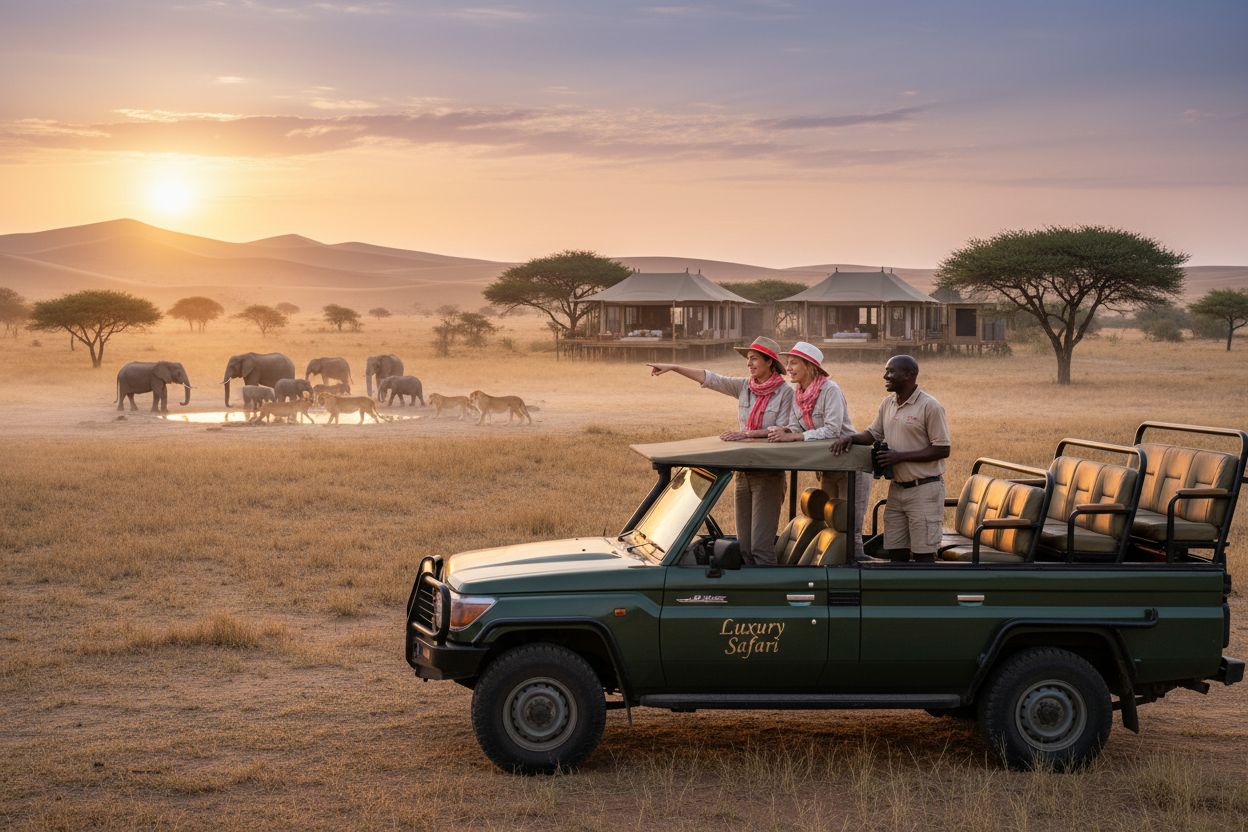
What to Expect on a Luxury Safari: A Comprehensive Guide
Discover what to expect on a luxury safari and gain a deeper understanding of the unique experiences that await you in the wild.
2026年2月22日
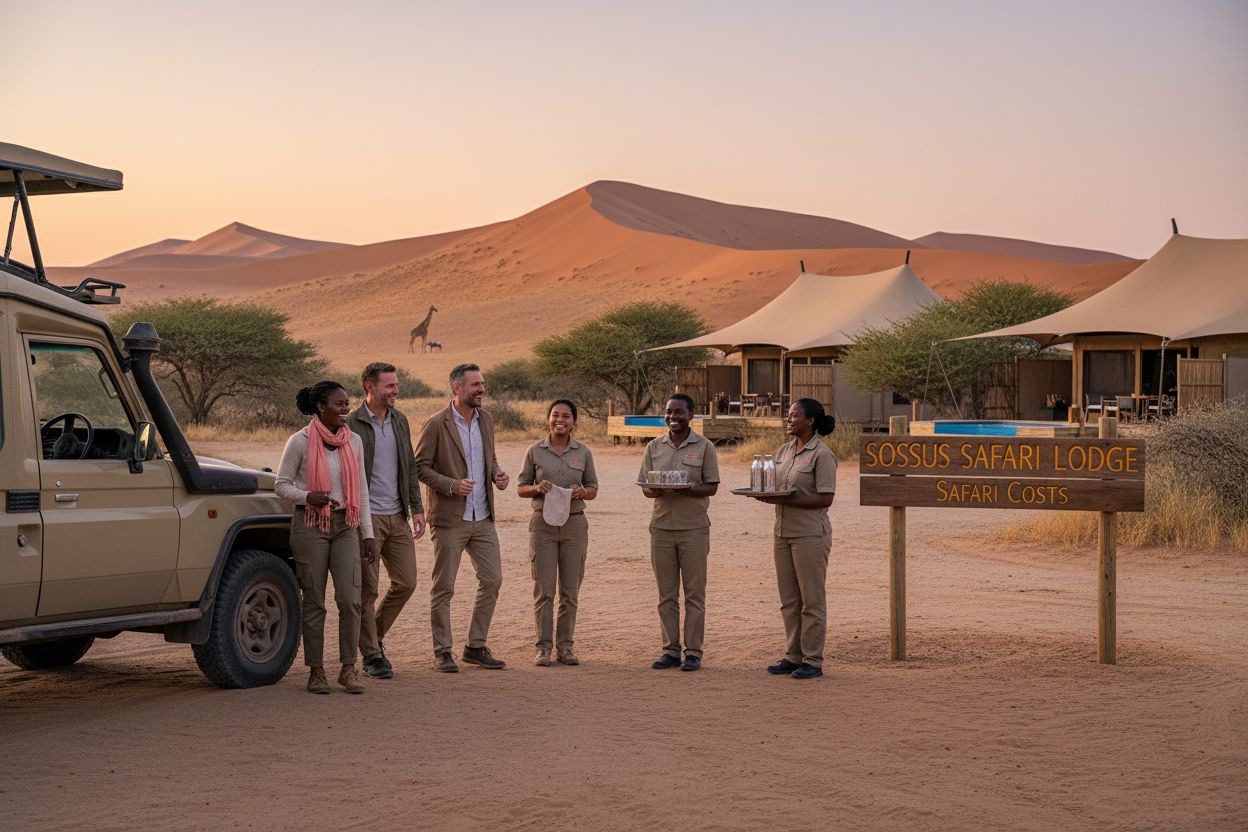
Understanding Namibia Safari Costs Explained
Explore Namibia safari costs explained to uncover what influences pricing and what it means for your adventure.
2026年2月21日
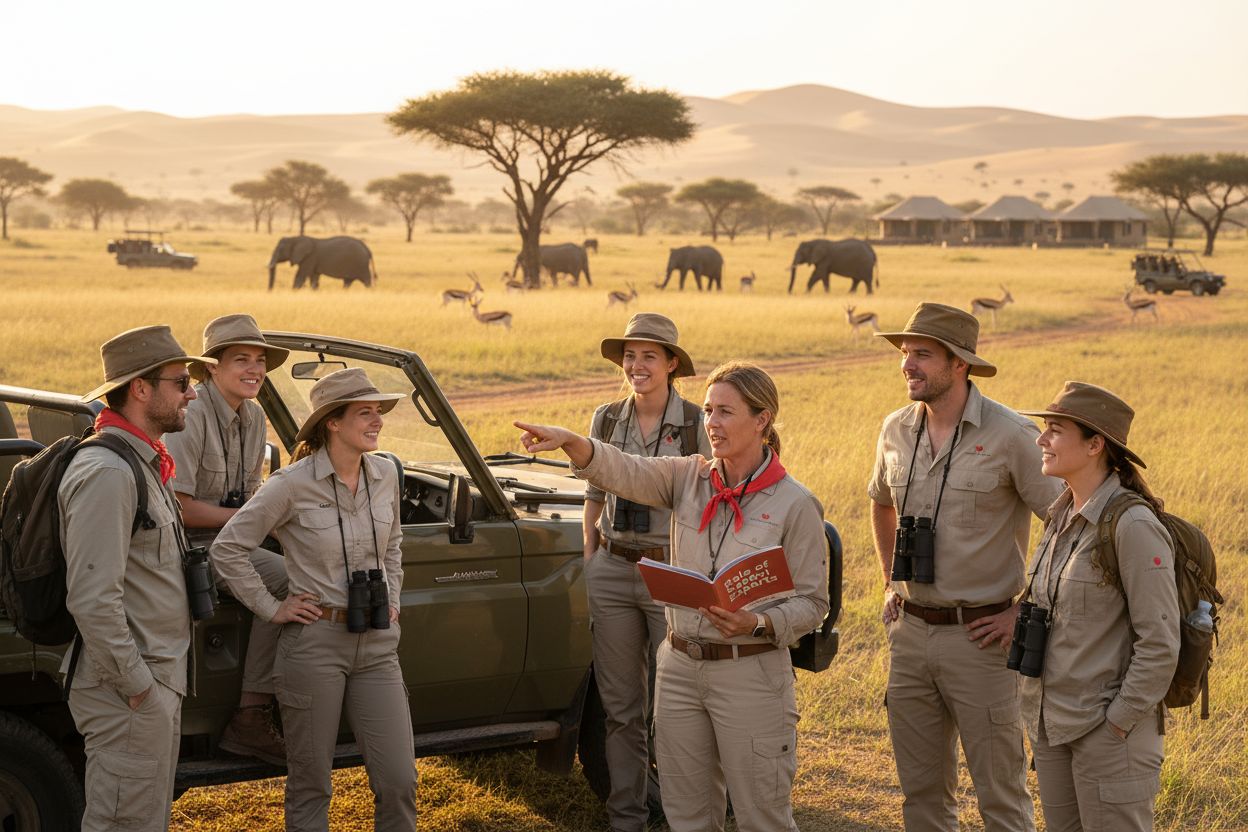
Understanding the Role of Safari Experts in Wildlife Travel
Explore the role of safari experts and gain a comprehensive understanding of how they enhance wildlife travel experiences for all types of travelers.
2026年2月20日
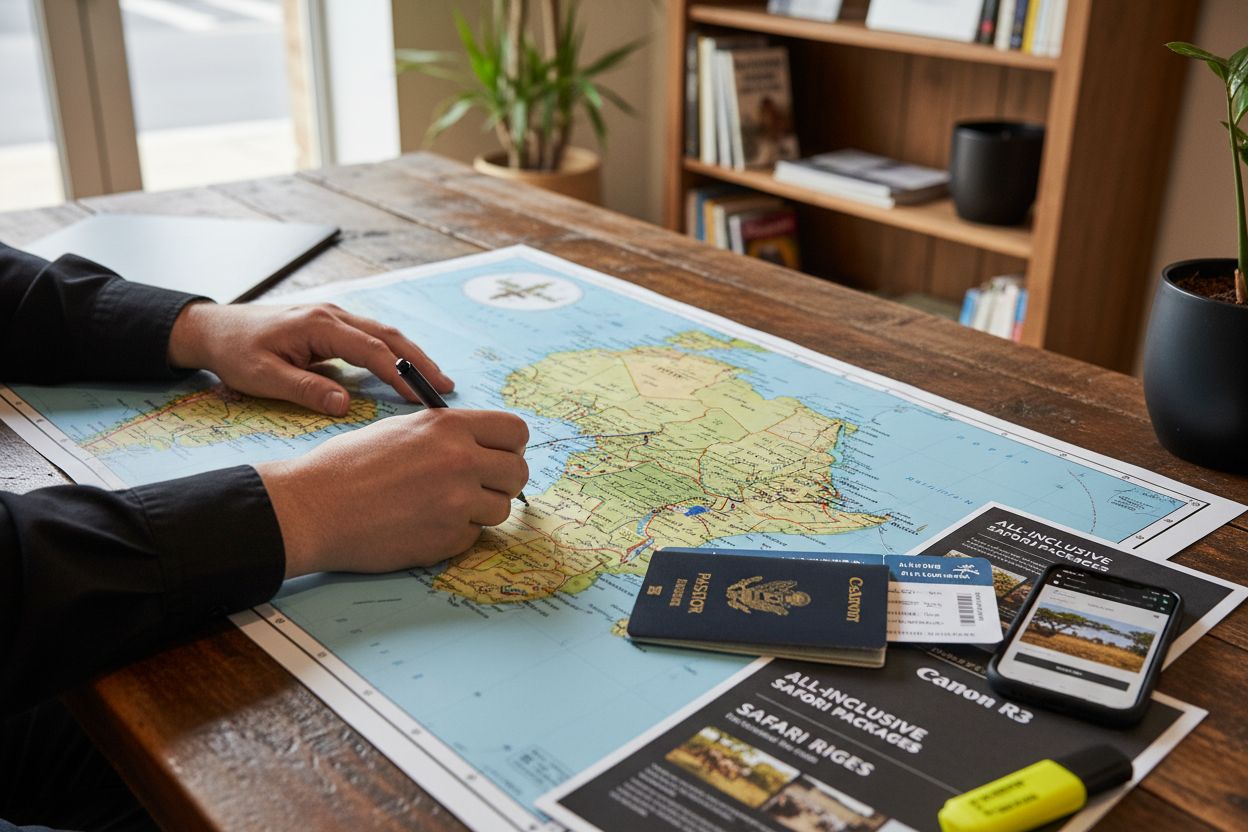
Guide organisation safari all inclusive : vivez l'aventure de vos rêves
Découvrez notre guide organisation safari all inclusive étape par étape pour planifier un voyage inoubliable au cœur de la nature.