08.07.2026
Explore Windhoek, Namibia's vibrant capital. Discover colonial architecture, local culture, and thrilling safari adventures waiting for you.

Windhoek travel guide: Namibia’s fascinating capital city
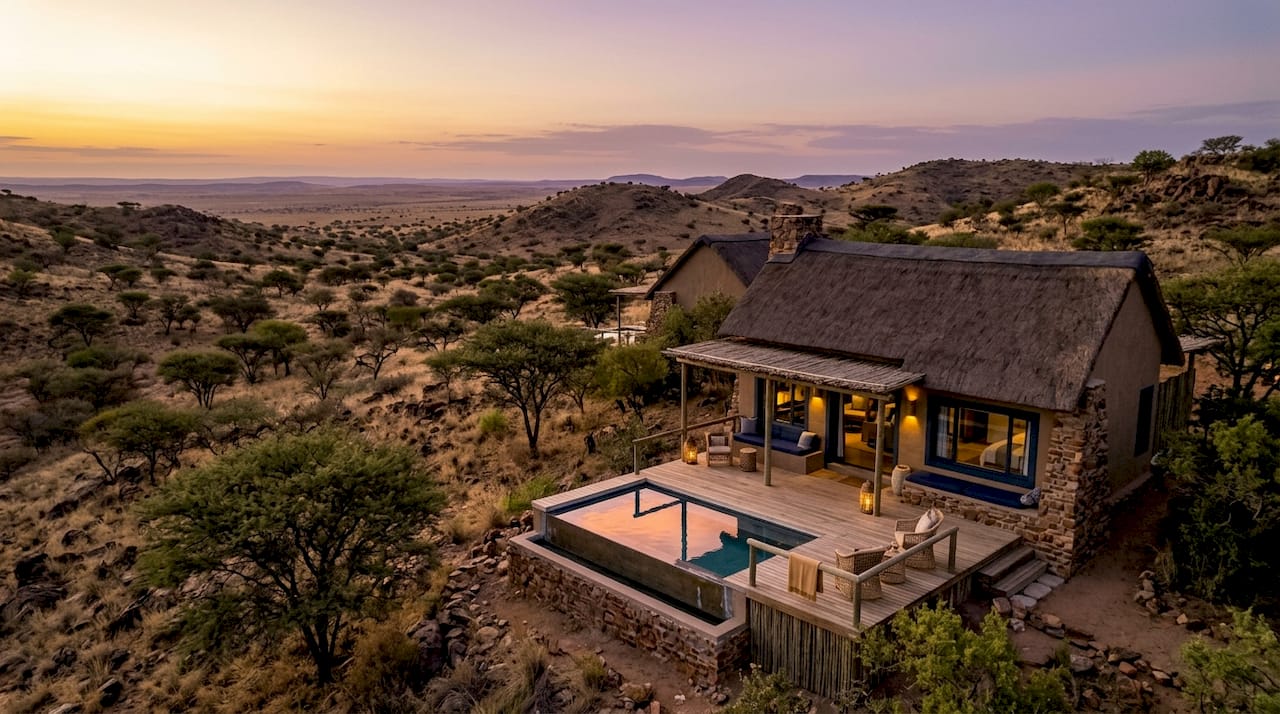
TL;DR:
Windhoek is Namibia’s capital, offering a blend of colonial architecture and vibrant local culture. Spending two days allows travelers to explore historic sites, experience authentic markets, and prepare for safari adventures. The city serves as a gateway, connecting to Namibia’s major wildlife and landscape destinations.
Windhoek is defined as Namibia’s administrative, economic, and cultural capital, sitting at approximately 1,700 m above sea level in the Khomas Highland. With a 2023 population of 486,169, it is a city where German colonial architecture stands beside vibrant African markets and modern government buildings. For travelers, Windhoek is far more than a transit stop. It is a destination in its own right, offering remarkable historical sites, authentic local culture, and the perfect launchpad for Namibia’s legendary safari landscapes. If you are planning a trip to Namibia, your adventure almost certainly begins and ends here.
What are the must-see attractions in Windhoek?
Windhoek’s key attractions span colonial landmarks, liberation history, and accessible wildlife, making even a short stay genuinely rewarding.
The city’s most photographed landmark is the Christuskirche, a Lutheran church completed in 1910 that blends neo-Gothic and Art Nouveau styles in a way you rarely see outside of Europe. Its warm sandstone facade glows at sunset, and the interior is open to visitors most mornings. Standing in front of it, you get an immediate sense of Windhoek’s layered identity.
The Independence Memorial Museum, opened in 2014, tells Namibia’s story of colonization and liberation with striking directness. It sits directly opposite the old Alte Feste fortress, and that juxtaposition is intentional. The Alte Feste itself is Windhoek’s oldest surviving building, dating to 1890, and now houses the National Museum of Namibia’s historical collection.
For art and traditional culture, the National Art Gallery of Namibia on Robert Mugabe Avenue showcases contemporary Namibian artists alongside rotating exhibitions. The Owela Museum nearby focuses on natural history and indigenous cultures, with exhibits on San rock art and traditional dress that provide essential context for any safari traveler.
Attraction | Highlight | Best Time to Visit |
|---|---|---|
Christuskirche | Colonial architecture and sunset views | Early morning or late afternoon |
Independence Memorial Museum | Namibia’s liberation history | Any time; allow 1.5 hours |
Alte Feste | Oldest building in Windhoek | Weekday mornings |
National Art Gallery | Contemporary Namibian art | Tuesday to Saturday |
Daan Viljoen Game Reserve | Kudu, oryx, and zebra within 20 km of the city | Early morning game drives |
Christuskirche: Iconic sandstone church; free entry; do not miss the sunset view from the steps
Independence Memorial Museum: Six floors of Namibia’s political and social history
Alte Feste: Colonial fort turned museum with fascinating military and cultural artifacts
Owela Museum: Natural history and indigenous culture; excellent for pre-safari context
Daan Viljoen Game Reserve: A remarkable nature escape just 24 km west of the city center
Pro Tip: If you only have one afternoon, walk the short loop from Christuskirche down to the Alte Feste and then up to the Independence Memorial Museum. You cover three major sites in under two hours and get a vivid sense of Windhoek’s history without rushing.
How can you experience authentic local culture in Windhoek?
Windhoek’s most authentic cultural experiences happen away from the polished city center. Katutura township is home to roughly 60% of Windhoek’s population, and a guided visit here is one of the most eye-opening things you can do in the city. The name “Katutura” translates loosely as “the place where we do not want to live,” a reference to its origins as a forced relocation site during the apartheid era. Today it pulses with energy, creativity, and community pride.
The Oshetu Community Market in Katutura is the place to try Kapana, a traditional street barbecue where vendors grill fresh beef over open coals and serve it with chili and onion. This is culinary tourism at its most direct and delicious. The market also sells dried fish, fresh produce, and local crafts, giving you a genuine picture of daily Windhoek life.
Back in the city center, the Namibia Craft Centre on Independence Avenue is the best single stop for quality souvenirs. You will find woodcarvings, woven baskets, jewelry, and textiles made by Namibian artisans. For something even more authentic, the wood-carvers’ market in Okahandja, about 70 km north of Windhoek, is worth the short drive if you have a free morning.
Evening culture in Windhoek has its own character. Joe’s Beerhouse on Nelson Mandela Avenue is a Windhoek institution, famous for its game meat menu, eclectic decor, and lively atmosphere. Rooftop bars in the city center offer sundowner views across the Khomas Highland that rival anything you will see on safari.
Always book a guided township tour rather than visiting independently. Local guides provide historical context and support community businesses directly.
Dress modestly when visiting markets and community areas as a sign of respect.
Ask before photographing people. A smile and a question go a long way.
Try the local Namibian lager alongside your Kapana. It is brewed in Windhoek and pairs perfectly.
Pro Tip: The gastronomy tourism approach works beautifully in Windhoek. Plan one meal at Oshetu Community Market and one at a city restaurant serving game meat. You will taste two completely different sides of Namibian food culture in a single day.
What practical travel tips should visitors know before arriving?
Planning your Windhoek visit well makes a significant difference to your experience. Travelers typically spend 1–2 days in the city before heading into Namibia’s wider landscapes, and that window is enough to cover the highlights if you are organized.
Climate and packing: Windhoek has a hot semi-arid climate with warm to hot days and noticeably cool evenings, especially between may and august. Pack a light jacket even if you are visiting in summer. The altitude at 1,700 m means temperatures drop faster after sunset than most travelers expect.
Best time to visit: May through september offers dry, sunny weather and comfortable daytime temperatures. October through april brings the rainy season, which turns the surrounding hills green but can make some roads slippery.
Getting around: Car hire is the most practical option for exploring Windhoek and the surrounding region. Shared taxis (locally called “combis”) are affordable and widely used by locals. Ride-hailing apps operate in the city and are a safe option for evening travel.
Currency and tipping: The Namibian Dollar (NAD) is the local currency and is pegged 1:1 to the South African Rand. Both are accepted in most establishments. A 10% tip is standard at restaurants and for guided tours.
Language: English is the official language and is widely spoken in hotels, restaurants, and tourist areas. You will also hear Afrikaans, Oshiwambo, and German in daily life, reflecting Windhoek’s layered heritage.
Accommodation areas: The city center and the Klein Windhoek suburb offer the widest range of hotels and guesthouses. For a more upscale experience, Windhoek luxury suites in the northern suburbs provide excellent comfort close to major attractions.
Pro Tip: Book your car hire before you arrive. Demand is high during peak season (june through august), and the best vehicles go quickly. An automatic 4x4 is worth the extra cost if you plan to drive beyond the city.
How does Windhoek serve as a gateway to Namibia’s safari adventures?
Windhoek is the undisputed hub of Namibia’s road network, connecting travelers to every major destination in the country. This is not just geography. It means your safari itinerary almost certainly starts and ends here, and the city’s infrastructure makes that transition remarkably smooth.
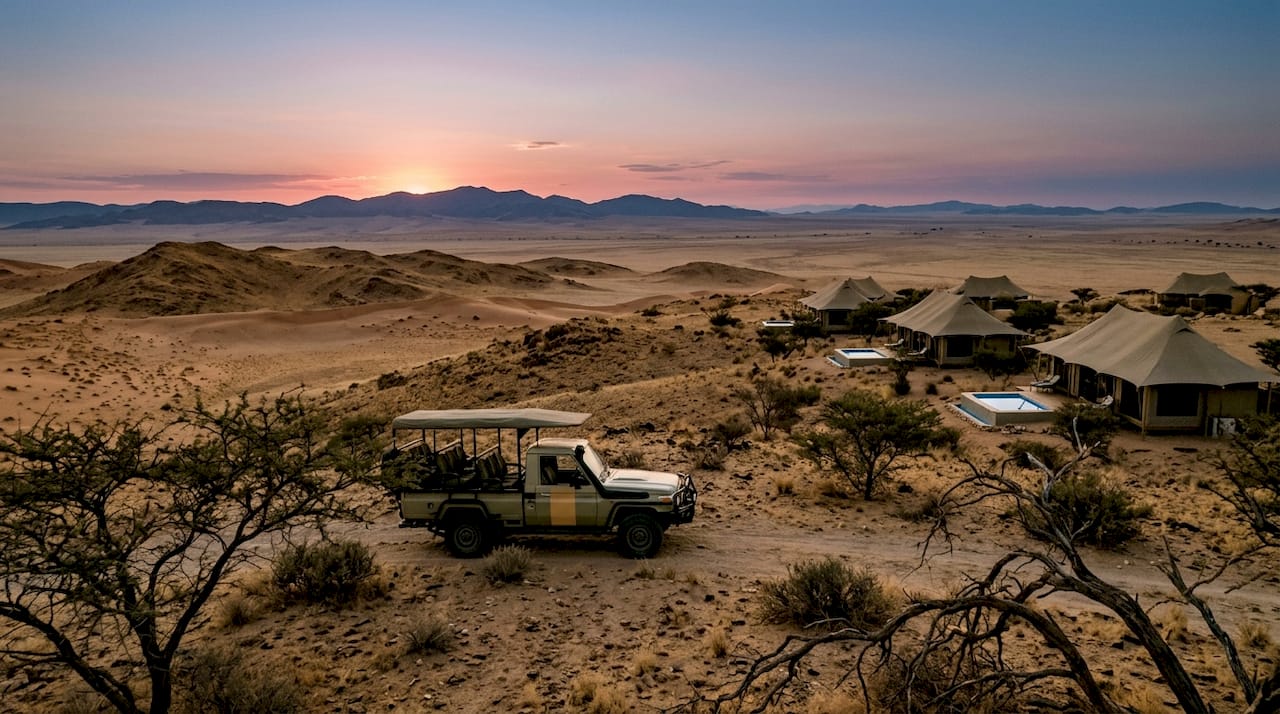
Hosea Kutako International Airport, located 45 km east of the city, receives direct flights from Frankfurt, Johannesburg, Cape Town, and several other African hubs. From the airport, you can be in the city center in under an hour, or connect directly to a charter flight for a fly-in safari.
The key road corridors from Windhoek include:
North to Etosha National Park: Approximately 400 km via the B1 highway. Etosha is Namibia’s premier wildlife destination, famous for its vast salt pan and extraordinary concentrations of elephant, lion, and rhino.
West to Sossusvlei: Approximately 340 km via the C26 and D854. The towering red dunes of Sossusvlei are among the most photographed landscapes on earth.
Northwest to the Skeleton Coast: A longer drive of around 600 km, rewarding travelers with one of Africa’s most dramatic and remote coastlines.
South to Fish River Canyon: Approximately 600 km via the B1. The canyon is the second largest in the world and a magnificent hiking destination.
Destination | Distance from Windhoek | Typical Drive Time |
|---|---|---|
Etosha National Park | ~400 km | 4–5 hours |
Sossusvlei | ~340 km | 4 hours |
Skeleton Coast | ~600 km | 6–7 hours |
Fish River Canyon | ~600 km | 6–7 hours |
Travel experts recommend spending at least two nights in Windhoek before heading out. This gives you time to acclimatize, stock up on supplies, and absorb the city’s character before the wilderness takes over. You can read more about planning your time in the city in the ultimate Windhoek guide from Secretnamibia.
Key takeaways
Windhoek rewards travelers who treat it as a destination rather than a transit point, combining colonial history, vibrant local culture, and direct access to Namibia’s greatest safari landscapes.
Point | Details |
|---|---|
Rich cultural depth | Windhoek blends German colonial heritage with vibrant African township culture in one compact city. |
Gateway to Namibia | Major road and air corridors connect Windhoek to Etosha, Sossusvlei, and the Skeleton Coast. |
Spend at least two nights | Two nights gives you time to see key attractions and prepare properly for safari travel. |
Katutura is unmissable | A guided township tour and Kapana at Oshetu Market offer the most authentic local experience. |
Pack for temperature swings | Windhoek’s 1,700 m elevation means cool evenings even in summer; always bring a jacket. |
Why Windhoek deserves more than a single night
Most travelers I speak with treat Windhoek as a formality. They land, sleep, and drive out at dawn. I understand the impulse. Etosha and Sossusvlei are calling. But every time I have spent a proper two days in the city, I have left with something I did not expect.
The moment that stays with me most is not a museum or a landmark. It is standing outside the Christuskirche at dusk, watching the sandstone turn amber while the city hums below. That in-between moment tells you more about Windhoek’s layered identity than any exhibit can. The city holds its contradictions lightly. German bakeries sit beside Oshiwambo hair salons. A liberation museum faces a colonial fort. None of it feels forced or performative. It simply is.
The guided walking tours that cross from the city center into Katutura are, in my view, the single best investment of time in Windhoek. They are not comfortable in the way that museum visits are comfortable. They ask you to sit with history that is recent and unresolved. That is exactly why they are worth doing.
My honest recommendation: build two full days into your Namibia itinerary for Windhoek. Use one for the historical circuit and one for Katutura and the local food scene. You will arrive at your first safari camp with a far richer understanding of the country you are traveling through.
— Secret
Windhoek is where your Namibia safari story begins
If Windhoek has sparked your appetite for Namibia’s extraordinary landscapes and wildlife, the next step is planning the safari experience that matches your vision. Secretnamibia specializes in bespoke, luxury Namibia safaris that begin and end in Windhoek, with tailored itineraries covering Etosha, Sossusvlei, the Skeleton Coast, and beyond.

Whether you are drawn to private game reserves, fly-in adventures, or conservation-focused wildlife experiences, Secretnamibia’s team builds every trip around your interests and travel style. Explore the full range of luxury wildlife experiences and find the Namibia safari that feels made for you.
FAQ
What is Windhoek best known for?
Windhoek is best known as Namibia’s capital city, combining German colonial architecture, vibrant African culture, and its role as the country’s main travel hub. Landmarks like the Christuskirche and the Independence Memorial Museum define its character.
How do I get to Windhoek from abroad?
Hosea Kutako International Airport, 45 km east of the city, receives direct international flights from Frankfurt, Johannesburg, and Cape Town. Most travelers connect through Johannesburg or Cape Town when flying from Europe or North America.
How many days should I spend in Windhoek?
Travel experts recommend at least two nights in Windhoek to see the main attractions and acclimatize before heading into Namibia’s wider landscapes. One day covers the historical circuit; a second day works well for a township tour and local food experiences.
Is Windhoek safe for travelers?
Windhoek is generally considered safe in tourist areas and the city center during daylight hours. Standard urban precautions apply, particularly at night. Booking a reputable guided tour for township visits adds both safety and valuable local context.
What is the best time of year to visit Windhoek?
May through september is the best time to visit, offering dry weather, clear skies, and comfortable daytime temperatures. The rainy season from october through april brings lush green scenery but occasional heavy downpours.
Recommended
VERBUNDEN
Safari Führer
30.10.2025
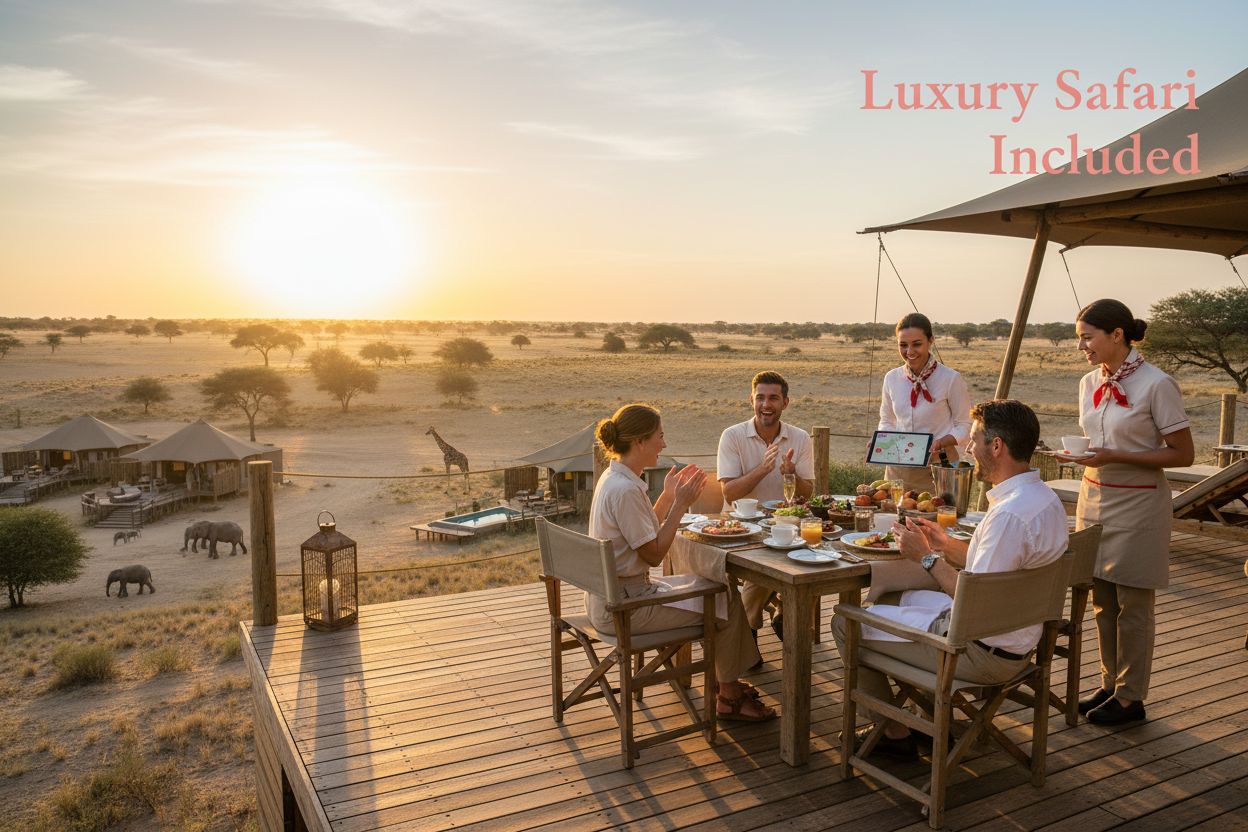
Understanding What is Included in Luxury Safaris
Explore what is included in luxury safaris, from exclusive accommodations to bespoke experiences that cater to discerning travelers.
24.02.2026
Why Namibia Adventures Matter: An In-Depth Look
Discover why Namibia adventures are essential for luxury travelers seeking unique, immersive experiences in nature and wildlife exploration.
23.02.2026
What to Expect on a Luxury Safari: A Comprehensive Guide
Discover what to expect on a luxury safari and gain a deeper understanding of the unique experiences that await you in the wild.
22.02.2026
Understanding Namibia Safari Costs Explained
Explore Namibia safari costs explained to uncover what influences pricing and what it means for your adventure.
21.02.2026
Understanding the Role of Safari Experts in Wildlife Travel
Explore the role of safari experts and gain a comprehensive understanding of how they enhance wildlife travel experiences for all types of travelers.
20.02.2026
Guide organisation safari all inclusive : vivez l'aventure de vos rêves
Découvrez notre guide organisation safari all inclusive étape par étape pour planifier un voyage inoubliable au cœur de la nature.