
Apr 11, 2026
Plan your luxury self-drive safari in Namibia with our complete guide covering vehicle choice, top routes, costs, safety tips, and exclusive lodge recommendations.
Plan a luxury self-drive safari in Namibia: the guide
TL;DR:
Namibia offers well-maintained roads and high safety standards for luxury self-drive safaris.
A 4x4 vehicle is essential for navigating Namibia’s challenging terrain and ensuring safety.
Planning and booking luxury lodges well in advance enhances the exclusivity and experience of the trip.
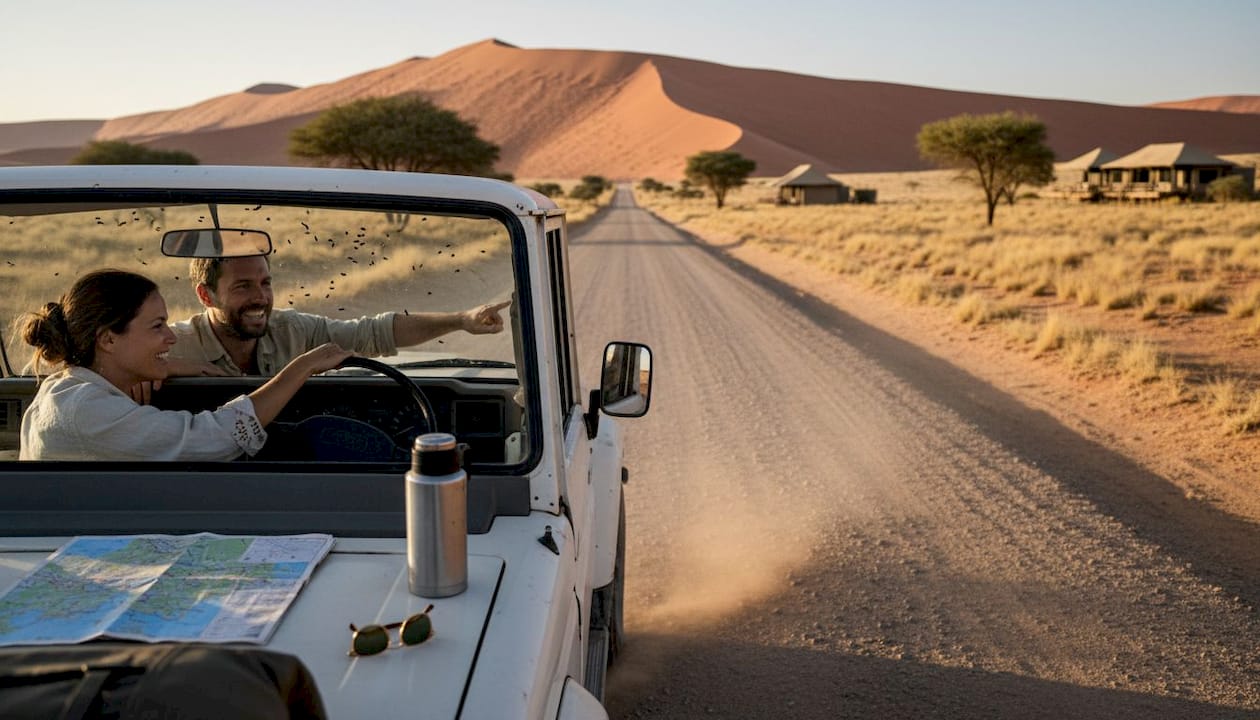
Imagine waking at dawn, pouring coffee from your own flask, and pointing your 4x4 toward a horizon that belongs entirely to you. No group schedules, no rushed game drives, just the vast Namibian wilderness unfolding at your own pace. A luxury self-drive safari here is one of Africa’s most rewarding travel experiences, blending total freedom with world-class accommodation and magnificent wildlife encounters. This guide walks you through every practical step, from choosing the right vehicle and planning your route to managing costs, staying safe, and booking exclusive lodges that make the journey as memorable as the destination.
Table of Contents
What makes Namibia perfect for luxury self-drive safaris?
Choosing and preparing your vehicle for Namibian terrain
Route planning: From iconic parks to exclusive lodges
Costs, road rules, and staying safe on your adventure
The exclusive truth: Why luxury self-drive safaris outshine group tours
Tailor your unforgettable Namibian safari with local expertise
Frequently asked questions
Key Takeaways
Point | Details |
|---|---|
4x4 essential in Namibia | A high-clearance 4x4 vehicle is required for accessing Namibia’s premier safari destinations safely and comfortably. |
Book luxury lodges early | Reserve high-end accommodations and key campsites six to twelve months in advance for the best experiences. |
Follow safety best practices | Drive cautiously, obey speed limits on gravel roads, and avoid night driving to reduce wildlife-related risks. |
Expect premium costs | Luxury self-drive safaris typically range from $5,000 to $7,000 USD for two weeks, excluding upgrades or add-ons. |
Plan for adventure and privacy | Self-driving empowers you to tailor your safari, blend luxurious comfort, and discover wildlife at your own pace. |
What makes Namibia perfect for luxury self-drive safaris?
Namibia is, quite simply, the finest country on the continent for an independent road adventure. The roads are well-maintained by African standards, the distances between key destinations are manageable, and the country’s political stability creates a reassuring backdrop for first-time visitors and seasoned explorers alike. Namibia is considered Africa’s safest self-drive destination with abundant wildlife and luxury accommodations, making it the natural first choice for affluent travellers seeking privacy and control.
The landscape diversity here is genuinely extraordinary. Within a single itinerary, you can move from the towering crimson dunes of Sossusvlei, rising over 300 metres above the desert floor, to the vast arid pans of Etosha National Park, which covers an impressive 22,000 km² and supports elephant, lion, rhino, and hundreds of bird species. Further north, Damaraland’s ancient rock formations and desert-adapted wildlife offer something entirely different again.
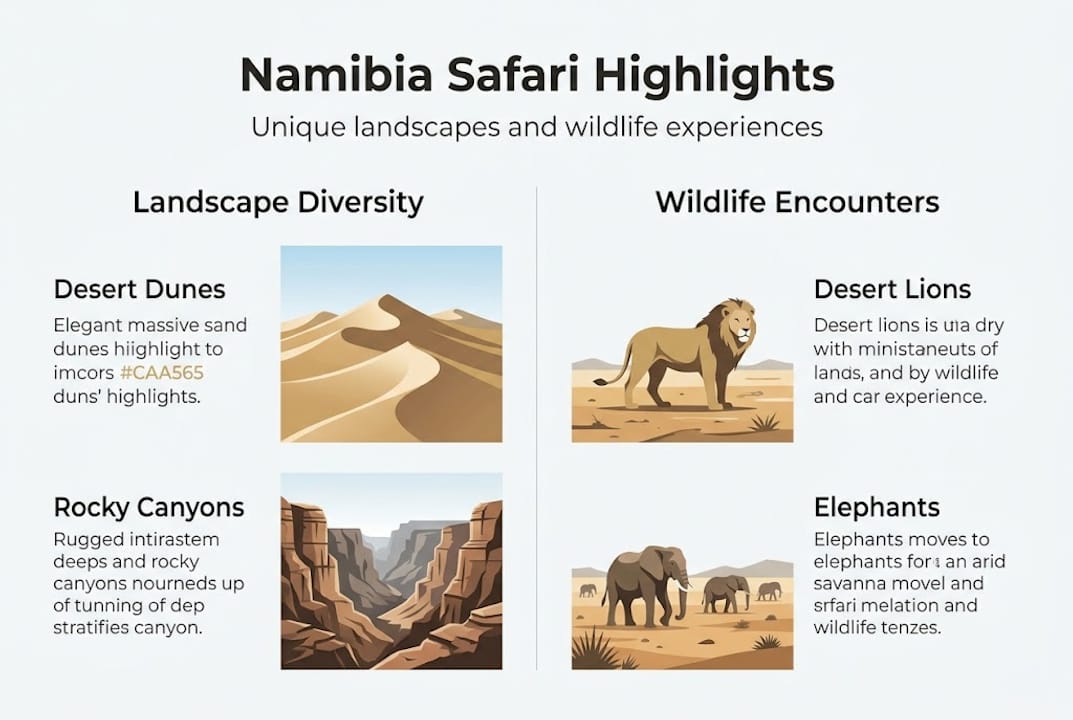
For affluent travellers, the self-drive format delivers something group tours simply cannot: genuine exclusivity. You linger at a waterhole for as long as the lions hold court. You arrive at your luxury private game reserve at sunset rather than at a schedule dictated by thirty other guests. Your mornings, your pace, your experience.
Key reasons Namibia suits luxury self-drive perfectly:
Over 45,000 km of gravel and tar roads connect major parks and reserves
Low population density means genuinely uncrowded wildlife sightings
Premium lodges and tented camps cater specifically to self-drive guests
English is widely spoken, simplifying navigation and communication
Safety for self-drive travel in Namibia ranks among the best on the continent
Feature | Namibia | Typical group tour destination |
|---|---|---|
Road quality | Excellent gravel and tar | Variable |
Privacy | Very high | Low |
Wildlife density | High in parks | Dependent on location |
Luxury lodge access | Widespread | Limited to set itineraries |
Self-drive safety | Outstanding | Varies significantly |
Choosing and preparing your vehicle for Namibian terrain
Your vehicle is not just transport. It is your mobile base, your safety net, and, on long stretches of corrugated gravel road, your greatest comfort factor. Getting this decision right is non-negotiable.
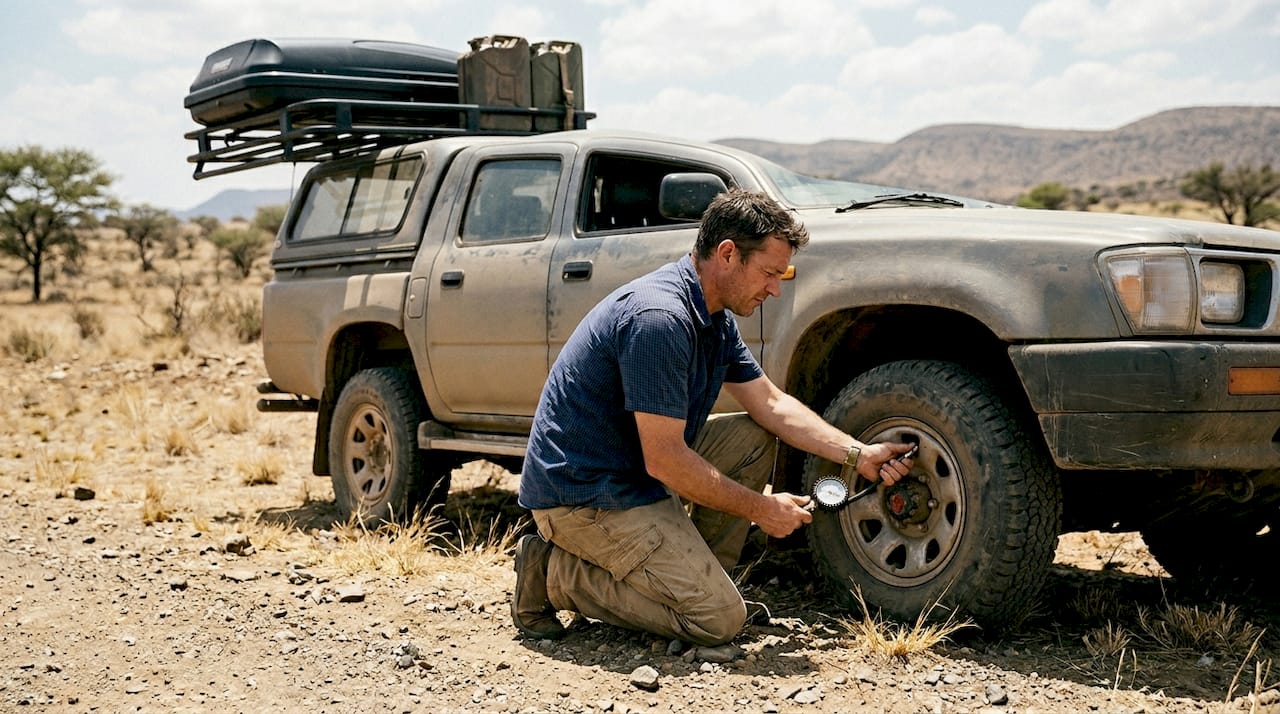
A 4x4 is essential for Namibia’s gravel roads, sand tracks, and high-clearance requirements, with models like the Toyota Hilux or Toyota Fortuner being the most popular and well-supported choices across the country. Two-wheel-drive vehicles are simply not equipped for Sossusvlei’s sand or the rocky tracks leading into Damaraland. The additional ground clearance and low-range gearing of a proper 4x4 transform challenging terrain into manageable, even enjoyable, driving.
Vehicle model | Best suited for | Comfort level | Fuel efficiency |
|---|---|---|---|
Toyota Hilux (double cab) | All terrain, long distances | High | Good |
Toyota Land Cruiser 200 | Remote, heavy-load routes | Very high | Moderate |
Toyota Fortuner | Mixed tar and gravel | High | Good |
Ford Ranger 4x4 | Gravel and moderate sand | High | Good |
Beyond choosing the right model, preparation is what separates a smooth adventure from a stressful ordeal. Follow these steps before you leave the rental depot:
Confirm you have two full-size spare tyres, not just a space-saver
Check all fluid levels: oil, coolant, brake fluid, and windscreen wash
Download offline maps (Maps.me or Google Maps offline) for areas without signal
Pack a tyre repair kit, jump leads, and a basic tool kit
Carry a minimum of 10 litres of extra water per person
Secure a roof tent or rooftop storage if self-catering between lodges
For detailed self-driving tips in Namibia, including fuel stop planning and road condition updates, it pays to research each leg of your route before departure.
Pro Tip: In deep sand near Sossusvlei, deflate your tyres to around 1.5 bar (22 psi) for dramatically better traction. Carry a portable compressor to re-inflate before returning to gravel or tar roads.
Route planning: From iconic parks to exclusive lodges
A well-crafted itinerary is what separates a good Namibia trip from an unforgettable one. The country rewards those who plan thoughtfully, aligning their route with wildlife activity, seasonal conditions, and the availability of truly spectacular places to sleep.
A classic 14-day self-drive route might look like this:
Windhoek (1 night): Arrival, vehicle collection, city orientation
Etosha National Park (3 nights): Follow waterholes and book key campsites ahead for the best lion and elephant sightings
Damaraland (2 nights): Desert-adapted elephant tracking, Twyfelfontein rock art
Swakopmund (2 nights): Coastal adventure, quad biking, fresh seafood
Sossusvlei and Deadvlei (2 nights): Iconic dune climbing at sunrise
NamibRand Nature Reserve (2 nights): Private reserve, dark sky stargazing
Windhoek (1 night): Return, final night
Luxury lodge highlights worth building your route around include Ongava Game Reserve bordering Etosha, the remarkable Mowani Mountain Camp in Damaraland, and Le Mirage Desert Lodge near Sossusvlei. Each offers a level of intimacy and design that group tour accommodation simply cannot match.
For those seeking something beyond the standard circuit, private reserves across Namibia offer exclusive wildlife experiences on vast conservancy land, often with tracking experiences not available in national parks. These are the kinds of unique safari experiences that stay with you long after you return home.
Pro Tip: Book luxury lodges and national park campsites 6 to 12 months in advance, particularly for the dry season (May to October). The best spots fill up fast, and last-minute availability at premium properties is rare.
Costs, road rules, and staying safe on your adventure
Planning your budget accurately avoids unpleasant surprises and allows you to invest where it matters most: in remarkable experiences rather than emergency expenses.
A two-week mid-range self-drive for two typically costs between $5,000 and $7,000 USD, covering vehicle hire ($1,300 to $1,800), fuel ($300 to $500), and accommodation ($2,000 to $3,500). Luxury travellers should budget considerably more, particularly when incorporating premium lodges and private reserve fees.
Expense category | Mid-range (14 days, 2 people) | Luxury (14 days, 2 people) |
|---|---|---|
4x4 vehicle hire | $1,300 to $1,800 | $2,500 to $4,000 |
Fuel | $300 to $500 | $400 to $600 |
Accommodation | $2,000 to $3,500 | $6,000 to $14,000 |
Park fees and activities | $400 to $600 | $800 to $2,000 |
Food and drinks | $400 to $600 | $600 to $1,200 |
For a broader perspective on Namibia safari budget planning across different travel styles, it is worth comparing several sources before finalising your numbers.
Essential road rules for self-drive newcomers:
Drive on the left side of the road at all times
Speed limits: 120 km/h on tar, 80 km/h on gravel, 60 km/h in towns
On gravel roads, drive in the centre of the road to avoid soft, crumbling edges
Never drive after dark due to free-roaming livestock and wildlife on roads
Always carry your driver’s licence and rental agreement
Safety warning: Gravel road skids, tyre blowouts, and wildlife crossings are the three most common causes of self-drive incidents in Namibia. Reduce speed significantly on corrugated sections, never brake sharply on gravel, and scan the road ahead constantly, especially in the early morning and late afternoon when animals are most active.
For a curated list of top luxury safari lodges in Namibia and a complete DIY safari planning guide, Secret Namibia’s resources cover everything from fuel stop maps to insurance recommendations.
The exclusive truth: Why luxury self-drive safaris outshine group tours
Here is something most travel content will not tell you directly: a luxury self-drive safari is not for everyone, and that is precisely what makes it so special for those it suits.
Affluent, independent travellers consistently report that the defining quality of their Namibia experience was control. The ability to stay an extra hour at a waterhole, to skip a crowded viewpoint, to choose silence over commentary. Self-drive suits affluent travellers seeking control, flexibility, and privacy, while guided options genuinely serve novices or those prioritising maximum comfort without responsibility.
The honest trade-off is this: you gain freedom but accept responsibility. If tracking desert-adapted elephants in Damaraland is on your list, combining your self-drive with a private local guide for that specific experience is a brilliant hybrid approach. You keep your independence while accessing expertise that transforms a sighting into a story.
For those who have never driven African roads, or who simply want every detail handled, a guided luxury safari remains the superior choice over standard options. Know yourself, plan accordingly, and your Namibia experience will be extraordinary either way.
Tailor your unforgettable Namibian safari with local expertise
Planning a luxury self-drive safari of this calibre takes more than enthusiasm. It takes insider knowledge of road conditions, lodge availability, seasonal wildlife patterns, and the hidden gems that never appear in generic travel guides.
At Secret Namibia, we specialise in crafting bespoke Namibia self-drive tours that align perfectly with your travel style, timeline, and budget. Whether you want a fully independent adventure or a hybrid itinerary blending self-drive freedom with private guided experiences, our team handles every detail. Explore our range of luxury Namibia safaris and let us help you build the trip of a lifetime, backed by on-the-ground expertise and premium accommodation partnerships that guarantee an exceptional journey.
Frequently asked questions
Do I really need a 4x4 for a Namibian self-drive safari?
Yes, a 4x4 is essential due to gravel, sand, and rough terrain across major safari routes, especially in areas like Sossusvlei and Etosha. Self-drive safaris require a 4x4 for vital areas, and standard vehicles risk serious damage or getting stuck.
Is it safe to do a self-drive safari in Namibia for first-timers?
Namibia is the safest country in Africa for self-drive travel, but first-timers must follow road safety rules, carry two spare tyres, and strictly avoid driving after dark.
How much does a luxury self-drive safari cost?
A 14-day mid-range trip for two costs $5,000 to $7,000 USD, while a fully luxury itinerary with premium lodges and private activities can reach $20,000 or more.
What’s the best time of year for wildlife viewing on a self-drive safari?
The dry season is optimal for wildlife viewing, running from May to October, when animals concentrate around waterholes and vegetation is low enough for clear sightings in parks like Etosha.
What if I have a breakdown or emergency during my self-drive safari?
Stay with your vehicle, use offline maps or a paper road atlas to identify your location, and carry extra water and spares at all times. Most rental companies also provide a 24-hour emergency contact number.
Recommended
RELATED
Safari Guides
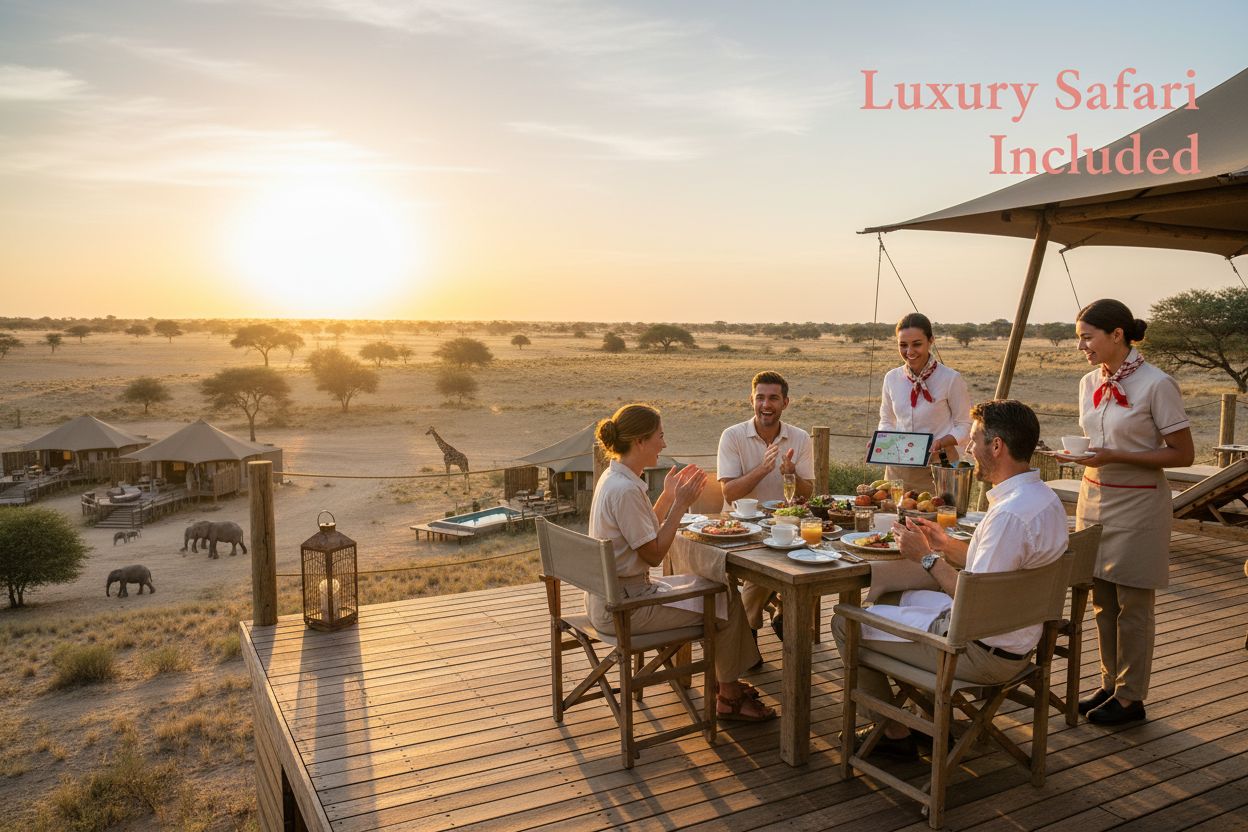
Oct 30, 2025
Understanding What is Included in Luxury Safaris
Explore what is included in luxury safaris, from exclusive accommodations to bespoke experiences that cater to discerning travelers.
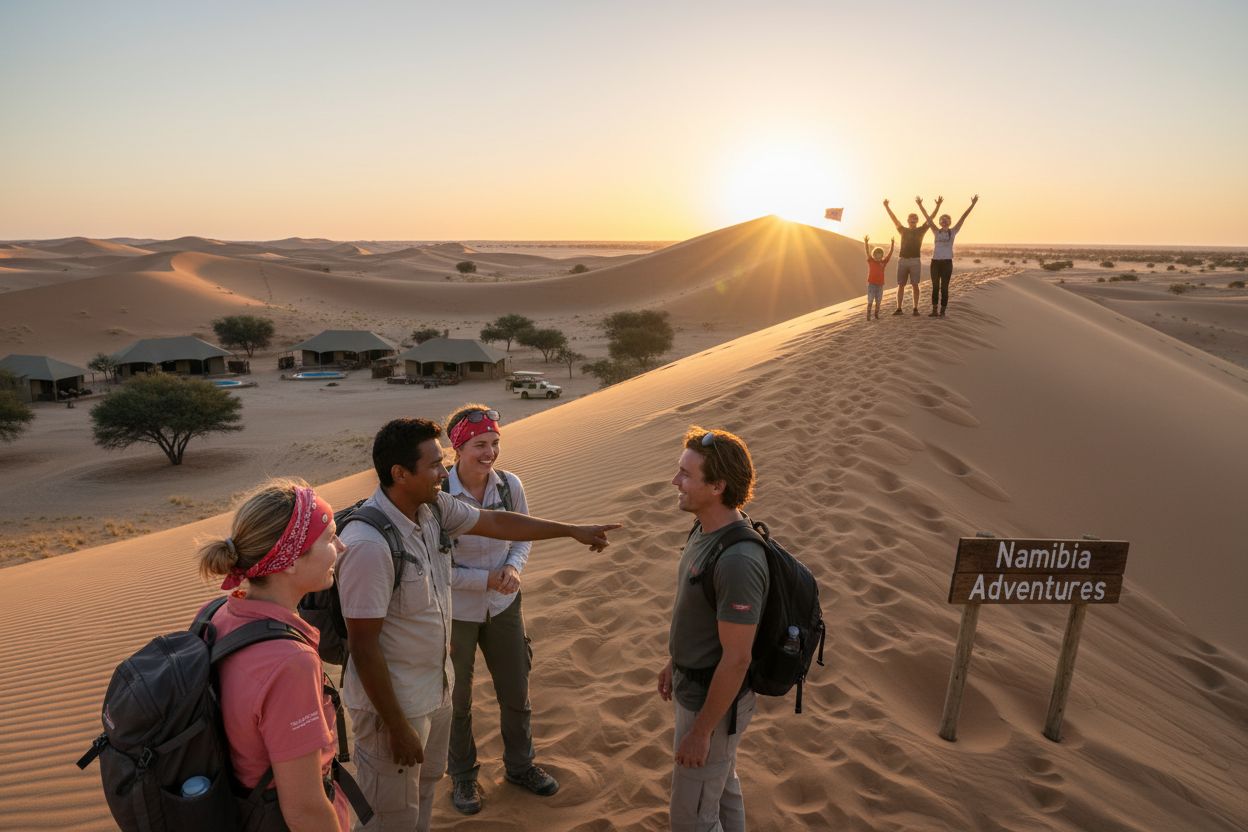
Feb 24, 2026
Why Namibia Adventures Matter: An In-Depth Look
Discover why Namibia adventures are essential for luxury travelers seeking unique, immersive experiences in nature and wildlife exploration.
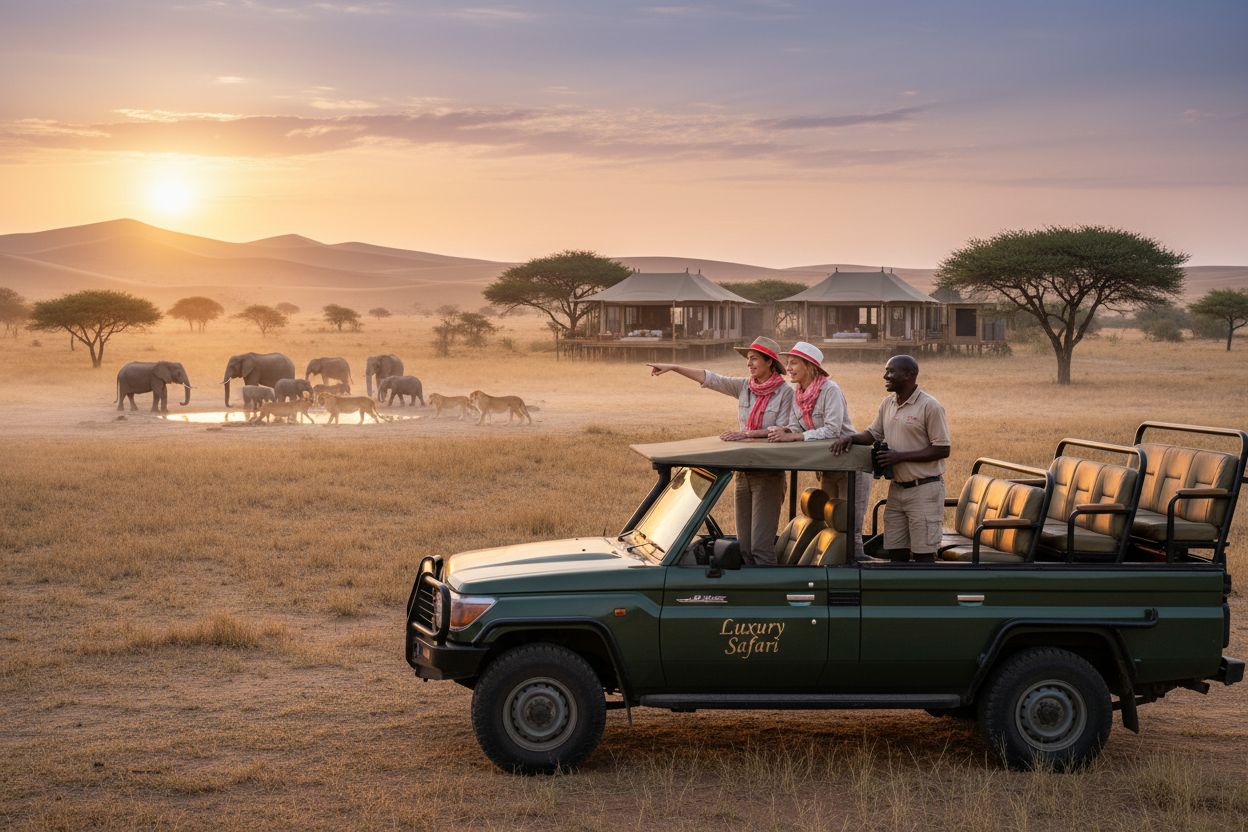
Feb 23, 2026
What to Expect on a Luxury Safari: A Comprehensive Guide
Discover what to expect on a luxury safari and gain a deeper understanding of the unique experiences that await you in the wild.
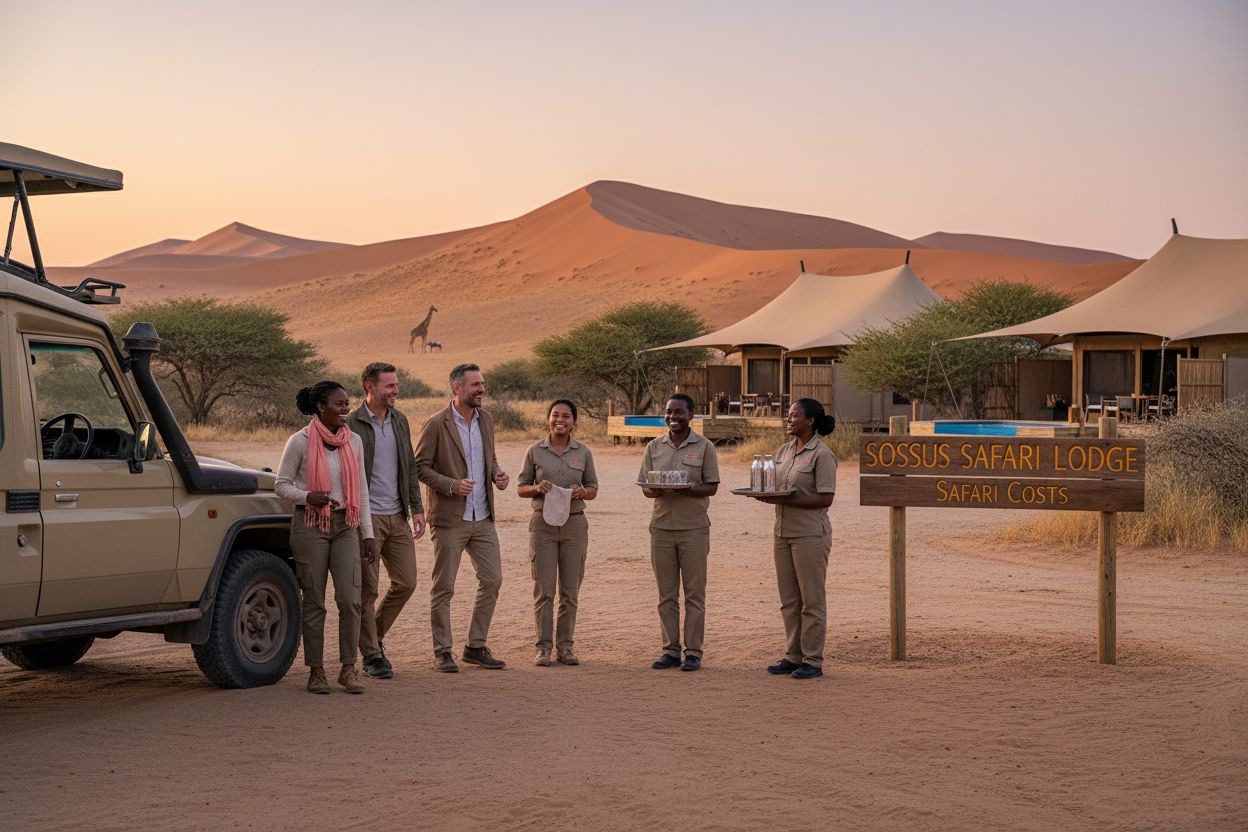
Feb 22, 2026
Understanding Namibia Safari Costs Explained
Explore Namibia safari costs explained to uncover what influences pricing and what it means for your adventure.
Feb 21, 2026
Understanding the Role of Safari Experts in Wildlife Travel
Explore the role of safari experts and gain a comprehensive understanding of how they enhance wildlife travel experiences for all types of travelers.
Feb 20, 2026
Guide organisation safari all inclusive : vivez l'aventure de vos rêves
Découvrez notre guide organisation safari all inclusive étape par étape pour planifier un voyage inoubliable au cœur de la nature.