Jul 20, 2026
Learn how to book a safari with our complete 2026 guide. Plan an unforgettable adventure in Africa's stunning landscapes today!
How to book a safari: your complete 2026 guide
TL;DR:
Booking a safari requires early planning, with peak season trips needing 12 to 18 months’ lead time. Choosing a reputable, specialist operator ensures expert support and avoids hidden costs, especially when customizing itineraries. Private reserves offer more exclusive wildlife experiences and benefits for conservation, making early, informed booking essential.
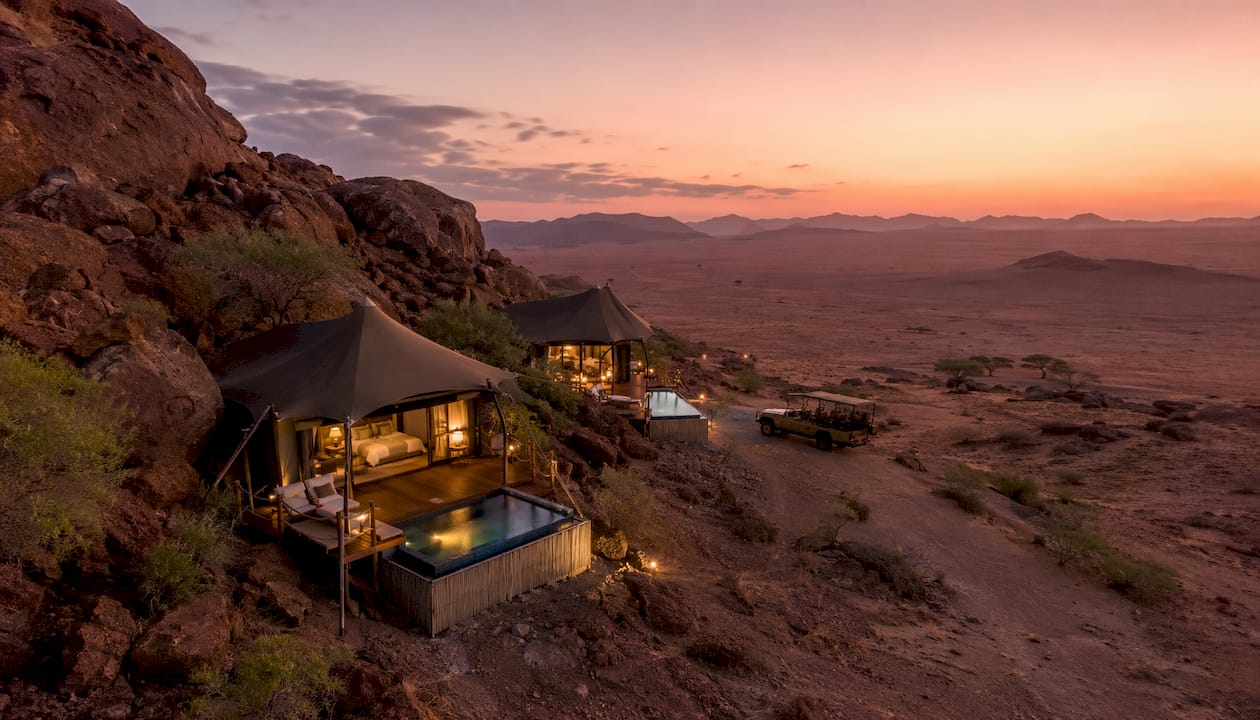
Booking a safari is the process of securing a tailored wildlife experience across Africa’s most magnificent wild spaces, from the vast red dunes of the Namib Desert to the lion-filled plains of Etosha National Park. Get it right, and you will witness scenes that stay with you for a lifetime. Get it wrong, and you risk missing out on the lodges, seasons, and private reserves that make the difference between a good trip and a truly extraordinary one. This guide walks you through every phase of the process, from timing and operator selection to itinerary design and practical logistics, so you can plan your safari with confidence.
How to book a safari: timing is everything
The single most critical factor in safari planning is how far in advance you book. Peak season bookings require 12–18 months of lead time, particularly for small luxury lodges that carry only 6–10 rooms. That means if you are dreaming of a july or october safari in Etosha or the Okavango Delta, you should be making enquiries now, not six months from now.
Shoulder and low seasons offer more flexibility. For travel between november and may (excluding the december holiday rush), a 6–9 month lead time is generally sufficient. That said, the best lodges fill up fast regardless of season, so earlier is always better.
Here is what your booking timeline should look like:
12–18 months out: Research destinations, shortlist lodges, and contact specialist operators for initial quotes
9–12 months out: Confirm your itinerary, pay deposits, and secure internal bush flights
6 months out: Book visas, arrange travel insurance, and confirm any special permits
3 months out: Finalise packing lists, check health requirements, and confirm all transfers
4–6 weeks out: Receive final documentation and pre-trip briefings from your operator
Pro Tip: If gorilla trekking in Uganda or Rwanda is on your list, permits sell out up to a year in advance. Book these before anything else in your itinerary.
How do you choose the right safari operator?
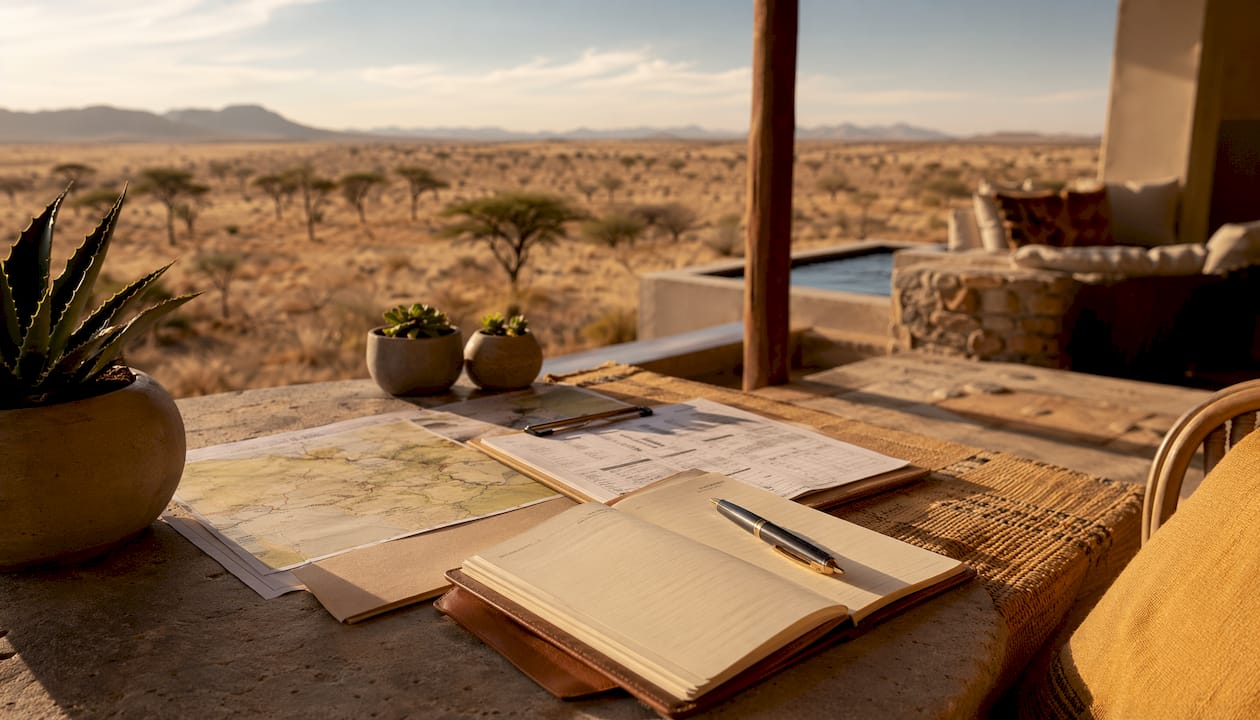
The safari operator you choose shapes every aspect of your experience. Reputable operators hold memberships with recognised bodies such as TATO (Tanzania Association of Tour Operators) or KATO (Kenya Association of Tour Operators). Verifying these credentials and confirming a physical office address before any payment protects you from fraudulent operators.
One of the most liberating truths about safari booking is this:
Booking through a specialist safari operator costs exactly the same as booking direct. Lodges set fixed seasonal rates, and agent commissions are paid by the lodge, not by you. The operator adds value through itinerary design, logistics, and local knowledge — at no extra charge.
This means you gain expert support without paying a premium for it. A good specialist will know which lodges have the best guiding teams, which camps are undergoing renovation, and which private concessions are producing the most remarkable wildlife sightings right now.
DIY safari booking is realistically only feasible in South Africa, where road infrastructure and self-drive routes are well established. Elsewhere across Southern and East Africa, the complexity of remote transfers, bush flights, and park permits makes professional coordination not just convenient but genuinely necessary.
Questions to ask any operator before committing:
What is included in the quoted price? (Park fees, transfers, laundry, drinks?)
Are guides certified, and what is their experience level?
What is the cancellation and refund policy?
Is the company registered with a recognised tourism authority?
Pro Tip: Request a fully itemised quote. Hidden safari costs including park fees, local taxes, tipping, and transfers can add 40–60% on top of the base price. Knowing the full figure upfront prevents nasty surprises.
What should you consider when customising your safari itinerary?
National parks versus private game reserves
The choice between a national park and a private game reserve is one of the most consequential decisions in your itinerary. National parks like Etosha offer incredible wildlife at a lower price point, but they come with shared roads, fixed camp locations, and strict rules about off-road driving. Private concessions, by contrast, limit vehicle numbers and allow exclusive activities such as night drives and walking safaris that are simply not available in public parks. The result is a more intimate, unhurried encounter with wildlife.
Private reserves also play a direct role in conservation. Understanding whether a lodge sits on a government concession, a community conservancy, or a privately owned reserve tells you how tourism revenue flows back to local communities and wildlife protection. Lodge ownership structure is one of the most revealing questions you can ask when selecting accommodation.
Trip duration, pacing, and logistics
A minimum of 8–10 days is recommended for a meaningful safari experience. Shorter trips rarely allow enough time to settle into the rhythm of the bush, and the travel days to and from remote locations eat into your wildlife time quickly.
Fly-in safaris add tremendous comfort and efficiency, but they come with a non-negotiable constraint. Small bush aircraft impose strict luggage limits of 15 kg in soft bags only. Hard-sided suitcases are not permitted. Factor this into your packing and booking decisions from the very start.
Safari type | Best for | Key consideration |
|---|---|---|
Luxury lodge | Comfort-focused travelers | Fixed rates, high inclusions |
Private concession | Exclusive wildlife encounters | Limited vehicles, night drives |
Self-drive | Independent South Africa trips | Strong road network required |
Fly-in circuit | Multi-destination itineraries | 15 kg soft bag luggage limit |
You can explore the full spectrum of options at Secretnamibia’s guide to luxury versus standard safaris to understand what each tier delivers in practice.
Pro Tip: If you are combining multiple camps in one trip, build in at least one rest day mid-itinerary. Back-to-back early morning game drives across multiple lodges are exhilarating but exhausting.
What are the practical steps to complete your safari booking?
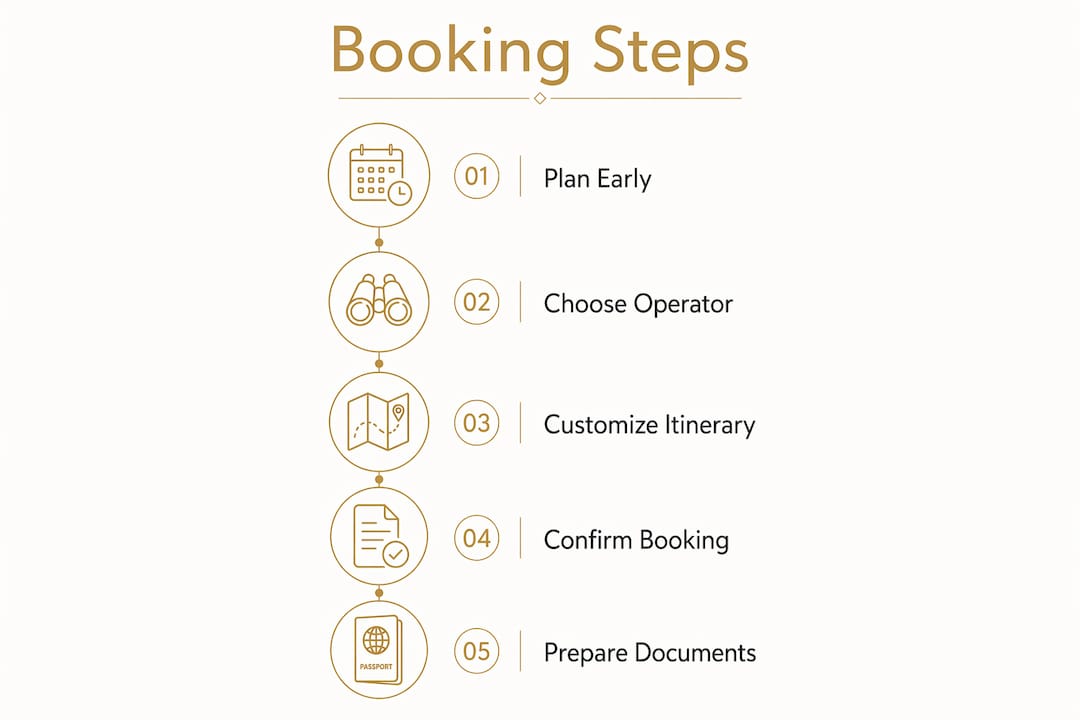
The booking process moves through five clear stages, and managing each one carefully protects both your money and your experience.
Research and shortlist. Use reputable sources, specialist operator websites, and verified traveller reviews to identify destinations and lodges that match your interests, budget, and travel dates.
Request itemised quotes. Ask for a full breakdown of costs including accommodation, park fees, transfers, internal flights, meals, and activities. Never accept a single-line quote.
Confirm operator credentials. Check TATO or KATO registration, verify a physical office address, and read recent client testimonials before paying any deposit.
Book supporting logistics in parallel. Arrange travel insurance, apply for visas, and consult a travel health clinic about vaccinations and malaria prophylaxis at the same time as you confirm your safari.
Review contracts and payment terms. Understand the cancellation policy fully before signing. Confirm that your payment method offers protection, and keep copies of all booking confirmations.
One detail that catches many travelers off guard: Tanzanian park permits are valid for exactly 24 hours from first entry. Incorrect timing can force you to pay a second permit costing $100–$150 per person. A knowledgeable operator will schedule your park entries to avoid this entirely.
Pro Tip: Book travel insurance the same day you pay your first deposit. Most policies only cover pre-existing conditions and cancellation reasons if purchased within a short window of the initial booking date.
Common safari booking mistakes to avoid
Even well-intentioned travelers make avoidable errors. These are the ones that cause the most damage:
Booking too late. Peak season lodges with only 6–10 rooms fill up 12–18 months in advance. Waiting until six months before travel leaves you with limited choices and premium pricing on whatever remains.
Choosing on price alone. The cheapest quote rarely reflects the true cost. Operators who exclude park fees, transfers, and activities from their base price often deliver a far more expensive trip than the headline figure suggests.
Ignoring luggage restrictions. Arriving at a bush airstrip with a hard-sided suitcase is a genuine problem. The 15 kg soft bag rule on small aircraft is enforced without exception.
Skipping travel insurance. Medical evacuation from a remote safari location costs tens of thousands of dollars. Insurance is not optional.
Failing to verify operator legitimacy. Always check registration with a recognised authority and confirm a physical address before transferring any funds.
The most expensive safari mistake is not overpaying for a lodge. It is underpreparing for the logistics, arriving without the right documents, and missing the experiences you travelled thousands of miles to have.
Responsible safari companies also display third-party certifications such as B Corp or 1% for the Planet to validate their ethical commitments. These credentials signal that your tourism spend actively supports conservation and local communities.
Key takeaways
Booking a safari requires early action, verified operators, and a fully itemised itinerary to secure the best lodges, experiences, and value for your trip.
Point | Details |
|---|---|
Book 12–18 months early | Peak season lodges hold only 6–10 rooms and fill up fast. |
Use a specialist operator | Agents cost the same as direct booking and add real planning value. |
Choose private concessions | They limit vehicle numbers and allow night drives and walking safaris. |
Request itemised quotes | Hidden fees can add 40–60% on top of the base safari price. |
Pack light for fly-in trips | Bush aircraft enforce a strict 15 kg soft bag limit without exception. |
What I have learned about booking a luxury safari in Namibia
Namibia occupies a genuinely special place in the world of luxury safari travel. The country’s private conservancies, particularly those surrounding Etosha and stretching into the Namib, offer a level of exclusivity that is increasingly rare across the continent. Boutique lodges here often host fewer than 20 guests at a time, which means your wildlife encounters feel personal rather than performative.
What I find most compelling about booking a Namibia safari is how much the logistics reward early, specialist-led planning. The fly-in circuits connecting the Skeleton Coast, Sossusvlei, and Damaraland are extraordinary, but they require precise coordination. A specialist who knows these routes intimately will sequence your camps to match wildlife movement, light conditions, and seasonal access in ways that a generic booking platform simply cannot replicate.
The conservation angle matters too. Namibia pioneered community-based conservancy models that return tourism revenue directly to local communities. When you choose a lodge operating within a registered conservancy, you are not just booking a bed. You are funding anti-poaching patrols, wildlife monitoring, and community livelihoods. That is a meaningful distinction, and it is one worth asking about when you customise your safari itinerary.
My honest advice: do not treat the booking process as a transaction. Treat it as the first act of the adventure itself. The more thought you put into timing, operator selection, and itinerary design, the more remarkable your experience in the field will be.
— Secret
Plan your Namibia safari with Secretnamibia
Secretnamibia specialises in bespoke luxury safari experiences across Namibia and Southern Africa, from fly-in circuits through the Skeleton Coast to private conservancy stays in Damaraland and beyond. Every itinerary is designed around your interests, travel dates, and preferred pace, with expert support at every stage from first enquiry to final departure.
Whether you are drawn to the drama of Etosha’s floodlit waterholes, the silence of the Namib at dawn, or the magnificent wildlife of a private concession, Secretnamibia’s team will secure the right lodges and experiences for you. Explore the full range of options in the luxury safari camp guide, or send your enquiry to start planning your 2026 adventure today.
FAQ
How far in advance should I book a safari?
Book 12–18 months ahead for peak season travel between july and october. Shoulder season trips need at least 6–9 months of lead time to secure preferred lodges.
Does booking through a safari operator cost more than booking direct?
No. Lodges set fixed seasonal rates, and operator commissions are paid by the lodge. You pay the same price and gain expert itinerary support at no extra cost.
What is the luggage limit for a fly-in safari?
Small bush aircraft enforce a strict limit of 15 kg in soft bags only. Hard-sided luggage is not permitted on these flights.
Are private game reserves better than national parks for safaris?
Private concessions limit vehicle numbers and allow night drives and walking safaris, which national parks typically do not permit. They deliver more exclusive wildlife encounters.
How do I verify that a safari operator is legitimate?
Check for registration with a recognised body such as TATO or KATO, confirm a physical office address, and request a fully itemised quote before making any payment.
Recommended
RELATED
Safari Guides
Oct 30, 2025
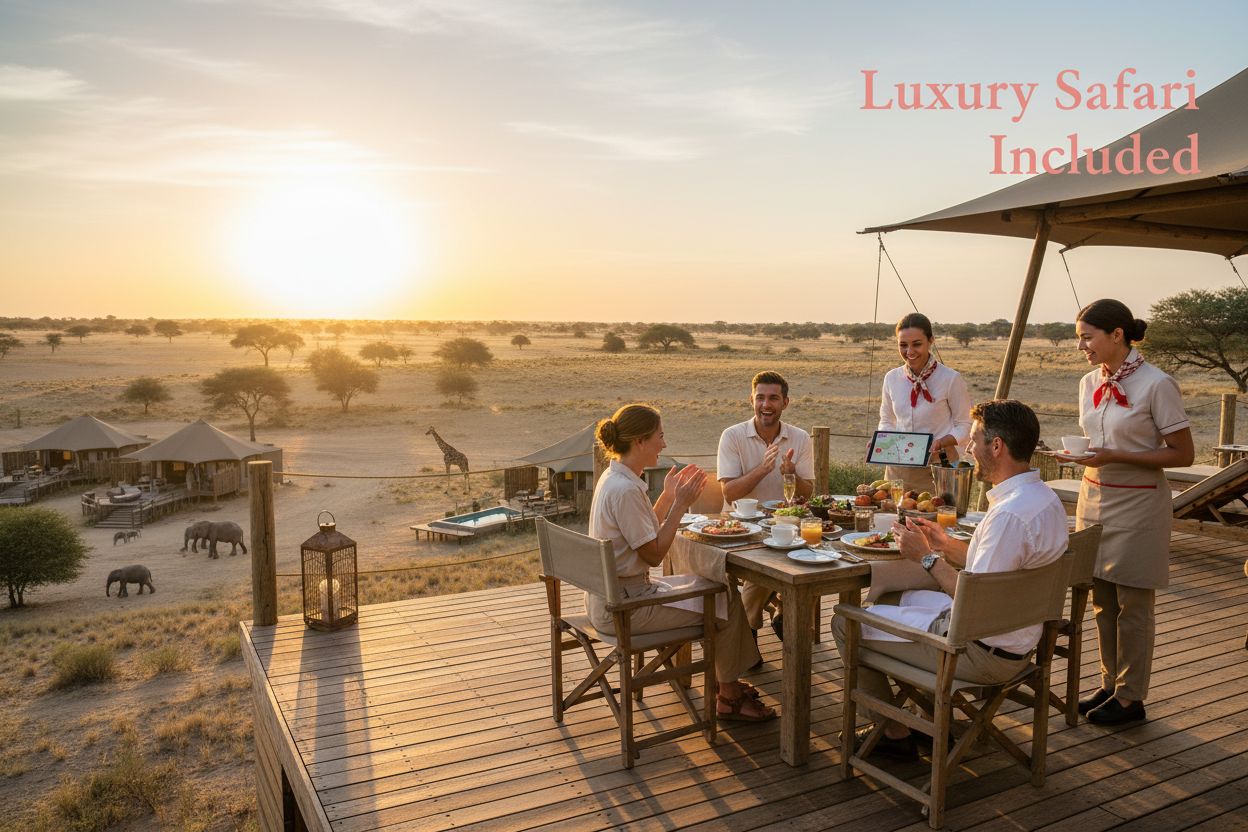
Understanding What is Included in Luxury Safaris
Explore what is included in luxury safaris, from exclusive accommodations to bespoke experiences that cater to discerning travelers.
Feb 24, 2026
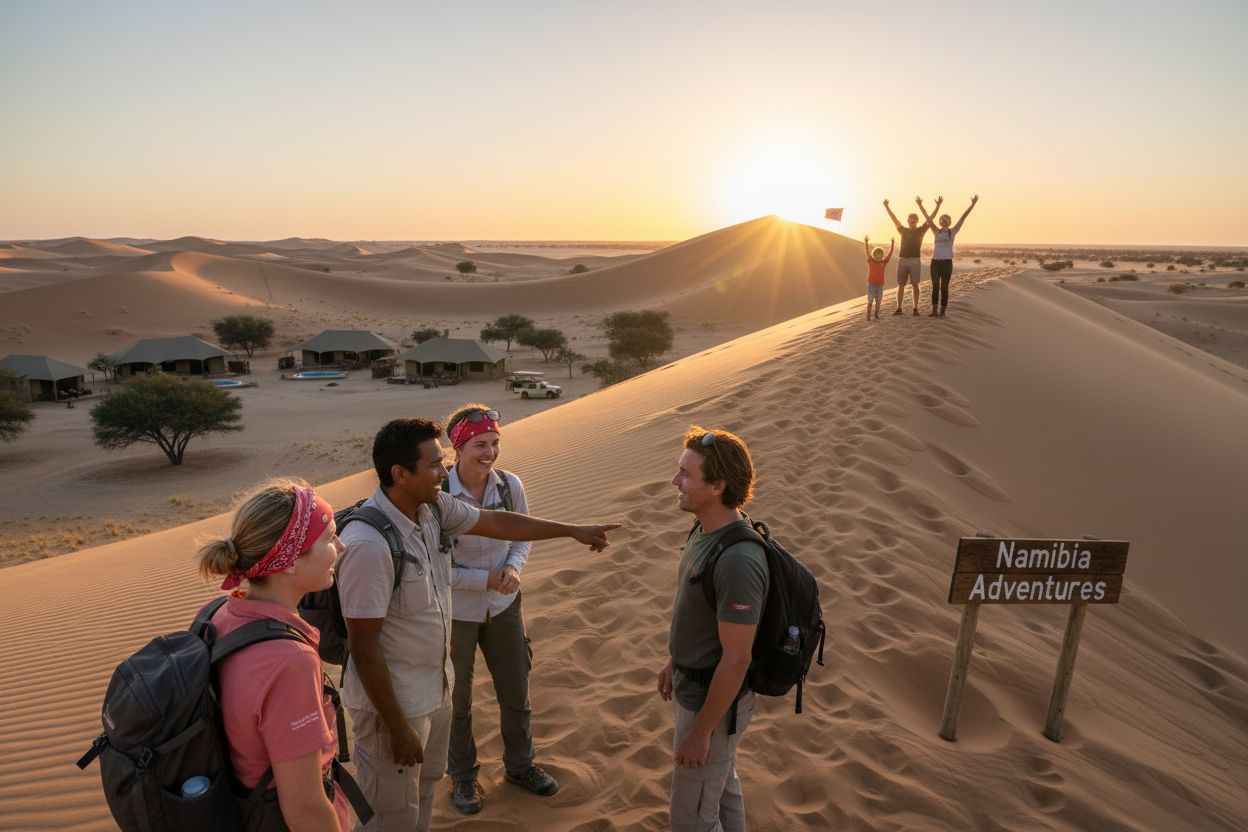
Why Namibia Adventures Matter: An In-Depth Look
Discover why Namibia adventures are essential for luxury travelers seeking unique, immersive experiences in nature and wildlife exploration.
Feb 23, 2026
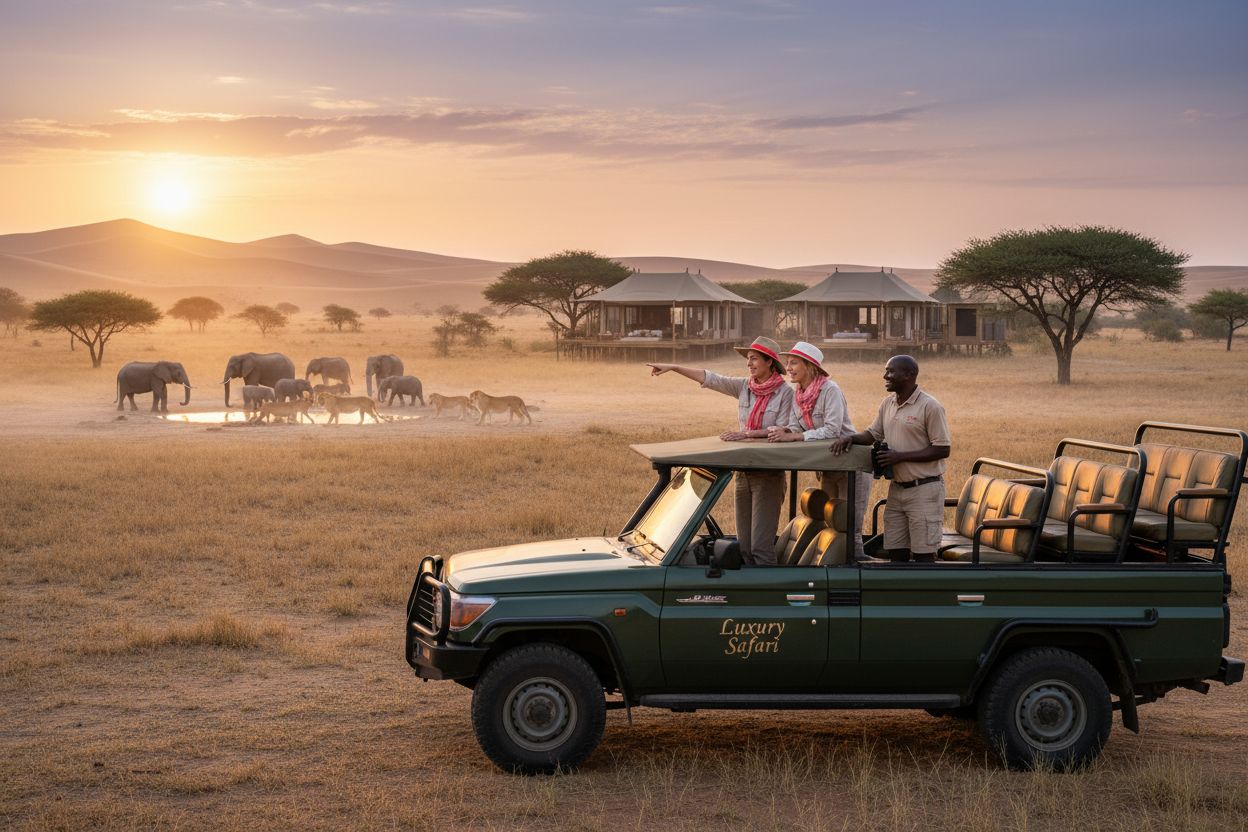
What to Expect on a Luxury Safari: A Comprehensive Guide
Discover what to expect on a luxury safari and gain a deeper understanding of the unique experiences that await you in the wild.
Feb 22, 2026
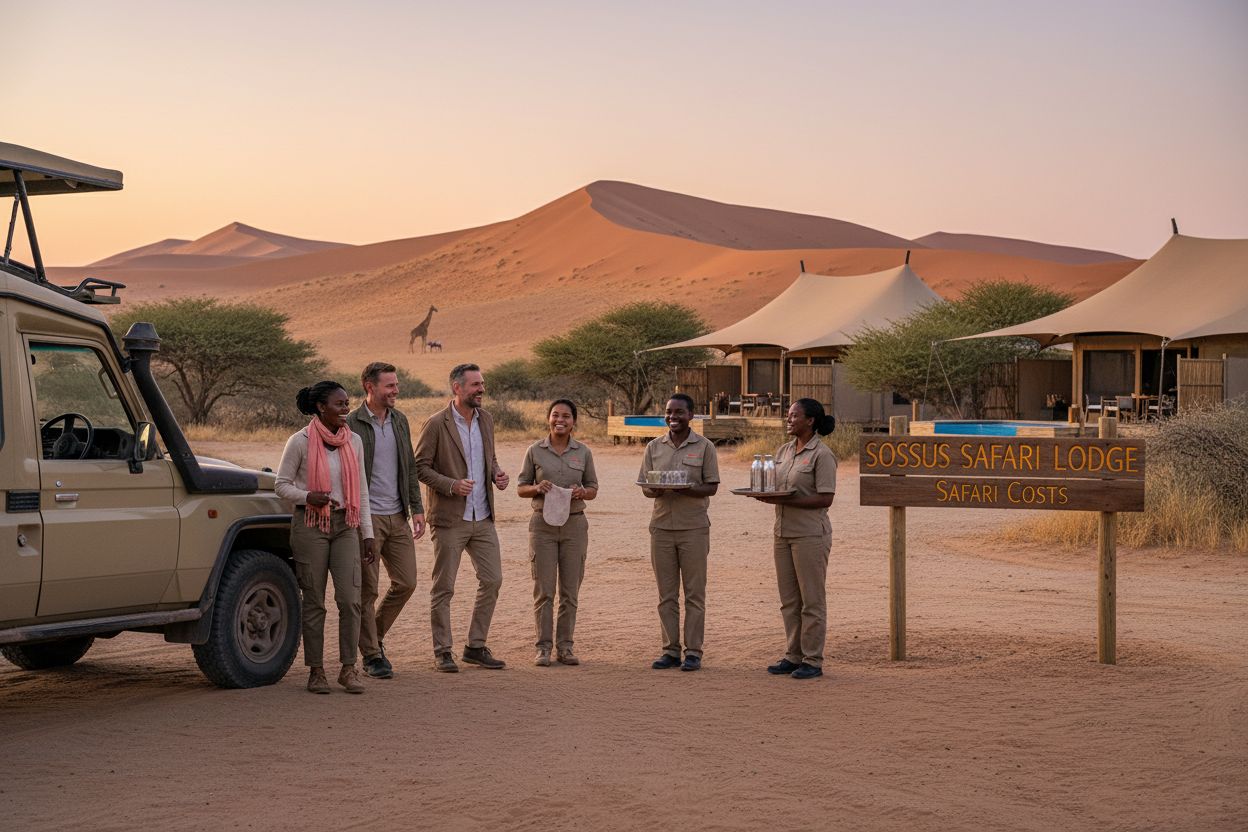
Understanding Namibia Safari Costs Explained
Explore Namibia safari costs explained to uncover what influences pricing and what it means for your adventure.
Feb 21, 2026
Understanding the Role of Safari Experts in Wildlife Travel
Explore the role of safari experts and gain a comprehensive understanding of how they enhance wildlife travel experiences for all types of travelers.
Feb 20, 2026
Guide organisation safari all inclusive : vivez l'aventure de vos rêves
Découvrez notre guide organisation safari all inclusive étape par étape pour planifier un voyage inoubliable au cœur de la nature.