Aug 4, 2026
Discover the best luxury African safari tours for 2026. Enjoy intimate wildlife encounters and personalized experiences in exclusive settings.
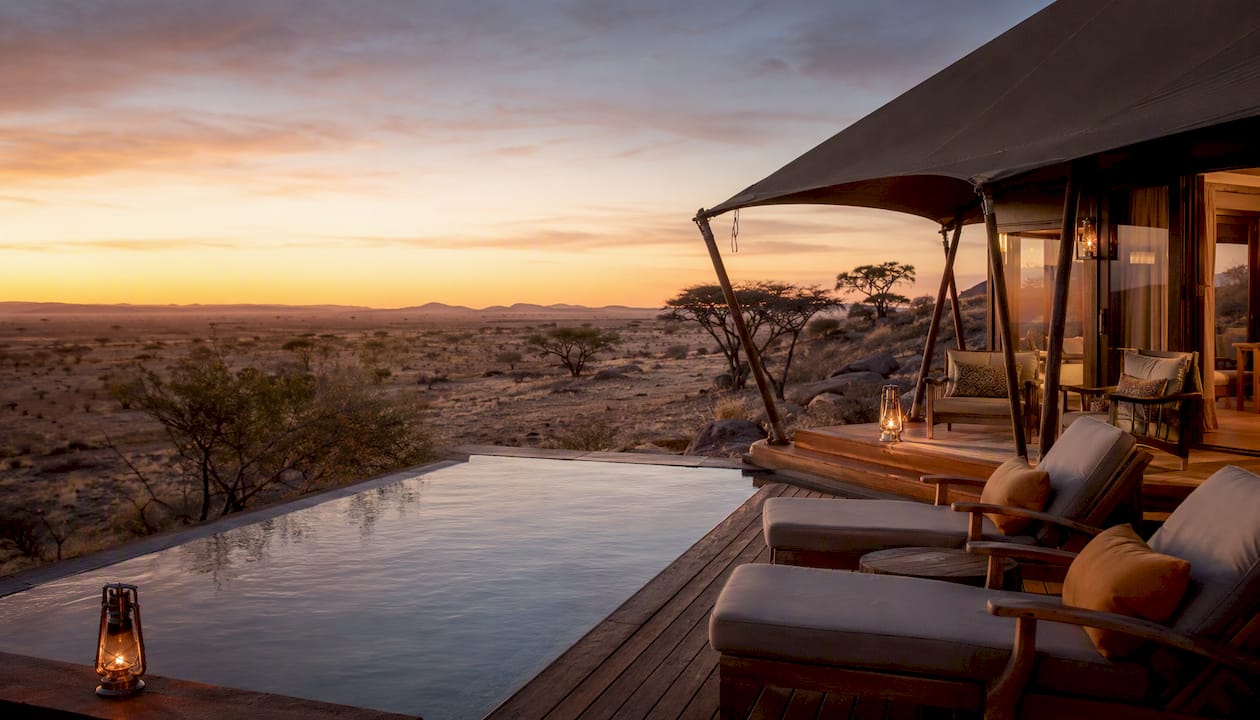
Best luxury African safari tours: the 2026 guide
TL;DR:
Private-concession safaris offer exclusive wildlife encounters with low vehicle density and off-road access. Choosing the right region, such as the Okavango Delta or Sabi Sands, enhances the luxury experience through tailored activities and scenery. Planning well in advance and selecting a reputable operator ensures a personalized and profound safari adventure.
Private-concession, bespoke luxury safaris are the best choice for affluent travelers who want exclusivity, intimate wildlife encounters, and a fully personalised experience. The three most defensible approaches are a fly-in private-concession week (typically seven nights across two or three exclusive lodges), a multi-site ultra-luxury villa stay anchored by a single private reserve, and a customised Namibia-focused circuit combining Etosha, the Namib Desert, and a private conservancy.
Here is what you need to know before you book:
Fly-in private-concession week: Two to three lodges, bush flights between them, private vehicle included. The most popular format for first-time luxury safari travelers.
Multi-site ultra-luxury villa stay: A single private villa accommodating a small group, full staff, and dedicated game vehicles. Ideal for families or groups of up to ten guests.
Customised Namibia circuit: Etosha’s vast salt pans, the sculpted dunes of the Namib, and a private conservancy combined into one seamless itinerary. Secretnamibia’s speciality.
According to SafariBookings, typical per-person-per-night rates for luxury and ultra-luxury properties vary considerably by service level, region, and season. Budgeting adequately for a genuine luxury safari experience and planning well in advance for peak-season dates is advisable.
Table of Contents
Which African regions deliver the best luxury safari experiences?
Why private game reserves feel so different from national parks
What do luxury safari accommodations actually look and feel like?
Sample 7-, 10-, and 14-day luxury safari itineraries
How much does a luxury African safari cost?
How do you choose the right luxury safari operator?
Key takeaways
Why bespoke private-reserve safaris are worth the investment
Plan your bespoke luxury safari with Secretnamibia
Useful sources and further reading
Which African regions deliver the best luxury safari experiences?
Africa is vast, and the right region depends entirely on the wildlife moments and landscapes you are chasing. Each destination below offers something the others cannot replicate.
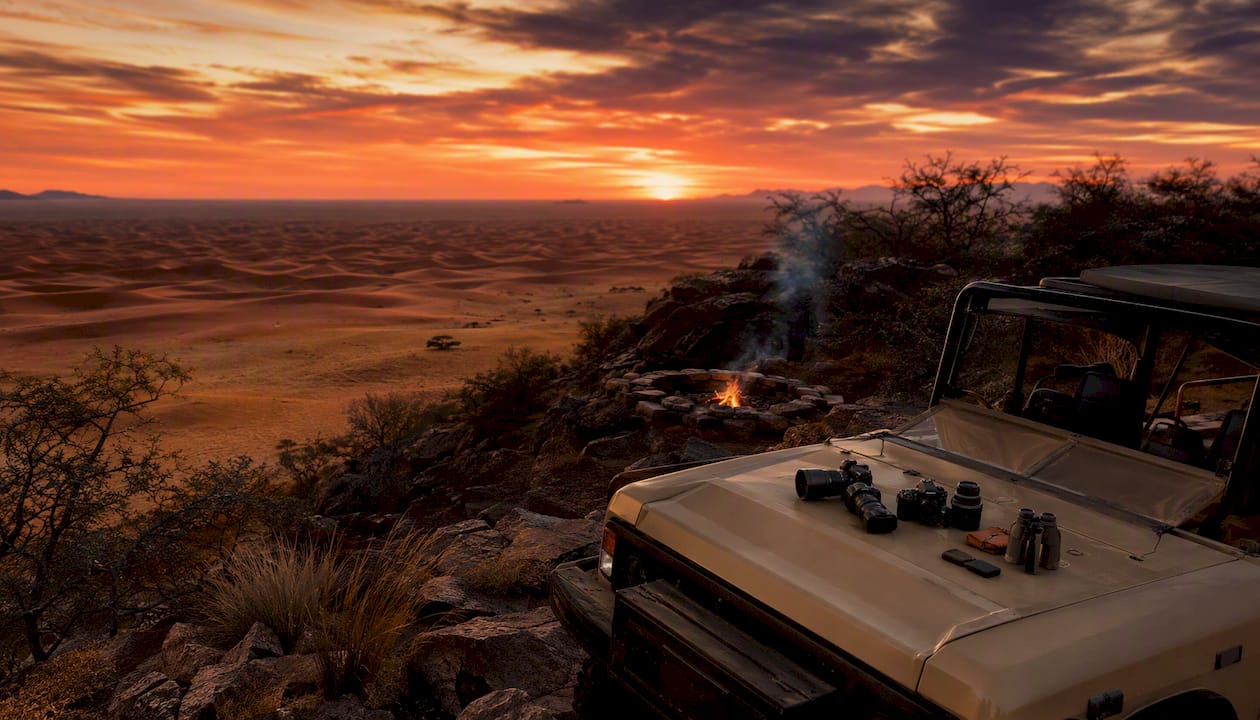
Okavango Delta, Botswana
A UNESCO World Heritage Site and one of the world’s most extraordinary inland water systems, the Okavango floods seasonally to create a mosaic of lagoons, papyrus channels, and floodplains teeming with elephant, lion, leopard, and wild dog. Luxury camps here combine private suites with mokoro (dugout canoe) excursions, motorboat safaris, and land-based game drives, giving you a genuinely varied daily rhythm. The delta’s intimate, water-based access is unlike anywhere else on the continent.
Best viewing window: July to October, when receding floodwaters concentrate wildlife on shrinking islands.
Accommodation style: Tented suites on raised platforms, private plunge pools, and exclusive-use island camps.
Sabi Sands, South Africa
Sharing an unfenced boundary with Kruger National Park, Sabi Sands is arguably Africa’s most celebrated private reserve for leopard sightings. Habituated leopards here allow vehicles to approach within metres, producing photographic opportunities that are almost impossible to replicate elsewhere. Night drives and off-road tracking are standard, and the lodges rank among the continent’s most architecturally refined.
Best viewing window: May to September (dry season) for dense bush clearance and concentrated game at waterholes.
Accommodation style: Suite-based lodges with private decks, heated pools, and butler service.
Masai Mara and Serengeti, Kenya and Tanzania
The wildebeest migration, one of nature’s most dramatic spectacles, moves between the Serengeti (Tanzania) and the Masai Mara (Kenya) from July through October. Cliff-top tented camps overlooking the Mara offer early-morning game drives, hot-air ballooning over the plains, and cultural experiences with local Maasai communities. The Serengeti’s private concessions, including those adjacent to Grumeti Reserve, allow night drives and off-road access that the main park circuit does not.
Best viewing window: July to October for the river crossings; January to March for calving season in the southern Serengeti.
Accommodation style: Tented suites, cliff-edge camps, and private villas with full staff.
Etosha National Park and private conservancies, Namibia
Etosha’s vast white salt pan draws extraordinary concentrations of wildlife to floodlit waterholes, where you can watch elephant, black rhino, lion, and giraffe from the comfort of a lodge deck after dark. Pair Etosha with a private conservancy on its borders and you unlock night drives and walking safaris that the national park itself does not permit.
Best viewing window: May to October for waterhole activity; the dry season strips the vegetation and concentrates animals dramatically.
Accommodation style: Private lodges on conservancy land, tented camps, and classic stone-and-thatch suites.
Namib Desert, Namibia
Nowhere else on earth do towering crimson dunes meet ancient riverbeds and a coastline shrouded in Atlantic fog. The Namib is not a traditional game-viewing destination, but it delivers some of Africa’s most extraordinary photographic experiences: Sossusvlei’s sculpted dunes at sunrise, Deadvlei’s bleached camel thorn trees, and the desert-adapted wildlife of the NamibRand Nature Reserve. Luxury lodges here are architecturally spectacular, often built into rock faces or positioned to frame the dune sea.
Best viewing window: April to October for cooler temperatures and the most dramatic light.
Accommodation style: Boutique desert lodges, private suites with panoramic glass walls, and exclusive-use camps.
Victoria Falls, Zimbabwe and Zambia
Victoria Falls is a natural spectacle on a scale that defies description, and the luxury lodges on both the Zimbabwean and Zambian sides position you within earshot of the falls while offering game drives into private concessions. It pairs naturally as a finale to a Botswana or Zambia circuit.
Best viewing window: February to May for maximum water volume; September to January for calmer conditions and swimming at Devil’s Pool.
Pro Tip: Combining two regions, such as the Okavango Delta and Etosha, on a single itinerary adds variety but also adds domestic flights and transfer days. If you have fewer than ten nights, a single-region deep-dive with two or three lodges in the same ecosystem almost always produces richer, more relaxed wildlife encounters than a multi-country sprint.
Why private game reserves feel so different from national parks
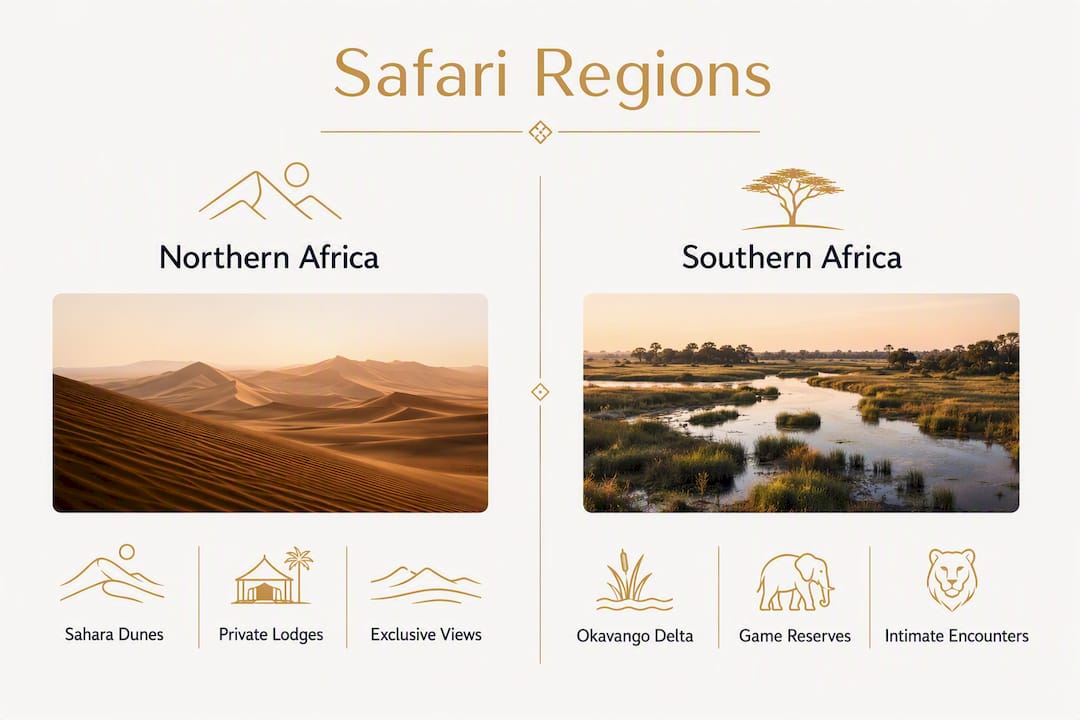
The distinction between a private concession and a government-managed national park is not just about price. It is about what you are actually allowed to do once you are there.
Private reserves and concessions typically permit:
Night drives with spotlights, revealing nocturnal predators and species you will never see on a daytime circuit.
Off-road driving, allowing guides to follow an animal’s tracks directly rather than waiting on a set road.
Guided walking safaris, where a qualified ranger leads you on foot through the bush, a fundamentally different and deeply immersive experience.
Bush dining and sundowners in the open landscape, away from the lodge.
Unlimited time at a sighting, with no pressure to move on for other vehicles.
Most government-managed national parks, by contrast, restrict vehicles to designated roads, enforce strict sunrise-to-sunset access windows, and prohibit night drives entirely. In many of Africa’s most visited parks, you may find yourself in a queue of a dozen vehicles at a lion sighting.
The vehicle-density difference is significant. Elite travelers consistently rate low vehicle density, typically two or three vehicles at a sighting maximum, and private-vehicle allocation as among the most valued aspects of a luxury safari. A private concession enforces exactly that limit by design. Night drives on private reserves reveal a completely different cast of characters: civets, porcupines, aardvarks, and hunting leopards that the daytime circuit simply does not show you.
The practical takeaway: if intimate, unhurried wildlife encounters and photographic quality are your priorities, a private concession or reserve is the right choice. National parks make sense when budget is a constraint or when a specific park’s geography, such as Ngorongoro Crater, is the primary draw.
What do luxury safari accommodations actually look and feel like?
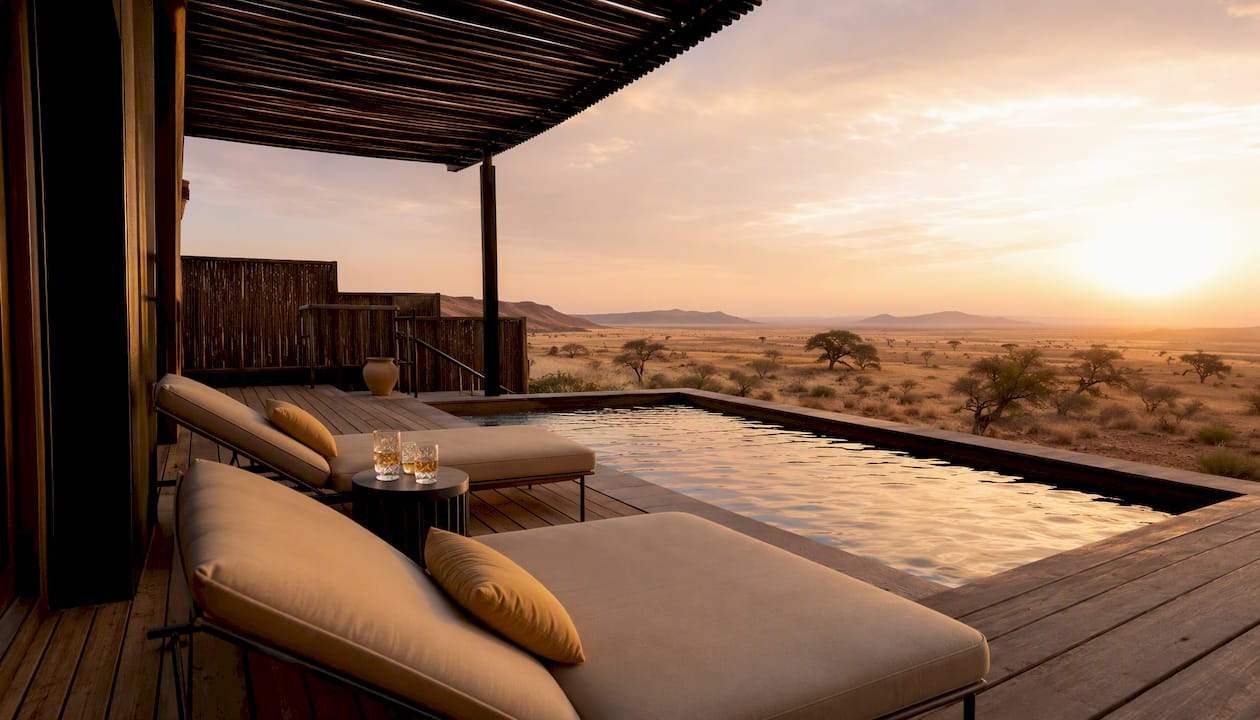
The term “luxury safari” covers a wide range of accommodation styles, and understanding the differences helps you choose the right fit before you commit. Here is what each category typically delivers:
Classic tented camps: Permanent canvas-and-pole structures on raised timber platforms, with en-suite bathrooms, proper beds, and often a private deck overlooking a waterhole or floodplain. The canvas walls mean you hear every sound of the bush at night. Service levels at top camps rival five-star hotels.
Suite-based lodges: Stone, timber, or thatch structures with air conditioning, heated plunge pools, indoor-outdoor showers, and butler service. These offer the most hotel-like comfort while remaining deeply embedded in the landscape.
Private villas: Exclusive-use properties accommodating small groups, with a full staff complement including a private chef, dedicated game vehicles, and a guide assigned solely to your party. Singita’s Milele villa in Grumeti, for example, accommodates up to ten guests with private game vehicles and full staff.
Boutique desert camps: Architecturally distinctive properties in the Namib or Kalahari, often built into rock formations or positioned to frame dramatic landscapes. Fewer than ten rooms is common; some are entirely exclusive-use.
Standard amenities at genuine luxury properties include:
Private plunge pool or heated pool
En-suite bathroom with outdoor shower
Butler or dedicated camp host
Private game vehicle (or guaranteed seat allocation)
All meals and selected beverages included
Laundry service
Wi-Fi (often limited by design, to encourage disconnection)
Pro Tip: Always ask whether a private vehicle is included or available as an upgrade. Sharing a vehicle with other guests is standard at many lodges, even excellent ones. A private vehicle means your guide sets the pace entirely around your interests, which materially changes the quality of every game drive. The luxury safari camp experience guide on Secretnamibia covers what to look for in detail.
Sustainability and local design have become genuine luxury differentiators. The best properties source materials locally, employ and train staff from surrounding communities, and contribute directly to conservation programmes. This is not just ethical positioning; it produces a more authentic, grounded experience.
Sample 7-, 10-, and 14-day luxury safari itineraries
These templates give you a concrete framework to adapt with your operator. Fly-in logistics raise per-person cost but eliminate road-transfer fatigue, producing a more restful, boutique-paced itinerary that high-net-worth travelers consistently prefer.
7-day fly-in private concession safari
Day 1: Arrive Johannesburg or Windhoek; connect to bush airstrip via light aircraft.
Day 2–4: Three nights at a private concession lodge (Sabi Sands, Etosha conservancy, or Okavango). Morning and evening game drives, night drives, optional walking safari.
Day 5–6: Bush flight to a second property, such as a desert lodge in the Namib or a crater-rim camp at Ngorongoro. Change of ecosystem, change of pace.
Day 7: Morning activity, transfer to international departure airport.
Luggage note: light aircraft typically restrict bags to 15–20 kg in a soft-sided bag. Pack accordingly.
10-day two-region combination
Days 1–2: Arrive and transfer to Okavango Delta. Settle into camp, afternoon mokoro excursion.
Days 3–5: Full days in the delta: morning game drives, water safaris, guided walks.
Day 6: Bush flight to Moremi Game Reserve or Chobe National Park.
Days 7–9: Land-based game drives and river cruises; elephant concentrations here are among Africa’s largest.
Day 10: Transfer to Maun or Kasane for international connection.
14-day ultra-luxury multi-ecosystem route
Days 1–3: Arrive Windhoek; transfer to a private conservancy bordering Etosha. Night drives, floodlit waterhole viewing.
Days 4–6: Fly to the Namib Desert. Sossusvlei dune walks at sunrise, private lodge with panoramic desert views, optional hot-air balloon.
Days 7–9: Fly to Botswana’s Okavango Delta. Water safaris, walking, photography.
Days 10–12: Fly to Tanzania’s Serengeti or Kenya’s Masai Mara. Migration timing dependent on season.
Days 13–14: Victoria Falls finale; guided tour of the falls, optional white-water rafting, departure.
Photography vs relaxation pace: if photography is your primary goal, build in at least three nights per location and request early-morning departures. If relaxation matters as much as game viewing, four nights per stop with one full rest day is a better rhythm.
How much does a luxury African safari cost?
Per-person-per-night rates vary considerably by service level, region, and season. The table below shows typical bands for planning purposes.
Tier | Per person per night | Typical inclusions |
|---|---|---|
Premium | — | Accommodation, meals, shared game drives, park fees |
Luxury | — | Accommodation, meals, private or semi-private vehicle, park fees, selected activities |
Ultra-luxury | — | Exclusive-use lodge or villa, private vehicle, all activities, domestic flights, conservation fees |
Common inclusions across luxury and ultra-luxury tiers:
Accommodation and all meals
Most game drives (morning, afternoon, night where permitted)
Park and concession fees
Selected domestic or bush flights (confirm per itinerary)
Laundry service
Selected beverages
Common exclusions to budget for separately:
International flights (typically $1,200–$2,500+ from the US, depending on routing and class)
Visas (most Southern and East African countries offer e-visas; fees vary by nationality)
Gratuities for guides and camp staff (typically $15–$25 per person per day for guides)
Emergency medical evacuation insurance (strongly recommended; budget $200–$400 for a comprehensive policy)
Premium beverages and spa treatments
Ngorongoro Crater-specific fees: a $295 vehicle fee plus a crater ranger fee apply per descent, and these are not always included in headline rates.
Booking tip: Green-season travel (roughly November to March in Southern Africa) can deliver meaningfully better rates at the same properties, dramatic photographic skies, and far fewer vehicles in the field. If you are willing to trade dry roads for lush scenery and lower prices, it is worth serious consideration. For peak season (July to October), deposits are typically 20–30% of the total cost, with the balance due 60–90 days before departure.
How do you choose the right luxury safari operator?
The operator you choose shapes every aspect of your experience, from the quality of your guide to what happens if a medical emergency occurs in a remote concession. Here is a practical checklist.
Evaluation criteria
Guide qualifications: Ask for the specific certification level of your assigned guide (FGASA Level 2 or equivalent is a meaningful benchmark in Southern Africa). A qualified guide changes the depth of every game drive.
Guide-to-guest ratio: The best operators offer a private vehicle and guide for your party. Confirm whether this is included or an upgrade.
Private vehicle availability: Confirm in writing before you book. Shared vehicles are common even at luxury lodges.
Conservation partnerships: Operators with named, active conservation partners, whether anti-poaching units, community conservancies, or wildlife research programmes, tend to attract and retain better guides and produce more meaningful experiences. Secretnamibia’s conservation safari connections are worth reviewing as a benchmark.
Emergency and medevac policy: Ask for the name of the evacuation provider and confirm coverage extends to the specific concessions on your itinerary. AMREF Flying Doctors and Wilderness Emergency Services are two well-established providers in East and Southern Africa.
Questions to ask before booking
What is the maximum number of guests per vehicle on game drives?
Is the guide assigned to my party exclusively, or shared with other guests?
Can you provide a sample staffing roster for the lodges on my itinerary?
How flexible is the itinerary if I want to extend time at a sighting or change an activity?
What is your cancellation and amendment policy, and what travel insurance do you recommend?
Red flags to watch for
Park and concession fees listed as “may apply” rather than itemised clearly.
Vague transfer logistics (“ground transfer” with no vehicle type, duration, or routing specified).
One-size-fits-all itineraries with no flexibility for your group’s interests or pace.
Reluctance to provide references from past clients or proof of local partnerships.
No clear emergency evacuation policy or named provider.
For a deeper bespoke planning framework, Secretnamibia’s planning guide walks through each of these steps in detail.
Key takeaways
Private-concession, fly-in bespoke safaris consistently deliver the most intimate and exclusive wildlife experiences available in Africa, and booking at least 12 months ahead is the single most important logistical step for peak-season travel.
Point | Details |
|---|---|
Private concessions lead for luxury | Night drives, off-road access, and low vehicle density are only available on private reserves and concessions. |
Price floor for genuine luxury | Budgeting adequately for genuine luxury and ultra-luxury properties, which vary by level and offerings, is necessary. |
Best regions by experience type | Okavango for water safaris, Sabi Sands for leopard, Masai Mara/Serengeti for migration, Namibia for desert and conservancy depth. |
Itinerary length | Seven nights suits a single-region deep-dive; 14 days allows a multi-ecosystem route with meaningful time at each stop. |
Secretnamibia’s speciality | Bespoke Namibia-focused circuits combining Etosha, the Namib Desert, and private conservancies, with custom itinerary planning and local expertise. |
Why bespoke private-reserve safaris are worth the investment
There is a version of the luxury safari conversation that focuses almost entirely on lodge design and thread counts. That is the wrong lens. The quality of a luxury safari is determined by three things: the access your operator secures, the guide standing next to you when a leopard emerges from the grass, and the absence of other vehicles at that moment.
Private concessions exist precisely to protect those three things. The exclusivity is not incidental; it is the product. When a reserve limits the number of vehicles at any sighting to two or three, and when your guide has the freedom to follow tracks off-road and stay until the animal moves, the encounter becomes something genuinely different from a national park drive. You are not watching wildlife from a distance. You are inside the ecosystem.
The Namibia angle is one that many East Africa-focused roundups undervalue. Etosha’s floodlit waterholes produce nocturnal encounters with black rhino and lion that are unlike anything in the Mara or the Serengeti. The NamibRand Nature Reserve’s dark skies and desert-adapted wildlife offer a completely different register of experience. A circuit that combines both, anchored by a private conservancy, is among the most distinctive luxury wildlife experiences available anywhere on the continent.
The travelers who get the most from a luxury safari are the ones who resist the temptation to cover too much ground. Two or three locations, properly paced, with a guide who knows the land, will always outperform a five-country sprint.
Plan your bespoke luxury safari with Secretnamibia
Secretnamibia designs private-reserve luxury safaris with a depth of local knowledge that generic booking platforms cannot match. The focus is Namibia and Southern Africa: Etosha, the Namib Desert, private conservancies, and fly-in circuits that connect the continent’s most extraordinary ecosystems without the road-transfer fatigue.
Every itinerary is built around your group’s specific interests, whether that is photography, conservation, family travel, or a honeymoon with complete privacy. Secretnamibia handles custom flight routing, private vehicle allocation, conservation partnerships, and the logistical details that determine whether a luxury safari actually delivers on its promise. The bespoke safari planning process starts with a conversation about your preferred dates, group size, and the experiences that matter most to you.
To begin, send your enquiry with your preferred travel window, group size, and any must-have experiences. The team will come back with a tailored itinerary proposal, not a brochure.
Useful sources and further reading
Best Tanzania and Kenya Luxury Safari Tour Operator — Tripadvisor
Luxury safari features that define Africa’s finest — Secretnamibia
Private game reserves: luxury safari explained — Secretnamibia
Types of African safari tours for luxury travelers — Secretnamibia
Recommended
RELATED
Safari Guides
Oct 30, 2025
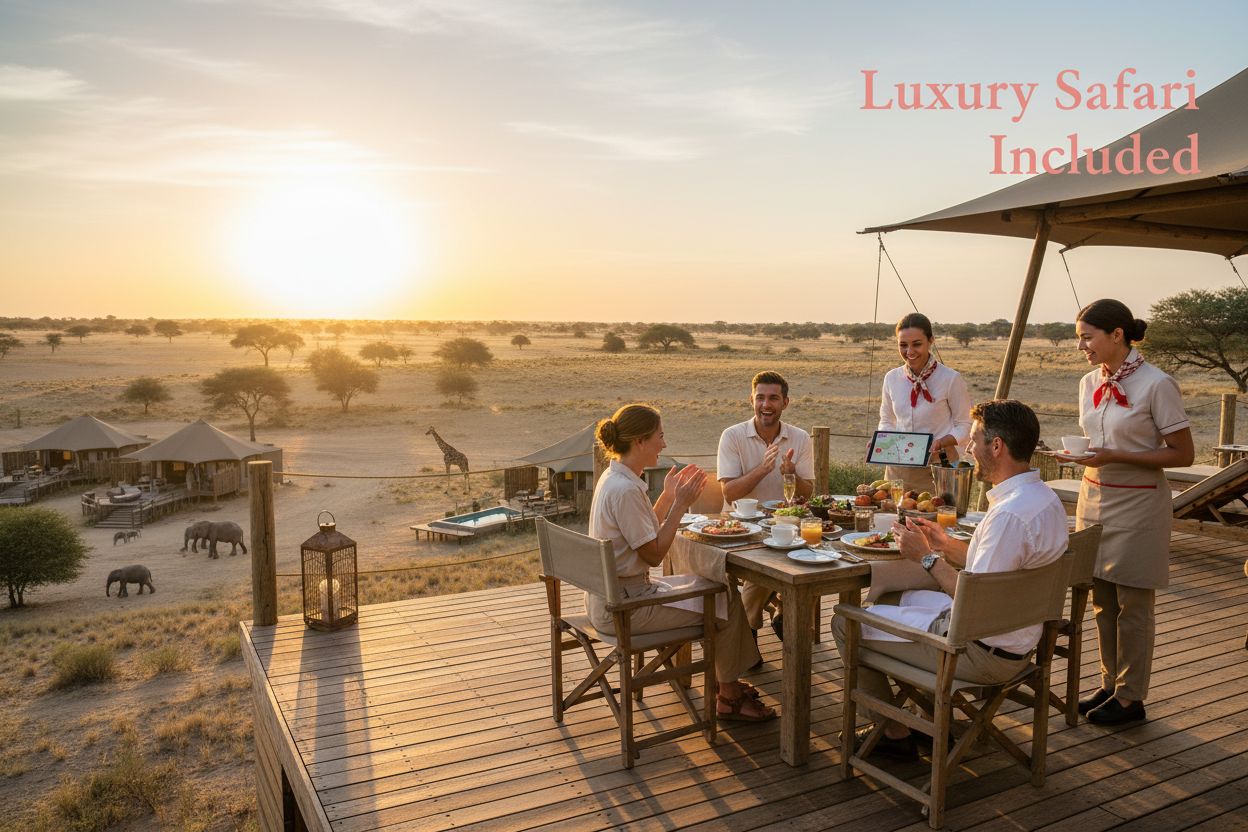
Understanding What is Included in Luxury Safaris
Explore what is included in luxury safaris, from exclusive accommodations to bespoke experiences that cater to discerning travelers.
Feb 24, 2026
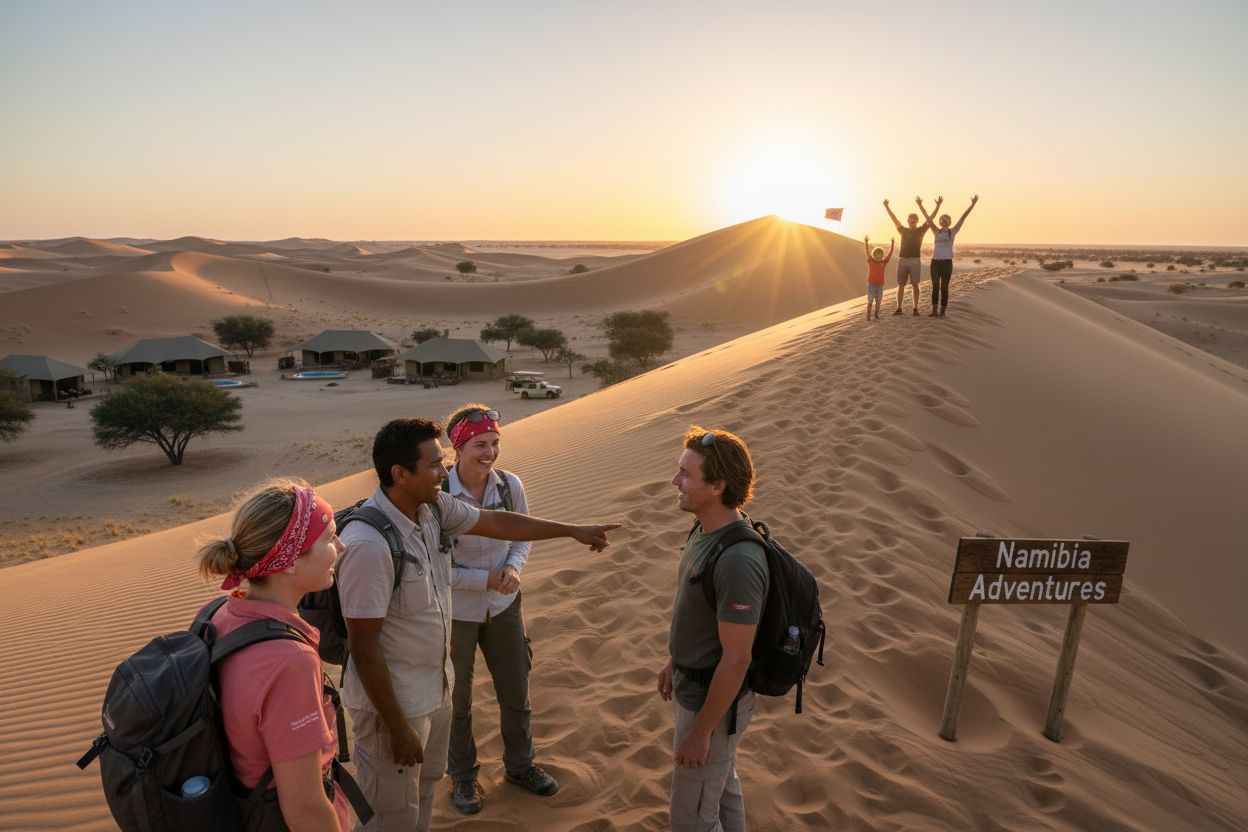
Why Namibia Adventures Matter: An In-Depth Look
Discover why Namibia adventures are essential for luxury travelers seeking unique, immersive experiences in nature and wildlife exploration.
Feb 23, 2026
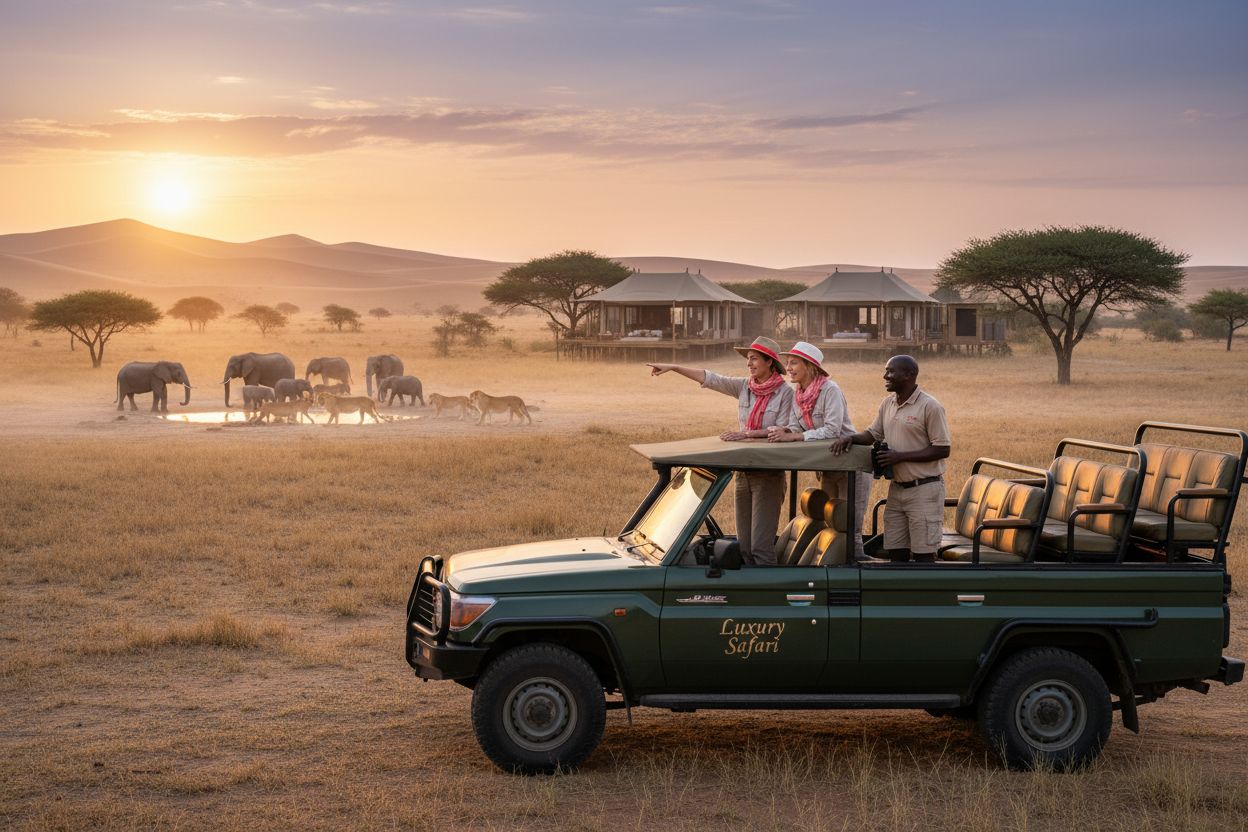
What to Expect on a Luxury Safari: A Comprehensive Guide
Discover what to expect on a luxury safari and gain a deeper understanding of the unique experiences that await you in the wild.
Feb 22, 2026
Understanding Namibia Safari Costs Explained
Explore Namibia safari costs explained to uncover what influences pricing and what it means for your adventure.
Feb 21, 2026
Understanding the Role of Safari Experts in Wildlife Travel
Explore the role of safari experts and gain a comprehensive understanding of how they enhance wildlife travel experiences for all types of travelers.
Feb 20, 2026
Guide organisation safari all inclusive : vivez l'aventure de vos rêves
Découvrez notre guide organisation safari all inclusive étape par étape pour planifier un voyage inoubliable au cœur de la nature.